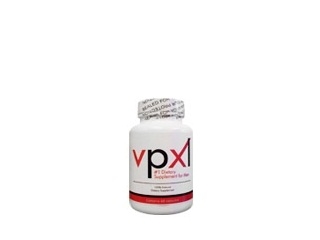

VPXL (Vax-Plus Xtra Low-dose)
VPXL is a medicine used to help treat certain conditions in adults and, in some cases, in children depending on the exact formulation and clinician advice. This guide is designed to help you understand what VPXL is, how it works, how to take it safely, and what to expect in day-to-day use. Always follow the instructions provided with your medicine or by your healthcare professional.
Important: VPXL is a regulated medicine in the United Kingdom. Availability, prescribing rules, and monitoring requirements may vary depending on the strength and intended use.
Quick product information
| Item | Details |
|---|---|
| Medicine name | VPXL |
| Common form | Oral tablet/capsule (varies by pack) |
| Strengths | May vary by formulation—check your pack |
| How it’s taken | By mouth, usually once daily (follow your instructions) |
| Who it’s for | Adults; some indications may include children (as advised) |
| Key precautions | Individualised—especially with liver/kidney problems and interacting medicines |
What VPXL is and how it works (mechanism of action)
VPXL works by targeting specific biological pathways involved in the condition it is used to treat. In simple terms, it helps the body to reduce abnormal signalling/response and supports a more stable physiological balance.
Depending on the indication and formulation, the active component of VPXL may:
- Alter the activity of receptors or enzymes involved in the condition
- Reduce harmful inflammation or overactivity in targeted tissues
- Improve symptom control and reduce the risk of flare-ups in suitable patients
Your clinician may choose VPXL because it has a balance of effectiveness and tolerability for your particular diagnosis, medical history, and other medicines you take.
Typical uses and indications
VPXL may be indicated for specific conditions as determined by UK clinical guidance and product licence information. Common reasons it may be used include:
- Long-term condition control: to help maintain symptom improvement over time.
- Prevention of worsening episodes: where ongoing control reduces flare-ups or complications.
- When other options are unsuitable: if alternative treatments are ineffective or not tolerated.
Because indications depend on the exact active ingredient and formulation, always check your pack leaflet for the precise statement of uses authorised for your VPXL product.
When to take VPXL (timing and routine)
Many patients take VPXL once daily at the same time each day to maintain steady effects. The right schedule depends on your dose and whether the product is an extended/modified-release form.
Suggested daily timing
- Choose a consistent time: mornings or evenings, based on what suits you.
- Keep timing stable: try not to change the time of day frequently.
- Missed dose approach: if you miss a dose, take it when remembered unless it’s close to the next dose. Avoid double dosing.
If your VPXL product is modified-release, follow the instruction about how to swallow it (for example, whether it must not be crushed or opened).
Dosing: how much and how long
The correct VPXL dose is individual. It depends on the condition being treated, your age, kidney/liver function, other medicines, and how you respond.
Typical dosing principles
- Start low, adjust if needed: clinicians may begin with a lower dose to reduce side effects.
- Use the smallest effective dose: aim for symptom control with the best tolerability.
- Do not change dose without advice: adjustments should be discussed with a healthcare professional.
Common questions about dosing
- What if I feel better? Do not stop early unless advised—stopping abruptly can worsen symptoms or trigger rebound effects (varies by indication).
- What if I miss doses? Follow the leaflet guidance; contact a clinician if you miss multiple doses.
- Can I take it with other medicines? Some combinations are fine, but others can interact—see the interactions sections below.
For exact dose values, refer to the patient information leaflet supplied with your VPXL pack.
How VPXL is absorbed, distributed, metabolised and eliminated (pharmacokinetics)
Pharmacokinetics (PK) describes what the body does to a medicine—absorption, distribution, metabolism, and excretion. While exact numbers vary by product and patient factors, the overall profile of VPXL typically includes:
- Absorption: VPXL is absorbed from the gastrointestinal tract after oral administration. Onset of effect may begin within hours, with full benefit sometimes taking longer depending on the condition.
- Distribution: the active component may distribute into relevant tissues; protein binding can influence how much active drug remains in circulation.
- Metabolism: most medicines like VPXL are metabolised primarily in the liver, involving drug metabolic enzymes. This is why liver impairment and interacting medicines can matter.
- Elimination: drug metabolites (and sometimes a small amount of unchanged medicine) are cleared via urine and/or bile. Kidney function can therefore affect overall exposure in some patients.
Why this matters for you: pharmacokinetics explain why:
- Dose adjustments may be needed for liver or kidney impairment.
- Certain drug interactions can increase side effects or reduce effectiveness.
- Steady daily dosing helps maintain consistent symptom control.
Food interactions: can you take VPXL with meals?
Whether VPXL can be taken with food depends on the specific formulation (especially if it is extended-release). General guidance is:
- Follow pack directions: some medicines are best taken with water and may be taken with or without food.
- Be consistent: if your leaflet allows taking with food, try to use a consistent pattern (e.g., always with breakfast).
- Avoid extremes: large amounts of certain foods or drinks may affect absorption for some medicines.
If you’re unsure whether to take VPXL with meals, check your leaflet or speak to a pharmacist.
Alcohol and medicine interactions
Alcohol
Alcohol can affect how safe and effective a medicine is, mainly by:
- Increasing the risk of dizziness, drowsiness, or stomach irritation
- Worsening sleep and recovery, which can influence symptom control
- Potentially affecting liver metabolism for medicines processed in the liver
The safest approach is to avoid or minimise alcohol while taking VPXL, especially during the first days or weeks of treatment. If you plan to drink, ask a pharmacist or clinician what level is appropriate for your situation.
Interactions with other medicines
VPXL can interact with other medicines. Interactions may increase side effects, reduce effectiveness, or change blood levels. Tell your healthcare professional about all current medicines, including those bought without a prescription.
Common interaction categories to consider:
- Liver-metabolised medicines: medicines that induce or inhibit liver enzymes may alter VPXL levels.
- Other CNS-active medicines: drugs that affect alertness (e.g., sedatives) may increase dizziness or impaired coordination.
- Antacids and acid reducers: can sometimes affect absorption depending on formulation.
- Anticoagulants/antiplatelets: if used, monitoring may be needed depending on the indication.
- Hormonal therapies: some regimens can interact with metabolic pathways.
If you notice new symptoms after starting VPXL or changing another medicine, contact a pharmacist promptly for advice.
Safety profile and side effects
Like all medicines, VPXL may cause side effects. Not everyone will get them, and many can be mild and improve as your body adjusts.
Common side effects
- Headache
- Nausea or mild stomach upset
- Dizziness
- Fatigue or changes in energy levels
- Sleep disturbance (some people experience drowsiness, others insomnia)
Less common but important effects
- Allergic reactions (e.g., rash, swelling, breathing difficulties)
- Liver-related symptoms (e.g., persistent nausea, dark urine, yellowing of skin/eyes)
- Significant mood or behaviour changes (seek advice urgently if severe)
- Heart-related symptoms (palpitations, fainting) in susceptible individuals
Seek urgent medical help if
- You develop swelling of the face/lips, severe rash, or difficulty breathing.
- You have signs of severe liver problems (yellowing, severe fatigue, marked abdominal pain).
- You faint, experience chest pain, or severe shortness of breath.
This is not a complete list. Always read the patient information leaflet for the full safety information.
Practical use tips for everyday life
How to take VPXL safely
- Swallow whole if required: if your VPXL is modified-release, do not crush or chew unless the leaflet says it is safe.
- Take with water: a full glass of water can reduce throat irritation.
- Keep to a routine: setting a daily alarm can help you avoid missed doses.
- Use a pill organiser: especially if you manage multiple medicines.
Monitoring and follow-up
Depending on your indication, healthcare team may arrange:
- Symptom review to assess response and tolerability
- Blood tests to check organ function or safety parameters
- Medication reviews when you start/stop other drugs or supplements
What to do if you feel unwell
- If you experience mild side effects, consult a pharmacist for advice.
- If you develop severe symptoms or signs of allergy, seek urgent help.
- Do not stop abruptly unless you have clear instructions from a clinician.
Alternative options
If VPXL is not suitable, alternatives depend on the condition being treated. Your clinician may consider medicines with different mechanisms or different dosing schedules, as well as non-drug approaches.
Possible alternative categories
- Other medicines within the same class: may have different dosing frequency or tolerability.
- Different therapeutic classes: chosen when response is poor or side effects occur.
- Adjunct therapies: sometimes combined to improve control.
- Non-pharmacological approaches: lifestyle measures, behavioural strategies, and supportive therapies may complement treatment.
For specific alternatives, speak with a pharmacist or clinician. They can tailor options to your diagnosis, age, comorbidities, and other medications.
VPXL in the United Kingdom: legal and market context
In the UK, medicines are regulated through the Medicines and Healthcare products Regulatory Agency (MHRA). VPXL’s availability may be influenced by:
- Product licensing (authorised uses and patient groups)
- Classification and supply rules (how it can be supplied through pharmacies)
- Safety monitoring requirements for certain medicines or populations
- Supply chain considerations, including manufacturer availability
For accurate status in your area, check the listing details on your pharmacy website and the information on the pack. If stock is temporarily unavailable, the pharmacy may offer an alternative strength or advise on expected restocking times.
Recent guidance (general overview)
UK clinical practice and safety monitoring can evolve. Recent general themes across many medicines include:
- Medication review at intervals: ensuring doses remain appropriate and interactions are checked.
- Careful use in vulnerable groups: attention to liver and kidney function and tolerability.
- Patient education: encouraging consistent dosing and early reporting of side effects.
- Digital or telehealth follow-up: supporting ongoing monitoring when clinically appropriate.
Always rely on the most current advice provided by your healthcare team and the leaflet supplied with VPXL.
Delivery and availability
When you order VPXL from an online pharmacy, delivery times depend on stock availability, your location, and the courier service. Some areas may have next-day options, while others may take longer.
- In-stock items: typically dispatched quickly (often within 24 hours on working days).
- Low stock: may require confirmation or alternative strength options.
- Back-orders: if a product is temporarily unavailable, the pharmacy should inform you of estimated delivery.
For your order, check the delivery estimate shown at checkout. If you need VPXL urgently, contact customer service before placing your order so they can confirm dispatch timing.
Frequently asked questions (FAQ)
1) What is VPXL used for?
VPXL is used for specific medical conditions approved for its formulation in the UK. The exact indication depends on the product strength and licence wording on your pack—please refer to your leaflet for details.
2) How quickly does VPXL start working?
Some people notice changes within the first days, while full benefit may take longer. The timeline varies by condition and by individual response. If you are not improving as expected, speak to a pharmacist or clinician.
3) Can I take VPXL with food?
Many patients can take VPXL with or without food, but this depends on the exact formulation. Check the leaflet for instructions and try to keep your routine consistent.
4) What should I do if I miss a dose?
If you miss a dose, take it when you remember unless it is close to the next scheduled dose. Do not take a double dose. If you miss several doses, contact a pharmacist for tailored advice.
5) Is it safe to drink alcohol while taking VPXL?
It’s usually recommended to minimise alcohol. Alcohol can increase side effects and may affect how the medicine is processed in the body. Ask a pharmacist for advice based on your specific situation.
6) Can VPXL interact with my other medicines?
Yes. Interactions can occur with medicines that affect liver enzymes, the nervous system, stomach acid, and other pathways. Tell your pharmacist about all your medicines and supplements before starting VPXL.
7) Who should take extra care with VPXL?
Extra caution may be needed if you have liver or kidney impairment, a history of drug allergies, significant heart conditions, or if you are taking multiple interacting medicines. Your clinician can advise on suitability and any needed monitoring.
8) What side effects are most common?
Common effects may include headache, nausea, dizziness, and fatigue. If side effects are severe, persistent, or worsening, seek advice.
9) When should I stop VPXL and seek help?
Seek urgent medical help for signs of a serious allergic reaction, severe breathing trouble, fainting, chest pain, or signs of serious liver problems. Do not stop treatment without advice unless instructed by a healthcare professional.
10) Are there alternative treatments to VPXL?
Yes. Alternatives depend on your condition and may include other medicines or non-drug approaches. Ask a pharmacist or clinician about options if VPXL is unsuitable.
Need help choosing or using VPXL? If you have questions about timing, food interactions, or possible interactions with your current medicines, contact a pharmacist. They can provide UK-specific advice and help you use VPXL safely and effectively.