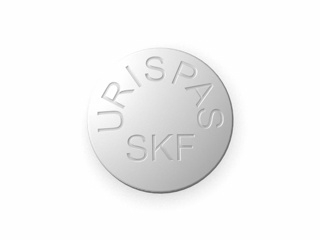

Urispas (Flavoxate Hydrochloride) – Patient Information
Urispas contains flavoxate hydrochloride, a medicine used to help relieve symptoms associated with the bladder. It is most commonly used when bladder irritation causes discomfort such as urgency and frequent trips to the toilet.
This page explains how Urispas works, when it’s typically taken, what to expect, and important safety information for people in the United Kingdom.
Quick facts
| Feature | What to know |
|---|---|
| Active ingredient | Flavoxate hydrochloride |
| What it helps with | Bladder spasm/irritation symptoms such as urgency, frequency, and discomfort |
| How it works (general) | Helps reduce overactivity/spasm of bladder muscle and may calm bladder-related spasms |
| Common dosing pattern | Often taken several times daily depending on age and the specific product strength (follow label instructions) |
| Typical onset | Some people notice symptom improvement within hours; full effect may take a few days |
| Key safety notes | Use caution with other medicines that may affect anticholinergic-type effects; check allergies; seek advice if symptoms persist or worsen |
| Food/alcohol | Food can influence comfort; alcohol may worsen urinary symptoms in some people |
What is Urispas?
Urispas is a medicine that contains flavoxate hydrochloride. It’s designed to help manage symptoms linked to the bladder, particularly where bladder muscles become irritable or overactive.
People often reach for Urispas when they feel symptoms such as:
- Urinary urgency (a sudden, strong need to pass urine)
- Frequent urination
- Discomfort or pain related to bladder spasms
Important: Urispas is intended for bladder spasm/irritation symptoms. It is not a treatment for infections caused by bacteria (such as a typical bacterial urine infection). If you think you may have an infection, seek appropriate medical advice.
How Urispas works (mechanism of action)
The bladder wall contains smooth muscle. In some conditions, the bladder can become irritated and contract too strongly or too often, leading to urgency and frequency.
Flavoxate helps to reduce bladder spasms by affecting bladder muscle activity. This may calm involuntary contractions and help relieve bothersome symptoms associated with bladder overactivity or spasm.
The overall effect is symptom relief—making the bladder feel less “irritable” and reducing sudden urges to urinate.
Pharmacokinetics (how the body handles flavoxate)
Pharmacokinetics describes how a medicine is absorbed, distributed, metabolised, and eliminated. For flavoxate, the general principles in use are:
- Absorption: Flavoxate is taken by mouth and absorbed from the gastrointestinal tract.
- Metabolism: It is metabolised in the body, producing metabolites that are then cleared.
- Excretion: Elimination occurs mainly via the kidneys (through urine).
- Onset and duration: Because it is typically taken multiple times daily, it is intended to provide symptom control over the day.
Exact timing can vary between individuals. Factors such as age, kidney function, and other medicines can influence how people respond. If you have kidney or liver problems, ask a pharmacist for personalised advice.
Typical uses and indications
Urispas is used for symptoms of bladder spasm and irritation. It may be recommended for adults and, where appropriate, other age groups depending on the specific product form and local guidance.
It is commonly considered when bladder symptoms occur without evidence of a straightforward bacterial infection, for example:
- Bladder spasm causing discomfort and urgency
- Overactive, irritable bladder symptoms (spasm/irritation-related)
- Urinary frequency and urgency associated with bladder dysfunction
Seek medical advice urgently if you have symptoms suggesting kidney or severe infection, such as:
- Fever or chills
- Back/flank pain (pain in the sides or back)
- Blood in urine
- Severe pain or vomiting
- Symptoms lasting longer than expected or rapidly worsening
How and when to take Urispas
Timing
Urispas is usually taken at intervals during the day to maintain symptom control. A typical schedule is often several doses daily—follow the dosing instructions on your pack or as advised by a healthcare professional.
Try to take doses at similar times each day. If you miss a dose, take it when you remember unless it’s close to the next dose. Do not take a double dose to make up for a missed one.
Dosing (general guidance)
Dosing can differ based on the product strength and the person’s age and condition. Always follow the instructions on the label or the advice you were given.
For reference, many flavoxate-containing products are used in a multiple-times-daily regimen. If you’re unsure which regimen applies to your specific pack, check with your pharmacist.
How to take
- Swallow tablets with water.
- Keep to regular dosing times for steadier symptom relief.
- Complete the course you were advised to take, even if symptoms improve early (unless told otherwise).
Food interactions: what to expect with meals
Food may affect comfort in the stomach for some people. In general, flavoxate can be taken with or without food depending on your personal tolerance. If you find it upsets your stomach, taking it with a meal may help.
There are no common “must avoid” foods reported for flavoxate, but it’s still wise to:
- Stay hydrated (unless you’ve been advised to restrict fluids)
- Avoid foods that commonly trigger bladder irritation for you personally (for example, very spicy foods or caffeine for some individuals)
If you have a sensitive stomach, ask your pharmacist whether to take your specific Urispas product with food.
Alcohol interactions
Alcohol does not always produce a direct dangerous interaction with every bladder medication, but it can worsen urinary symptoms in many people.
- Alcohol may increase urine production and irritate the bladder.
- It can also make urgency and frequency feel worse.
- Combining alcohol with medicines may increase side effects such as dizziness or drowsiness in some individuals.
For best comfort and symptom control, it’s generally recommended to limit alcohol while your symptoms are being treated.
Medicine interactions: other medicines to consider
Interactions depend on what else you take. Before using Urispas, consider telling a pharmacist if you’re taking any regular medicines—especially:
- Anticholinergic or antimuscarinic medicines (some medicines for bladder symptoms, allergies, or bowel spasm can have overlapping effects)
- Medicines that can cause drowsiness or affect alertness
- Medicines with urinary or bladder effects
If you are unsure whether your other medicines have anticholinergic-type effects, a pharmacist can help you check.
Also mention if you are taking:
- Medicines for urinary infections or antibiotics
- Medicines for prostate conditions (in men)
- Any medicines for kidney or liver problems
Practical tips for using Urispas effectively
Medicines work best when combined with supportive self-care. These tips may improve symptom control:
- Hydration: Drink water regularly (unless restricted). Concentrated urine may irritate the bladder.
- Bladder-friendly habits: Try to avoid “holding” urine for long periods if this triggers urgency for you.
- Track triggers: Some people find caffeine, fizzy drinks, or alcohol makes symptoms worse.
- Warmth: A warm compress can help discomfort for some people.
- Keep a symptom diary: Note timing of urgency/frequency, fluid intake, and triggers to help guide treatment decisions.
If symptoms don’t improve, or if they worsen, stop self-managing and seek advice—persistent bladder symptoms can have different causes.
Safety profile: who should be cautious
Like all medicines, Urispas may cause side effects. Most are mild, but it’s important to know what to watch for.
Common side effects (reported)
Side effects can vary by individual. Potentially reported effects may include:
- Gastrointestinal symptoms (e.g., nausea, stomach discomfort)
- Dry mouth (in some people)
- Dizziness or light-headedness
- Headache
Seek urgent help if
- you develop signs of an allergic reaction (swelling of the face/lips, rash, difficulty breathing)
- you feel severely unwell or your symptoms rapidly worsen
- you have symptoms suggesting a more serious urinary condition (e.g., fever, back pain, blood in urine)
Special caution groups
Please be extra cautious and speak to a pharmacist before use if you have:
- Kidney problems (since the medicine is cleared via the kidneys)
- Liver problems
- a history of urinary retention or significant difficulty passing urine
- Glaucoma or conditions affected by reduced fluid in the eye (relevant particularly if you take other anticholinergic-type medicines)
- Any known allergy to flavoxate or ingredients in the tablet
The safest approach is to check the pack leaflet for ingredient details and warnings specific to your product.
What to do if symptoms don’t improve
Bladder symptoms can have many causes, including bacterial infection, irritation from products, hormonal changes, pelvic floor issues, bladder stones, or other conditions.
If you have symptoms that:
- continue beyond a short period,
- return repeatedly, or
- include fever, back pain, blood in urine, or severe burning
you should seek advice. Continued symptoms may need different treatment such as testing for infection.
Alternative options (talk to a pharmacist)
Depending on the cause of your symptoms, different approaches may be more suitable. Alternatives commonly discussed include:
- Bladder antispasmodics (same symptom area, different active ingredients)
- Uro-analgesic symptom relief for discomfort (where appropriate)
- Non-medicine measures such as hydration adjustments, reducing bladder triggers, and scheduled toileting
- If infection is suspected, appropriate antibiotic treatment may be necessary (arranged through the correct care pathway)
A pharmacist can help you compare options based on symptoms, age, medical history, and current medicines.
UK market and legal context (United Kingdom)
In the UK, medicines are regulated and classified to ensure they are used safely. Availability can differ depending on formulation strength and regulatory status.
Urispas (flavoxate) is commonly supplied through licensed pharmacies and may be available for customers through pharmacy services depending on current regulatory categorisation and stock availability.
Always check the product packaging and the leaflet for up-to-date instructions, indications, and warnings relevant to your specific pack.
Recent guidance (how to use safely)
For bladder-related symptoms, UK health advice generally emphasises:
- Recognising symptoms that suggest infection or complications (fever, back pain, blood in urine)
- Not relying solely on symptom relief if serious causes are possible
- Reviewing treatment if there is no improvement after a short period
- Considering urine testing when indicated
- Staying alert to side effects and medicine interactions
Guidance may evolve. If in doubt, ask a pharmacist to confirm the best approach for your situation.
Delivery and availability in the UK
Online pharmacies in the UK typically offer delivery to residential addresses, subject to regional coverage, carrier capacity, and product availability.
- Availability: Stock levels can vary. If Urispas is temporarily unavailable, you may see an estimated restock date or alternatives.
- Delivery times: Delivery speed depends on the dispatch schedule and chosen delivery method.
- Packaging: Medicines are usually supplied in original packaging to protect integrity and support safe identification.
- Temperature requirements: Flavoxate tablets are generally stable at controlled room temperatures; store as instructed on the pack.
If you have time-sensitive needs, check the estimated delivery information on the product listing and contact customer service if needed.
Storage instructions
- Keep out of the sight and reach of children.
- Store at room temperature unless the pack instructs otherwise.
- Keep in the original packaging to protect from moisture.
- Check the expiry date on the carton and blister.
FAQ – Urispas (Flavoxate Hcl)
1) What is Urispas used for?
Urispas is used to help relieve symptoms related to bladder spasm and irritation, such as urgency and frequency in appropriate situations.
2) How quickly will I feel better?
Some people notice improvement within a few hours, while others may take longer. If you don’t feel better after a short trial period (as suggested on your pack or by a pharmacist), seek advice.
3) Can I take Urispas with food?
Often yes. If it upsets your stomach, taking it with food may help. Follow the instructions on your specific product packaging.
4) Can I drink alcohol while taking Urispas?
It’s best to limit alcohol while you’re dealing with bladder symptoms. Alcohol can irritate the bladder and may make urgency and frequency worse, and it can also increase dizziness in some people.
5) Does Urispas treat urine infections?
Urispas is intended for bladder spasm/irritation symptoms. If you suspect a bacterial urine infection—especially with fever, back pain, blood in urine, or worsening burning—seek appropriate advice for testing and treatment.
6) What should I do if I miss a dose?
Take it when you remember unless it is almost time for the next dose. Do not double up.
7) Are there any people who should not use Urispas?
Avoid use if you are allergic to flavoxate or any tablet ingredients. Take extra care if you have kidney problems, urinary retention, glaucoma, or you take medicines with similar effects. If unsure, ask a pharmacist.
8) Can Urispas be taken with other medicines?
Many medicines can be taken together, but interactions depend on what you’re using. Tell your pharmacist about all medicines (including over-the-counter products) to check for compatibility, especially other bladder medicines or anticholinergic-type medicines.
9) What side effects might I experience?
Side effects may include stomach discomfort, dizziness, headache, or dry mouth in some people. If you get severe symptoms or signs of allergy, seek urgent medical help.
10) Where can I get Urispas delivered in the UK?
Delivery depends on the online pharmacy’s service coverage and product availability. Check the delivery information on the product page and the estimated dispatch/delivery dates.
Always read the patient information leaflet provided with your medicine for the most accurate, up-to-date instructions. If your symptoms are severe, persistent, or associated with fever/back pain/blood in urine, seek medical advice promptly.