
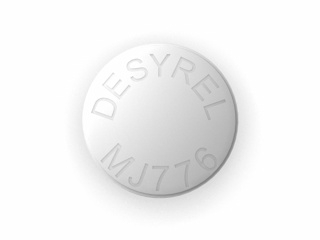


Ticlopidine (Ticlid) — Patient Information
Ticlopidine is an antiplatelet medicine used to reduce the risk of blood clots forming in certain medical conditions. It works by affecting how platelets (blood cells involved in clotting) clump together. This page explains how ticlopidine works, how it is used, important safety information, and practical guidance to help you take it confidently.
Important: Always follow the instructions provided by your healthcare professional. The information below is designed to help you understand your medicine, not to replace medical advice.
Basic product information
| Category | Antiplatelet medicine |
|---|---|
| Active ingredient | Ticlopidine |
| Common brand names | Ticlid (in some markets/histories) |
| How it is taken | By mouth (tablets) |
| Typical dosing frequency | Often taken twice daily |
| Main effect | Reduces platelet aggregation |
| Monitoring | Blood tests may be needed in some patients |
How ticlopidine works (mechanism of action)
Platelets are essential for normal blood clotting after an injury. However, in some diseases, platelets can become overly “sticky” and contribute to the formation of harmful clots inside blood vessels.
Ticlopidine helps prevent these clots by:
- Blocking platelet aggregation (reducing clumping of platelets)
- Acting by a different pathway than aspirin and clopidogrel, making it useful in particular clinical situations
By lowering platelet reactivity, ticlopidine reduces the chance of clot-related events such as some forms of stroke risk or graft-related complications (depending on the indication and patient profile).
Pharmacokinetics (how the body handles ticlopidine)
Pharmacokinetics describes what the body does to a medicine—how it is absorbed, distributed, metabolised, and eliminated.
- Absorption: Ticlopidine is absorbed from the gastrointestinal tract. The onset of antiplatelet effect is not immediate, and the full benefit may take time to develop.
- Metabolism: It is processed mainly in the liver. This means that liver function can be relevant for safety considerations.
- Elimination: The medicine and its metabolites are eliminated from the body over time, including through biliary and renal routes.
- Duration of effect: Because platelets affected by the drug change their behaviour for their lifespan, the antiplatelet effect can persist beyond the exact time of each dose.
Note: Individual differences (age, liver function, other medicines) can change how the drug behaves. Your clinician may adjust your plan accordingly and may request blood tests.
Typical use in the UK
In the UK, ticlopidine has historically been used as an antiplatelet agent for selected conditions. Because of safety considerations and availability of alternative medicines, its use may be more limited than other antiplatelet options.
Typical uses may include:
- Prevention of vascular events in specific high-risk situations where an antiplatelet effect is required
- Some patients unable to use alternative antiplatelet medicines due to intolerability or contraindications
Always confirm the intended reason for your treatment. Different indications can require different monitoring and duration.
Indications (when ticlopidine is considered)
Indications may include certain patients requiring antiplatelet therapy, such as those with:
- Risk reduction after vascular events (for example, in selected stroke/TIA contexts, depending on clinical judgement)
- Support around specific vascular procedures in particular circumstances
- Intolerance or unsuitability to other antiplatelet medicines used more commonly
Clinician decision: The choice of antiplatelet therapy depends on your medical history, bleeding risk, medication interactions, and local guidance.
Dosing and timing
Always take ticlopidine according to the instructions on your label. Dosing regimens can vary by indication and patient factors.
Typical adult dosing
- Often: 2 doses per day (commonly morning and evening), taken at approximately 12-hour intervals.
If you miss a dose
- Take it as soon as you remember if it’s not close to the next dose.
- If you are near the next dose, skip the missed dose and take the next one at the usual time.
- Do not double up to make up for a missed dose.
How to take it
- Swallow the tablet(s) with water.
- Try to keep a consistent daily routine for best adherence.
Practical tip: Use alarms or link the dose time to a daily activity (e.g., breakfast and dinner) to reduce missed doses.
Food interactions and taking with meals
Ticlopidine may be taken with or without food, but food can affect tolerability and comfort for some people.
- If your stomach feels unsettled: taking ticlopidine with food may help reduce gastrointestinal discomfort.
- Keep your routine consistent: if you start taking it with meals, try not to change suddenly without advice.
Always check your specific product instructions and follow the guidance given with your tablets.
Alcohol and medicine interactions
Alcohol
There is no single universal rule that alcohol is completely forbidden with ticlopidine, but alcohol can increase overall bleeding risk and may worsen stomach irritation in some people.
- Moderation is advisable.
- Avoid heavy drinking, especially if you notice bruising, stomach pain, or signs of bleeding.
Seek advice urgently if you experience signs of bleeding (see “Safety profile”).
Medicine interactions (important)
Ticlopidine’s antiplatelet effect can be increased when combined with other medicines that also affect clotting or increase bleeding risk.
Tell your healthcare professional if you use any of the following:
- Other antiplatelet medicines (e.g., aspirin, clopidogrel) — combination therapy should only be used if specifically directed
- Anticoagulants (e.g., warfarin, apixaban, rivaroxaban, dabigatran) — can significantly raise bleeding risk
- Non-steroidal anti-inflammatory drugs (NSAIDs) (e.g., ibuprofen, naproxen) — can increase bleeding risk
- Selective serotonin reuptake inhibitors (SSRIs) and other antidepressants that may affect platelet function — possible increased bleeding tendency
- Medicines that may affect liver metabolism — because ticlopidine is metabolised in the liver
Herbal and non-prescription products: include “natural” remedies in your list. Some supplements (for example, certain products affecting bleeding) may interact.
Always review your full list of medicines, including over-the-counter products, before starting ticlopidine.
Safety profile
Ticlopidine can be effective as an antiplatelet medicine, but it has important safety considerations. Patients may require monitoring depending on risk factors and local practice.
Common side effects
Some people experience:
- Gastrointestinal upset (e.g., indigestion, nausea)
- Diarrhoea
- Rash or skin reactions
Serious side effects (seek urgent medical help)
Contact urgent medical services or seek immediate advice if you notice any of the following:
- Unusual bleeding (e.g., nosebleeds that do not stop, bleeding gums, blood in urine or stool, vomiting blood)
- Severe bruising or pinpoint red/purple spots on the skin
- Signs of infection (e.g., fever, sore throat, mouth ulcers) — particularly important because some blood disorders can occur
- Yellowing of the eyes/skin (jaundice), dark urine, or severe fatigue — possible liver-related effects
- Severe allergic-type symptoms such as swelling of face/lips, breathing difficulties, or widespread rash
Blood count and liver monitoring
Because rare but serious blood-related problems can occur, clinicians may request periodic blood tests, especially early in treatment or if you have symptoms.
Do not skip blood test appointments if they are part of your care plan.
Bleeding risk
All antiplatelet medicines increase bleeding tendency to some extent. Your risk depends on:
- Other medicines you take (especially anticoagulants, NSAIDs)
- Your age and overall health
- History of ulcers, gastrointestinal bleeding, or clotting disorders
- Upcoming surgery or dental procedures
Practical use tips
- Stick to the schedule: take your doses at consistent times daily.
- Watch for warning signs: report unusual bleeding, persistent bruising, fever, sore throat, or signs of liver problems promptly.
- Carry a medication list: helpful for emergencies, dental care, or hospital visits.
- Inform clinicians before procedures: let your dentist/surgeon know you take ticlopidine.
- Manage stomach comfort: if you get indigestion, consider taking with food (unless your label advises otherwise).
- Keep an eye on new medicines: double-check over-the-counter products and supplements for interactions.
What to expect when starting ticlopidine
When beginning a course, it may take some time for the antiplatelet effect to stabilise. You may be asked to attend monitoring appointments or blood tests.
If you experience persistent side effects or worrying symptoms soon after starting, contact your healthcare professional. Do not stop the medicine without advice.
Alternative options
In the UK, several antiplatelet medicines are available. The choice depends on your diagnosis, bleeding risk, and prior treatment history.
Common alternatives
- Aspirin (for many people in cardiovascular prevention contexts)
- Clopidogrel
- Prasugrel (typically in specific coronary contexts)
- Ticagrelor (in selected cardiovascular conditions)
Why alternatives may be chosen: Many patients are treated with medicines that have well-established safety profiles and are widely used in clinical practice. If ticlopidine is recommended, it is usually because it fits your specific clinical needs.
Your healthcare professional can explain why ticlopidine was selected for you and whether alternatives are suitable.
UK market and legal context
In the United Kingdom, medicines are regulated by the Medicines and Healthcare products Regulatory Agency (MHRA). Antiplatelet medicines are prescribed and monitored according to clinical guidance and safety requirements. Availability may vary due to licensing status, supplier supply, and manufacturer decisions.
As guidance and evidence evolve, the preferred antiplatelet option may change. Ticlopidine may not be used as widely as other antiplatelet medicines, but it can still be relevant for certain patients under specialist direction.
Recent guidance and clinical considerations (overview)
Across cardiovascular and cerebrovascular prevention in the UK, guidance generally emphasises:
- Balancing clot prevention and bleeding risk
- Using the most appropriate first-line option when suitable
- Monitoring for adverse effects when higher-risk antiplatelet therapy is used
- Individualised plans based on comorbidities, age, and concomitant medicines
Because ticlopidine requires careful safety consideration, clinicians may favour alternatives unless there is a specific reason to choose it. If you are already taking ticlopidine, ensure your monitoring plan is followed.
Delivery and availability (UK)
Availability of ticlopidine can vary by product licensing, wholesaler stock, and supply chain conditions. Our online pharmacy service aims to:
- Provide clear stock status at checkout
- Dispatch promptly where available
- Use secure packaging to protect your tablets
- Offer tracking on eligible delivery services
Delivery times: Delivery estimates depend on your location in the UK and whether items are in stock. Check the delivery information shown at checkout for the most accurate times.
If an item is out of stock: we may offer alternative options or an estimated restock date where appropriate.
Storage and handling
- Store at room temperature as indicated on the package.
- Keep tablets in the original packaging to protect from moisture.
- Keep out of reach and sight of children.
- Do not use after the expiry date.
FAQ
1) What is ticlopidine used for?
Ticlopidine is an antiplatelet medicine used to help reduce the risk of harmful blood clots forming in certain medical conditions. The exact indication varies between patients and depends on clinical judgement and guidance.
2) How quickly does ticlopidine start working?
Antiplatelet effects develop after starting treatment, but the timing can vary between individuals. Some benefits may be apparent within days, while full effect stabilises over time. Follow your monitoring and follow-up plan.
3) Can I take ticlopidine with food?
Many patients find that taking ticlopidine with food improves comfort. If your label or clinician advises otherwise, follow that instruction. Consistency is helpful.
4) What should I do if I miss a dose?
Take it when you remember unless it’s close to the next dose. If near the next dose, skip the missed dose and continue as scheduled. Do not double up.
5) Does ticlopidine increase bleeding risk?
Yes. Because it reduces platelet clumping, it can increase the tendency to bleed. Seek urgent advice if you notice significant or unusual bleeding.
6) Are there medicines I should avoid with ticlopidine?
Some combinations increase bleeding risk, including anticoagulants and some painkillers (NSAIDs). Always tell your healthcare professional about all medicines and supplements you take.
7) Can I drink alcohol while taking ticlopidine?
Moderation is advised. Alcohol can add to stomach irritation and may increase bleeding risk. Avoid heavy drinking and seek medical advice if you develop bleeding symptoms.
8) Do I need blood tests?
You may need blood tests to monitor safety, especially in the early stages of treatment or if you develop symptoms such as fever, infections, or unusual bruising. Follow your clinician’s monitoring plan.
9) What side effects are most concerning?
Concerning symptoms include unusual bleeding, signs of infection (fever, sore throat, mouth ulcers), and signs of liver problems (jaundice, dark urine). Get urgent medical advice if these occur.
10) What are the common alternatives?
Common alternatives include aspirin and other antiplatelet medicines such as clopidogrel, depending on the medical condition and your risk profile. Your clinician can advise which is most appropriate for you.
Need more help? If you have questions about your dose schedule, side effects, or interactions, contact your healthcare professional or pharmacist.