Testosterone Topical (Transdermal) – Patient Information (UK)
Testosterone topical is a medicine that contains testosterone, a natural hormone that helps maintain normal male sex characteristics and supports several body functions. Topical formulations are applied to the skin, allowing the hormone to be absorbed into the body over time.
This page provides patient-friendly information about how testosterone topical works, typical uses, how to apply it, safety considerations, and practical guidance for living with treatment in the United Kingdom.
Quick product overview
| Category | Details |
|---|---|
| Medicine | Testosterone topical (transdermal) |
| Active substance | Testosterone |
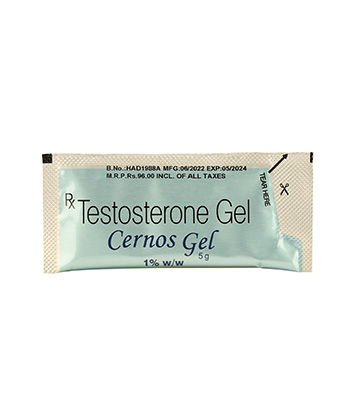
| Common forms | Gel, solution, or other skin-applied preparations (brand/formulation varies) |
| How it works | Releases testosterone through the skin into the bloodstream |
| Typical dosing | Varies by product and individual needs; usually applied once daily |
| Common monitoring | Testosterone levels and safety checks (e.g., blood count, prostate-related monitoring as appropriate) |
| Safety highlights | Do not let others—especially children/pregnant people—touch treated skin; watch for skin reactions and fluid changes |
What is testosterone and why use it?
Testosterone is an androgen (male sex hormone) produced mainly by the testes in men and in smaller amounts by the adrenal glands. It plays a role in:
- Developing and maintaining male sex characteristics
- Supporting muscle mass, strength, and overall energy
- Maintaining libido (sex drive)
- Supporting bone health
- Contributing to mood and wellbeing
In some men, testosterone levels are low due to medical conditions affecting the testes or the pituitary/hypothalamus (parts of the brain that control hormone production). Testosterone topical can help restore testosterone to a normal range when appropriate for the individual.
Mechanism of action (how it works)
After application to the skin, testosterone is absorbed into the bloodstream. It then enters cells and binds to the androgen receptor. The testosterone-androgen receptor complex influences gene expression, leading to changes that include:
- Reversal of hypogonadal symptoms (when testosterone deficiency is present)
- Improved androgen-dependent tissues (e.g., muscle and certain aspects of sexual function)
- Bone and red blood cell support through androgen effects
Some testosterone is converted to dihydrotestosterone (DHT) and estradiol in certain tissues. These conversions contribute to both desired effects and possible side effects.
Pharmacokinetics (what the body does to the medicine)
Pharmacokinetics describes how testosterone topical is absorbed, distributed, metabolised, and excreted.
Absorption
- Testosterone is absorbed through the skin into the circulation.
- Absorption can vary depending on factors such as skin condition, application site, and dose.
- Correct use (applying at the right time and to the recommended area) helps maintain stable levels.
Distribution
- Testosterone circulates in the blood bound to proteins (mainly sex hormone-binding globulin (SHBG) and albumin).
Metabolism
- Testosterone is metabolised in the liver and other tissues.
- Metabolites are inactive or less active and are eventually eliminated.
Excretion
- Metabolites are eliminated primarily via urine and faeces.
Important: Different brands and strengths have specific instructions. Always follow the directions provided with your particular product.
Typical indications (when testosterone topical is used)
Testosterone topical is used to treat male hypogonadism (a condition where the body does not produce enough testosterone). It may be considered when:
- Low testosterone has been confirmed on appropriate blood tests on more than one occasion
- Symptoms consistent with testosterone deficiency are present
- Underlying causes have been considered and managed where possible
Clinical decisions should be made based on symptoms, confirmed low testosterone, and individual risk factors. Treatment should be reviewed regularly to ensure benefits continue to outweigh risks.
When to apply: timing and consistency
Most testosterone topical products are applied once daily. The exact timing depends on the formulation and your clinician’s instructions.
- Choose a consistent time each day (e.g., morning or evening) to help maintain steady levels.
- Apply to clean, dry skin as directed in the product instructions.
- Allow time to dry before dressing.
Missed dose guidance: If you miss a dose, follow the guidance in the patient information leaflet for your specific product. In general, you should not apply extra amounts to “catch up”.
Dosing (how much and how often)
Dosing varies by product strength and by the individual’s response. Typical patterns include:
- Once-daily application
- Dose adjustments based on measured testosterone levels and symptom response
Key points for safe dosing:
- Use only the prescribed/labelled dose for your specific product.
- Do not increase the dose to speed up symptom improvement.
- Regular monitoring may be needed, particularly early in treatment.
Practical instructions for use (step-by-step tips)
Because different testosterone topical products vary in strength and recommended application sites, always follow the patient information leaflet for your exact brand. The general principles below help reduce side effects and accidental transfer.
Preparation
- Wash your hands before applying.
- Apply to healthy, intact skin only (avoid broken or irritated skin unless specifically instructed).
- Make sure the skin is dry.
Application technique
- Apply the measured dose to the recommended area (e.g., shoulders/upper arms, upper arms/inner thighs, abdomen—depending on product).
- Spread gently if the leaflet instructs spreading; otherwise apply as directed.
- Let the product dry completely before covering with clothing.
After application
- Wash hands thoroughly after the application, unless your product instructions state otherwise (some products specifically require careful handwashing every time).
- Keep the treated area covered by clothing when appropriate, especially if others may touch it.
- Avoid skin-to-skin contact between the treated area and others until the product has dried and the risk period described in the leaflet has passed.
Accidental transfer—important safety
One of the most important risks with topical testosterone is transfer to other people through skin contact. This is particularly important for:
- Children
- Pregnant people (or those who could become pregnant)
- Any person who is not intended to receive testosterone
If skin contact occurs, follow the advice in your patient information leaflet. Typically, this involves washing the exposed area with water and soap and seeking medical advice if needed.
Food interactions
Because testosterone topical is absorbed through the skin rather than taken by mouth, food interactions are generally not expected to be clinically significant.
However, general advice still applies:
- Keep a consistent routine for application timing.
- Let your clinician know about all medicines and supplements you use.
Alcohol and medicine interactions
Alcohol: Moderate alcohol intake may not directly interact with testosterone topical, but heavy or frequent alcohol use can worsen overall health and potentially affect liver function and hormonal balance. If you have liver disease or are at risk, it is especially important to discuss alcohol use with a healthcare professional.
Interactions with other medicines: Testosterone can affect how other drugs work and vice versa. Possible interaction concerns include:
- Blood-thinning medicines (anticoagulants) such as warfarin: testosterone may alter clotting control in some cases—monitoring may be needed.
- Corticosteroids (e.g., prednisolone): combined use may require careful monitoring due to changes in fluid balance.
- Diabetes medicines: testosterone may improve insulin sensitivity in some people, potentially affecting glucose control.
- Other androgen-related therapies: combining without specialist advice may increase risk.
For a full list of interactions, check your specific product leaflet and your medicines review. Always tell your pharmacist about your current medicines (including over-the-counter products and herbal remedies).
Safety profile and side effects
All medicines can cause side effects. Many occur early or after dose changes and may improve with adjustments. Your healthcare team may recommend monitoring to reduce risks.
Common or expected issues
- Skin reactions at the application site (e.g., redness, irritation, itching)
- Headache or changes in mood
- Fluid retention (swelling, feeling “puffy”)
- Acne or increased skin oiliness
- Changes in libido (sometimes increased)
Important potential risks (discuss with a clinician)
- Higher red blood cell count (polycythaemia): this can increase blood thickness and clot risk; monitoring is important.
- Prostate-related effects: testosterone may influence prostate size and urinary symptoms. Assessment and monitoring may be recommended based on age and risk.
- Breast tenderness or enlargement (gynaecomastia)
- Worsening of sleep apnoea in susceptible individuals
- Fertility changes: testosterone therapy can suppress sperm production in some men, potentially affecting fertility.
- Abnormal erections or persistent erections (seek urgent help if this occurs)
When to seek urgent medical advice
Contact urgent care or emergency services if you experience:
- Signs of a severe allergic reaction (swelling of face/lips, difficulty breathing)
- Severe chest pain, sudden shortness of breath, weakness on one side, or other symptoms suggesting a serious clotting or vascular event
- Persistent painful erection lasting more than a few hours
Monitoring and follow-up during treatment
Because benefits and risks vary between individuals, monitoring is an important part of care. Typical monitoring may include:
- Blood testosterone levels to ensure the dose achieves appropriate concentrations
- Full blood count to check red blood cells
- Liver function tests in certain situations (based on overall risk and product guidance)
- Prostate assessment depending on age, risk factors, and local clinical practice
- Assessment of symptom response and side effects
Regular review helps confirm the treatment remains appropriate and safe.
Practical use tips for best results
- Use the same application site each day if your leaflet instructs it, but rotate within the recommended area if advised to reduce skin irritation.
- Don’t apply to oily lotions or freshly moisturised skin unless instructed; products may spread unevenly.
- Wash treated skin according to the leaflet; bathing and swimming timing may matter.
- Avoid heat exposure immediately after application if it increases absorption beyond what is intended (follow the leaflet guidance).
- Protect others by covering the treated area and preventing skin contact until it is safe.
- Track symptoms (libido, energy, mood, sleep, urinary symptoms) and report changes.
Alternative options to consider
Depending on your situation, prescribers may consider other approaches to testosterone replacement:
Other testosterone formulations
- Intramuscular injections (interval dosing; peaks and troughs can occur)
- Oral options (availability varies and some options may be less commonly used)
- Other transdermal products (patches or different gels/solutions)
Non-androgen approaches
- Addressing the underlying cause when possible (e.g., treating pituitary/hypothalamic conditions)
- Fertility-preserving options may be considered in some men who want to father children (specialist advice is needed)
If fertility is a priority or if you have concerns about side effects, discuss the available options with a qualified healthcare professional.
Market and legal context in the United Kingdom
In the UK, testosterone products are regulated medicines and their use is guided by UK clinical practice, licensed indications, and safety monitoring requirements. Topical testosterone is typically used to treat confirmed testosterone deficiency in men, and treatment decisions should consider individual risks such as:
- Cardiovascular risk profile
- Prostate and urinary symptoms risk
- Sleep apnoea risk
- Fertility considerations
Clinical review and follow-up are essential. Guidance may be updated over time as new evidence becomes available. In practice, clinicians commonly review symptom response and laboratory monitoring at set intervals and adjust the dose if needed.
Recent guidance (high-level)
Recent UK and international clinical discussions generally emphasise:
- Confirming testosterone deficiency with appropriate blood testing (including repeat measurements)
- Using the lowest effective dose that achieves target testosterone levels
- Regular safety monitoring, including red blood cell count and relevant assessments based on age and risk
- Individualised risk-benefit decisions, especially in men with cardiovascular disease or sleep apnoea
Your clinician’s approach may align with national guidance and local protocols.
Delivery and availability (UK)
Availability can vary depending on the specific brand/strength and supply conditions. Online pharmacies in the UK typically source medicines through regulated UK wholesalers and only fulfil orders that meet legal requirements.
- Stock status: may change; some strengths or formats may be temporarily unavailable.
- Delivery options: commonly include tracked delivery; delivery times vary by courier and location.
- Packaging: medicines are usually dispatched in discreet packaging where possible, subject to legal and courier requirements.
If you need this medicine urgently, check stock availability and estimated delivery times on the product page. If your order is delayed, contact customer support promptly.
Safety warnings (skin contact and handling)
Because testosterone topical can be transferred to others, handle and apply the product with care:
- Avoid skin contact between the treated area and others until it is safe as described in the leaflet.
- Wash hands after application.
- Use clothing to cover the treated area when contact is possible.
- In case of transfer: wash the affected area with water and soap and seek medical advice if symptoms occur.
Special consideration for pregnant people: Testosterone may affect foetal development. Extra caution is required to prevent exposure during pregnancy.
FAQ
1) How quickly will I feel better?
Some symptoms (such as energy and libido) may improve within weeks, while others (like muscle mass and bone effects) may take longer. Your clinician will typically review response and testosterone levels during follow-up appointments. If you don’t notice any benefit or you develop side effects, ask for a review rather than changing the dose on your own.
2) Can women or children touch the treated area?
They should not touch the treated skin until it is safe. Take steps to prevent transfer—particularly if a person could be pregnant or is a child. Wash hands after applying and cover the area with clothing where appropriate. If exposure occurs, wash the area and seek advice.
3) What should I do if I miss a dose?
Follow the patient information leaflet for your exact product. In general, do not apply extra gel/solution to make up for a missed dose. Ask your pharmacist if you are unsure.
4) Does testosterone topical interact with food?
Food interactions are generally not expected because the medicine is absorbed through the skin. However, keep your application routine consistent and report any other medicines or supplements you take.
5) Is it safe to drink alcohol while using testosterone?
Moderate alcohol intake is not usually a direct interaction, but heavy or frequent alcohol use can harm overall health and may affect liver function. If you have liver disease or other medical conditions, discuss alcohol use with your healthcare professional.
6) Will testosterone topical affect fertility?
Testosterone therapy can suppress sperm production in some men and may reduce fertility while on treatment. If you are trying to conceive now or plan to in the near future, discuss options before starting therapy.
7) What side effects should I watch for?
Watch for skin irritation, acne, fluid retention, breast tenderness, mood changes, and symptoms related to increased red blood cells or prostate/urinary changes. Seek urgent medical attention for severe symptoms such as breathing difficulties, severe chest pain, or persistent painful erections.
8) How do I prevent skin irritation?
Apply to healthy, dry skin only; use the recommended dose and site; allow time to dry; avoid applying on top of lotions/creams unless your leaflet allows it. If irritation persists, ask your pharmacist or clinician—there may be a formulation change or dose adjustment.
9) Can I shower or swim after applying?
Follow the leaflet instructions. Many products require a certain waiting period before bathing or swimming to ensure consistent absorption and reduce transfer risk.
10) Are there alternatives if topical testosterone doesn’t suit me?
Yes. There are other testosterone formulations (such as different transdermal products or injections) and, in certain situations, different approaches depending on the underlying cause and fertility goals. Discuss with your clinician.
Summary
Testosterone topical is a skin-applied treatment used to manage male testosterone deficiency when clinically appropriate. It works by replacing testosterone through the skin, helping relieve symptoms and supporting functions such as libido, muscle and bone health. To use it effectively and safely, apply the medicine correctly, maintain consistent daily timing, and take precautions to prevent transfer to others.
If you have questions about suitability, dosing instructions for your specific product, or monitoring, speak to a qualified healthcare professional or your pharmacist.