
Rybelsus (Semaglutide) – Patient Information (UK)
Rybelsus contains semaglutide, a medicine used to help control blood sugar in adults with type 2 diabetes. It is taken as an oral tablet (once daily), rather than an injection. This guide is written to help you understand how Rybelsus works, how to take it correctly, and what to consider for safe use in the UK.
Always follow the advice given by your healthcare professional and the patient information leaflet supplied with your medicine.
1. Basic product information
| Item | Details |
|---|---|
| Medicine name | Rybelsus |
| Active ingredient | Semaglutide |
| How it’s taken | Oral tablet (by mouth), once daily |
| Indication (common) | Type 2 diabetes mellitus in adults |
| Cardiovascular benefit (where applicable) | May be used in people with type 2 diabetes and existing cardiovascular disease or high risk, based on clinical assessment |
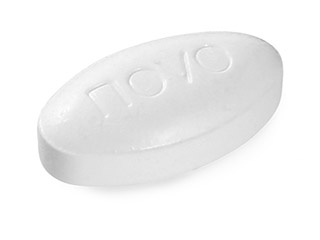
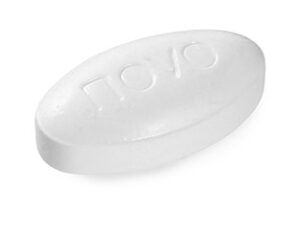
Rybelsus tablets come in different strengths. The exact strength you receive will depend on your treatment plan and how your body responds.
2. How Rybelsus works (mechanism of action)
Semaglutide is a GLP-1 receptor agonist. GLP-1 (glucagon-like peptide-1) is a natural hormone that helps regulate blood sugar.
- Stimulates insulin release from the pancreas when blood glucose is elevated.
- Reduces glucagon secretion when blood glucose is high, which helps lower liver glucose output.
- Slows gastric emptying, which can reduce post-meal blood sugar rises.
- Supports appetite regulation, which may help with weight reduction in some people.
By acting in these ways, Rybelsus helps improve blood sugar control over time.
3. Pharmacokinetics: what the body does to semaglutide
Pharmacokinetics describes how the medicine is absorbed, distributed, metabolised, and eliminated. Key practical points for Rybelsus include its absorption characteristics and its long action.
- Absorption: Rybelsus is absorbed from the small intestine, but absorption is significantly affected by food. That is why the tablet must be taken on an empty stomach and separated from meals and drinks (details below).
- Time to peak level: Semaglutide levels generally peak a few hours after dosing.
- Half-life: Semaglutide has a prolonged half-life, supporting once-daily dosing.
- Metabolism and elimination: Semaglutide is broken down via normal protein metabolic pathways (rather than relying heavily on kidney clearance). In most people, kidney impairment may require extra caution, but no “simple” one-size-fits-all rule applies—your prescriber will consider your health profile.
Your response to treatment can vary, especially in the first weeks while the dose is being adjusted.
4. Typical use in the UK
Rybelsus is used to improve glycaemic control in adults with type 2 diabetes. It may be used:
- as monotherapy when metformin is unsuitable or not tolerated, or
- as add-on therapy with other diabetes medicines where additional glucose lowering is needed.
Your care team will select the regimen based on factors such as your HbA1c, weight goals, other medicines, side-effect history, and cardiovascular risk.
5. Timing: the most important instruction for taking Rybelsus
Rybelsus works best when it is taken correctly every day. Food can reduce absorption, so timing matters.
How to take Rybelsus
- Take your dose once daily.
- Take it on an empty stomach, immediately in the morning.
- Swallow the tablet with a small amount of water (the exact amount should match the product instructions you were given).
- Wait at least 30 minutes before eating or drinking anything other than water.
- If you take other oral medicines, discuss the timing with a healthcare professional or pharmacist, because some medicines may need separation from meals or from Rybelsus.
If you miss a dose
- If you miss a dose and you notice later the same day, take it only if you can still follow the empty-stomach timing rules.
- If you are close to the next scheduled dose, skip the missed dose and continue as usual.
- Do not take a double dose to make up for the missed tablet.
For personal guidance, follow the instructions in your leaflet or ask your pharmacist.
6. Food interactions (and why they matter)
Semaglutide absorption from Rybelsus can be reduced when taken with food or certain drinks. This is the reason for the strict “empty stomach + wait before eating” routine.
- Do not take with food: Eating before or around the time of dosing may lower the medicine’s effectiveness.
- Morning routine recommended: Many people find it easiest to take it first thing in the morning.
- Water: Small amounts of water as directed are allowed, but follow the leaflet guidance.
- Changes in routine: If your schedule changes (shift work, travel), keep the key steps: empty stomach and waiting time before eating.
If you experience nausea or reflux, you may find the timing routine and slower eating helpful. Tell your healthcare professional if symptoms are bothersome.
7. Alcohol and medicine interactions
Alcohol does not usually have a direct chemical interaction with semaglutide in the way some medicines do, but it can still affect diabetes control and side-effect risk.
Alcohol considerations
- Blood sugar: Alcohol can cause blood sugar to rise or fall, depending on the type of alcohol, portion size, and whether you eat. This can make diabetes harder to manage.
- Risk of dehydration: Alcohol can contribute to dehydration, which matters if you develop nausea, vomiting, or diarrhoea.
- Stomach symptoms: Both alcohol and GLP-1 medicines can be associated with nausea or indigestion in some people.
Other medicine interactions
Some medicine combinations require extra caution, mainly due to effects on:
- Hypoglycaemia risk (especially when used with insulin or medicines like sulfonylureas)
- Gastrointestinal tolerability (because semaglutide slows stomach emptying)
- Oral medicine timing and absorption (because food can reduce absorption and stomach emptying may change how medicines are taken up)
If you take diabetes medicines other than metformin (for example insulin or sulfonylureas), ask your pharmacist or prescriber whether your doses need adjustment to lower the risk of low blood sugar.
8. Indications: what Rybelsus is used for
In the UK, Rybelsus is indicated for adults with type 2 diabetes mellitus to improve glycaemic control. Depending on your clinical circumstances, it may be selected for benefits beyond glucose lowering.
Your healthcare team will consider:
- baseline HbA1c and trends
- weight and metabolic profile
- other risk factors and existing cardiovascular disease
- current medications and side-effect history
The exact “how and when” you use Rybelsus depends on your overall care plan.
9. Dosing: starting low and adjusting
Rybelsus dosing commonly starts at a lower strength to improve tolerability, then increases gradually. The precise dose schedule should follow the treatment plan provided with your prescription and the approved product information.
Typical titration approach (general)
- Start: A lower starting dose is used first.
- Increase: Dose is increased stepwise after at least the minimum recommended interval.
- Maintenance: A stable dose is used once an effective and tolerable level is reached.
If you experience side effects such as nausea, it may be necessary to delay an increase or adjust the approach—speak to your clinician rather than changing the dose yourself.
When to take extra care
- If you are new to GLP-1 medicines and feel unwell, avoid abrupt changes to your diet or dosing schedule.
- If you have vomiting or diarrhoea, contact your healthcare professional, especially if you feel dizzy or cannot keep fluids down.
- If you have kidney disease, dehydration can worsen kidney function—seek advice early if you become dehydrated.
10. Safety profile: common and important risks
Like all medicines, Rybelsus can cause side effects. Many are mild to moderate and improve as your body adjusts. However, some effects require urgent medical attention.
Common side effects
- Nausea
- Diarrhoea or constipation
- Vomiting
- Indigestion / heartburn (gastro-oesophageal reflux)
- Decreased appetite
- Abdominal discomfort
These gastrointestinal effects are often dose-related and more likely early in treatment or after dose increases.
Low blood sugar (hypoglycaemia)
Rybelsus alone has a relatively low risk of causing hypoglycaemia, but the risk increases when combined with other glucose-lowering medicines, especially:
- insulin
- sulfonylureas (e.g., gliclazide, glimepiride, glibenclamide)
Symptoms of low blood sugar can include sweating, shaking, palpitations, hunger, dizziness, confusion, or feeling weak. If you are at risk, ensure you have a plan for how to respond and when to seek help.
Serious warning signs (seek urgent medical advice)
- Symptoms of pancreatitis: severe, persistent upper abdominal pain (sometimes radiating to the back), with or without vomiting.
- Severe allergic reactions: swelling of the face/lips, difficulty breathing, or widespread rash.
- Severe dehydration from ongoing vomiting or diarrhoea: dizziness, fainting, very dark urine, inability to keep fluids down.
- Gallbladder problems: significant right upper abdominal pain, fever, or yellowing of the skin/eyes may require prompt assessment.
This is not a complete list. Refer to your leaflet for full safety information.
Who should take extra caution?
Discuss your medical history with a healthcare professional if you have:
- a history of pancreatitis
- severe gastrointestinal disease
- kidney problems (dehydration can be a concern)
- diabetic eye disease (some people may require monitoring when glucose control changes)
- any symptoms suggesting thyroid growths or endocrine concerns (GLP-1 medicines have specific contraindications and cautions)
11. Practical use tips (to get the best results)
- Set a daily routine: Choose a consistent time you can reliably take it on an empty stomach.
- Use plain water: Take with the water amount specified in the leaflet. Avoid taking with other drinks.
- Start with smaller meals: Many people find nausea improves when meals are smaller and less fatty.
- Go slowly with changes: If increasing dose, pay attention to how your stomach feels before making major diet changes.
- Hydrate: If you get mild nausea, frequent small sips of water can help.
- Monitor blood glucose if advised: Especially if you use insulin or sulfonylureas, or if you’re at risk of hypoglycaemia.
- Keep follow-up appointments: HbA1c testing and dose decisions depend on your response over time.
If you miss doses or don’t follow the timing rules due to travel or illness, let your clinician know—effective diabetes control depends on consistent use.
12. Missed dose and “what if I feel unwell?” guidance
If you feel nauseated
- Try smaller, simpler meals and avoid very fatty or large portions.
- Keep to the dosing instructions—do not change timing to “fix” nausea without advice.
- If symptoms are severe, persistent, or you cannot keep fluids down, seek medical advice.
If you vomit after taking Rybelsus
Vomiting may mean the tablet was not absorbed fully, but it’s not always clear. Follow your leaflet guidance on missed doses or contact your pharmacist for individual advice.
13. Alternative options in the UK
If Rybelsus isn’t suitable or doesn’t provide enough benefit, there are other medication options for type 2 diabetes. Choice depends on your medical history, current medicines, and treatment goals.
Alternative GLP-1 receptor agonists
- Injectable GLP-1 receptor agonists (examples include agents with weekly or daily schedules).
- Some may have different side-effect profiles, dosing frequencies, and cardiovascular evidence depending on the specific product.
Other glucose-lowering medicine classes
- Metformin (often first-line, if tolerated)
- SGLT2 inhibitors (which help glucose loss via urine)
- DPP-4 inhibitors
- Sulfonylureas
- Insulin (if needed for glycaemic control)
In many cases, clinicians may also consider combinations of medicines to address both glucose control and other health risks. Discuss with your healthcare team which option fits you best.
14. Rybelsus in the UK: market and legal context
Rybelsus is available in the UK as a prescription medicine. Availability, prescribing decisions, and supply can be influenced by:
- national guidance and local formularies
- clinical eligibility criteria and commissioning policies
- supply and distribution schedules
- changes to indications or product information following regulatory reviews
Prescribers in the UK follow evidence-based recommendations and regulatory requirements set by authorities including the MHRA (Medicines and Healthcare products Regulatory Agency).
Recent guidance (general overview)
Diabetes care in the UK is shaped by guidance from organisations such as NICE (National Institute for Health and Care Excellence) and professional diabetes societies. Guidance may update over time regarding which patients may benefit most from GLP-1 therapies, particularly in people with additional cardiovascular risk.
If you want the latest locally relevant summary, ask your GP practice, diabetes specialist team, or check current NICE diabetes technology and treatment recommendations.
15. Delivery and availability (online pharmacy)
Availability can vary depending on local stock levels and supply routes. Most online pharmacies aim to dispatch orders promptly, but delivery times may be affected by:
- stock availability and prescription fulfilment processes
- carrier schedules
- public holidays and peak demand
Typical customer-friendly expectations for delivery may include:
- an estimated delivery timeframe shown at checkout
- tracking information once dispatched
- secure packaging to help protect tablets during transit
If you are travelling, plan ahead so you don’t run out. Taking fewer doses than advised can affect blood sugar control.
16. Storage information
- Store tablets according to the instructions on the packaging.
- Keep out of the sight and reach of children.
- Do not use after the expiry date stated on the box.
- Protect from excessive moisture and heat unless the packaging specifies otherwise.
17. FAQ
Is Rybelsus the same as Ozempic?
Both contain semaglutide, but they are formulated differently and may be taken via different routes. Rybelsus is taken as an oral tablet, while some other semaglutide products are injectable. Your treatment plan will be tailored to you.
How quickly will I see results?
Many people notice improvements in blood sugar within days to weeks, while HbA1c changes typically reflect longer-term control. Dose titration takes time, so benefits may build gradually.
Can I take Rybelsus with tea or coffee?
Ideally, take the tablet with the small amount of water as directed, then wait the minimum period before consuming other drinks. Tea and coffee are considered drinks other than water, so follow the “wait before eating or drinking” instruction.
What if I forget to wait 30 minutes before breakfast?
Food and some drinks can reduce absorption. If you realise soon after eating, contact your pharmacist for advice on what to do next. In general, the best approach is to restart next day with correct timing.
Will Rybelsus help me lose weight?
Some people experience weight loss with semaglutide due to appetite changes and slower gastric emptying. Weight response varies; it is not guaranteed and should not replace diet and activity recommendations.
Can I drive or operate machinery?
Rybelsus itself is not typically associated with impaired driving ability. However, if you develop low blood sugar (more likely if combined with insulin or sulfonylureas), you may feel dizzy or confused. If you have symptoms of hypoglycaemia, avoid driving until you feel well.
Is it safe if I have kidney problems?
Many people with kidney impairment can take semaglutide, but individual risk varies. Dehydration from vomiting or diarrhoea can worsen kidney function, so seek early advice if you become unwell.
Are there any dietary recommendations?
Eating smaller portions, reducing high-fat meals, and prioritising hydration can help with gastrointestinal side effects. Always keep to diabetes-friendly meal planning provided by your clinician or dietitian.
What should I do if I suspect an overdose?
If you think you may have taken too many tablets, seek urgent medical advice or contact a healthcare professional immediately. Keep the medicine packaging available to provide accurate information.
Summary
Rybelsus (semaglutide) is an oral GLP-1 receptor agonist used to help control blood sugar in adults with type 2 diabetes. Its effectiveness depends heavily on correct daily timing: take it on an empty stomach with water, and wait before eating. As with all medicines, it can cause side effects—most commonly gastrointestinal symptoms—and it may raise hypoglycaemia risk when used with insulin or sulfonylureas. If you have questions about interactions, dosing, or side effects, speak with a healthcare professional or pharmacist.