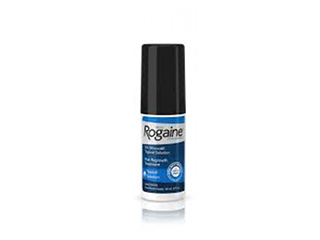

Rogaine (Minoxidil) — Patient Information (UK)
Rogaine is a well-known brand of minoxidil used to help treat certain types of hair loss. In the UK, minoxidil is available as an over-the-counter medicine (for eligible products and strengths) and is commonly used by people who want to improve hair growth at the scalp. This guide explains how Rogaine works, how to use it, what to expect, and key safety information.
Quick product overview
| Category | Details |
|---|---|
| Medicinal ingredient | Minoxidil |
| Common forms | Topical solution or foam (strength depends on product) |
| Main use | Hair loss (commonly androgenetic alopecia / pattern hair loss) |
| Typical time to results | Often 3–6 months; improvement may continue up to 12 months |
| How to apply | Applied to the scalp (do not swallow; use only as directed) |
| Availability in the UK | Typically available via pharmacies/online retailers for eligible strengths and packs |
What is Rogaine (minoxidil)?
Rogaine contains minoxidil, which is applied directly to the scalp where hair thinning occurs. Minoxidil is designed to support the regrowth of hair and can help slow further thinning in suitable individuals.
Minoxidil is not a “hair dye” or a shampoo. It is a medication that affects the hair growth cycle. Results vary between individuals, and the best outcomes generally come from consistent, correct use.
Indications (what it is used for)
In the UK, topical minoxidil products such as Rogaine are commonly indicated for:
- Androgenetic alopecia (pattern hair loss) in adults
- Male pattern baldness (typically thinning at the crown and/or frontal hairline, depending on the product indication)
- Female pattern hair loss (typically diffuse thinning over the top of the scalp)
If you have sudden patchy hair loss, hair loss after an illness, scarring, pain, scaling, or heavy itching, you should seek medical advice, as these may have different causes.
How minoxidil works (mechanism of action)
Minoxidil’s exact mechanism in hair growth is not completely understood, but it is known to influence several processes in the hair follicle:
- Prolongs the growth phase of the hair cycle, helping hairs stay in a growth-active stage for longer.
- May increase follicle activity and the size of miniaturised hair follicles in androgenetic alopecia.
- May enhance blood flow in the scalp, contributing to a more supportive environment for hair growth.
Because hair growth is cyclical, the effect is not immediate. Existing hairs may shed before visible regrowth appears.
Pharmacokinetics (how the body handles minoxidil)
After topical application to the scalp, minoxidil is absorbed through the skin to a limited extent. Key points include:
- Absorption: Systemic absorption is generally low, but it can increase with larger application amounts, more frequent use, broken/irritated skin, or extensive scalp treatment.
- Distribution: Minoxidil can reach the bloodstream and may be distributed throughout the body.
- Metabolism: Minoxidil is metabolised primarily in the liver.
- Elimination: The medicine and its metabolites are removed from the body mainly via the kidneys.
These pharmacokinetic principles explain why using more than the recommended dose does not improve results and may increase the risk of side effects.
Typical use and expected timeline
Starting and continuing treatment
Rogaine is typically used as a long-term treatment. Pattern hair loss is an ongoing process; stopping minoxidil usually leads to a gradual loss of newly grown hair over time. If you stop, your hair growth may gradually return toward its pre-treatment state.
When you can expect results
- First signs: Some people notice changes around 3–4 months.
- More noticeable regrowth: Often between 4–6 months.
- Best results: May take up to 12 months of consistent use.
- Initial shedding (possible): A temporary increase in shedding can occur in the first few weeks, as part of the hair cycle.
If there is no improvement after 6–12 months (depending on product and expectations), it is reasonable to discuss options with a healthcare professional.
Timing and how to apply (dosing guidance)
Dosing can vary depending on the product strength and whether it is a solution or foam. Always follow the instructions that come with your specific Rogaine pack.
General steps for practical use
- Prepare the scalp: Apply to a dry scalp unless your leaflet instructs otherwise.
- Measure the dose: Use the provided applicator or measuring system.
- Part hair if needed: Ensure the product reaches the scalp.
- Apply to the thinning areas: Spread gently using the applicator. Avoid getting it on the hairline where it may run.
- Wash hands after use: Unless the product leaflet advises otherwise.
- Allow to dry: Let the scalp absorb/dry before styling.
Typical daily frequency
Many minoxidil regimens for pattern hair loss are either once or twice daily depending on the product strength and formulation. Common patterns include:
- Once daily regimens (often associated with specific strength foams/solutions)
- Twice daily regimens (often for certain solution strengths)
To stay safe and get the best effect, use the dose and frequency stated on your product label.
How long until you can wash hair or shower?
After applying, allow time for the product to dry. A typical approach is to wait at least a few hours before washing/styling, or to follow the leaflet for your exact product. Avoid applying just before sleeping if your product tends to transfer onto pillows unless you have a plan to protect bedding.
Food interactions
Because Rogaine is applied to the scalp, food interactions are not typically expected. The medicine is not swallowed, and systemic exposure is usually limited.
However, always consider that side effects can occur if the product is used incorrectly. If you have conditions affecting circulation or use interacting medicines, it is worth discussing with a pharmacist or clinician.
Alcohol and medicine interactions
Alcohol
Many topical minoxidil formulations contain alcohol as part of the vehicle. This can sometimes:
- Cause dryness or irritation in some users
- Produce a stinging sensation on broken skin
- Increase scalp sensitivity if you already have dermatitis
There are no specific “dangerous” interactions between minoxidil and drinking alcohol reported for typical use, but general caution is sensible. If you notice worsening dizziness, palpitations, or light-headedness, seek advice promptly and stop using until you are assessed.
Other medicines (potential interactions)
Systemic absorption is usually low, but interactions are still possible, especially if you use more than recommended, apply to damaged skin, or treat a very large area. Talk to a pharmacist if you take any of the following categories:
- Other blood pressure medicines (including vasodilators and antihypertensives) — theoretical increased risk of lower blood pressure in susceptible people
- Medicines affecting blood pressure or the cardiovascular system
- Other topical products used on the scalp (e.g., strong corticosteroids, retinoids, or irritating gels) — these may affect skin integrity and absorption
If you experience symptoms such as unusual dizziness, fainting, chest pain, or rapid heartbeat, stop treatment and get urgent medical advice.
Safety profile and side effects
Common local side effects
Most side effects relate to the skin where minoxidil is applied:
- Scalp irritation (redness, itching, dryness)
- Flaking or dandruff-like scaling
- Burning or stinging sensation, especially if the scalp is sensitive
- Dryness around hairline
- Hair shedding early on (often temporary)
Less common systemic side effects
Because absorption is usually limited, systemic effects are less common, but can occur. Seek advice if you notice:
- Low blood pressure symptoms (dizziness, light-headedness)
- Fast heartbeat, palpitations
- Fluid retention (swelling in the hands/feet)
- Headaches or unusual fatigue
Allergic reactions (stop and get help)
Stop using Rogaine and seek urgent medical advice if you develop signs of a serious allergy such as:
- Swelling of the face, lips, or throat
- Difficulty breathing
- Severe rash or widespread hives
Who should be extra cautious?
- People with known cardiovascular disease (especially if it affects blood pressure or rhythm)
- Anyone with sensitive or damaged scalp skin
- People using other medicines that lower blood pressure
- Children and adolescents — minoxidil products are generally not intended for this group unless specifically directed by a clinician
Practical tips for getting the best results
- Be consistent: Use it at the same time each day.
- Use the correct amount: More is not better; excess can increase side effects.
- Apply to the scalp: Part hair and apply directly to the areas where hair is thinning.
- Don’t stop at the first shed: Early shedding can happen as new growth starts.
- Protect your hair and bedding: Consider timing your application to avoid transfer.
- Avoid applying on irritated skin: If you have dermatitis, treat it (with pharmacist guidance) before continuing.
- Track progress: Take photos every month under similar lighting to monitor changes.
If you feel the product is worsening scalp symptoms, review your technique (amount and area), ensure skin is clean and dry, and consider speaking to a pharmacist for suitability advice.
Special considerations
If you forget a dose
If you miss an application, apply it when you remember unless it is close to the next scheduled dose. Do not apply extra to make up for the missed dose.
How to stop safely
Stopping minoxidil usually leads to gradual loss of the regrown hair over time. If you plan to stop, consider discussing with a healthcare professional—especially if you experience any persistent side effects.
Scalp conditions
Minoxidil works on the skin and hair follicles. Scalp inflammation, infection, or open skin can increase irritation and absorption. Do not apply to infected areas.
Alternative options (UK)
Hair loss treatments depend on the cause (androgenetic alopecia, telogen effluvium, alopecia areata, etc.). If Rogaine isn’t suitable or you want alternatives, pharmacy and clinic options may include:
- Other topical minoxidil brands/formulations (same active ingredient, different vehicles)
- Oral finasteride or other systemic options for eligible adults, usually under professional guidance
- Low-level laser therapy (LLLT) devices (non-medicinal supportive option; evidence varies)
- Scalp-focused skincare if irritation or dandruff is present
- Hair transplantation for suitable candidates
- Camouflage and styling (wigs, fibres, styling strategies) while treatments take effect
The “best” choice depends on your pattern of hair loss, age, medical history, and tolerance. A pharmacist can help you choose the right next step.
Market and legal context in the United Kingdom
In the UK, minoxidil products used for hair loss are regulated medicines and are supplied under rules designed to ensure quality and safe use. Availability can differ by:
- Strength and formulation (for example, solution versus foam)
- Indicated patient groups (e.g., male/female product labelling)
- Pharmacy supply practices and product packaging
Many minoxidil hair-loss products are sold through pharmacies and online pharmacy services where permitted. Guidance may also evolve with new evidence, product licensing, and safety updates.
Recent guidance and practical compliance
Current patient-facing guidance typically emphasises:
- Using the correct dose and not exceeding recommended application
- Setting realistic expectations (results often take months)
- Recognising and managing scalp irritation
- Being alert to systemic symptoms and stopping treatment if they occur
Always follow the instructions in your specific product leaflet and consult a healthcare professional if you are unsure.
Delivery and availability (UK online pharmacy)
Rogaine (minoxidil) is commonly stocked by UK pharmacies and authorised online retailers. Delivery timelines vary by provider and your location within the UK, and may depend on:
- Product availability (pack size and strength)
- Courier service times
- Order processing and cut-off times
When ordering online, check that the product is the correct type for your needs (e.g., the intended strength/formulation and the indicated population as per the label). If you are unsure which option fits your situation, a pharmacist can help you choose the most suitable product.
How to use Rogaine responsibly
- Keep away from eyes and mouth: Rinse with cool water if accidental contact occurs.
- Don’t ingest: Minoxidil is for topical scalp use only.
- Avoid applying to broken skin: Use on healthy scalp unless advised otherwise.
- Wash hands: Prevent accidental transfer to other body areas.
- Protect children and pets: Store securely and out of reach.
FAQ
1) Does Rogaine work for everyone?
Not everyone responds the same way. Rogaine is most effective for pattern hair loss in suitable adults. Results depend on factors like the extent and duration of hair thinning, consistent use, and individual biology.
2) How long does it take to see results?
Many people notice early changes after 3–4 months, with more visible improvement typically around 4–6 months. Best results may take up to 12 months. Hair shedding early on can occur and may be temporary.
3) Should I keep using it if I start shedding?
Early shedding can be part of the hair cycle. In many cases, it settles after the first few weeks. If shedding becomes severe or you develop significant scalp irritation, stop and seek advice from a pharmacist or clinician.
4) Can I use Rogaine with hair styling products?
You can usually style your hair after the product has fully dried. To reduce irritation and transfer, apply Rogaine at times that let it dry before using sprays, gels, or heat styling.
5) Can I wash my hair the same day?
Follow the specific instructions for your product. Generally, you should allow the medicine to dry and avoid washing immediately after application.
6) Is it safe to use if I have dandruff or an itchy scalp?
Mild flaking can occur as a side effect. If you have significant dandruff, itching, or skin inflammation, it’s best to address the cause first and ensure the scalp is not infected or severely irritated. A pharmacist can help you decide whether to continue or pause.
7) Can women use Rogaine?
There are minoxidil products labelled for women. Always select the correct labelled product strength and follow the leaflet instructions.
8) Can I drink alcohol while using Rogaine?
There are no well-established direct interactions between topical minoxidil and alcohol. However, some formulations contain alcohol and may irritate the scalp. If you experience dizziness, palpitations, or other concerning symptoms, stop and seek medical advice.
9) What if I stop using Rogaine?
Hair regrowth may gradually fade, and you may return toward your previous pattern of thinning over time. Consistent long-term use is usually needed to maintain effects.
10) When should I seek urgent help?
Seek urgent medical advice if you develop signs of serious allergy (swelling, difficulty breathing) or systemic symptoms such as fainting, chest pain, severe dizziness, or rapid heartbeat.
This information is intended to help you understand Rogaine (minoxidil). For individual advice—especially if you have other health conditions, take medicines regularly, or have scalp problems—speak to a pharmacist or qualified healthcare professional.