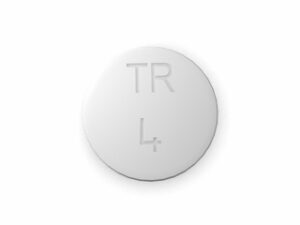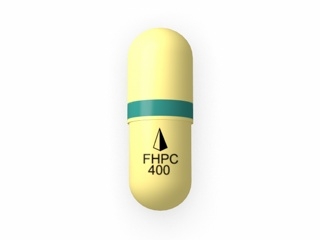


Ponstel (Mefenamic Acid) – Patient Information (UK)
Ponstel is a brand of mefenamic acid, a non-steroidal anti-inflammatory drug (NSAID). It is commonly used to help relieve pain and inflammation, particularly for certain types of short-term pain such as period pain. This page explains how Ponstel works, how it’s typically used, important safety information, and practical advice to help you use it more effectively and safely in the United Kingdom.
Basic product information
| Item | Details |
|---|---|
| Medicine | Ponstel |
| Active ingredient | Mefenamic acid |
| Drug type | NSAID (painkiller/anti-inflammatory) |
| Common uses | Painful periods (dysmenorrhoea) and other short-term pain conditions as advised |
| How it’s taken | Usually by mouth, with water; dosing schedules vary by indication |
| Important note | Follow the instructions supplied with your product or those given by a healthcare professional |
How Ponstel works (mechanism of action)
Mefenamic acid is an NSAID. NSAIDs work by reducing the production of prostaglandins—chemical messengers involved in pain, fever and inflammation.
- Pain relief: Lower prostaglandins helps reduce pain sensitivity.
- Anti-inflammatory action: It can reduce inflammation and swelling.
- Period pain: Period pain is often linked with higher prostaglandin levels. By lowering these, mefenamic acid may reduce cramps and discomfort.
Pharmacokinetics (how the body handles it)
Understanding the basics of pharmacokinetics can help explain timing and dosing.
- Absorption: Mefenamic acid is absorbed after oral administration.
- Onset: Many people start to feel pain relief within about 1–2 hours, though individual response varies.
- Distribution: It distributes throughout the body and can bind to plasma proteins.
- Metabolism: It is metabolised primarily in the liver.
- Elimination: Metabolites are mainly excreted via urine and bile/faeces.
- Half-life: The effective duration depends on metabolism and the condition being treated; dosing schedules are designed to maintain symptom control while limiting exposure.
Tip: Because NSAIDs can irritate the stomach, taking the medicine with food (if appropriate for you) may help reduce discomfort.
What Ponstel is used for (indications)
In the UK, mefenamic acid is used for short-term relief of certain pain conditions. The most well-known indication is:
- Dysmenorrhoea (painful periods): Helps relieve menstrual cramps and associated pain.
It may also be used for other short-term pain problems where an NSAID is appropriate, as advised by your clinician or included in the product guidance. Your local supply may vary, so always confirm intended use with the information provided with your medicine.
Typical timing and how to take Ponstel
The exact dosing schedule can vary depending on the reason for use and your age and health status. Always follow the instructions on your pack and/or accompanying patient information.
Starting when pain begins
- For period pain, taking Ponstel at the onset of symptoms may work better than waiting until pain is severe.
- If you are unsure when to start, consider starting at the beginning of cramps/aching, unless your product instructions specify otherwise.
Consistency
- Take doses at the recommended intervals.
- If you miss a dose, take it when you remember unless it is close to your next dose. Do not take a double dose to catch up.
How to take it
- Swallow tablets with a full glass of water.
- Consider taking with food or after meals to reduce stomach upset.
- Avoid lying down immediately after taking it if you experience reflux or heartburn.
Dosing (general guidance for adults)
Important: Dosing depends on the condition being treated and your individual risk factors. The information below is a general overview. Always use your pack instructions or healthcare advice.
- Adults for painful periods: commonly prescribed schedules involve repeated doses over short periods, starting at symptom onset.
- Short-term use: NSAIDs are typically used at the lowest effective dose for the shortest necessary time.
If you require more specific dosing details for the exact tablet strength you have, refer to the leaflet supplied with your product or speak to a pharmacist. UK product strengths and formulations can differ.
Food interactions and what to eat or avoid
Food effects: Taking Ponstel with food may reduce the chance of stomach irritation such as nausea or indigestion. Food may also slow absorption slightly, which can influence how quickly you feel effects, but many people find the trade-off worthwhile for tolerability.
- Helpful: Taking with meals or snacks, especially if you have a sensitive stomach.
- Be cautious: If you take it on an empty stomach and you experience burning pain, nausea, or heartburn, switch to taking it with food (if allowed by your product instructions).
Gastrointestinal protection: If you have a history of stomach ulcers or bleeding, you may need additional protection or a different treatment plan. NSAIDs can worsen these risks.
Alcohol and medicine interactions
Alcohol
It’s generally advisable to avoid or minimise alcohol while taking NSAIDs.
- Alcohol can increase the risk of stomach irritation and gastrointestinal bleeding.
- Alcohol may also worsen drowsiness or make you feel more unwell if you experience dizziness.
Common medicine interactions
NSAIDs can interact with several medicine classes. Tell your pharmacist about all medicines you are taking, including over-the-counter products.
- Other NSAIDs (e.g., ibuprofen, naproxen, aspirin for pain): increased risk of stomach bleeding and kidney strain. Avoid combining unless specifically advised.
- Anticoagulants (e.g., warfarin, apixaban, rivaroxaban): higher bleeding risk.
- Antiplatelets (e.g., clopidogrel, aspirin): increased bleeding risk.
- SSRIs/SNRIs (e.g., sertraline, citalopram, venlafaxine): may increase risk of gastrointestinal bleeding.
- Corticosteroids (e.g., prednisolone): increased risk of stomach irritation/ulceration.
- Diuretics (e.g., furosemide) and ACE inhibitors/ARBs (for blood pressure): can affect kidney function when combined with NSAIDs.
- Lithium: NSAIDs may raise lithium levels.
- Methotrexate: NSAIDs may increase methotrexate toxicity.
- Digoxin: may increase digoxin levels.
- Kidney-impacting combinations: Taking NSAIDs with other medicines that affect kidneys can increase risk of kidney impairment.
Practical reminder: If you are taking any regular medicines, especially for heart, kidney, blood clotting, or mood, check with a pharmacist before using Ponstel.
Safety profile and who should be careful
Like all NSAIDs, mefenamic acid can cause side effects. Many people tolerate it well when used correctly, but it may not be suitable for everyone.
Common side effects
- Indigestion, heartburn
- Nausea or stomach discomfort
- Headache or dizziness
Serious side effects (seek urgent medical advice)
- Signs of stomach bleeding: vomiting blood, black/tarry stools, or severe abdominal pain
- Allergic reactions: swelling of face/lips, wheezing, rash or sudden difficulty breathing
- Severe skin reactions: blistering or widespread rash
- Kidney problems: reduced urination, swelling in ankles, unusual fatigue
- Chest pain or breathlessness: possible cardiovascular effects
- Unexplained bruising or bleeding: could indicate blood-related complications
People who may have higher risk
You should be particularly cautious (and may need an alternative) if you have any of the following:
- History of stomach ulcers or gastrointestinal bleeding
- Known heart disease, history of stroke or risk factors for cardiovascular events
- Kidney disease or dehydration
- Asthma that worsens with NSAIDs
- Severe liver disease
- Age extremes or frailty (higher sensitivity to side effects)
Practical use tips for safer, more effective relief
- Use the lowest effective dose: This reduces risk of side effects.
- Keep courses short: If symptoms persist or worsen, don’t extend use without advice.
- Stay hydrated: Dehydration increases kidney risk with NSAIDs.
- Avoid “stacking” NSAIDs: Don’t take Ponstel with ibuprofen/naproxen/aspirin (for pain) unless your prescriber instructs it.
- Consider timing with food: If you get stomach upset, take it with meals.
- Watch for interactions: Review all your medicines (including supplements) with a pharmacist if unsure.
- Track symptom response: If you don’t get relief after an appropriate trial, it may be time to reassess your treatment.
Alternative options
Depending on what you’re treating and your medical history, other options may be more suitable.
For period pain or mild-to-moderate pain
- Paracetamol (acetaminophen): Often gentler on the stomach; may help pain, though it may be less effective for cramp-related prostaglandin-driven pain compared with NSAIDs.
- Other NSAIDs: Some people respond to different NSAIDs (e.g., ibuprofen). However, they share similar risk profiles for stomach, kidney and cardiovascular effects.
- Non-medicine measures: Heat pads, rest, gentle exercise, and hydration can help.
When NSAIDs may be unsuitable
- History of ulcers/bleeding: Your clinician may recommend stomach-protective therapy or a non-NSAID approach.
- NSAID-sensitive asthma: Use caution—an alternative may be required.
- Frequent severe pain: It’s important to seek proper assessment, as persistent period pain may have an underlying cause.
Note: Alternatives should be chosen based on your condition and safety profile. A pharmacist can advise on suitable options you can buy in the UK and those that require clinician guidance.
Market and legal context in the United Kingdom
In the UK, medicines are regulated and monitored through the Medicines and Healthcare products Regulatory Agency (MHRA) and the National Health Service (NHS). NSAIDs like mefenamic acid are established medicines with widely recognised safety considerations.
- Regulation: Product availability and labelling are designed to comply with UK medicines regulations.
- Healthcare guidance: The NHS and professional bodies encourage using NSAIDs cautiously—especially in people at higher risk for stomach, kidney, or cardiovascular complications.
- Pharmacy advice: Where appropriate, pharmacists help ensure patients understand correct dosing, duration, and interactions.
Recent guidance and key safety messaging (UK-relevant)
Although individual product leaflets remain the primary source of instructions, general UK safety messaging for NSAIDs includes:
- Avoid unnecessary long-term use and use the lowest effective dose.
- Do not combine NSAIDs (including over-the-counter ibuprofen/naproxen) unless specifically instructed.
- Be alert to bleeding symptoms (black stools, vomiting blood) and stop the medicine if these occur and seek urgent advice.
- Consider higher-risk groups: older adults, those with ulcers, kidney disease, or cardiovascular risk should use NSAIDs only under appropriate supervision.
If you have persistent pain or heavy or unusually severe period symptoms, seek medical advice rather than relying on repeated NSAID courses.
Delivery and availability (online pharmacy UK)
Availability can vary depending on stock levels, dosage strength and current pharmacy supply. When you order online in the UK, typical expectations include:
- Order processing: Orders are usually processed within working hours.
- Delivery times: Many UK pharmacies offer delivery options such as standard and expedited services. Estimated delivery times are shown at checkout.
- Packaging: Medicines are supplied in manufacturer or pharmacy packaging with patient information included where required.
- Stock changes: If an item is temporarily unavailable, some pharmacies can offer alternatives or contact you regarding restocking.
Storage: Keep medicines in a cool, dry place, away from direct heat and moisture. Store out of reach of children.
FAQ: Ponstel (Mefenamic Acid)
1) How long does Ponstel take to work?
Many people feel pain relief within about 1–2 hours. If you don’t feel any improvement after the expected period, or if pain is severe, seek advice rather than taking more than directed.
2) Can I take Ponstel with food?
Yes. Taking it with food (or after meals) often reduces stomach upset. If your product instructions allow, a meal or snack can make side effects more manageable.
3) Can I take Ponstel with other painkillers?
Be cautious. Avoid combining Ponstel with other NSAIDs (such as ibuprofen or naproxen). Paracetamol is often used alongside for pain, but check for safety in your specific situation—especially if you have liver disease or drink alcohol regularly.
4) Is Ponstel safe for everyone?
No. People with a history of stomach ulcers/bleeding, kidney disease, significant heart problems, or NSAID-sensitive asthma may be at higher risk. A pharmacist can help check suitability based on your health background and current medicines.
5) What should I do if I miss a dose?
Take it when you remember unless it is nearly time for your next dose. Do not take a double dose to catch up.
6) What are the warning signs that I should stop and get urgent help?
Seek urgent medical advice if you notice signs of gastrointestinal bleeding (black stools or vomiting blood), severe allergic reactions (swelling, wheezing, rash with breathing difficulty), or symptoms suggesting kidney problems (reduced urination, marked swelling).
7) Can I drink alcohol while using Ponstel?
It’s best to avoid or minimise alcohol. Alcohol increases the risk of stomach irritation and bleeding when combined with NSAIDs.
8) Will Ponstel treat the cause of period pain?
Ponstel helps relieve symptoms by reducing prostaglandins and inflammation, but it does not address underlying causes of severe or unusual period pain. If you have new, worsening, or very heavy symptoms, consider seeking medical advice.
9) Are there alternatives if NSAIDs don’t suit me?
Yes. Options may include paracetamol, other non-NSAID strategies, or different treatments depending on your symptoms and risk factors. Heat and lifestyle measures can also help.
10) How should I store Ponstel?
Store at room temperature in a dry place, away from direct heat, sunlight and moisture. Keep out of sight and reach of children.
Summary
Ponstel (mefenamic acid) is an NSAID used for short-term pain relief, most notably painful periods. It works by reducing prostaglandins, which helps calm pain and inflammation. For best results and safety, use the lowest effective dose for the shortest time, take with food if needed, avoid combining with other NSAIDs, and be especially cautious if you have a history of stomach ulcers, kidney disease, asthma related to NSAIDs, or significant cardiovascular risk.