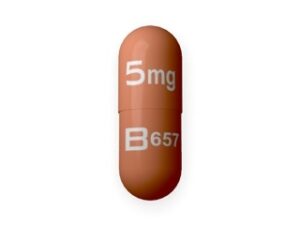
Pletal (Cilostazol) — Patient-Friendly Guide (UK)
Pletal contains the active ingredient cilostazol. It is a medicine used to improve walking ability in some people with impaired circulation to the legs. This page explains how Pletal works, how it is taken, what to expect, and important safety information.
Always read the leaflet that comes with your medicine. If you have questions about suitability for you, speak to a healthcare professional.
Quick facts
- Active ingredient: Cilostazol
- Common use: To improve walking distance in peripheral arterial disease (PAD) / intermittent claudication
- How it works: Helps keep blood flowing more easily and reduces “stickiness” of platelets
- How long it takes: Many people notice benefit after a few weeks, with gradual improvement over time
- Typical dosing form: Tablets (strength may vary by country/supplier)
What Pletal is used for (indications)
In the United Kingdom, cilostazol is used to treat symptoms caused by reduced blood flow to the legs, particularly:
- Intermittent claudication due to peripheral arterial disease (PAD): Pletal is intended to improve walking distance and walking performance in people who experience pain or cramping in the legs when walking.
It is important to note that PAD is a condition that can affect the heart and brain as well as the legs. Medicines, lifestyle measures, and regular follow-up are often part of a broader plan to reduce cardiovascular risk.
How Pletal works (mechanism of action)
Cilostazol works through several complementary actions that help improve circulation:
- Inhibits platelet aggregation: It reduces the tendency of blood platelets to clump together.
- Vasodilation (widens blood vessels): It helps relax blood vessel walls, improving blood flow to working muscles.
- May improve microcirculation: It can enhance blood flow at the small-vessel level, which may contribute to better walking tolerance.
By improving blood flow and reducing platelet-related blockage, cilostazol can increase the distance you can walk before symptoms start.
Pharmacokinetics (how the body handles it)
Pharmacokinetics describes how a medicine is absorbed, distributed, metabolised, and removed from the body. The information below is presented in a patient-friendly way.
Absorption
Cilostazol is absorbed after oral dosing. It is metabolised mainly by the liver.
Metabolism
Cilostazol is broken down by liver enzymes (notably CYP3A4 and CYP2C19). This is important because some medicines can alter cilostazol levels in your body.
Elimination
The body eliminates cilostazol and its metabolites through metabolism and subsequent excretion (largely via the liver/bile and urine).
Half-life (duration of effect)
Cilostazol has a relatively short-to-moderate half-life, which is one reason it is usually taken more than once a day.
Typical use and expected timing
Pletal is taken to improve walking distance in people with intermittent claudication. Improvement is often not immediate.
When you may notice benefit
- Early change: Some people notice improved walking within a few weeks.
- Full effect: Benefits may build gradually over time.
- If no benefit: If your symptoms do not improve, your clinician may reassess your treatment plan.
How to take it in daily life
Follow the schedule on your label and the instructions that came with your medicine. Many people find it helpful to choose fixed times (e.g. morning and evening) and link tablets to routines like breakfast and dinner.
Dosing (general guidance)
Cilostazol dosing can vary depending on formulation and country. In many settings it is commonly taken as a twice-daily regimen. The exact dose and strength should always be confirmed from your product packaging.
If you miss a dose, do not take a double dose to make up for it. Take the next dose at the usual time.
Food interactions: what to watch
Food can influence absorption of some medicines. For cilostazol, taking it consistently can help you get the most predictable effect.
- Take as directed: Follow the instructions on your pack regarding whether to take with or without food.
- Stomach sensitivity: If you experience nausea or stomach discomfort, taking the medicine with food (if permitted by your instructions) may help.
If you are unsure how to take your specific brand or strength, check the leaflet or speak to a pharmacist.
Alcohol and medicine interactions
Alcohol may worsen dizziness or headaches and can increase the chance of side effects for some people. There is no single rule that applies to everyone, but caution is sensible.
Alcohol
- Avoid heavy drinking.
- If you feel light-headed or your heart is racing, reduce or avoid alcohol and seek advice.
Important medicine interactions
Cilostazol levels and side effects can be affected by other medicines. Always tell your pharmacist about all medicines you take, including over-the-counter products and herbal preparations.
Of particular importance are medicines that can strongly affect liver enzymes (especially CYP3A4 and CYP2C19). Examples of interaction categories include:
- Strong inhibitors of CYP3A4 (may raise cilostazol levels and increase side effects)
- Some antiplatelet or anticoagulant medicines (may increase bleeding risk)
- Other medicines metabolised by the liver (may change how cilostazol is processed)
In addition, cilostazol has antiplatelet activity, so combining it with other medicines that affect clotting may increase bleeding concerns.
Safety profile and possible side effects
Like all medicines, Pletal (cilostazol) can cause side effects. Not everyone gets them. Many side effects are mild to moderate and improve as your body adjusts.
Common side effects
- Headache
- Dizziness
- Fast heartbeat (palpitations) or increased heart rate
- Nausea or stomach upset
- Diarrhoea
- Flushing (warmth/redness)
Serious side effects — seek urgent advice
Contact urgent medical help if you have signs of serious bleeding, severe allergic reactions, or chest symptoms. For example:
- Unusual bleeding (e.g. vomiting blood, black stools, blood in urine)
- Severe rash, swelling of face/lips, or trouble breathing
- Chest pain or severe breathlessness
- Fainting or severe dizziness
Who needs extra caution
Cilostazol may not be suitable for everyone. Extra caution is needed if you have:
- Heart rhythm problems or a history of certain cardiac conditions
- Heart failure (cilostazol is generally avoided in people with heart failure)
- Active bleeding or a high risk of bleeding
- Severe liver or kidney problems
- Low blood pressure or tendency to dizziness
Practical tips for using Pletal
- Build a walking routine: Cilostazol may help, but structured exercise and walking training are often beneficial for PAD. Ask a clinician or physiotherapist about a plan appropriate for you.
- Track your symptoms: Note how far you can walk before pain starts, and whether walking feels easier over time.
- Stay hydrated: Dehydration can worsen dizziness and headaches.
- Be mindful of palpitations: If you feel your heart racing, stop and seek advice—especially if symptoms persist.
- Avoid sudden changes: Don’t stop or change dose without advice, particularly if you’re also taking other cardiovascular medicines.
- Check your medicines: Before starting new products (including ibuprofen, aspirin, and supplements), ask your pharmacist about bleeding risk and interactions.
Alternative options for intermittent claudication (UK)
Treatment for PAD often includes a combination of lifestyle measures and medicines. Alternatives to cilostazol may include:
Non-medicine options
- Supervised exercise therapy (often first-line for improving walking tolerance)
- Smoking cessation support (where relevant)
- Foot care and skin checks if you have reduced circulation
Medicine alternatives or add-ons
- Antiplatelet therapy (to reduce cardiovascular risk in PAD)
- Cholesterol-lowering medicines (e.g. statins)
- Blood pressure and diabetes control (to slow disease progression)
- Other PAD symptom treatments may be considered depending on local practice and your overall health profile.
The best choice depends on your symptoms, other medical conditions, and medicines. A clinician can help tailor treatment.
Market and legal context in the United Kingdom
In the UK, access to medicines is regulated to help ensure safe supply and appropriate use. Availability can depend on whether a medicine is classified as a prescription-only medicine or otherwise.
For online pharmacy services, reputable suppliers will include:
- Clear product details and manufacturer information
- Patient information leaflets or equivalent guidance
- Appropriate suitability checks through a pharmacy professional where required
- Secure delivery and tracking options
Guidance on PAD management continues to evolve. UK clinicians typically follow evidence-based pathways and consider the latest recommendations when choosing treatment.
Recent guidance and monitoring (general)
While specific recommendations can vary over time, current UK practice commonly emphasises:
- Cardiovascular risk reduction (PAD is a marker of wider vascular disease)
- Supervised exercise as a key component of improving symptoms
- Review of benefits vs side effects after an initial period
- Careful review of co-existing conditions that may affect safety
If you’re taking cilostazol, it’s sensible to attend scheduled review appointments so your response can be assessed and your overall plan optimised.
Delivery and availability from UK online pharmacies
Availability of Pletal may vary between suppliers depending on stock levels and manufacturer shipments. Many reputable UK online pharmacies offer:
- UK delivery options with tracked postage where available
- Clear dispatch times shown at checkout
- Packaging designed to protect tablets
- Customer support via email or phone
Delivery times can depend on your location and whether the medicine is held in local stock. If you require the medicine urgently, contact customer support before placing an order.
FAQ about Pletal (cilostazol)
1) What is Pletal used for?
Pletal (cilostazol) is used to improve walking distance in people with intermittent claudication caused by peripheral arterial disease.
2) How quickly will I feel better?
Some improvement may be noticed after a few weeks, with gradual benefit over time. If you do not notice any change, your overall treatment plan may need reassessment.
3) How should I take it—morning and evening?
Many cilostazol regimens are taken twice daily. Follow your label instructions for your specific strength and schedule.
4) Can I take Pletal with food?
Follow the instructions from your leaflet or label. If your stomach feels unsettled, taking it with food (where permitted) may make it easier to tolerate. Keep timing consistent.
5) What foods or drink should I avoid?
There are no specific “banned” foods, but consistency is helpful. If your leaflet advises particular restrictions, follow those. Limit alcohol and avoid heavy drinking.
6) Does Pletal interact with other medicines?
Yes. Cilostazol can interact with medicines that affect liver enzymes and with other medicines that influence bleeding risk. Tell your pharmacist about all medicines you take, including over-the-counter products and herbal remedies.
7) Is it safe with alcohol?
Moderate alcohol may be tolerated by some people, but heavy drinking can increase dizziness and other side effects. Use caution and stop drinking if you feel unwell; ask a pharmacist if you’re unsure.
8) What side effects are most common?
Headache, dizziness, palpitations or increased heart rate, nausea, diarrhoea, and flushing are among the more common effects.
9) When should I get urgent help?
Seek urgent medical advice for signs of serious bleeding, severe allergic reactions, chest pain, fainting, or severe or persistent symptoms like significant breathlessness.
10) What are the main alternatives to cilostazol?
Alternatives may include supervised exercise programmes, antiplatelet therapy to reduce cardiovascular risk, cholesterol-lowering treatment, and optimisation of blood pressure and diabetes control. Your clinician can discuss options tailored to you.
11) How should I store Pletal tablets?
Store tablets in their original packaging and keep out of the sight and reach of children. Follow the storage conditions on the pack (for example, temperature and protection from moisture).
Summary table (at a glance)
| Topic | Key point |
|---|---|
| Medicine | Pletal (cilostazol) |
| Use in the UK | Improves walking distance in intermittent claudication due to PAD |
| How it works | Reduces platelet clumping and helps blood vessels relax |
| Onset of benefit | May take a few weeks; improvement can be gradual |
| Typical schedule | Often twice daily (follow your label) |
| Food | Take consistently as instructed; food may help reduce stomach upset (if allowed) |
| Alcohol | Limit and be cautious—can worsen dizziness and headaches |
| Interactions | Other medicines can affect cilostazol levels and bleeding risk |
| Common side effects | Headache, dizziness, palpitations, nausea/diarrhoea, flushing |
| Urgent concerns | Serious bleeding, severe allergic reaction, chest pain, fainting |
If you have any doubts about whether Pletal is suitable for you, speak to a healthcare professional or a pharmacist. They can help assess your symptoms, review your medicines, and advise on the safest way to use cilostazol.