
Molnunat (Molnupiravir) — Patient Information (UK)
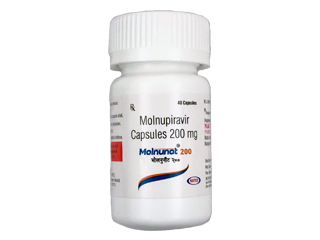
Molnunat is a brand of molnupiravir, an antiviral medicine used to treat certain cases of COVID-19. It is designed to reduce the amount of virus in the body and lower the risk of the illness becoming more severe. This page explains how Molnunat works, how it’s used, what to watch for, and practical guidance for safe use in the United Kingdom.
Important: This information is for general guidance. Your healthcare professional may advise different timings or precautions based on your individual situation. Always follow the instructions provided with your medicine.
Key product information
| Topic | Details |
|---|---|
| Medicine | Molnunat (molnupiravir) |
| Medicinal type | Direct-acting antiviral (for COVID-19) |
| How it is taken | Oral capsules |
| Usual treatment course | Typically 5 days |
| When it works best | Early in illness (as soon as possible after COVID-19 diagnosis) |
| Common counselling themes | Pregnancy and fertility considerations, contraception, and avoiding alcohol/possible interactions |
What is Molnunat used for?
Molnunat is used to treat COVID-19 in adults who are at higher risk of developing severe illness. The aim is to reduce progression to serious disease such as hospitalisation.
Eligibility depends on clinical factors and current UK guidance at the time of treatment. Availability and prescribing decisions can vary based on the latest recommendations.
Indications (who it may be considered for)
- Adults with mild to moderate COVID-19 who are at increased risk of complications.
- Situations where early antiviral treatment is appropriate.
Your clinician will assess whether Molnunat is suitable compared with other options. Factors may include underlying health conditions, current medications, kidney and liver function, and timing from symptom onset.
How Molnunat works (mechanism of action)
Molnupiravir is a nucleoside analogue antiviral. After you take it by mouth, it is converted in the body to an active form that interferes with the way the virus replicates.
In simple terms, Molnupiravir can cause errors in viral genetic material during replication. This leads to a malfunctioning viral process and reduces the ability of the virus to multiply effectively. Ultimately, this helps lower viral load and may reduce the risk of the illness worsening.
Pharmacokinetics (how the body handles it)
Pharmacokinetics describes absorption, distribution, metabolism, and elimination. While individual levels can vary, the general patterns below help explain why timing is important.
Absorption and conversion
- Molnupiravir is converted in the body to an active ribonucleoside triphosphate.
- The antiviral effect depends on achieving sufficient active metabolite concentrations during the replication phase.
Distribution
The active metabolites are distributed throughout the body, with the aim of reaching relevant tissues where viral replication occurs. Exact distribution can vary between individuals.
Metabolism and elimination
- The active compound is rapidly processed by normal metabolic pathways.
- Elimination occurs mainly through metabolic breakdown products cleared by the body.
Because viral replication is most intense early in infection, Molnunat is most effective when started as soon as possible after diagnosis.
Typical dosing and timing
The commonly used adult regimen for molnupiravir is designed for a short, fixed course. Exact instructions should always come from the product packaging and healthcare team.
Typical adult dose
- 5 days of treatment
- Oral dosing in multiple daily intakes across the day
Timing from symptom onset is crucial. Many treatment pathways focus on starting within the first few days of symptoms. If you think you are eligible, contact the appropriate service promptly so treatment can begin early.
When should you start?
- Start as early as possible after you have a confirmed COVID-19 diagnosis.
- Do not wait for symptoms to worsen.
What if you miss a dose?
- Take the next dose at the usual time.
- Do not take extra capsules to make up for a missed dose.
- If you’re unsure, ask your pharmacist or clinician for guidance.
Food interactions: can you take Molnunat with meals?
Molnunat can generally be taken with or without food, but individual product instructions may vary. If you experience stomach upset, taking it with food may help.
- Consistency helps: try to take each dose at roughly the same times each day.
- Stay hydrated: drink fluids regularly, especially if you also have fever, reduced appetite, or diarrhoea.
If you’re taking other medicines, it’s good practice to separate very specific interacting drugs if your clinician or pharmacist advises it. For most patients, no special dietary restrictions are required solely because of molnupiravir.
Alcohol and medicine interactions
There is no single universal rule that alcohol must be completely avoided with every course of molnupiravir. However, because alcohol can worsen dehydration, impair immune response, and increase side effects such as nausea or dizziness, it’s generally sensible to limit or avoid alcohol during the 5-day treatment period and while you are unwell.
Alcohol-related safety considerations
- Alcohol may worsen fatigue, nausea, and sleep disruption.
- If you are experiencing vomiting or diarrhoea, alcohol can aggravate dehydration.
- If you have liver disease or take multiple medicines, your risk of adverse effects may be higher.
Other medicine interactions
Molnupiravir has fewer clinically significant interactions than some other COVID-19 antivirals, but interactions can still occur. Tell your healthcare professional about all medicines you take, including:
- Prescription medicines
- Over-the-counter products (including cold/flu remedies)
- Herbal supplements
- Vitamins, minerals, and performance supplements
Your pharmacist can check for potential interaction risks, particularly if you take medicines that affect metabolism enzymes or if you have complex medical conditions.
Safety profile: common side effects and when to seek help
Like all medicines, Molnunat can cause side effects. Many people experience none or mild effects, but it’s important to know what is normal and what requires urgent advice.
Common side effects (may include)
- Nausea
- Diarrhoea
- Dizziness
- Headache
- Vomiting (less commonly)
Serious risks and urgent symptoms
You should seek urgent medical help if you develop symptoms that could indicate a severe allergic reaction or worsening illness.
- Swelling of the face, lips, tongue, or throat
- Difficulty breathing or wheezing
- Severe rash or widespread blistering
- Chest pain, severe shortness of breath, confusion, or blue/grey lips or face
If you are worried that your COVID-19 symptoms are worsening quickly, contact your local urgent care services or NHS guidance.
Pregnancy, fertility, and contraception (important UK guidance)
Molnupiravir has specific cautions related to pregnancy and reproductive safety. This is one of the key reasons why eligibility and risk–benefit assessment are important.
If you are able to become pregnant
- Discuss risks and benefits with a healthcare professional before taking Molnunat.
- Use reliable contraception during treatment and for the recommended period after the last dose (as advised by your clinician).
If you are taking Molnunat and your partner could become pregnant
- Contraception considerations may apply, and guidance will depend on sex and pregnancy status.
- Ask your healthcare professional for specific advice relevant to your situation.
If you are male
- There may be recommendations regarding contraception during treatment and shortly after.
- Follow advice provided by your clinician or pharmacist.
Because these recommendations can evolve with guidance and individual circumstances, always seek tailored advice.
Practical tips for taking Molnunat
- Start early: begin treatment as soon as you are told you are eligible.
- Set alarms: Molnupiravir is taken multiple times per day—use reminders to maintain the schedule.
- Hydrate: drink water regularly, especially if you have diarrhoea or fever.
- Track side effects: if you experience nausea or dizziness, note when it happens and whether it affects your ability to take doses.
- Keep a medication list: include all current medicines to help pharmacists check interactions quickly.
- Follow isolation advice: antiviral treatment does not remove the need for infection control measures.
If you feel too unwell to take the capsules or keep fluids down, contact urgent healthcare advice rather than waiting.
Monitoring during treatment
Most people complete the course without needing extra monitoring. However, if you have significant underlying illness, you may require additional review.
- Be alert for worsening breathing, increasing fever, or reduced oxygen levels (if you monitor them).
- Seek advice if vomiting prevents you from taking doses.
- Contact a clinician if side effects are severe or persistent.
Alternative options for COVID-19 (UK context)
For higher-risk patients, clinicians may consider different antiviral strategies depending on eligibility, timing, kidney/liver function, and interaction risks.
Examples of alternative therapies that may be considered
- Other oral antivirals (where suitable and available)
- Monoclonal antibody or other targeted therapies (depending on variant activity and guidance)
- Supportive care and monitoring (especially if illness is progressing)
Availability and preferred options can change as new evidence emerges and as circulating variants shift. Your healthcare professional can explain what is most appropriate at the time you seek treatment.
Market, prescribing, and legal considerations in the UK
In the UK, COVID-19 treatments are guided by national and specialist recommendations and may be available through NHS pathways or approved distribution routes. Access can depend on factors such as:
- Timing from symptom onset
- Risk category (higher risk of deterioration)
- Clinical eligibility criteria
- Drug availability and local service delivery
Medicines supplied to patients must comply with UK regulations, including correct labelling, storage, and supply chain requirements. Always ensure the product is sourced from legitimate providers and accompanied by appropriate patient information.
Recent guidance and evolving recommendations
COVID-19 management recommendations can change over time. Clinicians and health services update pathways based on:
- New clinical trial results
- Variant-specific effectiveness data
- Safety surveillance
- National public health guidance
If you’re considering treatment now, it’s best to check the latest NHS guidance or talk to a pharmacist/clinician to confirm current eligibility criteria and the recommended antiviral option for your circumstances.
Delivery, availability, and storage
Availability
Molnunat availability can vary depending on supply levels and healthcare service pathways in the UK. Some patients receive medicines through NHS-supported routes while others may access via approved pharmacy services.
Delivery information (online pharmacy context)
- Orders may be processed quickly to support early initiation of therapy.
- Delivery timing depends on the provider’s courier arrangements and local area.
- Always check the dispatch timeframe stated at checkout and keep your contact details up to date.
Storage
- Store capsules in the original packaging as directed on the label.
- Protect from excessive heat and moisture.
- Keep out of reach of children.
If you receive damaged packaging or think the product may have been exposed to heat or moisture, contact the pharmacy for advice.
When to seek medical help during or after treatment
Even if you’re taking an antiviral, monitor your symptoms closely. Consider urgent advice if you develop:
- Breathing difficulties or worsening shortness of breath
- Severe chest pain
- Persistent high fever or signs of dehydration
- Confusion, fainting, or inability to stay awake
- Any new worrying symptoms that rapidly worsen
For emergency symptoms, seek immediate help via the relevant UK emergency services.
Frequently Asked Questions (FAQ)
How soon should I start Molnunat after diagnosis?
Start as early as possible after confirmation of COVID-19, following the instructions provided by your healthcare professional or service pathway. Early treatment is generally associated with better outcomes.
Can I take Molnunat with food?
It’s usually possible to take Molnunat with or without food. If you feel nauseous, taking it with a meal or snack may be more comfortable. Follow the product label guidance for best results.
What happens if I vomit after taking a dose?
If you vomit shortly after taking a dose, the medicine may not have been absorbed fully. Ask your pharmacist or clinician for advice on whether to take another dose. Do not automatically double up without guidance.
Are there any foods to avoid?
There are typically no specific dietary restrictions solely due to molnupiravir. However, during acute illness, eating light and staying hydrated can make treatment easier.
Can I drink alcohol while taking Molnunat?
Alcohol is not necessarily strictly prohibited for every patient, but it is generally wise to avoid or limit alcohol during your illness and treatment. Alcohol may worsen side effects and dehydration. Ask your pharmacist if you have liver disease or take multiple medicines.
Does Molnunat interact with other medicines?
Interactions can occur with any medicine. It’s important to provide your pharmacist with a full list of medicines and supplements. This allows checks for potential interaction risks tailored to you.
What side effects are most common?
Commonly reported side effects include nausea, diarrhoea, dizziness, and headache. If side effects are severe or you cannot keep fluids down, seek urgent medical advice.
Is Molnunat suitable for everyone?
Suitability depends on factors such as age, underlying health risk, timing from symptoms, and reproductive safety considerations. A clinician will assess whether the benefits outweigh potential risks for you.
Do I need extra precautions to prevent spreading COVID-19?
Yes. Antiviral treatment helps reduce viral replication but does not remove the need for infection control measures. Follow UK guidance on isolation and precautions, and continue to protect others—especially those at higher risk.
What should I do if symptoms worsen?
If your symptoms worsen or you develop severe breathing difficulties, contact urgent healthcare services. Early assessment can be crucial if your condition deteriorates.
Disclaimer: This is patient-friendly general information for the UK market. It does not replace advice from healthcare professionals. If you have questions about eligibility, timing, side effects, pregnancy precautions, or interactions, speak to a qualified clinician or pharmacist.