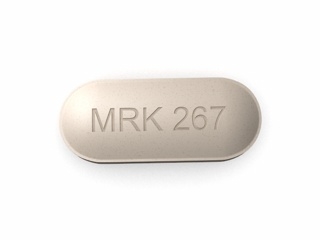

Maxalt (Rizatriptan) – Patient Information
Maxalt is a medicine used to treat migraine attacks (with or without aura). It belongs to a group of medicines called triptans. This page explains how Maxalt works, how to use it effectively, and important safety information for people in the United Kingdom.
Note: This information is designed to help you understand Maxalt. Always follow the instructions you’ve been given by a healthcare professional and the packaging label.
Quick Overview
- Medicine name: Maxalt (rizatriptan)
- What it treats: Acute migraine attacks
- When to take: Best at the start of a migraine headache
- How it works: Activates serotonin (5‑HT1) receptors to reduce migraine-related processes
- Typical strengths: Commonly 5 mg and 10 mg tablets (availability can vary)
- Common side effects: Flushing, dizziness, drowsiness, nausea, and tightness/soreness sensations
Basic Product Information
Maxalt contains rizatriptan, a triptan medicine. In the UK, migraine treatment often includes both acute (attack-treating) medicines and preventive options. Maxalt is an acute medicine: it is used to treat symptoms during a migraine attack, not to prevent migraines from happening.
Maxalt may be supplied in tablet form. Some markets also offer a formulation called Maxalt-MLT (rizatriptan “melt” tablets). Check your specific product packaging for the exact form and instructions.
How Maxalt Works (Mechanism of Action)
Migraine is complex and involves changes in nerves, blood vessels, and chemical signals in the brain. Maxalt helps by targeting specific serotonin receptors.
- 5‑HT1 receptor activation: Rizatriptan stimulates serotonin receptors (particularly 5‑HT1B and 5‑HT1D).
- Reduces pain signalling: It helps stop the cascade that leads to migraine headache pain.
- Helps reduce inflammation: It can reduce release of inflammatory neuropeptides involved in migraine.
- Vasoconstriction: It narrows certain dilated blood vessels associated with migraine symptoms (this is one reason it must not be used in certain cardiovascular conditions).
Important: Maxalt works best when taken early in the attack, but it may still help if taken later during the same migraine.
Pharmacokinetics (Absorption, Distribution, Metabolism, Elimination)
Understanding how the body handles rizatriptan can help with effective and safe use.
| Topic | What typically happens |
|---|---|
| Absorption | Rizatriptan is absorbed after oral dosing. Peak levels generally occur within about 1–2 hours (timing can vary by individual). |
| Onset of effect | Many people start to feel improvement within 2 hours. Taking it early may improve response. |
| Distribution | It distributes into body tissues and reaches the nervous system where it acts on relevant receptors. |
| Metabolism | Primarily broken down by liver enzymes, especially monoamine oxidase A (MAO‑A). |
| Elimination | Eliminated mainly through the kidneys and partly through metabolism products. Overall, the drug’s activity reduces over several hours. |
Age, kidney function, and liver function can affect drug levels. People with certain organ impairments may need lower doses.
Typical Use: What Maxalt Is For
Maxalt is indicated for the acute treatment of migraine attacks, with or without aura, in adults and (depending on product guidance and strength) sometimes in adolescents.
- Use during a migraine attack: headache pain and associated symptoms such as nausea and sensitivity to light or sound
- Not a prevention medicine: should not be used to prevent migraine before it starts
- Not for cluster headaches: triptans are not typically used as standard treatment for cluster headache
When to Take It (Timing)
For best results:
- Take Maxalt as early as possible once you recognise your migraine attack.
- If you delay, Maxalt may still help, but response may be less reliable for some people.
- If symptoms return: you may be able to take a second dose under the same-day limits (see dosing section).
Special note on aura: Some people treat at the start of migraine symptoms even if the “aura” stage is present. Follow the advice given with your specific product.
Dosing: Adults and Typical Limits
Dosing depends on the strength, your medical history, and possible drug interactions.
Common adult dosing (general)
- Initial dose: 10 mg is common for many adults (some people start with 5 mg depending on tolerability and other factors).
- If needed: a second dose may be taken if the migraine returns or does not fully resolve.
- Minimum interval: wait at least 2 hours before a second dose.
- Maximum in 24 hours: do not exceed the daily limit stated on the packaging for your strength and formulation.
Kidney or liver impairment: lower doses may be recommended.
Drug interactions (important): certain medicines can require a different rizatriptan dose or avoidance. For example, medicines that affect MAO‑A or other interaction pathways can increase rizatriptan levels.
Taking it with or without food
- Maxalt can be taken with or without food.
- If you find nausea makes it hard to swallow, consider taking it when your stomach is settled, or discuss alternatives (e.g., a melt tablet formulation where available).
If you miss a dose during an attack: Maxalt is for use when symptoms are present. If your migraine resolves, you generally do not “make up” a missed dose later.
Food Interactions
Food is not usually considered a major interaction issue for rizatriptan, meaning it can typically be taken regardless of meals. However:
- Absorption speed: a heavy or very fatty meal may slightly affect absorption rate for some people.
- Nausea and vomiting: if you vomit soon after taking a dose, you may not have absorbed the full amount. If this happens, consult the guidance you were given or speak with a healthcare professional to understand what to do next.
Practical tip: If nausea is prominent, consider staying hydrated and taking the tablet with water. If you repeatedly vomit, discuss whether another formulation or a different treatment option is suitable.
Alcohol and Medicine Interactions
Alcohol is not a direct interaction with rizatriptan in the way some medicines are, but it can still be relevant to migraine.
- Alcohol may trigger migraines in some people (especially red wine and spirits).
- Alcohol can worsen dizziness, drowsiness, and nausea, which can overlap with triptan side effects.
- If you plan to drink alcohol, consider whether it reliably triggers your migraine and keep to moderate amounts if your clinician has not advised otherwise.
Medicine interactions: Maxalt can interact with other medicines, including those that affect serotonin levels or MAO‑A activity.
Examples of important interaction categories
- MAO inhibitors (including moclobemide): may be contraindicated or require strict avoidance because rizatriptan is metabolised by MAO‑A.
- Other triptans: using more than one triptan within a short period can increase the risk of side effects and should generally be avoided.
- Ergot-containing medicines: combining with triptans is often avoided due to vasoconstriction risk.
- SSRIs/SNRIs (antidepressants): most people can still use triptans safely, but your clinician may want to assess risk. Rarely, serotonin-related side effects are considered.
- Certain antifungals/antibiotics/anti-viral medicines: can change rizatriptan levels by affecting drug transport or metabolism.
- Blood pressure medicines and cardiovascular therapies: may influence suitability due to migraine treatment and cardiovascular risk factors.
Action step: Before using Maxalt, review your medication list (including over-the-counter products and supplements) with your pharmacist or doctor.
Indications: Who It’s Intended For
Maxalt is indicated for:
- Acute migraine attacks in adults (and depending on local product information and age restrictions, some adolescents).
- Attacks with aura or without aura.
Maxalt is not intended for:
- Prevention of migraine between attacks
- Sudden, unusual, or severe headaches that are different from your usual pattern—these should be assessed urgently
- People who have contraindications (see safety section)
Safety Profile: Side Effects and When to Seek Help
Like all medicines, Maxalt can cause side effects. Many are mild and improve as your body adapts.
Common side effects
- Nausea
- Dizziness or feeling light-headed
- Somnolence (sleepiness) or fatigue
- Flushing and warmth
- Head, throat, neck, or jaw tightness/soreness (often temporary)
- Weakness or unusual fatigue
Less common but important risks
- Chest discomfort or pressure: can occur even without heart disease. If symptoms are severe, persistent, or accompanied by breathlessness, fainting, or pain spreading to the arm/jaw, seek emergency help.
- Allergic reactions: swelling of the face/lips, rash, wheezing, or trouble breathing—seek urgent care.
- Medication-overuse headache: using acute migraine medicines too frequently can make headaches more frequent (a recognised problem with many pain/attack treatments).
When Maxalt should not be used (contraindication categories)
Maxalt is typically not suitable for people with certain conditions, especially involving the cardiovascular system. You should not use it if you have been advised to avoid triptans. Common contraindication themes include:
- Ischaemic heart disease or history of heart attack
- Stroke or transient ischaemic attack (TIA) history
- Severe uncontrolled hypertension
- Peripheral vascular disease
- Some forms of heart rhythm disorders or other significant cardiovascular conditions
- Taking certain MAO inhibitors or medicines that are known to conflict with rizatriptan use
Always consult your healthcare professional if you have any heart or circulation conditions, or significant risk factors such as diabetes, smoking history, high blood pressure, or strong family history of early cardiovascular disease.
Medication-overuse: a key safety consideration
Using acute migraine medicines too often can lead to a cycle of worsening headaches. Consider a clinician discussion if you:
- Need acute treatment on many days each month
- Notice headaches becoming more frequent despite treatment
- Experience “return” headaches after treatment becomes less effective
Practical Use Tips (Getting the Best Effect)
- Use at the right time: take when the migraine is starting to build.
- Take with water: use a full glass of water unless your doctor advised otherwise.
- Consider your stomach: if nausea is severe, you might benefit from planning anti-nausea support with your pharmacist/doctor.
- Track response: note how quickly it works, how long relief lasts, and side effects. This helps identify whether dose or strategy needs adjustment.
- Don’t exceed the daily limit: follow the maximum dose stated on the pack.
- Be careful with repeat dosing: if you need frequent doses, ask about preventive options.
If the first dose doesn’t help: some migraine attacks respond differently. Your clinician may advise whether to use a second dose or switch strategy in future attacks.
Alternative Options for Migraine Treatment
If Maxalt isn’t suitable or doesn’t fully control your attacks, other options may be considered in the UK healthcare pathway.
Other acute (attack) treatments
- Other triptans: sumatriptan, zolmitriptan, naratriptan, and others (choice may depend on response and tolerability).
- Gepants and ditans: some newer classes exist in certain settings; availability may vary and may require specialist advice.
- Analgesics/anti-inflammatory options: paracetamol and NSAIDs (e.g., ibuprofen/naproxen) for suitable people.
- Anti-sickness medicines: may be used to reduce nausea and improve absorption of oral medicines.
Preventive (between-attack) approaches
- Beta-blockers, anti-epileptics, and antidepressants used for prevention in selected patients.
- Calcitonin gene-related peptide (CGRP) therapies may be considered for certain people (usually via specialist care).
- Lifestyle strategies: sleep regularity, hydration, stress management, and identifying triggers.
Discuss options with a healthcare professional if you have frequent migraines, reduced quality of life, or poor response to acute medicines.
Maxalt in the UK: Market and Legal Context
In the United Kingdom, migraine medicines and triptans are regulated under medicines law. The availability of specific products can vary by brand, formulation, and strength.
- Pharmacy supply: Many migraine medicines are only available through appropriate channels, depending on classification and local rules.
- Healthcare guidance: Migraine treatment pathways in the UK are influenced by guidance from bodies such as the National Institute for Health and Care Excellence (NICE) and clinical practice in local healthcare services.
- Safety monitoring: Triptans require careful screening for cardiovascular and neurological risk factors.
Online pharmacies in the UK generally operate within UK regulatory requirements for medicinal product distribution, identity checks, and appropriate patient information.
Recent Guidance and Clinical Considerations (UK Context)
Current UK clinical practice emphasises:
- Early treatment of migraine attacks with appropriate acute therapy.
- Limiting medication-overuse by reviewing treatment frequency and considering preventive therapy when needed.
- Individualised selection based on comorbidities (especially cardiovascular risk), attack severity, response history, and tolerability.
- Escalation to preventive therapy when migraines are frequent, disabling, or difficult to treat.
Recommendation: If your pattern changes, your migraines become more frequent, or you develop new neurological symptoms, seek medical advice promptly.
Delivery and Availability (UK Online Pharmacy)
Availability can vary based on stock levels and product type (tablets versus other formulations). Many UK online pharmacies offer:
- Home delivery within the UK (timing depends on courier and order cut-off times)
- Discreet packaging
- Clear product pages showing strength and form
When ordering, check:
- That the strength (e.g., 5 mg or 10 mg) matches your intended use.
- Any delivery restrictions on medicines in your area.
- That the product is within its expiry date.
If you are unsure which strength is appropriate, consult a healthcare professional or pharmacist.
Storage and Disposal
- Storage: keep tablets in the original packaging, away from excessive heat and moisture.
- Keep out of reach of children.
- Disposal: follow local guidance. Do not flush medicines down the toilet unless instructed.
FAQ (Frequently Asked Questions)
1) How quickly does Maxalt work?
Many people notice improvement within about 2 hours. Taking it early in the migraine may help. Response varies between individuals and between attacks.
2) Can I take Maxalt more than once in the same day?
Yes, if your doctor/pharmacist has advised it and if you follow the minimum 2-hour interval and the maximum daily dose stated on the product packaging. Do not exceed the limit.
3) What if my migraine comes back after the first dose?
If your symptoms return, a second dose may be possible after the required interval. If you repeatedly need additional doses or the medicine doesn’t work reliably, discuss with a healthcare professional.
4) Can I take Maxalt with food or after drinking coffee?
Maxalt can generally be taken with or without food. Coffee is not a known direct interaction, but caffeine may trigger or worsen migraine in some people. Keep caffeine intake consistent and within your usual pattern.
5) Is Maxalt safe with antidepressants?
Many people use triptans safely with antidepressants, but interactions depend on the exact medicine (especially those affecting serotonin or MAO‑A). Tell your pharmacist/doctor about all medicines you take so they can check compatibility.
6) Can I drink alcohol when using Maxalt?
Alcohol is not a typical direct interaction, but it can worsen migraines and can increase dizziness or nausea. If alcohol triggers your migraines, avoid it during vulnerable periods.
7) What does “medication-overuse headache” mean?
It means that frequent use of acute migraine treatments can cause headaches to become more frequent over time. If you require acute medicines regularly, talk to a clinician about preventive strategies.
8) Who should avoid Maxalt?
People with certain cardiovascular conditions, those with a history of stroke/TIA, severe uncontrolled high blood pressure, or those taking incompatible MAO-inhibitor medicines may need to avoid it. If you have any risk factors or past medical history, discuss with a healthcare professional.
9) Are there situations where I should seek urgent help?
Seek urgent medical attention if you experience:
- Chest pain or symptoms that are severe, persistent, or associated with breathlessness, fainting, or pain spreading to the arm/jaw
- Signs of allergic reaction such as swelling of the face/lips or difficulty breathing
- A sudden, unusual, or “worst ever” headache unlike your usual migraine
10) What alternatives exist if Maxalt doesn’t work?
Alternatives may include other triptans, analgesics/anti-inflammatory medicines, anti-sickness medicines, or newer classes depending on local availability. Preventive treatments may be considered if your migraines are frequent or disabling.
Important Final Reminder
Maxalt (rizatriptan) can be an effective acute treatment for migraine attacks for many people. Because triptans affect blood vessels and have important interaction/safety considerations, it’s essential to use the correct dose, follow day limits, and make sure it is suitable for your health profile.
If you have questions about suitability, interactions, or how to manage frequent migraines, speak with a pharmacist or clinician. If you experience serious symptoms, seek urgent medical help.