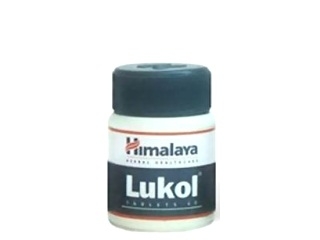

Lukol (Lukol Solution) — Patient Information for the United Kingdom
Lukol is a medicine used for the relief and treatment of symptoms related to cough and chest infections, particularly those involving thick mucus. It is commonly used to help loosen phlegm, making it easier to cough out, and to support recovery by clearing mucus from the airways.
This page explains what Lukol is, how it works, how to take it, what to watch for, and practical guidance for safe use in the UK.
Quick summary
- What it is for: Helps thin and loosen mucus (phlegm) in the chest.
- How it works: Breaks down mucus structure and supports clearance from the airways.
- When to take it: Usually taken regularly for acute symptoms, often for a short period unless a clinician advises otherwise.
- Key safety points: Follow the label/instructions carefully, stay hydrated, and seek advice if symptoms worsen or persist.
- UK availability: Availability may vary by formulation and supplier; check current stock and delivery options online.
Basic product information
| Category | Details |
|---|---|
| Medicine name | Lukol |
| Common form | Oral solution (exact strengths can vary by product version) |
| Therapeutic use | Expectorant/mucolytic for chesty cough and mucus clearance |
| Regulated supply | Sold through UK pharmacies and online medicine suppliers according to current regulations |
| Manufacturer/brand | Depends on the specific Lukol product listing (check your pack for exact details) |
Important: Always check the specific Lukol product on the website listing for the correct strength and dosing instructions, as formulations can differ.
How Lukol works (mechanism of action)
For chesty coughs, mucus can become thick and sticky, making it difficult to clear from the airways. Lukol works by acting on mucus properties so it becomes less viscous and easier to expel.
- Mucus thinning (mucolytic action): Helps reduce the thickness and elasticity of phlegm.
- Improved expectoration: Makes it easier to cough mucus out, which can improve comfort and breathing.
- Airway clearance support: By helping clear mucus, it can reduce the “chesty” sensation and support recovery.
While Lukol helps with mucus, it does not replace treatments needed for bacterial infections or other serious conditions. If you have severe symptoms, consult a healthcare professional promptly.
Pharmacokinetics (how the body handles Lukol)
Pharmacokinetics describes how a medicine is absorbed, distributed, metabolised, and eliminated. Exact values can vary by formulation and patient factors, but the following provides a patient-friendly overview.
- Absorption: After oral intake, the active components are absorbed from the gastrointestinal tract.
- Distribution: The medicine’s effects target the respiratory mucus environment, with systemic presence depending on the active ingredient.
- Metabolism: The body metabolises the medicine mainly in the liver.
- Elimination: Metabolites and/or active residues are removed from the body primarily via the kidneys and through normal excretory processes.
If you have liver or kidney impairment, or if you are taking other medicines regularly, it’s particularly important to follow the dosing instructions carefully and seek professional advice if unsure.
Typical uses (indications)
Lukol is typically used to relieve symptoms associated with chesty cough when mucus is difficult to clear. It may be recommended for:
- Acute bronchitis symptoms (chesty cough with thick mucus)
- Chest infections where phlegm clearance is beneficial (supportive care)
- Conditions with productive cough (coughing up phlegm) where mucus is thick
Not for everyone: If your cough is dry, wheezy, or you have asthma/COPD flare-ups, you may need different treatment. Lukol is generally intended for mucus-related cough rather than dry irritation cough.
Dosing and timing
Always follow the dosing instructions on your Lukol pack or the instructions provided by your pharmacist. The exact dose can differ by strength and age group.
How to take Lukol
- Measure accurately: Use the dosing measure provided with the medicine (or an oral syringe measuring device) rather than household teaspoons.
- Regular schedule: Many mucolytic/expectorant medicines work best when taken consistently over the day.
- Duration: Use for the period stated on the pack. If symptoms do not improve or worsen after a few days, seek advice.
Typical adult dosing (general guidance)
Because product strength and age-specific instructions can vary, refer to your specific pack. For most mucolytics/expectorants, adults commonly take doses multiple times daily for short-term relief.
- Adults: Usually taken several times per day, spaced evenly (e.g., morning, midday, evening), as directed by your pack.
- Children: Dosing in children depends strongly on age and formulation—use the child-specific instructions on the pack or advice from a healthcare professional.
When to take your doses
As a general principle, try to:
- Take doses at consistent times.
- Space doses several hours apart.
- Consider taking one dose before bed only if allowed by the pack instructions and it helps comfort (some people prefer earlier in the evening to reduce coughing disturbance overnight).
Seek advice urgently if you have difficulty breathing, coughing up blood, high fever, chest pain, or if you are very unwell.
Food interactions and dietary guidance
Lukol is usually taken by mouth and is generally compatible with meals. In many cases, food does not significantly change effectiveness, but comfort and adherence matter.
- With food: Taking Lukol with or after food may help reduce stomach discomfort for some people.
- Without food: If your pack allows, you may take it between meals if that suits you.
- Hydration helps: Drinking plenty of fluids can support mucus thinning and make coughing more productive.
If you notice stomach upset, try taking the next dose with food and review whether the medicine is being taken correctly.
Alcohol interactions
Alcohol can irritate the throat and airways and may worsen dehydration or sleep disruption, which can reduce your comfort during an illness. Although there may not be a direct “dangerous interaction” in every case, it’s generally advisable to limit alcohol while you are taking medicines for cough and chest symptoms.
- Avoid binge drinking during illness.
- Monitor side effects: If you feel dizzy, drowsy, or unwell after taking Lukol plus alcohol, avoid alcohol and consider speaking to a pharmacist.
Medicine interactions (including common co-treatments)
Most patients can take Lukol alongside routine supportive care, such as fluids and rest. However, some medicines may interact indirectly by affecting cough reflex or mucus clearance.
Cough suppressants
If you take a cough suppressant (especially one that reduces the ability to cough), it may reduce your ability to clear loosened mucus. This can be counterproductive for a productive, chesty cough.
- Use caution with “dry cough” medicines: Especially those containing opioid-like cough suppressants or strong antitussives.
- Ask a pharmacist: If you’re unsure whether a cough mixture is suitable for a chesty cough.
Other respiratory medicines
- Inhalers and bronchodilators: Usually used for wheeze or asthma/COPD; they may be needed alongside (or instead of) mucolytics depending on symptoms.
- Antibiotics: If prescribed, complete the course as instructed. Lukol may be used as supportive care to help clear mucus—confirm suitability with your healthcare professional.
General interaction advice
- Tell your pharmacist about all current medicines, including herbal products and supplements.
- Be especially cautious if you have kidney or liver disease or take multiple medicines daily.
Safety profile and side effects
Like all medicines, Lukol can cause side effects, although not everybody gets them. Many side effects are mild and improve as your body adjusts.
Common side effects
- Gastrointestinal upset (e.g., nausea, stomach discomfort)
- Loose stools or mild diarrhoea in some people
- Headache or mild dizziness (uncommon)
Less common but important reactions
- Allergic reactions such as rash, itching, swelling of lips/face, or difficulty breathing
Seek urgent medical help if you develop signs of a serious allergic reaction (e.g., swelling of the face or difficulty breathing).
Who should be careful
- People with stomach sensitivity: Consider taking with food if your pack permits.
- Children: Use only age-appropriate formulations and dosing.
- Pregnancy and breastfeeding: Discuss with a pharmacist or clinician if you are pregnant, trying to conceive, or breastfeeding—guidance depends on the active ingredient and your situation.
- Liver/kidney impairment: Check with a pharmacist for suitability and dosing advice.
Practical use tips for best results
To make Lukol more effective and more comfortable to use:
- Keep hydrated: Warm drinks and water can help thin mucus.
- Don’t “hold in” phlegm: Allow yourself to cough productively; vigorous forcing should be avoided, especially if you feel chest pain.
- Rest: Sleep and rest support recovery from infections.
- Humid air may help: Gentle steam or a humidifier can ease irritation (avoid burns and keep devices clean).
- Follow the dosing interval: Spacing doses helps maintain consistent effect.
- Use as directed: If symptoms persist beyond the advised period, get medical advice rather than extending use indefinitely.
When to seek medical advice: If you have a high fever, shortness of breath, chest pain, blood-stained phlegm, symptoms lasting more than about a week, or if you’re getting worse rather than better.
Alternative options
Different cough types require different approaches. Alternatives depend on whether your cough is productive (with phlegm) or dry and irritating, and whether wheeze or asthma/COPD is involved.
For thick mucus (similar supportive category)
- Other mucolytics (medicines that thin phlegm)
- Expectorants (support coughing out mucus)
For dry or irritating cough
- Demulcents or soothing syrups/lozenges
- Different cough suppressants where appropriate (particularly for night cough), chosen based on symptoms
Non-medicine supportive measures
- Warm drinks, honey where suitable (not for children under 1 year)
- Salt-water gargles (for throat irritation)
- Humidifying the air
- Stopping smoking/vaping during illness where possible
A pharmacist can recommend the best option for your symptoms and help avoid unsuitable combinations (for example, using a mucus-thinning medicine alongside a cough suppressant).
Market and legal context in the UK
In the United Kingdom, medicines are regulated and classified according to their legal status and safety requirements. Availability depends on whether the specific product is:
- Listed as a General Sale List (GSL) medicine
- A Pharmacy (P) medicine requiring advice from a pharmacist
- Or supplied under other specific arrangements
Online pharmacy suppliers must comply with UK law, including rules around supply, access, and product authenticity. Always purchase Lukol from reputable UK medicine suppliers.
Pack guidance matters: The legal status and dosing instructions are printed on the outer pack and leaflet. Always refer to your specific product documentation.
Recent guidance and best-practice advice (UK context)
For coughs and respiratory infections, current UK advice typically emphasises:
- Self-care first when appropriate (fluids, rest, symptom control)
- Recognising red flags (breathlessness, chest pain, coughing blood, high fever, severe deterioration)
- Not overusing medicines when symptoms are mild or likely viral and self-limiting
- Appropriate selection of products (e.g., mucolytics for productive cough, soothing treatments for dry cough)
If symptoms are severe, persistent, or recurrent, you may need assessment to ensure the cough is due to something that needs specific treatment.
Delivery and availability in the UK
Online pharmacies may offer delivery across the UK depending on local regulations, stock, and courier routes. Availability can vary by:
- Strength and pack size (different versions of Lukol)
- Current demand (seasonal peaks for cough and cold)
- Supplier and warehouse location
When ordering, review:
- Pack size and strength
- Estimated dispatch and delivery timeframe
- Returns policy for medicines (typically limited due to hygiene and safety)
- Storage requirements shown on the label (e.g., room temperature unless otherwise stated)
Tip: If you’re trying to start treatment immediately, check dispatch times before placing the order.
How to store Lukol
- Store according to the instructions on your pack.
- Keep out of the sight and reach of children.
- Do not use after the expiry date.
- Close the bottle tightly after each use.
FAQ about Lukol
1. What is Lukol used for?
Lukol is used to help relieve a chesty cough by loosening and thinning thick mucus, making it easier to clear from the airways.
2. How long does Lukol take to work?
Many people notice some symptom relief within a short time after taking a dose, but the full benefit is usually achieved over several doses as mucus becomes easier to expectorate.
3. Can I take Lukol with food?
In most cases, it can be taken with or after food if it helps comfort. Follow your pack instructions for the most accurate guidance.
4. Can I drink alcohol while taking Lukol?
It’s generally best to limit alcohol while you are ill. Alcohol can irritate your airways and may worsen dehydration or side effects. If you feel unwell after combining them, avoid alcohol and speak to a pharmacist.
5. Should I use Lukol if my cough is dry?
If your cough is dry and non-productive, a mucus-thinning medicine may not be the most suitable option. Consider pharmacist advice to match the treatment to your cough type.
6. Is Lukol safe for children?
Children should use Lukol only if the product is labelled for the child’s age and with the correct dosing instructions. If you’re unsure, consult a pharmacist before giving Lukol to a child.
7. What if I miss a dose?
If you miss a dose, take it when you remember unless it is close to the next scheduled dose. Do not take a double dose to make up for a missed one.
8. When should I stop taking Lukol and get medical advice?
Stop and seek advice if you develop serious side effects (such as signs of allergy), if symptoms become severe (breathlessness, chest pain, coughing blood), or if symptoms do not improve after the recommended short period on the pack.
9. Can I take Lukol with other cough medicines?
Be cautious with cough suppressants, especially for productive/chesty coughs. Ask a pharmacist to check compatibility with any other cough syrup or tablets you plan to use.
10. Where can I buy Lukol in the UK?
You can purchase Lukol from UK pharmacies and reputable online medicine suppliers. Check stock availability, delivery times, and the exact product details on the listing before ordering.
Note: This information is intended to support safe use and does not replace the instructions provided with your specific Lukol pack. If you have any doubts about suitability, interactions, or dosing, speak to a pharmacist.