Karela (Bitter Melon) – Patient-Friendly Guide
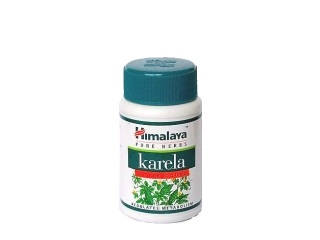
Karela is a traditional herbal medicine made from bitter melon (Momordica charantia). In the UK, it is commonly used as a natural supplement to support healthy blood sugar levels and general metabolic wellbeing. This page explains how Karela works, how it is typically used, key safety considerations, and what to expect when buying it online in the United Kingdom.
Important: Herbal products can vary in strength and ingredient quality. Always follow the dosing instructions on the specific product label you purchase and consult a healthcare professional if you are pregnant, breastfeeding, have a long-term medical condition, or take medicines for diabetes or blood sugar.
Basic Product Information
| Category | Herbal medicine / supplement (varies by product type) |
|---|---|
| Common ingredient | Bitter melon (Momordica charantia) |
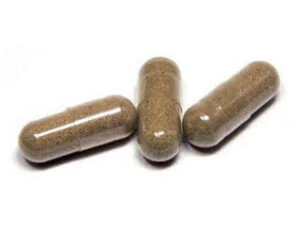
| Common forms | Capsules, tablets, extracts, powders, syrups (product-dependent) |
| Typical focus | Supporting healthy blood sugar and metabolic function |
| Where it is used | UK consumer market (availability depends on the specific product) |
| How it is usually taken | Oral use with meals or as directed by the manufacturer |
What Is Karela and How Does It Work?
Karela refers to preparations derived from bitter melon. Bitter melon contains naturally occurring plant compounds including charantin, polypeptide-p, and various phenolic compounds. These may contribute to its traditional and studied metabolic effects.
Mechanism of action (how it may help)
While herbal effects can differ between products and individual people, Karela is believed to support healthy blood sugar through several potential pathways:
- Improving glucose uptake in tissues such as muscle.
- Supporting insulin sensitivity, helping the body respond more effectively to insulin.
- Influencing insulin secretion in pancreatic beta cells (evidence varies).
- Modulating carbohydrate metabolism (for example, by affecting how glucose is handled after meals).
Note: Karela does not replace prescribed diabetes treatment. It is intended to support wellbeing and should be used cautiously if you use glucose-lowering medicines.
Pharmacokinetics (Absorption, Distribution, Metabolism, Excretion)
For many herbal products, detailed pharmacokinetic data are limited and may depend on the product form (fresh fruit, powder, or standardised extract). In general, the body’s handling of Karela compounds can vary by:
- Standardisation (how much active constituent is present per dose)
- Formulation (capsule vs extract; powder vs liquid)
- Food intake and gut environment
Practical expectation: Karela’s effects on blood sugar are often noticed within hours, especially when taken around meals. However, longer-term changes (supporting metabolic health) may require consistent use over time, alongside diet and activity.
If you need reliable guidance for your specific product, refer to the manufacturer’s instructions and any product-specific data provided with the label.
Typical Use in the UK
In the UK market, Karela is most commonly used by adults who wish to:
- Support healthy blood glucose levels
- Support metabolic wellbeing as part of a broader lifestyle approach
- Complement dietary measures such as reducing sugary foods and choosing balanced meals
Karela is also sometimes used as part of traditional dietary patterns. It should not be relied upon as the only approach if you have diabetes or pre-diabetes—monitoring and appropriate medical care remain important.
Indications (What It May Be Used For)
Herbal products are typically marketed for general wellbeing and may be associated with support of:
- Healthy blood sugar levels
- Metabolic function
- General digestive wellbeing (some people use bitter melon traditionally for gut comfort)
UK note: Depending on the product, marketing claims may be limited by UK and EU rules for health claims. Always check the product label for what it is authorised/marketed to do.
How to Take Karela: Dosing and Timing
Dosing varies considerably between Karela products in the UK. Always follow the manufacturer’s dosing instructions on your specific label.
Typical adult dosing patterns (general guidance)
Common approaches include:
- Once daily with a meal
- Twice daily with meals (morning and evening)
- Extract-based products may require fewer capsules due to higher concentration
Timing: when to take it
Many people take Karela:
- With or shortly before meals to align with post-meal blood sugar changes
- Consistently at the same time each day to improve routine and adherence
If you notice stomach upset, consider taking it with food (rather than on an empty stomach).
How long to use it
Herbal support is often used in cycles or over a period of weeks. If you do not see any benefit, stop and discuss with a healthcare professional—particularly if you are using blood glucose monitoring.
Food Interactions
Karela may interact with food primarily through its potential effects on glucose after meals.
Recommended eating approach
- Take Karela with meals if your stomach is sensitive or if you are targeting post-meal glucose.
- Maintain a balanced diet (high fibre, appropriate portion sizes, and reduced refined sugars).
Foods that may affect blood glucose
Because Karela may support glucose handling, the overall effect depends on what you eat. Meals high in refined carbohydrates or sugary drinks may counteract any supportive effect. If you use glucose-lowering medicines, a consistent diet and monitoring are especially important.
Alcohol and Medicine Interactions
Alcohol
Drinking alcohol while using Karela is not automatically unsafe for everyone, but caution is advised because alcohol can affect blood sugar and liver function.
- Prefer moderation.
- If you notice dizziness, low energy, or symptoms suggestive of low blood sugar, stop alcohol and seek advice.
Interactions with other medicines
Karela may add to the glucose-lowering effect of certain medicines. This is the most important interaction to consider.
- Diabetes medicines (e.g., insulin, sulfonylureas, metformin and other glucose-lowering drugs): increased risk of hypoglycaemia (low blood sugar).
- Blood pressure medicines: while not a guaranteed interaction, any changes in metabolism, hydration, or blood vessel tone may affect individuals differently.
- Blood thinning/antiplatelet medicines (e.g., warfarin, clopidogrel, aspirin): interaction risk is not always clear for Karela, but it’s sensible to check with a healthcare professional if you take these medicines.
Other caution groups: If you take multiple medications, have kidney or liver disease, or have a history of electrolyte problems, consult a healthcare professional before use.
Practical safety tip: Keep a log of how you feel and, if appropriate, monitor blood glucose more closely when starting Karela—especially during the first 1–2 weeks.
Safety Profile and Important Warnings
Common side effects
Most side effects are mild and relate to the digestive system:
- Stomach upset or nausea
- Diarrhoea or loose stools
- Cramping
- Heartburn (occasionally)
If side effects occur, reducing the dose, taking with meals, or stopping use may help. If symptoms are severe or persistent, seek medical advice.
Serious risks and who should avoid Karela
You should avoid Karela or use it only with professional guidance if any of the following apply:
- Pregnancy: bitter melon is traditionally advised against in pregnancy due to concerns about effects on the uterus and foetal development.
- Breastfeeding: safety data are limited; seek advice before use.
- Children: not recommended unless specifically advised for a child by a healthcare professional.
- History of recurrent hypoglycaemia or diabetes treated with glucose-lowering drugs: higher risk of blood sugar dropping too low.
- Scheduled surgery: discuss timing with your healthcare team to reduce variability in blood glucose control.
When to seek urgent help
Get urgent medical help if you experience signs of severe hypoglycaemia, such as:
- Fainting, confusion, seizures
- Severe weakness or inability to swallow
Also seek advice if you develop allergic symptoms (swelling of the face/lips, difficulty breathing, widespread rash) after taking Karela.
Practical Use Tips (How to Get the Best Results)
- Start low and be consistent: Begin with the lowest effective dose on the label and take it at the same time daily.
- Take with meals if you get stomach upset: Food can reduce irritation.
- Monitor blood sugar if relevant: If you have diabetes or take glucose-lowering medicines, use appropriate home monitoring guidance from your clinician.
- Pair with lifestyle measures: Karela works best as a support, not a substitute—aim for balanced meals, adequate fibre, and regular physical activity.
- Check product quality: Choose brands that provide clear ingredient lists, standardisation (if available), and batch information.
- Track your response: If you notice benefits (or side effects), note the timing to help you adjust safely.
Alternative Options
If Karela is not suitable—or you would like to consider other approaches—there are several alternatives:
Diet and lifestyle alternatives
- Dietary fibre increase: foods like oats, legumes, vegetables, and whole grains can help support glucose stability.
- Regular activity: walking after meals may reduce post-meal blood glucose spikes.
- Weight management (if applicable): even modest changes can improve insulin sensitivity.
Other supplement options (discuss with a professional)
Some people consider supplements such as:
- Magnesium (for some individuals with low magnesium)
- Berberine (may affect glucose; can interact with medicines—requires caution)
- Chromium (evidence is mixed)
Important: Natural does not always mean risk-free. Many supplements can interact with diabetes medications or affect liver function.
UK Market and Legal/Regulatory Context
In the United Kingdom, herbal products and supplements are regulated under product-specific frameworks that may differ depending on how the product is classified (for example, as a food supplement, traditional herbal medicine, or other category).
Key points for UK customers:
- Quality and labelling: reputable brands should clearly list ingredients, recommended use, and warnings.
- Health claims: marketing claims are subject to rules; you may see “supports” style language rather than claims to treat disease.
- Authorisation/registration: some traditional herbal medicines are authorised; supplements are generally handled under different routes. Your product label should provide the correct category information.
Recent guidance and practical takeaway: UK consumers are encouraged to follow manufacturer instructions closely, avoid high-risk use in pregnancy, and exercise extra caution when combining supplements with medicines for diabetes. If unsure, seek advice from a pharmacist.
Delivery and Availability in the United Kingdom
Karela is often available online through UK retailers and specialist health stores. Availability depends on:
- Supplier stock
- Whether the product is an extract, capsule, tablet, or powder
- Batch and shelf-life requirements
Delivery expectations (typical)
- Processing time: many online pharmacies dispatch within 24–72 hours (varies by retailer).
- Shipping: delivery options may include standard and tracked services.
- Packaging: products are generally shipped in protective outer packaging.
Storage: follow the label. Many supplements should be kept in a cool, dry place and protected from direct sunlight.
FAQ: Frequently Asked Questions About Karela
1) What is Karela made from?
Karela products are derived from bitter melon (Momordica charantia), typically in the form of powder, capsules/tablets, or an extract.
2) How long does it take to work?
Some people notice effects relating to meal-time glucose within hours, while longer-term metabolic support may require consistent use over several weeks. Individual responses vary.
3) Can I take Karela if I have diabetes?
Only with caution. If you take glucose-lowering medicines or insulin, Karela may increase the risk of low blood sugar. Speak to a healthcare professional and monitor your blood glucose closely.
4) Should I take Karela with food?
Many people take it with meals, especially if they experience stomach upset. For post-meal support, taking it around mealtimes may be helpful.
5) Are there any side effects?
Common side effects include nausea, stomach discomfort, diarrhoea, or cramps. Stop use and seek advice if symptoms are severe or persistent.
6) Can I drink alcohol while using Karela?
Moderation is advised. Alcohol can affect blood sugar and may increase the chance of feeling unwell, especially if you also take diabetes medicines.
7) Is Karela safe during pregnancy or breastfeeding?
Pregnancy safety is not established, and traditional guidance recommends avoiding bitter melon during pregnancy. Breastfeeding safety data are also limited—seek professional advice.
8) What if I miss a dose?
If you miss a dose, take it when you remember unless it is close to your next dose. Do not take a double dose to catch up.
9) Can I combine Karela with other supplements?
You can, but interactions and additive effects are possible. Check labels for overlap (especially other glucose-lowering supplements) and speak to a pharmacist if you are on medication.
10) How should I choose a Karela product?
Look for clear ingredient lists, dosing instructions, and reputable quality standards. If available, choose products with standardised extracts and consistent labelling.
Summary
Karela (bitter melon) is an herbal product used by many people in the UK as a supportive option for healthy blood sugar levels and metabolic wellbeing. It may work by influencing glucose handling and insulin sensitivity, but the exact effect depends on the product form and dose.
For safest use:
- Follow the label dosing instructions.
- Take with meals if you experience digestive discomfort.
- Be especially cautious if you take diabetes medicines or have a risk of hypoglycaemia.
- Limit alcohol and watch for symptoms of low blood sugar.
- Seek advice if you are pregnant, breastfeeding, or have existing health conditions.
If you’d like, share the product form you’re considering (capsules, tablets, or extract) and the dosing on the label, and we can help you interpret the serving instructions and typical timing.