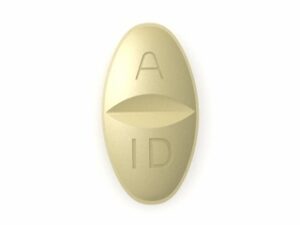

Isosorbide (Isosorbide / Isosorbide-based medicines) – Patient Information (UK)
Isosorbide is a medicine used to help relieve symptoms related to reduced blood flow to the heart (angina) and, in some cases, to support treatment for heart failure. Depending on the exact product you receive, “isosorbide” may be present as isosorbide itself or as an isosorbide salt (for example, isosorbide mononitrate or isosorbide dinitrate). Different brands and strengths exist, and the correct dosing schedule depends on the specific formulation.
This guide explains how isosorbide works, how it’s usually taken, what to expect, and important safety information for people in the United Kingdom.
Key product facts
- Common uses: Prevention of angina attacks; sometimes used in certain heart conditions as advised by a clinician.
- How it works: Helps widen blood vessels and improves blood flow to the heart.
- How it’s taken: Often as tablets with immediate or modified release (controlled duration varies by product).
- Typical side effects: Headache, dizziness, light-headedness, flushing, nausea.
- Important cautions: Can lower blood pressure; may interact with medicines for erectile dysfunction; avoid excessive alcohol.
Note: Always check your pack for the exact strength and whether it is immediate-release or modified/extended-release.
Mechanism of action (how Isosorbide works)
Isosorbide belongs to a group of medicines often referred to as nitrates. It helps treat angina by improving circulation.
- Blood vessel widening: Isosorbide is converted in the body to compounds that relax the smooth muscle in blood vessel walls.
- Reduced heart workload: This relaxation can decrease “preload” and “afterload” (the pressures the heart must pump against).
- Improved oxygen supply: Widening of coronary arteries (the vessels supplying the heart) can increase oxygen delivery to heart tissue.
In everyday terms, isosorbide aims to reduce the frequency and severity of angina by preventing episodes rather than treating them as an instant “rescue” medicine (though some nitrate forms act faster than others).
Pharmacokinetics (how the body handles it)
Pharmacokinetics describes what happens after you take a dose—absorption, distribution, metabolism, and elimination. Exact values depend on the formulation.
- Absorption: Nitrate medicines are absorbed through the gut. Modified-release products may release medicine gradually to provide longer symptom control.
- Onset: Immediate-release products may work sooner; modified-release versions typically work over several hours.
- Metabolism: Isosorbide is metabolised in the body (including conversion to active and related nitrate forms).
- Elimination: The body clears metabolites primarily via urine.
Practical takeaway: Your dosing schedule matters. Missing doses or changing the timing—especially with modified-release preparations—may reduce benefits or increase side effects.
Typical use in the UK
Isosorbide is used to help control angina pectoris (chest pain caused by reduced blood flow to the heart). For some people, it may also be used in heart failure in combination with other treatments, depending on clinical assessment and the specific product.
It’s commonly chosen when symptoms need ongoing prevention, particularly for people who have recurrent angina or when other medicines alone are insufficient.
Indications (what it’s for)
- Angina prophylaxis: Prevention of angina attacks.
- Heart failure (selected cases): Used as part of a regimen for certain patients, guided by UK clinical practice.
Important: This is general information. The right indication depends on your diagnosis and the exact medicine/strength you have.
How and when to take Isosorbide
Timing and schedules
The timing depends on the formulation and intended duration of action:
- Immediate-release tablets: Typically taken at set times each day; onset may be quicker.
- Modified/extended-release tablets: Usually taken once or twice daily to maintain steadier levels.
Common practical advice:
- Take your dose at the same times each day.
- Try to maintain a consistent schedule.
- If your medicine is modified-release, do not crush or chew unless your pack instructs otherwise.
- Do not stop suddenly without medical advice, as symptoms may return.
Whether it’s taken with food
Most people can take isosorbide with or without food. Some may find taking it with food helps reduce nausea.
Key timing note: Nitrate tolerance can occur with continuous exposure to nitrates. Many regimens include a period during the day without nitrates (often called a “nitrate-free interval”), depending on the product. Your dosing schedule should follow the directions on your label.
Food interactions
Isosorbide is generally not strongly affected by food. However, a few practical points can help:
- Grapefruit: Grapefruit can affect many medicines via liver enzymes. While not always a major issue for nitrates, it’s sensible to avoid large amounts unless you’ve been told it’s safe for your specific product.
- Heavy meals: Very large meals can worsen nausea in some people. If nausea occurs, try taking the dose with lighter food or at a time when you feel less nauseated.
- Hydration: Staying hydrated may reduce dizziness (especially if your blood pressure tends to run low).
If you’re unsure whether your specific brand has additional guidance, check the patient information leaflet supplied with your medicine.
Alcohol and medicine interactions
Alcohol can increase the risk of dizziness, fainting, or low blood pressure when taking nitrates, because both alcohol and isosorbide can lower blood pressure or affect circulation.
- Recommendation: Limit alcohol and avoid binge drinking.
- Safety: If you feel light-headed after drinking, do not drive and seek advice.
Important medicine interactions
Some interactions are particularly important for safety. Always tell your pharmacist or prescriber about all medicines you take, including over-the-counter products and supplements.
- Medicines for erectile dysfunction (PDE-5 inhibitors): Examples include sildenafil, tadalafil, vardenafil. Combining these with nitrates can cause dangerously low blood pressure. Do not use together unless specifically advised under strict guidance.
- Other blood pressure-lowering medicines: Can increase the likelihood of dizziness or falls.
- Riociguat: A medicine used for certain lung and blood pressure conditions. This combination can also lead to dangerous blood pressure effects.
- Blood pressure medicines and antihypertensives: May require dose adjustments to prevent symptomatic hypotension.
- Non-prescription cold medicines: Some contain ingredients that affect blood pressure or heart rate—check labels and ask a pharmacist if unsure.
Dosing (typical adult dosing patterns)
Doses vary by formulation, strength, and your condition. Always follow the instructions on your pack. The information below is a general overview of how dosing is commonly structured.
General approach for angina prevention
- Most regimens aim to reduce angina episodes by maintaining nitrate activity during the day.
- Many schedules include a nitrate-free interval to reduce tolerance.
- Starting doses are often lower and adjusted based on symptom control and side effects.
Heart failure (selected cases)
Dosing may be different and should be determined by your clinician based on your overall regimen and blood pressure.
Because specific strengths and release profiles differ: use the dosing instructions for your exact product.
| Formulation type | How it’s usually taken | Why timing matters |
|---|---|---|
| Immediate-release | Usually multiple times per day at set intervals | Supports steadier symptom control but may require careful spacing |
| Modified/extended-release | Often once or twice daily | Designed to last longer; dose timing affects how well it works |
Safety profile and side effects
Common side effects
- Headache (often improves over time)
- Dizziness or light-headedness
- Flushing
- Nausea
- Low blood pressure (hypotension), especially when standing
Serious side effects (seek urgent advice)
Contact urgent medical help if you experience:
- Fainting or severe dizziness
- Chest pain that is new, worsening, or not relieved by your usual plan
- Signs of a severe allergic reaction: swelling of the face/lips, trouble breathing, severe rash
- Very low blood pressure symptoms such as confusion or collapse
When you should be extra careful
- Low baseline blood pressure or a history of fainting
- Dehydration (vomiting/diarrhoea), which can worsen dizziness
- Severe anaemia or other conditions that reduce oxygen delivery to tissues
- Use with PDE-5 inhibitors: avoid unless specifically instructed within an appropriate safety plan
Practical use tips (getting the best benefit safely)
Prevent headaches and dizziness
- Stand up slowly from sitting or lying positions.
- Check how you feel after the first few doses—some people are more sensitive early on.
- Stay hydrated, especially in warm weather.
- Discuss persistent headaches with a pharmacist or clinician—adjustments may be possible.
Keep your dose schedule
- Set a daily reminder if you tend to miss doses.
- If you forget a dose, follow the guidance on your pack; do not double up unless advised.
- For modified-release products, respect swallowing instructions and do not alter the tablet.
Monitor your angina pattern
- Keep a note of when chest pain happens, triggers, and what helps.
- If angina becomes more frequent or severe, you should seek prompt clinical review.
What to do if you miss a dose
Missed-dose instructions depend on your dosing schedule and product type. In general:
- If it’s soon after the missed time, you may take the dose when you remember.
- If it’s close to the next scheduled dose, skip the missed dose.
- Do not take two doses together to make up for the missed one unless your pack specifically instructs you to.
If you’re unsure, ask a pharmacist for advice using your exact product details.
Alternative options (for angina or heart conditions)
Alternative treatments depend on your diagnosis, other health conditions, and current medicines. In the UK, clinicians often consider a combination of therapies.
Common alternatives for angina prevention
- Beta-blockers (e.g., bisoprolol, metoprolol) – help reduce heart workload.
- Calcium channel blockers (e.g., amlodipine, diltiazem) – may improve blood flow and reduce symptoms.
- Other anti-anginal agents (depending on the person’s needs), such as ivabradine in suitable cases.
- Risk factor management such as statins, anti-platelets, smoking cessation, and blood pressure control.
For acute chest pain
Many people with angina are also given a fast-acting “rescue” nitrate plan for sudden symptoms. This differs from the longer-acting preventive use of isosorbide. If you’re unsure what to do during an attack, speak to a pharmacist or clinician about your individual action plan.
Important: Do not switch medicines without professional guidance, particularly if your regimen is designed to prevent tolerance or maintain a nitrate-free interval.
UK market and legal context (how it’s supplied)
In the United Kingdom, medicines containing nitrate active ingredients are regulated and supplied through licensed channels. The exact category (for example, whether a specific pack size and strength is supplied under certain pharmacy arrangements) depends on the formulation and regulatory classification.
Pharmacies in the UK follow strict standards for:
- Product identification and quality assurance
- Correct dispensing based on the medicine and strength
- Providing patient information leaflets
- Screening for interactions, especially with blood pressure–affecting medicines and PDE-5 inhibitors
Information about medicines and safety updates is also available from UK health authorities. For ongoing clinical advice, follow guidance from relevant bodies and your healthcare professionals.
Recent guidance and practical updates
Guidance for angina and cardiovascular medicines evolves over time. Key themes that commonly appear in modern practice include:
- Individualised risk assessment for people with heart disease
- Careful attention to blood pressure to reduce dizziness and falls
- Strict avoidance of unsafe combinations (notably nitrates with PDE-5 inhibitors or riociguat)
- Monitoring symptom control and medication tolerance over time
If you’re using isosorbide long term, it’s worth having regular reviews of your symptoms and overall cardiovascular medicines.
Delivery and availability (UK online pharmacy information)
Isosorbide-containing medicines may be available from licensed UK online pharmacies, depending on the exact product and availability status. Delivery options commonly include:
- Standard delivery: usually 2–5 working days (may vary by courier and location)
- Express options: sometimes available at checkout
- Discreet packaging: often provided to protect privacy
Stock availability: Availability can change. If a product is temporarily unavailable, the pharmacy may offer an alternative strength/formulation with the same active ingredient where appropriate.
When placing an order, confirm you select the correct strength and formulation type (immediate vs modified-release), as these affect dosing and how long the medicine lasts.
Frequently asked questions (FAQ)
1) Is Isosorbide the same as nitroglycerin?
No. Isosorbide and nitroglycerin are different nitrate medicines. They can be used for related conditions, but they differ in onset and formulation. Your product label will specify which active ingredient you have.
2) How long does Isosorbide take to work?
It depends on the product. Immediate-release formulations may act sooner, while modified/extended-release products work over several hours. Check your pack for expected onset and dosing frequency.
3) Will Isosorbide stop angina attacks immediately?
Isosorbide is usually used to prevent angina attacks. Many people also have a separate fast-acting “rescue” medicine for sudden symptoms. If you don’t have one, ask your pharmacist about the safest plan for unexpected chest pain.
4) Can I drive while taking Isosorbide?
If your medicine makes you dizzy or causes low blood pressure, you may be unsafe to drive. Avoid driving until you know how the medicine affects you—especially at the start of treatment or after dose changes.
5) What should I do for headaches?
Headaches are common early on. They often lessen as your body adjusts. Pain relief choices may vary; ask your pharmacist what is suitable for you. Avoid taking additional nitrate medicines unless directed.
6) Is it safe to drink alcohol?
Alcohol can increase dizziness and lower blood pressure. It’s best to keep alcohol minimal and avoid binge drinking. If you feel faint or unwell, do not drive and seek advice.
7) What happens if I miss a dose?
Follow the instructions in your pack. In many cases, if you remember later, take it unless it’s nearly time for the next dose. Do not double up unless instructed.
8) Can I take erectile dysfunction medicines with Isosorbide?
Combining nitrates with PDE-5 inhibitors (such as sildenafil or tadalafil) can cause a dangerous drop in blood pressure. This combination should not be used together unless a clinician has provided explicit, safe guidance.
9) Are there foods I should avoid?
Most people can take isosorbide with or without food. If you notice certain foods worsen nausea, adjust timing. Grapefruit is best avoided in large amounts unless your pharmacist confirms it’s suitable for your exact medicine.
10) Who should not take Isosorbide without extra advice?
Extra caution is needed for people with low blood pressure, those with certain heart conditions, or those taking medicines that interact with nitrates. Your pharmacist can help screen for safety based on your current medicines.
Summary
Isosorbide is a nitrate medicine commonly used for angina prevention and sometimes for selected heart conditions. It works by widening blood vessels and improving blood flow, helping reduce the frequency of chest pain episodes. The medicine can cause headaches and dizziness, particularly early in treatment or if your blood pressure is low. To use isosorbide safely, follow your dosing schedule carefully, be cautious with alcohol, and avoid unsafe interactions—especially with PDE-5 inhibitors and riociguat.
If you have any questions about your specific isosorbide product (strength, release type, dosing times, or interactions), speak to a pharmacist for tailored advice.