
Fosamax (Alendronate) – Patient Guide (UK)
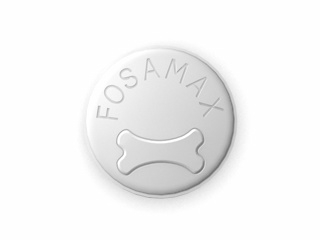
Fosamax contains alendronate, a medicine used to strengthen bones and reduce the risk of fractures. If you’ve been advised to take Fosamax, this guide explains how it works, how to take it safely, common side effects, important food and medicine interactions, and where to find the latest information in the UK.
This information is for general guidance only. Always follow the instructions given by your healthcare professional and the medicine label.
Quick overview
- Medicine: Fosamax (alendronate)
- How it’s taken: Usually once weekly tablets (some strengths are taken daily depending on product)
- What it does: Slows bone breakdown to help prevent fractures
- Key safety point: Take with water and remain upright to reduce risk of throat/esophagus irritation
- Common interactions: Food, calcium, iron, and some medicines can reduce absorption
Basic product information
| Feature | Details |
|---|---|
| Active ingredient | Alendronate (bisphosphonate) |
| Brand | Fosamax |
| Common dosing schedules | Typically once weekly (depending on tablet strength and your prescribed regimen) |
| Therapeutic class | Bone anti-resorptive (bisphosphonate) |
| Usual treatment duration | Long-term bone therapy; review after a period as advised by your clinician |
How Fosamax works (mechanism of action)
Bone is living tissue that continually remodels. In osteoporosis, bone breakdown happens faster than bone building, which weakens bones.
Alendronate belongs to the bisphosphonate class. It:
- Inhibits osteoclast activity (cells that break down bone).
- Helps reduce bone resorption, allowing a relative increase in bone strength.
- Improves bone mineral density over time and reduces the risk of vertebral, hip, and other fractures in suitable patients.
Important note: The benefits build over months. Fosamax is not a “fast pain reliever”—it works to reduce fracture risk by changing bone turnover.
Pharmacokinetics (how the body handles it)
Understanding pharmacokinetics can help you take the medicine correctly, because absorption is strongly affected by timing and food.
- Absorption: Alendronate is absorbed poorly from the gut. Food, coffee, and certain minerals (like calcium) can significantly reduce absorption.
- Distribution: A portion of absorbed drug binds to bone mineral. Remaining drug is cleared primarily via the kidneys.
- Metabolism: Alendronate is not meaningfully metabolised by the liver.
- Elimination: Excreted mainly unchanged in the urine.
- Bone retention: Because it binds to bone, it has a prolonged effect even after drug levels in blood drop.
Practical takeaway: Because absorption is low, taking Fosamax with plain water and waiting before eating is crucial.
Typical use in the UK
In the UK, Fosamax is commonly used for conditions where fracture risk is increased, such as osteoporosis, and sometimes for other bone-related situations depending on your clinical assessment.
Depending on your age, sex, fracture history, and blood tests (including vitamin D and calcium), your healthcare professional may recommend:
- Osteoporosis treatment (postmenopausal women and men in appropriate cases)
- Secondary prevention after fractures or in people at high risk
- Prevention of bone loss in specific circumstances (e.g., steroid-related bone loss), where suitable
Your clinician may also advise calcium and vitamin D supplements if your dietary intake is low or your blood levels suggest they are needed.
When and how to take Fosamax (timing and instructions)
Correct administration is one of the most important factors in Fosamax safety and effectiveness.
Step-by-step routine (typical guidance)
- Choose the right time: Take your dose first thing in the morning or at the time advised (for once-weekly schedules, pick a consistent day).
- Take on an empty stomach: Ensure your stomach is empty and you have not eaten anything recently.
- Use plain water only: Swallow the tablet with a full glass of plain water.
- Stay upright: Remain standing or sitting upright for at least 30 minutes after taking the tablet.
- Wait before food or drink (other than water): Do not eat or drink anything other than water for at least 30 minutes (unless your product instructions specify otherwise).
- Do not lie down: Avoid lying down immediately after taking the tablet.
Missed dose (general advice)
If you miss a scheduled dose, your healthcare professional or pharmacist may advise how to restart. In general, with weekly dosing, the usual principle is:
- Take it as soon as you remember on the same day, if that’s close to the scheduled time.
- If it’s almost time for the next dose, skip the missed one and resume your normal schedule.
Because advice can vary with timing, always check your medicine label or ask your pharmacist for personalised guidance.
Food interactions: what to avoid
Food and certain drinks can reduce absorption of alendronate. For best results, follow the “empty stomach” routine.
Common items that can interfere
- Food (including breakfast) taken too soon after the dose
- Calcium-containing products (e.g., calcium supplements, some fortified drinks)
- Iron supplements
- Magnesium or antacids
- Coffee and tea (often reduce absorption if taken close to the dose)
- Some mineral waters (if mineral-heavy)
Tip: Keep supplements separate. If you need calcium or vitamin D, many people take them at a different time of day, typically later (for example, with a meal). Your pharmacist can advise the best timing for your regimen.
Alcohol and medicine interactions
Alcohol
Moderate alcohol intake is not specifically known to directly prevent Fosamax from working, but heavy alcohol use can affect bone health and increase fracture risk. If you drink alcohol, consider:
- Keeping intake moderate
- Avoiding alcohol close to the time you take Fosamax if it contributes to reflux or stomach irritation
If you have a history of ulcers, reflux, or significant stomach problems, it’s especially important to discuss alcohol use with your clinician.
Medicine interactions (important examples)
Some medicines can interact with alendronate either by affecting absorption or by increasing the risk of side effects.
- Other oral medicines that irritate the upper gut (e.g., certain painkillers like NSAIDs such as ibuprofen/naproxen, if used regularly): may increase the chance of digestive irritation. Take as advised and report symptoms.
- Calcium, iron, magnesium, antacids and supplements: reduce absorption. Separate them from your Fosamax dose.
- Other bisphosphonates or bone-active therapies: should not be taken together unless your clinician has specifically planned it.
- Corticosteroids (e.g., prednisolone): can increase bone loss. Treatment may be complementary, but your overall plan should be supervised.
- Kidney impairment medicines/existing kidney disease: dose suitability depends on kidney function. Your clinician should evaluate kidney function before starting.
Tell your pharmacist about all medicines and supplements you take, including herbal products and vitamins.
Indications: what Fosamax is used for
Fosamax is prescribed for bone conditions where strengthening bones and reducing fracture risk are important.
In the UK, alendronate is commonly indicated for:
- Osteoporosis in postmenopausal women
- Osteoporosis in men at risk of fractures
- Glucocorticoid-induced osteoporosis (steroid-related bone loss) in suitable patients, depending on assessment and product instructions
- Paget’s disease of bone in adults (where appropriate): alendronate may be used under specialist guidance
Your exact indication and dose depend on your diagnosis, risk level, and kidney function.
Dosing: general guidance for UK use
Fosamax dosing differs depending on the condition and the strength of tablet prescribed. Always use the dose specified on the medicine label.
Common schedules
- Weekly osteoporosis dosing: often once weekly (for example, 70 mg once weekly in many regimens)
- Daily dosing: some people may be prescribed a daily regimen depending on the indication and product strength
Who needs extra caution with dosing?
- Kidney impairment: Suitability depends on estimated kidney function. Do not start without appropriate evaluation.
- Swallowing difficulties: If you have trouble swallowing tablets or have problems affecting the oesophagus, discuss alternatives.
- Reflux or oesophagus irritation: Your clinician may recommend a different formulation or schedule.
Do not change your dose without medical advice.
Safety profile: common and serious side effects
Like all medicines, Fosamax can cause side effects. Many people tolerate it well, especially when instructions are followed carefully.
Common side effects
- Stomach upset
- Heartburn / indigestion
- Nausea
- Abdominal pain
- Headache
- Muscle, joint or bone pain (may occur, particularly when starting)
Serious side effects – seek urgent medical advice
Stop taking Fosamax and get urgent medical help if you experience:
- Symptoms of oesophageal irritation such as new or worsening difficulty swallowing, chest pain, or pain when swallowing
- Severe allergic reaction (e.g., swelling of the face/lips, severe rash, breathing difficulties)
- Severe or persistent stomach pain or vomiting blood
Rare but important risks
- Osteonecrosis of the jaw (ONJ): rare. Risk is higher with invasive dental procedures, poor oral hygiene, smoking, cancer treatments, or prolonged therapy. Discuss dental plans with your dentist/clinician.
- Atypical femoral fractures: rare stress fractures of the thigh bone. Unusual thigh/groin pain should be assessed promptly.
- Low calcium (hypocalcaemia): can occur, especially if vitamin D levels are low. Your clinician may check and correct vitamin D/calcium before starting.
- Inflammation of the eye (e.g., uveitis/iritis): report eye pain/redness or light sensitivity.
Practical note: Many serious risks are uncommon, but being alert to early warning symptoms improves safety.
Practical use tips for better results and fewer problems
- Use the upright rule: remaining upright helps reduce the chance of oesophageal irritation.
- Plan your morning: Take it when you can follow the full routine without rushing.
- Keep water handy: A full glass of plain water is required—avoid juices, coffee, or milk.
- Separate supplements: If you take calcium/iron, schedule them later in the day (usually with meals).
- Stay consistent with weekly dosing: Pick a day and try not to miss it.
- Oral hygiene: Maintain excellent dental care. Tell your dentist you are taking a bisphosphonate.
- Physical activity: Weight-bearing exercise and strength work support bone health alongside medicine.
- Fall prevention: If you are at risk of falling, review vision, footwear, and home hazards.
What to expect: monitoring and follow-up
Your clinician may monitor:
- Bone mineral density (DEXA scans) at intervals
- Calcium and vitamin D status, especially if you are at risk of deficiency
- Kidney function where relevant
- Adherence and tolerance (including reflux or swallowing symptoms)
Some patients are reviewed for treatment duration (“drug holiday” discussions may be considered for certain groups). This is individual and should be decided with your healthcare professional.
Alternative options to Fosamax (UK)
If Fosamax isn’t suitable due to side effects, preference, or medical factors, your clinician may consider other osteoporosis treatments.
Other oral bisphosphonates
- Risedronate (another bisphosphonate; dosing varies)
- Ibandronate (often monthly or other schedules depending on product)
Other treatment classes
- Denosumab (injection; an anti-resorptive medicine given by healthcare professionals)
- Raloxifene (selective oestrogen receptor modulator for certain patients)
- Teriparatide/abaloparatide (anabolic therapies that stimulate bone formation, for suitable patients)
- Romosozumab (for selected groups; typically specialist-led)
The “best” alternative depends on your diagnosis, fracture risk, kidney function, tolerance, and preference regarding injections versus tablets.
Market and legal context in the UK
Fosamax (alendronate) is widely available in the United Kingdom and forms part of routine osteoporosis care. In the UK medicines landscape:
- Authorisation and oversight: medicines are regulated by the UK medicines framework, and safety information is communicated through official channels (e.g., updates to the Summary of Product Characteristics and patient information).
- Clinical guidance: osteoporosis management commonly follows national and professional recommendations, which may be updated as evidence evolves.
- Pharmacy support: pharmacists can review your regimen, help with timing, and flag interactions with other medicines and supplements.
Recent emphasis in UK practice has included ensuring people at risk have appropriate vitamin D/calcium status, using fracture risk assessment tools, and reinforcing correct bisphosphonate administration to prevent oesophageal irritation.
Recent guidance and clinical updates (high-level overview)
UK osteoporosis practice regularly incorporates evidence updates and safety monitoring. While guidance varies slightly depending on patient group and clinical pathway, common themes include:
- Confirming indication and risk: treatment is usually targeted to people with osteoporosis confirmed by appropriate assessments or those with high fracture risk.
- Checking calcium/vitamin D: correcting deficiencies before starting reduces risk of complications.
- Reviewing adherence and technique: taking bisphosphonates correctly improves absorption and reduces gastrointestinal problems.
- Long-term safety review: clinicians periodically review whether continuing therapy is beneficial versus risks, including rare jaw and thigh fracture events.
For the most current official guidance, your healthcare professional may refer to UK clinical resources and regulatory updates.
Delivery, availability and how to order in the UK
Availability can vary by pharmacy stock, tablet strength, and brand formulation. Many UK pharmacies offer home delivery services subject to standard UK delivery conditions.
What you can typically expect
- Pack sizes: may vary (for example, numbers of tablets per carton for weekly regimens).
- Delivery times: depend on the carrier and the service level chosen.
- Temperature and handling: store tablets as directed on the packaging (usually at room temperature, away from moisture and heat).
- Discreet packaging: many online pharmacies provide privacy-focused packaging.
Tip: If you are starting Fosamax for the first time, order early enough so you can take the first dose at a time you can comfortably follow the upright/empty-stomach instructions.
FAQs about Fosamax (Alendronate)
1) How long does Fosamax take to work?
Fosamax begins to affect bone turnover relatively soon, but fracture-risk reduction and bone density improvements typically take months to become noticeable. Many people are advised to continue long-term as part of an ongoing bone health plan.
2) Can I take Fosamax with coffee or tea?
For best absorption, take Fosamax with plain water only and avoid food/drinks (other than water) until the waiting period is complete. Coffee or tea taken too close to your dose can reduce absorption.
3) What should I do if I get heartburn after starting Fosamax?
Mild indigestion can occur, but worsening heartburn may indicate oesophageal irritation. Ensure you take it correctly (upright, with water, on an empty stomach). If symptoms persist or you have pain when swallowing, contact your healthcare professional promptly.
4) Do I need calcium and vitamin D?
Many people benefit from adequate calcium and vitamin D intake, either through diet or supplements. Your clinician may recommend supplements especially if blood tests show low levels or if dietary intake is insufficient.
5) Is Fosamax safe for long-term use?
Long-term use is common in appropriate patients, but ongoing benefit–risk should be reviewed. Clinicians may consider periodic reassessment based on fracture risk and tolerance.
6) Are dental extractions or implants allowed while taking Fosamax?
Dental procedures may still be possible, but because of the rare risk of osteonecrosis of the jaw, you should inform your dentist that you take a bisphosphonate. Your dentist and clinician can discuss the timing and preventive steps for your situation.
7) Can I stop Fosamax if I feel better?
Osteoporosis often has no symptoms. Stopping treatment can lead to increased bone loss over time. If you’re considering stopping, discuss it with your healthcare professional rather than stopping on your own.
8) What if I accidentally lie down after taking it?
Try to remain upright for the recommended time. If you accidentally lie down, monitor for symptoms such as new or worsening heartburn or difficulty swallowing, and seek advice if symptoms occur.
9) Who should not take Fosamax?
Fosamax may not be suitable for some people, such as those with certain oesophageal disorders or significant kidney impairment, or those unable to follow the administration instructions. A healthcare professional should assess suitability before starting.
10) Can I take other medicines at the same time?
Not usually. Separate Fosamax from medicines that can interfere with absorption, such as calcium/iron supplements and antacids. Ask your pharmacist to review your entire medication schedule.
Safety checklist (before each dose)
- Empty stomach: no food beforehand
- Plain water only: full glass
- Upright: stay standing/sitting for at least 30 minutes
- No lying down: avoid right after taking
- Separate supplements: calcium/iron/antacids later in the day
If you’d like, tell us your Fosamax strength and whether you take it daily or weekly, and we can help you build a simple UK-friendly daily schedule (including when to take calcium/vitamin D) around it.