
Dolutegravir (UK) — Patient Guide
Dolutegravir is an antiretroviral medicine used to treat HIV (Human Immunodeficiency Virus). It belongs to a group of medicines called integrase strand transfer inhibitors (INSTIs). Dolutegravir helps reduce the amount of HIV in the body to very low levels, supporting immune function and reducing the risk of HIV-related illness.
This guide is written in patient-friendly language and is designed to help you understand how dolutegravir works, how it is typically taken, and what to consider for safety and interactions in the United Kingdom.
At a glance
| Topic | Summary |
|---|---|
| Medicine | Dolutegravir (INSTI) |
| Common use | Treatment of HIV as part of combination antiretroviral therapy |
| How it works | Blocks HIV integration into human DNA |
| Typical dosing frequency | Often once daily (or twice daily in some situations), depending on regimen |
| Food requirements | Usually can be taken with or without food (see “Food interactions” for details) |
| Key interactions to check | Antacids/minerals, some antibiotics/anticonvulsants, and other interacting medicines |
| Safety considerations | May cause side effects such as headache, nausea, diarrhoea; important monitoring in pregnancy and with kidney/liver conditions |
Basic product information
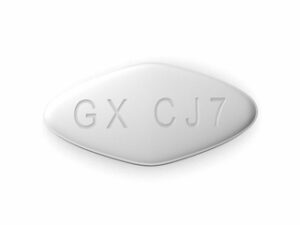
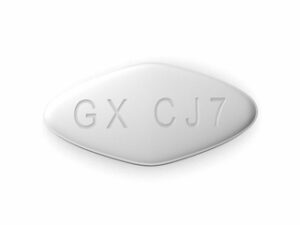
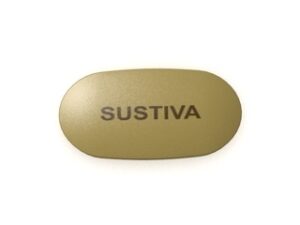
Dolutegravir is an antiretroviral medicine used in adults and some children as directed by HIV treatment guidelines. In many cases, dolutegravir is used together with other HIV medicines to form a complete regimen. It may be supplied as:
- Dolutegravir-containing tablets (often as part of a combination regimen).
- Fixed-dose combinations with other antiretroviral medicines (depending on availability).
The exact tablet strength and schedule depend on the product you receive and your treatment plan.
How dolutegravir works (mechanism of action)
After HIV enters a person’s cells, the virus must copy its genetic material into the cell’s DNA to be able to multiply. Dolutegravir works by blocking a key step in this process:
- It inhibits integrase, an enzyme HIV uses to “integrate” viral DNA into human DNA.
- This prevents the virus from establishing itself in cells and reduces viral replication.
By lowering the amount of HIV in the blood, dolutegravir helps improve immune system performance and can help achieve and maintain an undetectable viral load when used correctly with the rest of your regimen.
Pharmacokinetics (how the body handles dolutegravir)
“Pharmacokinetics” describes what the body does with a medicine—how it is absorbed, distributed, metabolised, and eliminated.
- Absorption: Dolutegravir is absorbed after taking by mouth. Food may influence absorption slightly, but it is generally suitable with or without food depending on the regimen.
- Distribution: It reaches tissues and can cross into bodily fluids where HIV may replicate.
- Metabolism: Dolutegravir is mainly processed by the liver through metabolic pathways (including enzymes such as UGT; other pathways may be involved).
- Elimination: It is cleared from the body through combined routes including liver metabolism and excretion.
In practice, this means that consistent daily dosing matters. Also, interactions with medicines that affect liver metabolism can change dolutegravir levels.
Typical use in the UK
In the UK, dolutegravir is commonly used for HIV treatment as part of combination antiretroviral therapy. It may be used in:
- Starting treatment (first-line options, depending on individual factors).
- Switching treatment for simplification, tolerability, or other clinical reasons.
- People with certain resistance patterns, where your specialist determines the best combination.
Dolutegravir is rarely used alone; HIV treatment usually requires multiple medicines to reduce the risk of viral resistance and to achieve long-term viral suppression.
Indications (what dolutegravir is used for)
Dolutegravir is indicated for the treatment of HIV-1 infection in adults and in paediatric patients where appropriate, as specified by the product licence and clinical guidance.
How to take dolutegravir: timing and routine
Your dosing schedule depends on your specific regimen and product strength. As a general patient routine:
- Take it at the same time each day to support steady drug levels.
- If you miss a dose, follow your product leaflet instructions and/or the advice of your healthcare team.
- Do not change the schedule or stop treatment without checking first, because interruptions can lead to viral rebound.
If your regimen requires twice-daily dosing (for some situations), keep the doses spaced evenly across the day.
Food interactions (taking with or without meals)
Dolutegravir can often be taken with or without food. However, specific combinations and timing with other medicines can matter.
General tips:
- If your product leaflet allows it, you can take dolutegravir with a meal or on an empty stomach.
- Choose a routine you can maintain daily.
- Be extra cautious with mineral supplements and some antacids, because they can bind dolutegravir and reduce absorption.
When products or clinicians advise special spacing, it is usually related to medicines containing minerals such as calcium, iron, magnesium, or aluminium.
Alcohol interactions
Moderate alcohol intake does not typically have a direct interaction with dolutegravir itself. However, alcohol can affect:
- Adherence (missing doses or changing timing)
- Liver health in people with hepatitis or liver disease
- Overall well-being and the ability to manage side effects
If you have liver disease, hepatitis B or C, or you notice worsening symptoms after drinking, discuss alcohol guidance with your clinician or pharmacist.
Medicine interactions (important)
Dolutegravir can interact with other medicines, potentially changing dolutegravir levels or the levels of the other medicine. Some interactions are important enough to require dose timing changes or alternative medicines.
Medicines that can reduce dolutegravir absorption
Products that contain certain minerals can bind dolutegravir in the gut and reduce absorption. Common examples include:
- Antacids containing aluminium or magnesium
- Calcium supplements
- Iron supplements
- Some multivitamins containing these minerals
Your medicine leaflet may recommend separating dosing by several hours (exact timing depends on the regimen and your product). Check the instructions provided with your specific dolutegravir product.
Medicines that affect liver enzymes
Some medicines can change how dolutegravir is metabolised. Examples include:
- Rifampicin (commonly used for tuberculosis)
- Some medicines for seizures (anticonvulsants)
- Some medications for fungal or other infections
If you take any of these, it does not automatically mean dolutegravir is unsuitable—but it may require careful adjustment and monitoring.
Other antiretroviral medicines
When dolutegravir is used in combination therapy, the overall regimen is selected to avoid problematic interactions. Your HIV team will consider how each component affects the others.
Always check before starting new treatments
- Tell your pharmacist about all medicines you take, including over-the-counter products.
- Include supplements, herbal products, and antacids.
- If you have a new prescription for antibiotics or other medicines, ask whether it interacts with dolutegravir.
Dosing: typical regimens
Dosing depends on your specific clinical situation and the exact product you’re prescribed or receive in your regimen. In general, dolutegravir-based HIV regimens often use:
- Once daily dosing for many adult regimens
- Twice daily dosing in certain situations (for example, some combinations or specific clinical circumstances)
Because products vary, always follow the instructions supplied with your medicine. If you are unsure about your dose, check your label or product leaflet.
Practical dosing checklist:
- Use the label to confirm your tablet strength.
- Confirm whether you take it once daily or twice daily.
- Take it consistently and pair it with your other regimen medicines as directed.
- If you take antacids or mineral supplements, ensure correct timing separation.
Safety profile and side effects
Like all medicines, dolutegravir can cause side effects. Many people experience none or only mild symptoms, especially after the initial weeks of therapy.
Common side effects
- Headache
- Nausea
- Diarrhoea
- Fatigue
Less common but important side effects
- Allergic reactions (seek urgent advice if you develop facial swelling, trouble breathing, or widespread rash)
- Liver-related problems (unusual tiredness, dark urine, yellowing of skin/eyes)
Monitoring
Your clinic may monitor:
- Viral load (to confirm the treatment is working)
- CD4 count (immune status)
- Blood tests including liver function and other safety parameters
Practical use tips (patient-friendly)
- Build a routine: Choose a time linked to daily habits (e.g., breakfast or bedtime).
- Use reminders: Phone alarms, pill boxes, or adherence apps can help.
- Plan for missed doses: Keep your medicine leaflet instructions accessible.
- Keep minerals separated: If you use antacids, calcium, or iron, ensure the recommended spacing from dolutegravir.
- Stay hydrated and track side effects: If diarrhoea or nausea occurs, speak with a pharmacist for advice.
- Avoid doubling up: Unless instructed, don’t take extra doses to “catch up”.
Special populations
Pregnancy and breastfeeding
If you are pregnant, planning pregnancy, or breastfeeding, it’s especially important to review dolutegravir suitability with your healthcare team. Treatment decisions in pregnancy consider:
- the need to maintain viral suppression
- the benefits and risks of available HIV regimens
- how your individual situation is best managed
Seek advice promptly if you become pregnant while taking HIV medicines.
Kidney and liver conditions
Dolutegravir is handled by the body through routes involving the liver and kidneys. If you have kidney impairment or liver disease, your clinician may adjust monitoring frequency and choose the safest regimen.
Alternative options (if dolutegravir is not suitable)
Alternative HIV treatment options depend on your medical history, viral resistance profile, previous treatment experience, and the exact goals of therapy. In general, alternative INSTIs and non-INSTI regimens may include medicines such as:
- Other integrase inhibitors (e.g., bictegravir, raltegravir, depending on local guidance and suitability)
- Medicines from other HIV classes (e.g., nucleoside reverse transcriptase inhibitors, non-nucleoside reverse transcriptase inhibitors, protease inhibitors)
Your HIV team can help determine the best alternative if dolutegravir is not appropriate due to interactions, side effects, or special circumstances.
Market and legal context in the United Kingdom
In the UK, dolutegravir is a recognised prescription-only antiretroviral medicine and is used within established HIV services and treatment pathways. Availability and prescribing practices follow:
- UK clinical guidance for HIV management
- Licensing and product information from the UK medicines regulator (MHRA)
- National HIV testing and treatment standards
- Supply arrangements through approved pharmaceutical channels
For patients, the key practical point is that HIV treatment decisions are typically individualised, and medications should be obtained through appropriate, regulated supply routes.
Recent guidance (what patients should know)
HIV treatment guidance in the UK is updated over time based on emerging clinical evidence. While specific recommendations can vary by patient group and resistance history, guidance generally emphasises:
- Early and sustained viral suppression with effective combination therapy
- Regimen simplicity and adherence support
- Careful management of interactions (especially around minerals/antacids and enzyme-altering medicines)
- Pregnancy-specific considerations and shared decision-making
If you’re currently taking dolutegravir or considering starting treatment, your HIV clinic can confirm the latest recommended approach for your circumstances.
Delivery and availability (UK)
Availability of dolutegravir depends on the specific product strength and whether it is supplied as standalone dolutegravir or as part of a combination tablet. For online pharmacy services in the UK, you can typically expect:
- Verification checks as required by UK pharmacy regulations
- Packaging designed for safe delivery
- Tracked delivery options (where available)
Delivery times can vary depending on stock levels and courier routes. When ordering, review the estimated delivery window shown at checkout and ensure delivery details are correct.
FAQs
1) Can I take dolutegravir with food?
In many cases, dolutegravir can be taken with or without food. Always follow the instructions from your specific product leaflet, and ask a pharmacist if you’re unsure—especially if you take antacids or mineral supplements.
2) What should I do if I miss a dose?
If you miss a dose, check the instructions in your product leaflet or contact a pharmacist for guidance. In general, it’s better to resume your schedule than to “double up” unless you’re told to do so.
3) Will dolutegravir cure HIV?
Dolutegravir controls HIV and helps keep viral load very low, but it is not a cure. Ongoing treatment is usually needed to maintain suppression.
4) Are there foods I must avoid?
There are usually no strict food restrictions. The main issue tends to be minerals and medicines (for example, antacids or supplements) rather than foods.
5) Can I drink alcohol while taking dolutegravir?
Moderate alcohol is not usually known to directly interact with dolutegravir. However, alcohol may affect adherence and liver health, so it’s wise to keep alcohol intake modest and seek personalised advice if you have liver problems.
6) What medicines commonly interact with dolutegravir?
Common interaction concerns include:
- Antacids and supplements containing calcium, iron, magnesium, or aluminium
- Certain medicines that affect liver enzyme activity (for example, some antibiotics for TB such as rifampicin)
- Other HIV medicines as part of regimen planning
Always check with a pharmacist if you’re starting or stopping any medicine.
7) What side effects should make me seek urgent help?
Seek urgent medical advice if you develop signs of a serious allergic reaction (such as swelling of the face/lips, difficulty breathing) or severe symptoms like jaundice (yellow skin/eyes) or severe rash.
8) Is dolutegravir safe in pregnancy?
Pregnancy considerations require individual review. If you are pregnant or planning pregnancy, discuss options with your HIV clinic promptly to ensure the safest and most effective approach.
9) How soon will my viral load improve?
Many people see viral load reductions within weeks, but the exact timeline varies by individual factors and the full regimen. Your clinic will monitor using blood tests.
10) Can I stop dolutegravir if I feel well?
If you stop HIV medicines, viral load can rise and resistance may develop. Don’t stop treatment without speaking to your clinician or pharmacist.
Key takeaways
- Dolutegravir is an INSTI that blocks HIV integration into human DNA.
- It is usually taken once daily (or twice daily in specific situations) as part of combination therapy.
- It can often be taken with or without food, but minerals/antacids may need timing separation.
- Check for drug interactions, especially with antacids and mineral supplements, and with medicines affecting liver metabolism.
- Maintain consistent dosing and attend regular monitoring appointments.
If you have questions about your specific product, dosing schedule, or interactions, speak with a pharmacist—especially before starting over-the-counter medicines, supplements, or antacids.