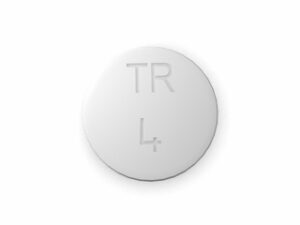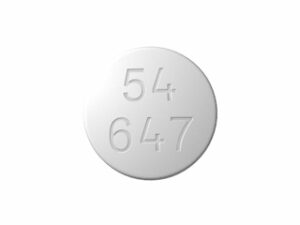



Clomid (Clomiphene) – Patient-Friendly Guide (UK)
Clomid is a medicine containing clomiphene (often referred to as clomiphene citrate in product materials). It is commonly used in fertility care to help the body produce an egg (ovulation) in people who ovulate infrequently or not at all. This guide explains how Clomid works, when it’s taken, typical dosing approaches, safety considerations, and practical tips. It is written for patients and carers in the United Kingdom.
This information is not a substitute for personalised medical advice. Your clinician may tailor treatment based on your history, blood tests, ultrasound findings, and fertility goals.
Basic product information
| Feature | Details |
|---|---|
| Medicine name | Clomid |
| Active ingredient | Clomiphene (commonly clomiphene citrate) |
| Therapeutic use | Induction of ovulation in selected fertility cases |
| How it works | Selective oestrogen receptor modulator (SERM) that supports the release of hormones needed for ovulation |
| Common route | Oral tablets |
| Typical course | Treatment is given in cycles; dose and number of cycles vary by response |
How Clomid works (mechanism of action)
Clomiphene belongs to a class of medicines called selective oestrogen receptor modulators (SERMs). In simple terms, it helps your brain “read” low oestrogen levels, encouraging the release of hormones that stimulate the ovaries.
The main steps are:
- Clomiphene binds to oestrogen receptors in the brain (hypothalamus and pituitary).
- This interferes with the normal feedback from oestrogen.
- The pituitary increases production of follicle-stimulating hormone (FSH) and luteinising hormone (LH).
- FSH supports follicle development in the ovaries; later, an LH surge triggers ovulation.
- After ovulation, the developing corpus luteum produces progesterone.
Not everyone responds the same way. Some people will ovulate readily; others may require dose adjustment or a different strategy. Monitoring (blood tests and/or ultrasound) may be used to support safe and effective use.
Pharmacokinetics: how the body processes clomiphene
Pharmacokinetics describes how a drug is absorbed, distributed, metabolised, and eliminated. Clomiphene has characteristics that contribute to its “cycle-based” use:
- Absorption: Clomiphene is taken by mouth and absorbed from the gastrointestinal tract.
- Distribution: It distributes widely throughout the body, including reproductive tissues.
- Metabolism: It is metabolised mainly in the liver.
- Elimination: Clomiphene and its active forms are cleared slowly. This contributes to prolonged activity and is part of why cycle planning matters.
- Half-life: The effective half-life can be relatively long, so effects can extend beyond a single tablet-taking period.
Because of this longer duration, your clinician may advise spacing cycles and limiting total number of cycles, to reduce the risk of side effects.
Typical use in the UK
In the UK, clomiphene is used to help with ovulation induction in people who have fertility difficulties related to ovulation problems. It is typically considered when ovulation is infrequent or absent, often in conditions such as:
- Polycystic ovary syndrome (PCOS) or other ovulatory dysfunction
- Unexplained ovulation problems where appropriate after medical assessment
- Other selected endocrine causes of anovulation (depending on clinical evaluation)
It may be used alone or alongside fertility measures, based on your situation. Your fertility team may also discuss lifestyle factors and treat associated issues (for example, thyroid or prolactin disorders) before or during ovulation induction.
Indications (what it is used for)
Clomiphene is indicated for induction of ovulation in individuals with ovulatory dysfunction. The exact eligibility depends on your medical assessment and diagnosis.
Key clinical goals include:
- Encouraging the ovaries to develop a follicle and release an egg
- Improving the chance of natural conception during timed fertile days
- Helping clinicians assess response via ovulation signs (for example, blood progesterone or ultrasound)
How to take Clomid: timing and dosing principles
Clomiphene is usually taken early in the menstrual cycle, commonly starting on (or around) cycle day 2–5, depending on the clinician’s plan and your cycle pattern. The goal is to stimulate follicle development so ovulation occurs later in the cycle.
General dosing approach (overview)
Dosing varies by individual response. Many regimens start at a lower dose and increase if ovulation does not occur. A typical pattern is:
- Start dose: often a lower amount on selected cycle days
- Assessment: your clinician monitors for ovulation (for example, progesterone levels and/or ultrasound)
- Adjustment: if you do not ovulate, the dose may be increased in later cycles
- Cycle limits: many guidelines advise limiting the number of cycles due to cumulative risks
Because product strengths and regimens can differ, always follow the dose and schedule provided by your healthcare professional and the medicine’s packaging instructions.
When ovulation may occur
Ovulation usually occurs about 5–10 days after the last tablet in the cycle (timing can vary). Your clinician may help you estimate fertile days using:
- Cycle tracking (including ovulation predictor kits, when suitable)
- Ultrasound follicle size monitoring
- Blood tests such as mid-luteal progesterone
Timing intercourse (practical fertility guidance)
Many people aim for intercourse around the predicted fertile window. A common strategy is:
- Have intercourse around the time of expected ovulation and in the days leading up to it
- If using ovulation prediction kits, follow the guidance from your fertility team for how to interpret results
Consistency and timing can matter more than “trying everything at once.” If you are unsure how to interpret monitoring results, ask your clinic.
Food interactions: what to know
Clomiphene tablets can generally be taken with or without food. However, individual tolerability varies, and taking them with a light meal or in the evening may help if you experience nausea.
Specific food interactions are not usually a major concern compared with major medicine interactions and safety monitoring. Still, consider the following:
- Stomach upset: If you experience nausea, try taking with food.
- Consistent routine: Keeping the same time each day can support steadier symptom control and adherence.
- Folate and nutrition: If you are trying to conceive, many clinicians recommend folic acid as part of preconception care.
If you have digestive problems, gallbladder disease, or liver concerns, discuss this with your clinician.
Alcohol and medicine interactions
In most cases, moderate alcohol consumption is not specifically known to have a direct interaction with clomiphene. However, alcohol can affect overall health, hydration, sleep, and reproductive planning, and may worsen side effects such as:
- Headache
- Nausea
- Fatigue or mood changes
Because clomiphene has effects on hormones and can sometimes cause dizziness or visual symptoms, it’s sensible to avoid heavy drinking and to be cautious if alcohol makes you feel unwell. If you are taking other medicines alongside clomiphene (for example, for PCOS, thyroid, infection, mood, or blood pressure), it’s important to check interactions for those medicines too.
When to avoid or seek advice
- If you have liver disease or raised liver enzymes
- If you experience severe side effects (see safety section)
- If you are taking medications that already affect the liver or have complex interaction profiles
Safety profile: common and important risks
Like all medicines, clomiphene can cause side effects. Many are mild and temporary, but some effects need urgent attention. Below is a patient-focused overview.
Common side effects
- Hot flushes
- Headache
- Nausea or stomach discomfort
- Bloating
- Mood changes (e.g., irritability)
- Breast tenderness
- Visual disturbances (usually temporary; see urgent symptoms)
- Vaginal spotting or irregular bleeding
Important risks and when to contact a clinician urgently
- Visual symptoms: Seek urgent advice if you develop persistent or worsening blurred vision, double vision, flashes, or loss of vision.
- Severe abdominal pain or swelling: Report urgently, especially if you have significant bloating or pain.
- Shortness of breath or rapid weight gain with abdominal swelling (seek urgent assessment).
- Severe allergic reactions: swelling of the face/lips, breathing difficulty, or widespread rash—seek emergency help.
- Unusual vaginal bleeding: contact your clinician promptly for advice.
Risk of multiple pregnancy
Ovulation induction can increase the chance of twins or higher-order multiples. Your clinician may discuss how this risk changes depending on dose, monitoring findings, and your individual response.
Ovarian cysts and ovarian enlargement
Clomiphene can cause ovarian cysts or enlargement, sometimes due to ovarian follicles that do not resolve as expected. Monitoring can help reduce risk. If you experience significant pelvic pain or worsening symptoms, contact your healthcare team.
Uterine lining (endometrium)
Clomiphene may affect the thickness and quality of the uterine lining (endometrium) in some people, which can influence implantation. Clinicians may use ultrasound assessment if appropriate.
Long-term safety and cycle limits
Because clomiphene has a longer duration of action, many care pathways set limits on the total number of cycles and require reassessment if ovulation is not achieved or pregnancy does not occur. This helps balance benefits with possible risks.
Practical use tips for patients
- Follow the cycle schedule closely: starting and finishing days matter for timing ovulation.
- Track symptoms: note headaches, visual changes, bloating, or mood changes; contact your clinic if they become significant.
- Use a simple reminder: set phone alarms for each day’s dose.
- Plan for monitoring: if your clinician schedules blood tests or ultrasound, keep these appointments.
- Hydrate and eat lightly: may reduce nausea and bloating.
- Don’t double up: if you miss a tablet, follow your prescriber/pharmacist advice rather than taking extra doses.
- Be alert to visual symptoms: avoid activities requiring perfect vision if you feel unwell, and report persistent changes.
Alcohol, driving, and visual effects
Clomiphene can (in some people) cause visual disturbances or dizziness. If you experience these symptoms:
- Avoid driving or operating machinery until you feel normal.
- Be particularly cautious with alcohol, which can increase drowsiness or dizziness in some individuals.
- Seek urgent advice if visual symptoms are severe or persistent.
Medicine interactions: what to tell your pharmacist/clinician
Interactions depend on your current medicines and medical history. Always share a full list of medicines and supplements with your healthcare team. Examples of areas where extra checking may be needed include:
- Liver-affecting medicines or supplements (because clomiphene is metabolised in the liver)
- Hormonal medicines (including other fertility treatments and certain contraceptives—discuss your plan with your clinic)
- Medicines affecting mood if you experience emotional side effects
- Other fertility agents used concurrently
If you are unsure whether a medicine or herbal product might interact, ask your pharmacist. In fertility care, the “right” combination often depends on cycle timing and the specific cause of ovulatory dysfunction.
Dosing and administration: how regimens are commonly structured
Clomiphene treatment is typically delivered in cycles. The number of tablets and the dose may differ between clinics and between successive cycles depending on response.
Common cycle structure (example pattern)
Many regimens involve taking tablets for several days early in the cycle. A clinician may use a “step-up” approach:
- Start on an early cycle day
- Continue for a set number of days
- Wait for ovulation to occur
- Assess whether ovulation happened
- If not, consider dose adjustment in the next cycle
Your exact dose should be confirmed with your clinician or as stated in your prescribed/dispensed medicine instructions.
Missed doses
If you miss a dose, do not take extra tablets without advice. Contact your clinic or pharmacist for guidance, because timing affects ovulation induction.
Who should use Clomid with extra caution?
Extra caution and/or specialist guidance is essential if you have any of the following (your clinician will assess suitability):
- Liver problems
- Abnormal vaginal bleeding of unknown cause
- Ovarian cysts or enlarged ovaries not related to current treatment plan
- Severe visual disorders or history of significant visual side effects
- Hormone-related conditions requiring careful evaluation
- Other fertility treatments used concurrently
Alternative options
Depending on the underlying cause of ovulatory dysfunction, there are alternative fertility approaches that your clinician may discuss. Alternatives can include:
- Letrozole: often used for ovulation induction, especially in PCOS in many pathways
- Metformin (in selected PCOS cases), sometimes to improve metabolic factors and ovulatory regularity
- Gonadotrophins (injectable follicle-stimulating hormone preparations) with careful monitoring
- Lifestyle interventions for metabolic or weight-related factors where appropriate
- Referral to assisted reproduction (for example, if multiple cycles are unsuccessful or if additional fertility factors are present)
The best alternative depends on diagnosis, your age, cycle history, prior responses, and partner factors. Your clinician can help you weigh benefits and risks for each option.
Market and legal context in the UK
In the UK, medicines are regulated by the Medicines and Healthcare products Regulatory Agency (MHRA) and are dispensed according to UK medicines legislation and professional standards. Fertility medicines may be handled under specific supply and governance requirements depending on classification and local prescribing/dispensing pathways.
Your pharmacy will follow applicable regulations for storage, labelling, supply, and patient information. Always check that you have the correct product, strength, and instructions for your situation.
Recent guidance (high-level overview)
In UK fertility care, guidance continues to evolve as evidence accumulates. In general:
- Clinicians consider the most appropriate ovulation induction option based on diagnosis (commonly PCOS) and patient factors.
- Monitoring strategies may be used to reduce risks and improve effectiveness.
- Cycle limits and reassessment are commonly recommended if ovulation does not occur or pregnancy does not happen after a defined number of cycles.
- Visual and other safety issues are taken seriously, and patients are advised to report symptoms promptly.
If you are using clomiphene, ask your clinic what monitoring and cycle limits apply to your case.
Delivery and availability (online pharmacy UK)
Availability can vary depending on manufacturer supply, product formulation, and packaging formats. When ordering online, ensure the product is the correct medicine and strength for your needs.
What to expect
- Stock availability: some schedules may fluctuate, particularly for specific pack sizes.
- Packaging and labelling: your order should arrive in manufacturer or pharmacy-compliant packaging with clear instructions.
- Delivery times: delivery speed depends on the service level selected and local courier networks.
- Storage: store tablets as directed on the packaging (typically at room temperature, away from moisture and heat).
If you have not received your order or the packaging appears damaged, contact the pharmacy support team.
FAQ: Frequently asked questions
1) When should I start Clomid in my cycle?
It is usually started early in the menstrual cycle, often around cycle day 2–5. Your clinician will specify the exact start day based on your cycle pattern.
2) How long does Clomid take to work?
Ovulation typically occurs about 5–10 days after the last tablet, but individual timing can vary. Monitoring may help refine your fertile window.
3) Can I take Clomid with food?
Yes. Many people find it easier on the stomach if taken with a meal, but you can usually take it with or without food—follow your instructions.
4) What if I don’t ovulate on the first cycle?
Not ovulating can happen. Your clinician may adjust the dose or reassess with tests such as progesterone levels and/or ultrasound monitoring in subsequent cycles. It’s important not to change dosing without medical guidance.
5) What are the chances of twins?
Clomiphene can increase the chance of multiple pregnancy. The exact risk depends on factors like your response and the number of developing follicles. Your fertility team can provide a personalised estimate based on monitoring results.
6) Are there any food or drink restrictions?
There are typically no strict food restrictions, but alcohol is best kept moderate since it may worsen symptoms and overall health. If you have liver concerns or other medical issues, seek advice.
7) What side effects are most common?
Common side effects include hot flushes, headache, nausea, bloating, mood changes, breast tenderness, and irregular bleeding or spotting. Many settle after treatment.
8) When should I contact a doctor urgently?
Seek urgent medical advice if you have persistent/worsening visual symptoms, severe abdominal pain, significant swelling/bloating, shortness of breath, or signs of a severe allergic reaction.
9) Can I use ovulation predictor kits with Clomid?
Sometimes. They may help identify an LH surge, but results can be confusing depending on your overall cycle pattern. Ask your clinic how they want you to use them alongside any ultrasound or blood tests.
10) How many cycles can I take?
Many pathways limit the number of cycles before reassessment. The right number depends on your response, age, and risk profile. Follow your clinician’s plan.
11) What are the alternatives if Clomid doesn’t help?
Depending on your diagnosis, alternatives may include letrozole, metformin (selected cases), injectable gonadotrophins, or referral for further fertility assessment/assisted reproduction.
12) Is it safe to drive?
Avoid driving if you experience dizziness or visual changes. If symptoms are severe or persistent, seek medical advice promptly.
Summary
Clomid (clomiphene) is an oral medicine used for ovulation induction in selected fertility cases in the UK. By acting as a selective oestrogen receptor modulator, it can help restart the hormonal signals needed for follicle development and ovulation. Its effects can last beyond the days you take the tablets, so careful cycle timing and monitoring are important.
If you decide to use Clomid, focus on:
- Taking it exactly as scheduled
- Attending any monitoring appointments
- Reporting significant side effects—especially visual symptoms or severe abdominal pain—promptly
- Discussing next steps if ovulation or pregnancy does not occur after defined cycles