Betapace (Sotalol) – Patient Information Guide (UK)
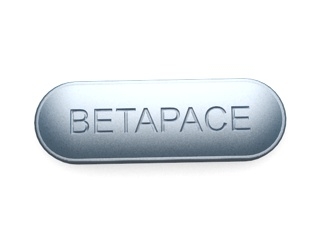
Betapace is a brand name of sotalol, a medicine used to treat certain heart rhythm problems. It belongs to a group of medicines known as antiarrhythmics and also has beta-blocking effects. Because sotalol can affect the electrical activity of the heart, it requires careful assessment and monitoring.
This guide explains what Betapace is, how it works, how it is used in the United Kingdom, key safety information, interactions, and practical tips to help you use it correctly.
1) Basic product information
| Item | Details |
|---|---|
| Medicine | Betapace |
| Active ingredient | Sotalol |
| Medicine type | Antiarrhythmic with beta-blocker properties |
| How it works | Blocks potassium channels and reduces adrenergic effects on the heart |
| Common dosing form | Tablets (strengths vary by product availability) |
| Typical use | Management of certain abnormal heart rhythms |
Note: Brand availability and tablet strengths can change over time. Always check the exact strength and instructions on your specific pack and the advice given by your healthcare professional.
2) How Betapace works (mechanism of action)
Sotalol affects the heart’s electrical system in two main ways:
- Class III antiarrhythmic effect: Sotalol blocks certain potassium channels (commonly described as delayed rectifier potassium current). This helps to prolong cardiac repolarisation, which can help stabilise abnormal rhythms.
- Beta-blocker effect: It also blocks beta-adrenergic receptors, which can slow the heart rate and reduce the influence of stress hormones on the heart.
Because it can prolong the QT interval on an ECG, sotalol may increase the risk of certain rhythm disturbances in some people. This is one reason for dose careful selection and ongoing monitoring.
3) Pharmacokinetics (how the body handles sotalol)
Understanding pharmacokinetics can help explain dosing schedules and why kidney function matters.
- Absorption: Sotalol is absorbed after oral dosing. The extent and rate of absorption can vary between individuals.
- Distribution: Sotalol distributes through body tissues, including the heart.
- Metabolism: Sotalol is not extensively metabolised in the liver. This means drug interactions via liver metabolism may be less prominent than with some other medicines.
- Elimination: The drug is mainly eliminated by the kidneys via urine.
- Half-life: Sotalol has a relatively prolonged half-life, supporting divided dosing. In people with reduced kidney function, the effect may last longer.
Kidney function is particularly important: If kidney function is decreased, sotalol can accumulate and increase the likelihood of side effects, including rhythm-related risks. Your healthcare team may adjust the dose according to your kidney function and use ECG checks.
4) What Betapace is used for (typical indications)
Betapace is used to manage certain abnormal heart rhythms (arrhythmias), typically when other options are not suitable or have been ineffective. Common uses include:
- Ventricular arrhythmias (certain types that may require antiarrhythmic treatment)
- Supraventricular arrhythmias (selected cases, depending on overall assessment)
- Situations where rhythm control is needed and sotalol’s benefits outweigh its risks
Which specific rhythm a person has, and whether sotalol is appropriate, depends on the ECG findings, symptom burden (such as palpitations, dizziness, fainting), and the person’s overall health.
5) Timing and how to take Betapace
How you take sotalol can affect blood levels and symptom control. General principles for patient-friendly use include:
- Take tablets at the same times each day.
- Swallow tablets whole with water unless your product guidance says otherwise.
- Do not double up to make up for a missed dose. Follow the advice on your medicine label or the instructions provided with your medication.
- Keep track of your dose schedule. Many people find a daily alarm helpful.
Starting and monitoring: When starting sotalol or increasing the dose, healthcare teams often check an ECG (and sometimes blood tests) to assess QT interval and electrolytes. This helps reduce risk.
6) Food interactions
Food effects: Sotalol can be taken with or without food for many patients, but the overall effect may vary by product and individual factors.
- If your pack instructions say to take it with food, follow that guidance.
- If it is acceptable to take it either way, try to be consistent (e.g., always with meals or always on an empty stomach) to help maintain stable absorption.
If you notice symptoms after changing how you take your dose (for example, new dizziness, faintness, or a worsening of palpitations), contact a healthcare professional promptly.
7) Alcohol and medicine interactions
Alcohol
Alcohol may increase the risk of side effects such as dizziness, light-headedness, and low blood pressure, especially when combined with beta-blocking medicines. It may also affect sleep and hydration, which can indirectly worsen rhythm stability.
Practical advice:
- Keep alcohol intake moderate or avoid it if you notice symptoms.
- Avoid binge drinking, and stay well hydrated.
Medicines that may interact with Betapace
Certain medicines can increase the risk of abnormal heart rhythms, particularly by affecting heart rate, electrolytes, or the QT interval.
Key interaction categories to discuss with your healthcare team:
- Other QT-prolonging medicines (some antiarrhythmics, antibiotics such as certain macrolides or fluoroquinolones, antipsychotics, antidepressants, and some antiemetics)
- Medicines that slow heart rate (for example, some calcium channel blockers like verapamil or diltiazem, and other rate-slowing drugs)
- Diuretics (especially those that can lower potassium or magnesium, which increases arrhythmia risk)
- Electrolyte-altering medicines (for example, some laxatives in high amounts or medicines that affect hydration status)
- Medicines for asthma or breathing problems that may also influence heart rate in some people
Important: Provide a full list of your medicines to your healthcare professional and pharmacist, including over-the-counter products and supplements. If you start a new medicine, ask whether it is safe with sotalol.
8) How Betapace is prescribed in practice: dosing guidance
Dosing is individual and depends on your rhythm type, ECG results (especially QT interval), heart rate, blood pressure, and kidney function.
General dosing principles (patient-friendly):
- Start at a lower dose in many people and adjust based on response and monitoring.
- Kidney function adjustments: because sotalol is mainly cleared by the kidneys, dose frequency and strength may be reduced in people with impaired kidney function.
- ECG monitoring: your healthcare team may check ECG after starting and after dose changes, and may monitor ongoing QT interval.
- Electrolytes: potassium and magnesium levels may be checked, as low levels can increase the risk of rhythm disturbances.
Do not adjust your dose yourself. If you think the medicine is not working or if you experience side effects, speak to your healthcare professional rather than stopping suddenly.
If you miss a dose: Follow the guidance provided with your medicine. If you are unsure, contact your pharmacy or healthcare team for advice.
9) Safety profile: important risks and when to seek help
Most people tolerate sotalol appropriately when it is carefully selected and monitored. However, it can cause serious side effects in some circumstances—particularly rhythm-related effects.
Common side effects
- Feeling tired or low energy
- Dizziness or light-headedness
- Slow heart rate (bradycardia)
- Shortness of breath or exercise intolerance (in some people)
- Cold hands or feet
- Headache
- Gastrointestinal upset (such as nausea)
Serious side effects (seek urgent advice)
Contact urgent medical help (e.g., NHS 111 for urgent advice, or emergency services if severe) if you experience:
- Fainting (syncope)
- Severe dizziness or feeling like you might pass out
- New or worsening palpitations with feeling unwell
- Chest pain or significant shortness of breath
- Signs of dangerously slow heart rate (very weak, confused, or unable to function normally)
These symptoms may indicate a potentially dangerous rhythm disturbance.
QT prolongation and torsades de pointes risk
Sotalol can prolong the QT interval, which can rarely lead to a specific dangerous rhythm called torsades de pointes. Risk is increased by:
- Low potassium (hypokalaemia) or low magnesium (hypomagnesaemia)
- Other medicines that also prolong QT
- Higher doses or rapid dose changes
- Congenital long QT syndrome
- Existing heart disease or heart failure in certain situations
- Slow heart rate
Special safety considerations
- Kidney impairment: increases risk of accumulation—may require dose adjustment and closer monitoring.
- Asthma or wheezing: beta-blocker effects may worsen symptoms in susceptible people.
- Diabetes: beta-blockers can mask some warning signs of low blood sugar (such as fast heartbeat).
- Thyroid disease: sotalol can affect symptoms like tremor and rapid heartbeat.
10) Practical use tips
- Attend ECG and blood test appointments if your clinician schedules them—these are important for safety.
- Keep hydrated, especially during hot weather or if you have vomiting or diarrhoea (electrolyte disturbances can increase risk).
- Know your medicines: carry a list (including OTC medicines and supplements).
- Be cautious with new drugs: antibiotics, antifungals, and some mental health medicines can interact.
- Watch for symptoms: dizziness, fainting, or new palpitations should be taken seriously.
- Avoid sudden changes in dosing or stopping—unless a clinician advises.
11) Alternative options for rhythm control
“Alternative” depends on your specific rhythm diagnosis, ECG findings, comorbidities, and prior treatment history. In the UK, your cardiologist/clinician may consider:
- Other antiarrhythmic medicines (selected based on rhythm type and safety profile)
- Rate control medicines (aim to slow the heart rate rather than restore normal rhythm)
- Catheter ablation (in selected rhythm disorders, particularly when medication is not effective or side effects occur)
- Lifestyle and trigger management (for example, addressing caffeine/alcohol triggers, sleep apnoea, and electrolyte disturbances)
Discuss suitability: Your healthcare team can explain why sotalol was chosen and what other strategies might be appropriate if it does not work for you.
12) Betapace in the UK: market and legal context
Betapace (sotalol) is a prescription-only medicine in the UK. Availability can vary by strength and manufacturer. UK regulation and pharmacy supply practices support safe distribution and monitoring.
Monitoring and guidance: In routine clinical care, UK guidance emphasises ECG monitoring for QT effects and careful review of interacting medicines and electrolyte status. Clinicians also consider renal function due to sotalol’s primary kidney clearance.
Recent clinical approach (general themes):
- More attention to QT risk assessment before and after starting QT-prolonging antiarrhythmics.
- Closer review of drug–drug interactions, including common medicines that may be overlooked (for example, some antibiotics and antipsychotics).
- Greater use of individualised dosing based on renal function and ECG response.
If you want, your pharmacist can help you check whether any current medicines may increase QT risk.
13) Delivery and availability (UK)
Online pharmacies in the UK may offer home delivery where legally permitted and where a valid supply process is followed. Delivery times depend on:
- Your postcode area
- Stock availability
- Whether cold-chain or special handling is required (sotalol tablets typically do not require cold storage)
- Cut-off times for same-day dispatch (where applicable)
What to expect:
- Packaging that protects tablets from moisture
- Clear labelling with dose instructions and strength
- Customer support for delivery queries
Availability can change. If your preferred strength is temporarily out of stock, your pharmacy may advise alternatives available in the UK market (such as different brands of sotalol, if appropriate).
14) FAQ – Frequently asked questions
How long does Betapace take to work?
Many people notice changes in heart rhythm control within hours to a day after starting, but the full effect and safe stabilisation may take longer, especially once ECG monitoring confirms an appropriate QT interval and dose response.
Why do I need ECG monitoring?
Sotalol can prolong the QT interval and slow the heart rate. ECG checks help your healthcare team confirm the medicine is being used safely, particularly after starting or increasing the dose.
Can I take Betapace with my other heart medications?
Sometimes yes, but it depends on the specific medicines and your ECG/QT risk. Some medicines can significantly increase rhythm risk when combined with sotalol. Always check with your pharmacist or healthcare team.
What should I do if I miss a dose?
Follow the instructions on your medicine label or the guidance provided by your pharmacy. In general, you should not double up without advice. If you are unsure, contact your pharmacist for guidance.
Is Betapace safe for people with kidney problems?
It can be used in some people, but dosing usually requires adjustment because sotalol is cleared mainly by the kidneys. Kidney function tests help determine the safest dose and frequency.
Will Betapace make me feel tired?
Some tiredness or reduced exercise tolerance can occur, especially early in treatment. If symptoms are severe or you feel faint, seek medical advice promptly.
Can I drink alcohol while taking Betapace?
Alcohol may worsen dizziness or low blood pressure and can indirectly affect rhythm stability. If you choose to drink, do so cautiously and avoid binge drinking. If alcohol triggers symptoms, it’s best to avoid it.
What foods or drinks interact with sotalol?
Food effects are usually manageable, and sotalol can often be taken with or without food. Consistency is helpful. The most important “interaction” considerations are typically medicines and electrolytes rather than specific foods.
Are there warning signs I should never ignore?
Yes. Seek urgent medical advice if you experience fainting, severe dizziness, chest pain, severe shortness of breath, or new/worsening palpitations, as these could indicate a significant rhythm disturbance.
What are the main alternatives to sotalol?
Alternatives may include other antiarrhythmic or rate-control medicines, catheter ablation, or non-drug strategies depending on your specific arrhythmia. A clinician can recommend options based on your diagnosis and safety profile.
Always follow the instructions provided with your medicine. If you have questions about side effects, interactions, or monitoring, speak to a healthcare professional or pharmacist.