Imiquimod (UK) — Patient-Friendly Medicine Information
Imiquimod is a medicine used to treat certain skin conditions caused by abnormal cell growth and (in some cases) viral infection. It is applied directly to the affected skin, where it helps stimulate the body’s local immune response. This leaflet-style guide explains how imiquimod works, how to use it safely and effectively, what to expect, and where to find recent UK-relevant guidance.
Basic product information
- Active ingredient: Imiquimod
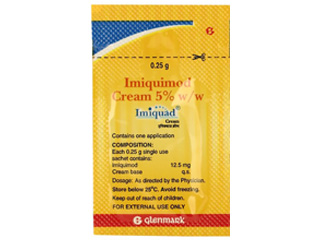
- How it’s supplied: Cream
- Common strengths: Commonly available as 5% cream (some strengths/pack sizes may vary by product)
- Route of administration: Topical (applied to skin)
- General brand names: May vary; ask your pharmacist for the exact product you are buying
- Who it’s for: People with specific skin conditions that match the approved/indicated use for the product
Note: Brand names and pack sizes can differ across the UK. Always check the package label for the exact strength and instructions provided with your product.
How imiquimod works (mechanism of action)
Imiquimod is an immune response modifier. When applied to the skin, it activates parts of the immune system locally, helping the body recognise and respond to abnormal or infected cells.
In simplified terms:
- Imiquimod binds to receptors in immune cells in the skin.
- This leads to increased release of immune signalling proteins (including interferon and other cytokines).
- The immune response helps remove or control abnormal cells in the treated area.
- Over time, the treated lesions may shrink, crust, and heal—though temporary skin reactions are common.
Pharmacokinetics (how the body handles it)
Imiquimod is used on the skin, and only small amounts are absorbed into the bloodstream in most patients. The exact level of absorption can vary depending on:
- Skin condition (for example, broken or inflamed skin may absorb more)
- Amount used and frequency
- Whether the area is covered with dressings or bandages
- Surface area treated and duration of contact
Absorption: Generally low through intact skin; higher through irritated/broken skin.
Distribution: Limited systemic distribution is expected due to low absorption.
Metabolism & elimination: Like many drugs, it is broken down in the body and eliminated mainly through normal clearance processes. Systemic exposure is usually limited when used as directed.
If you have kidney or liver problems or are using it over large areas, your healthcare advice may differ based on clinical judgement.
Typical uses in the UK
Imiquimod is used for certain conditions where an immune-stimulating topical treatment is appropriate. The exact approved indications depend on product strength and local regulatory status.
Common indications may include:
- External genital warts (condyloma acuminata) in adults
- Superficial basal cell carcinoma (in selected cases and under appropriate guidance)
- Actinic keratosis (sun-damaged skin lesions) in selected patients
- Other specific skin lesions as directed by UK product guidance and clinical assessment
Important: Not all skin growths are suitable for imiquimod. A diagnosis from a clinician is important, particularly for persistent or changing lesions.
Timing and how soon results may appear
Results vary by condition and the size/number of lesions. Many people notice early skin reactions (such as redness, swelling, or mild burning) within the first days, which can indicate the medicine is working locally.
- Early phase: Local skin redness or irritation may appear within the first 1–2 weeks.
- Middle phase: Lesions may crust, scab, or become more inflamed before improving.
- Resolution phase: Healing and clear skin may take several weeks after treatment ends.
Typical duration: The treatment course differs by condition (for example, genital warts may require repeated applications over weeks; other conditions may require different schedules). Always follow the specific regimen provided for your product and condition.
Food interactions
Because imiquimod is applied to the skin and systemic absorption is generally low, food interactions are not expected. There is no known requirement to avoid specific foods when using topical imiquimod.
Alcohol and medicine interactions
Alcohol: There is no specific direct interaction expected between alcohol and topical imiquimod. However, alcohol can worsen skin inflammation or affect overall wellbeing in some people, so it may indirectly increase discomfort.
Other medicines: Tell your pharmacist or clinician about all medicines you use, including:
- Other topical products applied to the same area (creams, ointments, antiseptics)
- Immunosuppressing medicines (for example, certain treatments affecting the immune system)
- Medicines that affect skin healing or inflammation
Practical guidance: Avoid applying other strong irritants to the same treated area unless advised, as this can increase local reactions.
Indications and when it may not be suitable
Imiquimod is intended for specific diagnosed conditions. It is not a general “anti-ageing” or “wart remover” for all skin problems.
It may be unsuitable or require extra caution if you:
- Have a lesion that has not been diagnosed by a clinician
- Have broken, severely inflamed, or infected skin in the target area
- Are immunocompromised (your prescriber may adjust advice)
- Have had a severe reaction to imiquimod or similar topical medicines
- Are pregnant, planning pregnancy, or breastfeeding (speak to a clinician for tailored advice)
Dosing — general guidance by common regimens
Always use the dose schedule given for your specific condition and product strength. Below is patient-friendly general information about dosing patterns commonly used in practice.
General principles
- Apply to clean, dry skin (typically before bedtime)
- Use a thin layer on the affected area as directed
- Wash hands after applying (unless hands are the area being treated)
- Usually the cream is applied and left on the skin for a prescribed number of hours, then washed off
- Do not exceed the recommended frequency or amount
Common dosing schedules (examples)
Different conditions use different schedules. The table below gives examples of how regimens are often structured. Your exact plan may differ.
| Condition (example) | Typical application frequency | Typical duration | How it’s usually used |
|---|---|---|---|
| External genital warts | Often several times per week | Several weeks, sometimes longer depending on response | Apply at bedtime, leave on the skin for a set period, then wash off |
| Actinic keratosis | Often on multiple days per week | Several weeks | Applied to the area of sun-damaged skin as directed |
| Superficial skin lesions such as superficial basal cell carcinoma | Often on a structured schedule (e.g., multiple nights per week) | Several weeks | Small, defined lesions; follow exact regimen |
Why schedules differ: Imiquimod is used based on the condition’s typical biology and the expected immune response pattern. The “right” schedule helps balance effectiveness with skin tolerance.
If your product label or your clinician’s plan differs from the example above, follow the instructions supplied with your treatment.
Practical step-by-step use tips
Before you apply
- Wash the area gently with water and pat dry.
- Check the skin for signs of severe infection (pus, rapidly worsening pain, spreading redness). Seek medical advice if present.
When applying
- Use a small amount and apply only to the affected area (plus any margin as advised).
- Avoid eyes, lips, inside the nostrils, and inside the genitals.
- Do not apply to open wounds unless specifically instructed.
After applying
- Wash your hands thoroughly.
- If you touch the treated area and then touch your eyes or other sensitive areas, irritation may occur.
- Leave on for the specified time, then wash off using mild water/cleanser as directed by your regimen.
Covering the treated area
Covering is sometimes recommended or avoided depending on condition and product instructions. In general:
- Avoid airtight occlusion unless advised, as it may increase absorption and irritation.
- Use breathable dressings if needed for comfort and to prevent friction.
Common side effects and safety profile
Imiquimod commonly causes local skin reactions. These are often expected, especially in the early weeks of treatment, and usually improve as treatment stops.
Common local reactions
- Redness (erythema)
- Swelling
- Burning or stinging
- Itching
- Dryness, flaking, or peeling
- Crusting and scabbing
- Soreness or mild pain
General (systemic) side effects (less common)
- Flu-like symptoms (fatigue, aches, feverish feeling)
- Headache
Serious or urgent warnings
Seek urgent medical help if you develop:
- Severe allergic reactions (e.g., swelling of face/lips, difficulty breathing, widespread rash)
- Severe blistering/ulceration or rapidly worsening pain
- Signs of infection where the medicine was applied (spreading redness, pus, fever)
When to stop and get advice
Stop using and contact a clinician or pharmacist for advice if you experience:
- Intolerable pain or extensive skin breakdown
- Unexpected bleeding or a lesion that looks significantly worse rather than healing
- Symptoms that persist or worsen after treatment ends
Food interactions, skin care, and what to avoid
There are no specific food-related issues expected with imiquimod. However, skin care choices can affect comfort and tolerance.
Avoid:
- Scrubbing the treated area
- Perfumed products or strong antiseptics on the same skin
- Sharing towels
- Sex or friction in sensitive areas if advised—genital treatment may require additional precautions (see below)
Consider:
- Using gentle cleansers
- Loose, breathable clothing to reduce rubbing
- Moisturising only if recommended/appropriate for your specific regimen (some moisturisers may irritate or dilute the medicine)
Practical use considerations for genital warts
If you are using imiquimod for external genital warts, keep these practical points in mind:
- Condom guidance: Imiquimod may weaken latex and rubber barrier protection in some situations. Consider reliable contraceptive/barrier alternatives as advised by a clinician or pharmacist.
- Sexual contact: Avoid or minimise sexual contact during treatment if irritation is present. Warts and treatment-related inflammation can increase discomfort and the risk of transmission.
- Partner considerations: Your sexual health clinic or clinician may advise partner testing or treatment where appropriate.
Always follow the guidance in your product information and any condition-specific advice given by a healthcare professional.
Alternative options
Depending on the diagnosed condition, other treatment options may be available. Your clinician may choose alternatives based on lesion type, size, location, and your skin sensitivity.
Possible alternatives (examples)
- Cryotherapy (freezing lesions)
- Topical treatments such as other immune-modulating or destructive agents (availability varies)
- Surgical options (e.g., excision, curettage) for selected lesions
- Photodynamic therapy for certain sun-damaged lesions
- Radiotherapy or other specialist treatments in appropriate settings
If you have concerns about irritation, healing time, or effectiveness, ask a clinician which alternatives are best suited for your specific skin diagnosis.
Market and legal context for the UK
Imiquimod availability and product status in the UK can vary by indication and formulation. In the UK, medicines are regulated and supplied according to legislation and product classification.
- Regulatory framework: Medicines are authorised and monitored under UK regulatory systems.
- Supply arrangements: Depending on product and indication, supply may require appropriate assessment by a healthcare professional and adherence to UK prescribing/supply standards.
- Quality and safety: UK supply chains aim to ensure authenticity, correct dosing strength, and safe storage.
Important: Only use imiquimod for the condition it is intended for, and follow local clinical guidance for follow-up and monitoring.
Recent UK guidance and clinical approach (high-level)
Clinical practice in the UK typically emphasises:
- Accurate diagnosis of skin lesions before starting topical therapy.
- Structured treatment schedules and clear instructions to manage expected local reactions.
- Follow-up if lesions do not improve or if there are signs of progression.
- Sun protection for conditions linked to UV exposure (particularly actinic keratosis and other sun-damage-related lesions).
Guidance may be updated periodically by professional bodies and NHS services. Your pharmacist can help point you toward current, reputable NHS/clinical information where available.
Delivery and availability (online pharmacy in the UK)
Availability can depend on product strength and packaging. When ordering online:
- Choose the correct product strength and formulation (cream) for your intended use.
- Check storage instructions on the outer packaging (most topical medicines should be kept as directed).
- Confirm delivery options and estimated dispatch times shown at checkout.
- Ensure you can take delivery safely (medicines typically require appropriate storage once received).
Many UK online pharmacies provide discreet packaging. Delivery timeframes vary depending on location and stock status. If you have urgent needs, contact customer support to confirm dispatch timing.
How to store imiquimod
- Store according to the label instructions (commonly at room temperature, away from heat and direct sunlight).
- Keep out of sight and reach of children.
- Do not use after the expiry date printed on the package.
- Replace the cap securely and keep the tube closed.
FAQ — Frequently asked questions
1) What does imiquimod feel like when it’s working?
Many people notice redness, warmth, itching, or burning. Lesions may crust or peel. These reactions are commonly part of the local immune response. If the skin becomes severely painful, blistered, or infected, contact a pharmacist or clinician.
2) How long should I wait before I see improvement?
Some improvement may be seen after a couple of weeks, but complete healing often takes longer. The overall course depends on your condition and regimen. If there is no improvement or the area worsens significantly, seek medical advice.
3) Can I stop early if my skin looks better?
Follow the full recommended course unless you are advised to stop due to side effects. Stopping early can increase the chance of incomplete treatment.
4) What should I do if my skin reaction is too strong?
Severe irritation can happen. If you can manage it and it is within expected limits, continue as directed. If symptoms are intolerable, worsening, or include blistering/ulceration, stop and contact a healthcare professional for tailored advice.
5) Can I use moisturiser or other creams?
You may be able to use gentle moisturisers around the area, but avoid applying other products directly on the treated skin unless recommended. Some products can increase irritation or dilute the imiquimod effect.
6) Is it safe to use with condoms?
For genital wart treatment, barrier protection may be affected. Imiquimod can weaken latex/rubber in some circumstances. Discuss barrier methods with a clinician or pharmacist, especially if you need reliable contraception or STI prevention.
7) Will imiquimod prevent transmission of warts?
Treatment can reduce lesions, which may lower transmission risk, but it does not guarantee prevention. Follow sexual health guidance, including considering screening and using barrier protection as appropriate.
8) Can I use imiquimod if I’m pregnant or breastfeeding?
Imiquimod should be used during pregnancy or breastfeeding only with appropriate medical advice. If you are pregnant, planning pregnancy, or breastfeeding, speak to a clinician for personalised safety guidance.
9) Are there food or alcohol restrictions?
No specific food restrictions are expected. There is no well-established direct alcohol interaction, but alcohol may worsen general inflammation or wellbeing in some people. If you feel unwell or your skin irritation increases, consider reducing alcohol and seek advice.
10) Do I need follow-up after treatment?
Often yes—particularly for cancer-related skin diagnoses or if lesions do not fully clear. Follow-up helps confirm that treatment has worked and that there are no concerning changes.
Key takeaways
- Imiquimod is a topical immune response modifier used for specific skin conditions.
- It works locally by stimulating immune signalling in the skin.
- Local skin reactions are common and may be expected, but severe symptoms require medical advice.
- Use the exact dosing schedule provided with your treatment for your condition.
- For genital warts, pay attention to barrier protection and comfort guidance.
If you have questions about whether imiquimod is suitable for your specific skin issue, or if you’re unsure about what reaction is “normal,” speak to your pharmacist or a clinician. Correct diagnosis and follow-up are essential for safe and effective treatment.