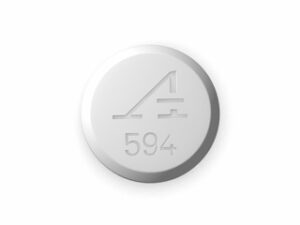



Pyridium (Phenazopyridine) — Patient Information (UK)
Pyridium is a medicine commonly used to relieve the discomfort caused by infections of the bladder and urinary tract, such as burning or pain when passing urine. It works by soothing the lining of the urinary tract so you feel more comfortable while the underlying cause is treated.
This page explains what Pyridium is, how it works, how it’s used, important safety information, and practical tips. It is written for people in the United Kingdom and uses UK-style wording and guidance.
Quick overview
- Active ingredient: Phenazopyridine
- What it helps: Temporary relief of urinary pain, burning, urgency and discomfort
- How it works: Local pain-relieving effect on the urinary tract lining
- Important note: Not an antibiotic—does not treat the infection itself
- Typical duration: Usually short-term (follow label/clinician advice)
Basic product information
| Category | Information |
|---|---|
| Medicine name | Pyridium (phenazopyridine) |
| What it is used for | Symptomatic relief of pain/burning in the urinary tract |
| Type | Urinary tract analgesic (local symptom relief) |
| Prescription status (UK) | Availability may vary by product and brand; some packs may be available via pharmacies |
| Common side effect | Orange/red discolouration of urine (expected) |
How Pyridium works (mechanism of action)
Phenazopyridine acts primarily directly on the lining of the urinary tract. It has a local analgesic (pain-relieving) effect that helps reduce irritation-related symptoms.
It does not kill bacteria and therefore does not treat the cause of a urinary tract infection (UTI). If an infection is present, you still need appropriate assessment and treatment.
Pharmacokinetics (how the body handles it)
The way phenazopyridine is absorbed, metabolised and eliminated can vary between people. In general:
- Absorption: Phenazopyridine is absorbed after oral use.
- Metabolism: It is metabolised in the liver and other tissues.
- Excretion: Metabolites are eliminated mainly via the kidneys.
- Urine colour: Orange/red urine is common and is due to urinary excretion of the drug and/or its metabolites.
If you have impaired kidney function, the medicine may build up more easily, increasing the risk of side effects. This is one reason short-term use and careful dosing are important.
What Pyridium is typically used for (indications)
Pyridium is used for the temporary relief of symptoms related to irritation of the urinary tract. It is most commonly used when people experience UTI-type symptoms such as:
- Burning pain when passing urine (dysuria)
- Urinary urgency
- Urinary frequency
- Pain or discomfort in the bladder area
It may be used in situations such as suspected or confirmed lower urinary tract infection while other treatment addresses the underlying cause.
Important: If your symptoms are caused by something other than a typical bladder infection (for example, kidney infection, stones, sexually transmitted infection, or other bladder conditions), phenazopyridine does not address the root cause.
Timing and when you should feel relief
Many people notice symptom relief within one to two hours of taking a dose. The medicine is intended for short-term use to make you more comfortable.
- If symptoms are not improving, or are worsening, seek medical advice promptly.
- Do not use for longer than recommended on the pack or by your clinician/pharmacist.
- Because the medicine can mask pain, it should not delay evaluation of serious symptoms.
Dosing (adults)
Always follow the dose stated on your specific product label or the advice provided by a healthcare professional. Doses can vary by strength and pack formulation.
As a general approach for adults, phenazopyridine is often taken several times per day for short-term relief. Typical regimens may include:
- Common schedule: one tablet/capsule by mouth up to three times daily
- Duration: usually no more than 2 days for unsupervised use (follow product guidance)
If you have kidney problems, are elderly, or are taking other medicines that may affect kidney function, your pharmacist/clinician may advise a different approach.
How to take Pyridium (practical use tips)
- Use oral doses with water. Swallow tablets/capsules whole unless the label says otherwise.
- Keep track of timing so you don’t accidentally exceed the daily dose.
- Expect urine discolouration (orange/red). This is a known effect.
- Do not reduce your fluid intake—unless your clinician has told you to limit fluids.
- If you are using a home urine test or dipstick, remember that urine colour and symptoms should be interpreted carefully. Ask a pharmacist for guidance on how phenazopyridine might affect testing.
Food interactions
Phenazopyridine can generally be taken with or without food. Taking it with food may reduce stomach upset for some people.
Practical tip: If you experience nausea, try taking your dose after a light meal. If you have ongoing gastrointestinal side effects, stop and seek advice.
Alcohol and medicine interactions
Alcohol
There is no specific “safe level” for alcohol with phenazopyridine for everyone. However, alcohol may worsen dehydration and may increase irritation-related urinary discomfort.
For best comfort and safety, consider avoiding alcohol while you are using Pyridium and until your urinary symptoms have fully resolved.
Other medicines (general interaction considerations)
Phenazopyridine can interact with medicines that affect kidney function or that are processed through similar metabolic pathways. Interactions depend on your individual medicines and medical conditions.
Tell your pharmacist if you take any of the following (examples, not an exhaustive list):
- Medicines that affect kidneys or fluid balance
- Other urinary medicines or urinary alkalinisers
- Medicines that increase the risk of blood disorders or liver strain
If you are unsure, ask a pharmacist to check your medication list for interactions.
Safety profile and side effects
Expected effects
- Orange/red urine: common and expected.
Common side effects
These are usually mild:
- Nausea
- Stomach upset or abdominal discomfort
- Headache
- Brightly coloured urine (orange/red)
Less common but serious risks
Phenazopyridine can cause serious side effects in rare cases, especially if used for longer than recommended or in people with kidney impairment.
- Blood disorders (rare): signs may include unusual bruising, tiredness, or infections
- Liver problems (rare): yellowing of skin/eyes, dark urine (beyond expected orange/red), persistent nausea
- Hypersensitivity reactions (rare): swelling of face/lips, rash, difficulty breathing
- Neurological symptoms (rare): dizziness, confusion
If you experience severe symptoms, allergic reaction signs, or feel unwell in a way that concerns you, seek urgent medical help.
Who should take extra care (precautions)
- Kidney impairment: increased risk of side effects—ask for advice before use.
- Glucose-6-phosphate dehydrogenase (G6PD) deficiency: increased risk of blood-related side effects—avoid unless advised.
- Pregnancy and breastfeeding: discuss with a healthcare professional before use.
- Children: dosing and suitability vary—always ask a pharmacist/clinician.
- History of allergic reactions to phenazopyridine or similar medicines: do not use.
When to seek urgent medical advice
Pyridium can relieve burning and pain, but it doesn’t treat more serious causes of urinary symptoms. Seek urgent medical care if you have any of the following:
- Fever or chills
- Back or side pain (pain in the flanks), which may indicate kidney involvement
- Nausea and vomiting that stop you drinking or keeping medicines down
- Blood in the urine that is more than light spotting
- Symptoms that rapidly worsen
- Severe pain in the lower abdomen or pelvis
- Pregnancy with UTI symptoms
- Symptoms lasting beyond a short time without improvement
Alternatives to Pyridium
Depending on your symptoms, alternatives may include:
- Urinary tract soothing measures: drinking fluids, warmth, and simple pain relief such as paracetamol (where suitable).
- UTI-targeted treatment: antibiotics may be needed if you have a bacterial UTI—your clinician/pharmacist will guide this.
- Other symptom-relief options: some people use urinary analgesics or other supportive measures (availability varies).
If your symptoms are recurrent, it may be important to investigate underlying causes such as dehydration, bladder irritation, stones, or (in some cases) sexually transmitted infections.
UK market and legal context (availability and advice)
In the United Kingdom, access to medicines is regulated and availability can depend on product licensing, pack size, and local pharmacy supply policies. Some phenazopyridine-containing products may be available through pharmacy channels, while other routes may require clinical assessment.
UK pharmacies and healthcare professionals typically advise:
- Using symptom-relief medicines only for short-term comfort
- Seeking assessment if symptoms persist or if there are “red flag” signs
- Checking suitability for people with kidney problems or other risk factors
Recent guidance and practical trends
UK healthcare practice emphasises appropriate management of urinary symptoms, including:
- Recognising that some symptoms require urine testing and/or targeted treatment
- Minimising unnecessary delays in accessing care when infection is suspected
- Careful use of short-term symptom relief so serious conditions are not overlooked
Delivery and availability (UK)
This medicine may be available for home delivery via online pharmacies, subject to stock status and any eligibility checks. Delivery options and timeframes depend on the provider and your location within the UK.
- Availability: may vary; popular pack sizes can sell out.
- Delivery: typically provided by standard or express courier services.
- Packaging: medicines are dispatched in protective packaging.
- Cold-chain: generally not required for this type of oral medicine.
If you need this medicine urgently for symptom relief, check current dispatch times at checkout.
Frequently asked questions (FAQ)
1) Does Pyridium cure a UTI?
No. Pyridium (phenazopyridine) provides temporary symptom relief (burning/pain), but it does not treat the infection itself. If a bacterial UTI is present, you may need additional treatment.
2) How quickly does it start working?
Many people notice relief within one to two hours. If there’s no improvement after a short time, or symptoms worsen, seek advice.
3) Why is my urine orange/red?
Orange/red urine is a known and expected effect of phenazopyridine. The colour should return to normal after you stop taking it.
4) Can I take Pyridium with food?
Yes. It can usually be taken with or without food. Taking it with food may help reduce nausea for some people.
5) Can I drink alcohol while taking it?
It’s generally best to avoid or limit alcohol while you have urinary symptoms and while taking Pyridium. Alcohol can worsen dehydration and may irritate symptoms.
6) What if I have kidney problems?
If you have reduced kidney function, you may have a higher risk of side effects. Speak to a pharmacist or clinician before use, and follow dosing advice carefully.
7) Can I use it during pregnancy or breastfeeding?
If you are pregnant or breastfeeding, consult a healthcare professional before using phenazopyridine to ensure it’s appropriate for you.
8) Should I stop taking it if I feel better?
You should stop when your symptoms improve, and you must not exceed the recommended duration on the pack or as advised. If symptoms return, or you still feel unwell, seek advice rather than continuing indefinitely.
9) Does Pyridium affect urine tests?
It may affect the appearance of urine and could complicate interpretation of some dipstick tests. If you have urine testing planned, ask a pharmacist or clinician for advice.
10) What should I do if I miss a dose?
Take the next dose at the usual time. Do not take extra to make up for a missed dose. If you’re close to the next scheduled dose, skip the missed one and continue as normal.
11) Are there any medicines I must avoid?
Interaction risk depends on your overall medication list and health conditions. Always tell your pharmacist about any current medicines, including over-the-counter products and herbal supplements, so they can check for compatibility.
12) When should I contact a clinician rather than self-treat?
Contact a clinician promptly if you have fever, back pain, vomiting, significant blood in urine, pregnancy, recurrent symptoms, or symptoms that do not improve quickly. Pain relief should not delay evaluation of more serious conditions.
Storage and handling (important)
- Store at room temperature, away from direct heat and sunlight.
- Keep out of the sight and reach of children.
- Check the pack for expiry date and disposal instructions.
Summary
Pyridium (phenazopyridine) helps relieve the burning pain and discomfort that can occur with urinary tract irritation, including UTI-like symptoms. It is designed for short-term symptomatic relief and does not treat the underlying infection. If symptoms are severe, persist, or include fever or back pain, seek prompt medical advice.