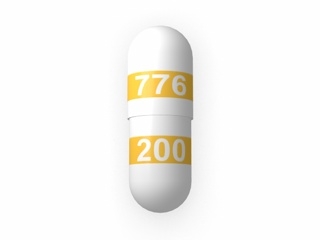


Celebrex (Celecoxib) — Patient-Friendly Guide (UK)
Celebrex is a medicine containing celecoxib, a type of anti-inflammatory pain reliever used for conditions where inflammation and pain are major problems. This page explains how it works, how it is typically taken, safety considerations, and what to expect in everyday use in the United Kingdom.
Note: Always follow the advice given by your healthcare professional and read the information leaflet supplied with your medicine.
Basic product information
- Active ingredient: Celecoxib
- Brand name: Celebrex
- Medicine type: NSAID (non-steroidal anti-inflammatory drug), in the COX-2 inhibitor group
- Common strengths: Often available as capsules (strength may vary by product/stock)
- Availability in the UK: Availability depends on local supply, prescribing/dispensing arrangements, and product marketing status
How Celebrex works (mechanism of action)
Inflammation and pain are driven in part by chemicals called prostaglandins. These are produced by enzymes known as COX enzymes (cyclo-oxygenase), particularly:
- COX-1 (involved in protective functions like maintaining the stomach lining and normal kidney blood flow)
- COX-2 (more active during inflammation and pain)
Celecoxib selectively inhibits COX-2, reducing the production of prostaglandins involved in inflammation and pain. Compared with some traditional NSAIDs that inhibit both COX-1 and COX-2, this targeted action may reduce some stomach-related side effects for certain people—though stomach and bleeding risks are not eliminated.
What Celebrex is typically used for (indications)
In the UK, celecoxib is commonly used for:
- Osteoarthritis (pain and stiffness in joints, most often in older adults)
- Rheumatoid arthritis (inflammatory joint disease)
- Ankylosing spondylitis (inflammation of the spine and large joints)
Depending on the formulation and local product authorisation, celecoxib may also be used for other painful inflammatory conditions as advised by a healthcare professional.
Pharmacokinetics — how the body handles celecoxib
Pharmacokinetics describes what happens to the medicine after you take it.
| Topic | What to know (general overview) |
|---|---|
| Absorption | After swallowing, celecoxib is absorbed through the digestive tract. Food can affect the speed of absorption but usually not the total amount absorbed. |
| Time to peak effect | Peak blood levels typically occur a few hours after a dose. Exact timing can vary between individuals. |
| Distribution | It distributes through the body and binds to proteins in the blood. |
| Metabolism | It is mainly broken down in the liver (primarily by CYP enzymes). |
| Elimination | It leaves the body mostly through metabolism into smaller compounds, eliminated via urine and bile. |
| Half-life | It has a dosing interval compatible with twice-daily or once-daily regimens depending on indication and prescribed schedule. |
Practical takeaway: Take it consistently at the times recommended. If your dose schedule is changed due to tolerability or other medicines, speak to a healthcare professional.
Typical dosing and timing (UK-friendly guidance)
Doses vary by condition, age, kidney/liver function, and other medications. Use the regimen stated on your label or as advised by your healthcare professional.
Common timing principles:
- Many regimens involve once or twice daily dosing.
- Try to take it at regular intervals to maintain steady effect.
- If you miss a dose, take it when you remember unless it is close to your next dose. Do not take a double dose.
How to take: Swallow the capsule whole with water. Do not crush or chew unless the specific product instructions allow it.
Minimum effective dose, shortest duration: For safety (especially cardiovascular and gastrointestinal risks), the general principle with NSAIDs is to use the lowest effective dose for the shortest possible time that still controls symptoms.
Food interactions: can you take Celebrex with meals?
Food can influence how quickly celecoxib is absorbed. In many people, food does not substantially change the total amount absorbed, but it may delay the onset of peak blood levels.
Practical advice:
- If you experience stomach discomfort, taking celecoxib with food or after meals may help.
- If your doctor has recommended a specific schedule (e.g., fasting is not required), follow it consistently.
Which foods to watch: There are no specific “forbidden” foods for most people, but maintaining general healthy habits (including hydration) supports kidney safety when taking NSAIDs.
Alcohol and medicine interactions
Alcohol can increase the risk of stomach irritation and bleeding when combined with NSAIDs. If you choose to drink alcohol while taking Celebrex, consider the following safety approach:
- Avoid heavy or regular drinking.
- If you notice stomach pain, heartburn, black/tarry stools, or vomiting blood, seek medical advice promptly.
Other medicines that may interact with celecoxib include:
- Other NSAIDs (e.g., ibuprofen, naproxen, diclofenac): increases GI and kidney risks—generally avoid combining.
- Aspirin (for heart protection): may be used in some people, but the combination can increase bleeding risk; follow clinician advice.
- Anticoagulants (e.g., warfarin): increased bleeding risk.
- Antiplatelet medicines (e.g., clopidogrel): may increase bleeding risk.
- SSRIs/SNRIs (some antidepressants): can increase bleeding risk when combined with NSAIDs.
- Corticosteroids: can increase gastrointestinal side effects.
- Diuretics (e.g., furosemide): may increase kidney risk, especially with dehydration.
- ACE inhibitors/ARBs (e.g., enalapril, lisinopril, losartan): can alter kidney function and increase risk in some combinations.
- Lithium: NSAIDs can raise lithium levels.
- Methotrexate: NSAIDs can affect clearance and increase toxicity at certain doses.
- Cytochrome P450 modifiers (some medicines affecting liver enzymes): may change celecoxib levels.
Important: This is not a complete list. Tell your healthcare professional or pharmacist about all medicines, including over-the-counter products and herbal supplements.
Safety profile — when you should be cautious
Like other NSAIDs, celecoxib can cause side effects. While COX-2 selectivity can reduce some GI risks compared with non-selective NSAIDs, safety risks still exist.
Common side effects
- Indigestion, heartburn, stomach discomfort
- Nausea
- Headache
- Fluid retention (swelling, e.g., ankles/feet)
Serious side effects (seek urgent advice)
Get urgent medical help if you experience:
- Signs of gastrointestinal bleeding: black/tarry stools, blood in stool, vomiting blood, severe stomach pain
- Allergic reactions: facial/lip swelling, wheezing, sudden rash or hives, difficulty breathing
- Cardiovascular warning signs: chest pain, sudden shortness of breath, weakness on one side of the body, sudden severe headache
- Kidney warning signs: reduced urine output, sudden swelling, severe fatigue
- Severe skin reactions (rare but important): blistering, peeling, painful rash with fever
- Liver problems (rare): yellowing of eyes/skin, dark urine, persistent nausea
Who needs extra care
You should be especially cautious (and discuss with a clinician) if you have:
- A history of stomach ulcers or GI bleeding
- Known heart disease, previous stroke, or high cardiovascular risk
- Risk factors for kidney problems (dehydration, older age, chronic kidney disease)
- Asthma or prior NSAID sensitivity
- Significant liver disease
- Concurrent use of medicines that raise bleeding risk (anticoagulants/antiplatelets/SSRIs)
Practical use tips for day-to-day safety
- Use the lowest effective dose to control symptoms.
- Check your full medication list for overlapping NSAIDs (including “cold/flu” products that may contain ibuprofen).
- Stay hydrated, particularly in hot weather or during illness (vomiting/diarrhoea).
- Monitor symptoms: if pain improves but side effects increase, consult your healthcare professional about adjusting the dose.
- Avoid stopping suddenly only if a clinician has advised a taper—otherwise, follow the labelled regimen.
- Be mindful of infection or dehydration: NSAIDs can worsen kidney perfusion in some settings; discuss with a clinician if you become unwell.
Driving and using machines: Some people may experience dizziness or headache. If you feel unsteady, avoid driving until you feel well.
Alternative options (depending on your condition)
Depending on your diagnosis and risk factors, alternatives may include:
- Other NSAIDs (e.g., ibuprofen, naproxen): may differ in GI and cardiovascular risk profiles
- Non-NSAID pain options such as paracetamol (acetaminophen) for pain relief where appropriate
- Topical NSAIDs for specific joint areas (useful for some people with localized osteoarthritis pain)
- Physiotherapy and exercise programmes for long-term joint health
- Disease-modifying treatments for inflammatory arthritis (e.g., rheumatoid arthritis) which may not be NSAID-based
If you are considering switching, it’s important to avoid stacking NSAIDs and to discuss timing and washout where relevant.
UK market and legal context (high-level)
In the United Kingdom, medicines containing celecoxib are regulated under the Medicines and Healthcare products Regulatory Agency (MHRA) framework and associated EU/UK medicines legislation. How a product is classified and supplied can vary by strength, formulation, and current regulatory status.
Key points for UK availability and practice:
- NSAIDs including celecoxib are subject to pharmacovigilance and ongoing safety monitoring.
- Community pharmacies may supply medicines according to UK prescribing and dispensing rules, and product labelling/authorisation.
- Patients are encouraged to report side effects via the national reporting system so safety signals can be detected early.
Always check the product label and ensure the medicine you receive matches the authorised strength and formulation.
Recent guidance and safety awareness (UK context)
UK and international safety messaging for NSAIDs consistently highlights:
- Use the lowest effective dose for the shortest possible duration.
- Be cautious in people at higher risk of cardiovascular events.
- Be cautious in people at higher risk of gastrointestinal bleeding.
- Take into account kidney function, dehydration risk, and interactions with anticoagulants/antiplatelets.
In practice, clinicians may recommend protective strategies (such as stomach protection in certain patients) based on your personal risk profile.
Delivery and availability (what to expect online in the UK)
Online pharmacy availability can vary by:
- Stock levels and supplier schedules
- Product strength and pack size
- Local dispensing requirements (where applicable)
Delivery considerations:
- Delivery speed and options vary by provider (e.g., standard vs express where offered).
- Medicines are typically shipped in secure packaging to protect tablets/capsules from damage.
- Keep the medicine in line with the label instructions (often at room temperature and away from moisture).
If you need your medicine urgently, check estimated dispatch/delivery times on the website before ordering.
FAQ about Celebrex (celecoxib)
1) Is Celebrex the same as ibuprofen or naproxen?
Celebrex contains celecoxib, which is an NSAID. Ibuprofen and naproxen are also NSAIDs but are generally non-selective in how they affect COX enzymes. Risk profiles can differ, but serious side effects can occur with all NSAIDs.
2) How quickly will it work?
Some people notice pain relief within hours, while others may take a few days to feel full benefit—especially for arthritis. If there is no improvement after the expected time, speak to your healthcare professional.
3) Can I take Celebrex with food?
Yes. Taking it with food can help some people with indigestion. Food may delay peak blood levels, but the overall exposure is usually not greatly reduced.
4) Can I take Celebrex and aspirin together?
Sometimes aspirin is used for cardiovascular protection. However, combining aspirin with NSAIDs can increase bleeding and stomach risks. Discuss with your healthcare professional for guidance tailored to your situation.
5) What if I miss a dose?
Take it when you remember unless it is almost time for your next dose. Do not take a double dose to make up for a missed capsule.
6) Are there any warning signs I should watch for?
Yes. Seek urgent advice if you have signs of bleeding (black stools or vomiting blood), an allergic reaction (swelling, wheezing, severe rash), chest pain, severe breathlessness, or reduced urine output.
7) Can I drink alcohol while taking Celebrex?
Alcohol can increase stomach bleeding risk. If you drink, keep it moderate and avoid binge drinking. Stop and seek medical advice if you develop stomach pain or bleeding symptoms.
8) Can celecoxib affect my kidneys?
NSAIDs—including celecoxib—can affect kidney function, especially if you are dehydrated or have underlying kidney disease. Staying hydrated and monitoring symptoms is important. Your clinician may check kidney function if needed.
9) Is Celebrex suitable for everyone?
Not necessarily. People with certain risks (history of ulcers/bleeding, significant heart disease/stroke risk, kidney disease, liver impairment, or NSAID allergy/asthma sensitivity) need careful assessment and monitoring.
10) What should I avoid taking at the same time?
Avoid combining with other NSAIDs unless specifically instructed. Also be cautious with medicines that increase bleeding risk (anticoagulants, antiplatelets, some antidepressants, and corticosteroids). Always confirm with a pharmacist if you are unsure.
Summary
Celebrex (celecoxib) is an NSAID COX-2 inhibitor used for conditions such as osteoarthritis, rheumatoid arthritis, and ankylosing spondylitis. It reduces inflammation and pain by lowering prostaglandin production. Like other NSAIDs, it can cause side effects—especially in people at higher risk of gastrointestinal bleeding, cardiovascular events, or kidney problems. Taking it as directed, using the lowest effective dose, and avoiding interacting medicines (particularly other NSAIDs and excess alcohol) can help you get safer symptom relief.
If you have questions about suitability, interactions, or how to take your specific strength, speak to a pharmacist or healthcare professional.