
Voltaren (Diclofenac) – Patient Guide (UK)
Voltaren is a brand name for diclofenac, a medicine from the group known as non-steroidal anti-inflammatory drugs (NSAIDs). It is used to relieve pain, reduce inflammation (swelling) and ease stiffness, depending on the specific product strength and form (for example, gel, tablets, or other presentations).
This guide is written to help you understand how Voltaren works, when it’s typically used, what to watch for, and how to use it safely. If you are unsure which Voltaren product is suitable for you, speak to a pharmacist or healthcare professional.
Key product information
| Feature | What it means for patients |
|---|---|
| Active ingredient | Diclofenac (an NSAID) |
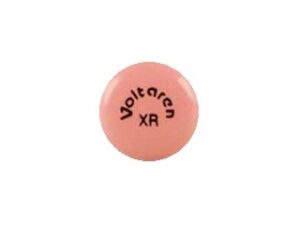
| Common Voltaren forms | Topical gel (skin), tablets/capsules (oral), other licensed strengths/forms depending on availability |
| What it helps | Pain relief and reduced inflammation in appropriate conditions |
| How it works | Reduces inflammation pathways involved in pain and swelling |
| Main cautions | GI bleeding risk, kidney effects, cardiovascular risk (especially with higher doses/duration), asthma sensitivity in some people, interactions with other medicines |
| UK context | Availability depends on product type; safety information and labelling reflect UK regulatory guidance |
How Voltaren works (mechanism of action)
Diclofenac works by blocking key enzymes called cyclo-oxygenases (COX), particularly COX-1 and COX-2. These enzymes help produce prostaglandins—chemical messengers involved in:
- Pain (sensitivity to pain signals)
- Inflammation (swelling, redness)
- Fever (less common with topical use)
By reducing prostaglandin production, Voltaren can decrease pain and inflammation. How quickly you feel relief depends on the form used (topical vs oral), the condition, and how severe the symptoms are.
Pharmacokinetics (what the body does to diclofenac)
“Pharmacokinetics” describes absorption, distribution, metabolism, and elimination. Because Voltaren is available in different forms, these details can vary.
1) Topical diclofenac (e.g., gel)
- Absorption through skin: Smaller amounts enter the bloodstream compared with oral diclofenac. Most of the benefit is local (where the gel is applied).
- Systemic exposure: Although lower than oral use, some diclofenac may still be absorbed. This matters if you have risk factors for NSAID side effects or take interacting medicines.
- Onset: Some people notice improvement within days; consistent use as directed is usually needed.
2) Oral diclofenac (tablets/capsules, if applicable for the product you buy)
- Absorption: Diclofenac is absorbed from the gastrointestinal tract.
- Distribution: It spreads through the body and can reach inflamed tissues.
- Metabolism: The liver metabolises diclofenac.
- Elimination: Most metabolites leave the body via the kidneys and bile.
Practical takeaway: If you have liver or kidney problems, are older, or take other medications that affect bleeding or kidney function, the overall risk may be higher—especially with oral products.
Typical uses and indications in the UK
Voltaren is used for pain and inflammation caused by musculoskeletal conditions. The exact licensed indications depend on the product type and strength.
Common indications
- Osteoarthritis pain (often in joints such as hands, knees, or hips—depending on the specific product)
- Localized joint and soft tissue pain
- Sprains, strains and other minor injuries (topical options may be used for localized pain)
- Back pain or muscular aches (depending on product licensing and suitability)
- Inflammatory conditions where diclofenac is appropriate as advised by a healthcare professional
If you are using Voltaren for a new or unexplained problem, or if symptoms are severe or persistent, consider getting medical advice.
How to time your use (when and how often)
The right timing depends on the form you are using and the direction on the pack. Always follow the instructions supplied with your specific Voltaren product.
General guidance
- Use the lowest effective dose for the shortest time needed to control symptoms.
- Topical gel: Apply to the affected area as directed (commonly multiple times a day for gels, depending on strength).
- Oral tablets/capsules: Dosing schedules vary by formulation and strength; do not exceed the maximum daily dose listed on your product.
Practical timing tips
- Apply topical gel to clean, dry skin.
- Allow the gel to dry before covering with clothing or bandages (unless the product guidance says otherwise).
- If your pain is worse at certain times (for example, morning stiffness), you may find symptom control is improved by using the medicine as scheduled. Avoid “chasing” pain by using extra doses outside the label.
Taking Voltaren with food (food interactions and absorption)
Food interactions depend on whether you are using topical or oral diclofenac.
Topical gel
- Food is unlikely to affect topical absorption in a meaningful way because absorption is primarily local.
Oral diclofenac
- Taking oral diclofenac with food or after meals may reduce stomach upset for some people.
- Even if food reduces irritation, it does not remove the broader NSAID risks (such as GI bleeding or cardiovascular risk).
Tip: If you get indigestion, nausea, or heartburn with oral NSAIDs, ask a pharmacist whether you should take it with meals and whether an alternative approach might be safer for you.
Alcohol interactions
Alcohol can increase the risk of stomach irritation and gastrointestinal bleeding when combined with NSAIDs. It may also worsen dizziness or drowsiness in some people (more relevant if other medicines are taken alongside).
- If you use alcohol regularly or heavily, discuss NSAID use with a pharmacist or healthcare professional.
- Avoid binge drinking, and consider limiting alcohol while using diclofenac—especially oral forms.
Medicine interactions (important safety section)
Diclofenac can interact with several medicine types. The highest concern is often with medicines that increase bleeding risk, affect kidney function, or contribute to stomach irritation.
Common interaction categories
-
Other NSAIDs (including ibuprofen, naproxen, aspirin for pain):
Avoid combining multiple NSAIDs unless specifically advised, because it increases risk of GI bleeding and kidney problems. -
Anticoagulants (e.g., warfarin) and antiplatelets (e.g., clopidogrel):
The risk of bleeding may increase. -
Corticosteroids (e.g., prednisolone):
May further increase stomach irritation/ulcer risk. -
Selective serotonin reuptake inhibitors (SSRIs) (e.g., sertraline, fluoxetine):
May increase bleeding risk when combined with NSAIDs. -
Blood pressure medicines (ACE inhibitors, ARBs, diuretics):
NSAIDs can affect kidney function and reduce blood pressure lowering effects in some situations. -
Some medicines for heart failure (e.g., digoxin):
NSAIDs can increase blood levels in certain cases. -
Lithium:
NSAIDs may raise lithium levels. -
Methotrexate:
NSAIDs can increase methotrexate levels and toxicity risk, particularly with higher doses.
Always check before combining medicines: If you take regular medicines, consult a pharmacist for advice on safe use. Keep a list of your medicines, including over-the-counter products, and share it when asking.
Dosing guidance (how much to use)
Correct dosing depends on the Voltaren product type and strength. Follow your pack instructions or the advice from a clinician/pharmacist. The information below is general and not a substitute for the dose on your specific product label.
General principles
- Use the smallest effective amount to manage symptoms.
- Do not exceed the maximum daily dose stated on your pack.
- Review after a short period: If you do not notice improvement, stop using and seek advice.
Topical gel (general)
- Apply to the affected area only, using the specified amount on the pack.
- Wash hands after applying (unless your hands are the treated area).
- Avoid contact with eyes, mouth, and broken skin.
Oral tablets/capsules (general)
- Doses vary by strength and formulation; use the schedule on the pack.
- If you have risk factors for stomach or heart problems, ask a pharmacist about whether an alternative NSAID or non-NSAID approach might be safer.
Important: If you accidentally take more than the recommended dose, seek advice immediately. Signs of overdose may include nausea, vomiting, abdominal pain, dizziness, or more serious effects.
Safety profile: who should be cautious
Like all NSAIDs, diclofenac can cause side effects. Most people use NSAIDs safely when they follow label instructions, but the risks depend on dose, duration, individual health, and other medicines.
Potential side effects (common and less common)
- Gastrointestinal effects: indigestion, stomach pain, nausea, heartburn.
- Skin reactions (topical): redness, itching, rash at the application site.
- Headache or dizziness (more relevant with oral use in some people).
- Raised blood pressure or fluid retention (more relevant with oral use).
- Kidney-related effects: changes in kidney function (usually in higher-risk patients or with certain combinations).
Serious warnings: seek urgent help if
- Black, tarry stools or vomiting blood (possible gastrointestinal bleeding)
- Chest pain, sudden shortness of breath, weakness on one side, or difficulty speaking (possible cardiovascular or stroke symptoms)
- Severe allergic reaction: swelling of the face/lips, wheezing, severe rash, or trouble breathing
- Severe skin reaction with blistering/peeling (rare but serious)
- Very reduced urination or signs of kidney problems
People who should be extra cautious
- History of stomach ulcers or GI bleeding
- Heart disease, stroke history, or significant cardiovascular risk factors
- Kidney disease or dehydration
- Asthma that has previously worsened with aspirin/NSAIDs
- Liver disease or abnormal liver tests
- Age over 65 (risks may be higher, especially with oral dosing)
Practical use tips for getting the best results
- Match the product to the problem: Topical diclofenac is often used for localized pain in joints/soft tissues. For deeper or more widespread pain, you may need an alternative approach.
- Apply correctly: Use the stated amount and rub gently as directed until the gel is absorbed. Do not apply on large areas or under tight, occlusive dressings unless the product instructions allow it.
- Combine with gentle movement: For many musculoskeletal problems, mild activity and physiotherapy-style movement can help. Avoid complete rest unless advised.
- Watch for irritation: If skin becomes severely irritated, stop and seek advice.
- Don’t double up: Avoid using two NSAIDs at the same time (e.g., diclofenac plus ibuprofen).
- Track symptoms: If pain improves, continue for the intended short period. If not improving after a reasonable trial, stop and ask a pharmacist.
Alternative options (non-diclofenac approaches)
Depending on your condition, age, and medical history, there may be suitable alternatives to diclofenac. A pharmacist can advise based on your symptoms and other medicines.
Common alternatives
- Other NSAIDs (e.g., ibuprofen or naproxen): may be appropriate for some people but still carry NSAID risks.
- Topical alternatives such as other anti-inflammatory gels/creams licensed for similar conditions.
- Paracetamol (acetaminophen): can help with pain and may be safer for some people than NSAIDs, depending on liver health and dosing.
- Non-drug measures: heat/cold packs, stretching, strengthening exercises, physiotherapy, posture changes.
- Supportive devices: braces, footwear changes, or ergonomic adjustments.
Choosing an alternative: The safest option depends on your personal risk factors (stomach/bleeding history, kidney function, heart risk, and interacting medicines).
Market and legal context in the United Kingdom
In the UK, diclofenac-containing products are regulated to ensure appropriate safety information and correct use. Availability can vary by form and strength, and product labelling may differ depending on the licensing category.
Over recent years, UK and European safety reviews have highlighted the importance of:
- Lower dosing and shorter duration where possible.
- Risk assessment for gastrointestinal and cardiovascular effects.
- Clear warnings regarding interactions and contraindications.
- Appropriate selection of people who are at higher risk.
If you are using diclofenac for persistent symptoms, especially if you have other medical conditions, it’s sensible to review your plan with a pharmacist.
Recent guidance and safety updates (overview)
While guidance can change over time, general UK/European themes include:
- NSAIDs are most effective when used at the lowest effective dose for the shortest possible time.
- Patients with higher cardiovascular or GI risk should consider alternatives or use only under appropriate advice.
- Clear attention to drug interactions (especially anticoagulants, antiplatelets, other NSAIDs, SSRIs, and certain blood pressure medicines).
- Increased awareness of asthma sensitivity in susceptible individuals.
Always check the leaflet or pack insert for the most current information specific to your Voltaren product.
Delivery and availability in the UK
Voltaren (diclofenac) may be available through online pharmacies depending on the product type and strength. Availability may differ by:
- Formulation (topical vs oral)
- Strength and packaging size
- Licensed indications for that product
When ordering from a UK online pharmacy, you can typically expect:
- Discreet packaging
- UK delivery options (standard and sometimes express, depending on the supplier)
- Tracking information once the order is dispatched
- Customer support for questions about suitability and safe use
Stock can change, especially for popular brands. If an item is temporarily unavailable, the pharmacy may offer alternative sizes or similar medicines.
FAQ – Voltaren (Diclofenac)
1) What is Voltaren used for?
Voltaren (diclofenac) is used to relieve pain and reduce inflammation in appropriate musculoskeletal conditions, depending on the specific product and strength (for example, localized pain and inflammation).
2) How long does Voltaren take to work?
Many people notice improvement within the first few days. If you are not seeing any benefit after following the labelled instructions for a reasonable period, speak to a pharmacist for advice.
3) Can I use Voltaren with other painkillers?
You should be cautious combining medicines. Avoid using other NSAIDs at the same time (such as ibuprofen or naproxen). Paracetamol may be an alternative for pain in some cases, but it depends on your situation and dose limits. Ask a pharmacist if you are unsure.
4) Is Voltaren safe to use if I have stomach problems?
NSAIDs can increase the risk of stomach irritation and bleeding. If you have a history of ulcers or GI bleeding, you should seek advice before using diclofenac.
5) Can I drink alcohol while using Voltaren?
Alcohol can increase the risk of stomach bleeding and irritation, especially with oral NSAIDs. Consider limiting alcohol and discuss with a pharmacist if you are a regular or heavy drinker.
6) What should I do if I miss a dose?
For topical use, apply at the next scheduled time. Do not apply extra gel to make up for a missed dose. For oral products, follow the pack instructions. If you’re uncertain, consult a pharmacist.
7) Who should not use diclofenac?
People with certain allergies, NSAID-sensitive asthma, a history of serious NSAID reactions, or specific high-risk conditions may need to avoid diclofenac. Always read the patient information leaflet for your specific product and consult a pharmacist if you have concerns.
8) Can I use Voltaren gel on broken skin?
Generally, you should not apply topical diclofenac to broken, infected, or damaged skin unless your product instructions explicitly allow it. Avoid contact with eyes and mouth.
9) Does Voltaren affect driving or machinery?
Topical diclofenac is less likely to cause systemic effects. Oral NSAIDs can sometimes cause dizziness in some people. If you feel unwell or dizzy, avoid driving or operating machinery.
10) What are the signs of a serious reaction?
Seek urgent medical attention for symptoms such as black stools, vomiting blood, chest pain, severe shortness of breath, sudden weakness on one side, severe rash or swelling, or trouble breathing.
Summary
Voltaren (diclofenac) can be an effective option for pain relief and inflammation control in suitable musculoskeletal conditions. To use it safely, follow the product label, avoid doubling up with other NSAIDs, be mindful of alcohol and drug interactions, and stop and seek advice if you experience warning signs.
If you tell a pharmacist about your medical history and current medicines, they can help you choose the most appropriate Voltaren form and dosing approach for your needs.