
Baclofen (UK) — Patient Information
Baclofen is a medicine used to relieve muscle stiffness and reduce painful muscle spasms. It is commonly prescribed for conditions affecting the nervous system, such as spasticity due to multiple sclerosis or spinal cord disorders. This guide explains how baclofen works, how it is typically used, important safety information, and practical tips to help you use it effectively in the United Kingdom.
Important: Always follow the instructions provided with your medicine and the advice of your healthcare professional. Do not stop baclofen suddenly without medical advice, as withdrawal symptoms can occur.
Basic product information
| Topic | Details |
|---|---|
| Active ingredient | Baclofen |
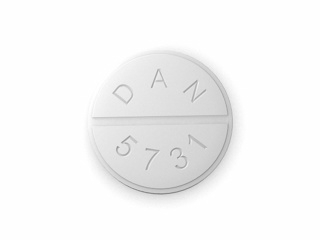
| Common forms | Tablets and other formulations may be available depending on the manufacturer and product line. |
| Medicine type | Muscle relaxant (antispasticity agent) |
| How it’s used | Oral dosing (by mouth) |
| Typical goals | Reduce muscle tone, spasms, pain and stiffness |
How baclofen works (mechanism of action)
Baclofen acts mainly on the central nervous system. It is a so-called GABA-B receptor agonist. By stimulating GABA-B receptors, baclofen helps reduce the transmission of certain nerve signals that contribute to spasticity.
In practical terms, this means baclofen may:
- Decrease muscle stiffness
- Reduce frequency and intensity of painful spasms
- Improve comfort and movement in some people
- Support easier physiotherapy or care routines
What baclofen is used for (indications)
Baclofen is used to treat spasticity. Spasticity refers to increased muscle tone and involuntary muscle spasms. It is often associated with neurological conditions.
Common reasons baclofen may be used
- Multiple sclerosis (MS)
- Spinal cord injuries and other spinal cord disorders
- Other central nervous system disorders where spasticity is present
Your healthcare professional will decide whether baclofen is appropriate based on your symptoms, overall health, and any other medicines you take.
Pharmacokinetics — what the body does to baclofen
Pharmacokinetics describes how the body absorbs, distributes, metabolises and eliminates a medicine. Understanding this helps explain timing and potential interactions.
Absorption
After oral administration, baclofen is absorbed from the gastrointestinal tract. Blood levels rise after dosing, although the exact speed and maximum level can vary by formulation and individual factors.
Distribution
Baclofen distributes throughout the body. It can act within the central nervous system to reduce spasticity.
Metabolism
Baclofen is not extensively metabolised. A larger portion is eliminated unchanged compared with many other medicines.
Elimination (excretion)
Baclofen is eliminated mainly via the kidneys. This is important if you have reduced kidney function, as doses may need adjustment and side effects can be more likely.
Typical dosing and timing
Dosing of baclofen is individualised. Many people start at a low dose and increase gradually to minimise side effects. The aim is to find the lowest effective dose that provides symptom relief.
General approach (titration)
- Often started with a low dose
- Increased gradually over time
- Adjusted based on response and tolerability
When to take your doses
Baclofen may be prescribed two or three times daily, depending on the product and your needs. Some people find that splitting doses helps maintain steadier symptom control and reduces sudden side effects.
Practical timing tip: If you experience drowsiness, you may be advised to take larger portions of your daily dose in the evening. Always follow your prescriber’s schedule.
Swallowing and missed doses
- Swallow whole if tablets are not specified as crushable or dispersible. Follow your product instructions.
- If you miss a dose, take it when you remember unless it’s close to the next dose. Do not double.
- If you are unsure, ask your pharmacist for advice tailored to your regimen.
Food interactions and taking with meals
Baclofen can usually be taken with or without food. However, individual tolerability matters. Taking baclofen with food may help reduce stomach discomfort for some people.
If your healthcare professional gave specific instructions, follow those in preference to general guidance.
Food-related practical tips
- Maintain consistent meal timing if you find it helps with symptom control.
- Stay hydrated unless you’ve been advised to limit fluids.
- If you experience nausea, try taking doses after a meal (where permitted).
Alcohol and medicine interactions
Baclofen can affect the brain’s activity. As a result, combining baclofen with substances that also affect the nervous system may increase side effects.
Alcohol
Avoid alcohol or keep it to a minimum unless your healthcare professional says otherwise. Alcohol may increase drowsiness and impaired coordination, and can worsen dizziness.
Other medicines that may interact
Some medicines can increase the risk of sedation or breathing problems when used with baclofen. Tell your pharmacist or healthcare professional about all medicines you take, including over-the-counter products.
- Opioid pain medicines (e.g., morphine, oxycodone) — may increase sedation
- Medicines for anxiety or sleep (e.g., benzodiazepines) — may increase drowsiness
- Other muscle relaxants — may increase weakness and dizziness
- Medicines affecting the central nervous system — may add to the depressant effect
- Medicines that affect kidney function — can influence baclofen levels indirectly
This is not an exhaustive list. Always check with a pharmacist if you’re starting a new medicine or herbal product.
Safety profile — side effects and what to watch for
Most people taking baclofen experience either no side effects or mild effects that improve after dose adjustments. However, some reactions can be serious. Knowing what to look for helps you act quickly.
Common side effects
- Drowsiness or tiredness
- Dizziness
- Weakness
- Nausea or stomach discomfort
- Headache
- Constipation
Less common but important side effects
- Confusion or changes in thinking
- Low blood pressure symptoms (e.g., light-headedness when standing)
- Difficulty urinating (especially in people with urinary problems)
- Muscle worsening in rare cases (balance of benefit vs tolerability matters)
Seek urgent medical help if
- Severe drowsiness, inability to stay awake, or unusual unresponsiveness
- Breathing difficulties
- Fainting, severe confusion, or seizure
- Signs of a serious allergic reaction (e.g., swelling of face/lips, rash with breathing difficulty)
Stopping baclofen (withdrawal risk)
Stopping baclofen suddenly can cause withdrawal symptoms, which may include agitation, confusion, fever, hallucinations, increased muscle spasm, or other severe effects. If you need to discontinue, it is typically done by gradual dose reduction under medical guidance.
Practical use tips for patients
Baclofen can take time to reach the dose that best controls your symptoms. Below are practical strategies to help you get the most from treatment while minimising issues.
1) Give the dose change time
If your dose is adjusted, allow some time for your body to adapt. Many side effects occur early and may settle as the dose is stabilised.
2) Prevent falls during dose adjustments
- Be extra careful when standing up, especially if you feel dizzy.
- Use handrails and ensure good lighting.
- Avoid driving or hazardous tasks until you know how baclofen affects you.
3) Support constipation prevention
Constipation can occur with muscle relaxants and reduced mobility. Consider discussing fibre intake, fluids, and appropriate stool-softening options with your pharmacist.
4) Track your symptoms
Helpful information to share with your healthcare professional includes:
- Spasm frequency and severity
- Pain levels
- Timing of doses and when symptoms improve or wear off
- Any side effects (drowsiness, dizziness, weakness)
5) Manage missed doses carefully
If you miss doses repeatedly, side effects and symptom control may fluctuate. If you keep missing doses, speak with a pharmacist to make a plan based on your routine.
Special considerations (who should be extra careful)
Kidney problems
Because baclofen is eliminated mainly by the kidneys, reduced kidney function may increase baclofen levels and risk side effects. Dose adjustments or closer monitoring may be needed.
Elderly patients
Older adults may be more sensitive to drowsiness, dizziness, and weakness. Gradual titration and careful monitoring are important.
Neurological conditions
Baclofen is intended for spasticity, but people with complex neurological symptoms should report any unexpected changes promptly.
Driving and using machinery
Baclofen can cause drowsiness and dizziness. Until you know how it affects you, avoid driving and operating machinery. If you must drive for medical reasons, discuss with a healthcare professional.
Alternatives to baclofen
If baclofen isn’t suitable or doesn’t provide adequate control, other treatment options may be considered depending on the cause of spasticity and your personal circumstances.
Other medicines commonly used for spasticity
- Tizanidine — another centrally acting muscle relaxant
- Diazepam and other benzodiazepines — sometimes used for muscle spasm, typically with caution
- Gabapentin or pregabalin — may help certain nerve-related symptoms in some people
- Dantrolene — used in some spasticity contexts (availability and suitability vary)
Non-medicine approaches
- Physiotherapy and stretching programmes
- Occupational therapy for positioning and daily function
- Assistive devices and mobility aids
- Warmth therapy or relaxation techniques (where appropriate)
In some cases, specialist interventions such as botulinum toxin injections may be considered for focal spasticity. Your healthcare professional can guide which options are most appropriate.
UK market and legal context (availability and regulation)
In the United Kingdom, baclofen is regulated as a medicine and is supplied through appropriate channels in line with UK medicines legislation and pharmacy requirements. Availability may vary by formulation and strength.
Your online pharmacy should provide product details clearly, including strength, dosage form, and directions for use. If you have questions about suitability or interactions, consult a pharmacist.
Recent guidance and safety messages (general)
Safety guidance for medicines in the UK may be updated as new information becomes available. Common themes include:
- Ensuring doses are titrated gradually
- Monitoring for sedation and dizziness
- Extra caution with alcohol and other sedating medicines
- Risk awareness for people with kidney impairment
- Avoiding abrupt discontinuation
If you’re concerned about your current regimen, check with your healthcare professional or pharmacist.
Delivery and availability (online pharmacy)
Baclofen availability can depend on the specific brand, strength, and current stock levels. When ordering through an online pharmacy, you should expect:
- Clear product listing including strength and form
- Packaging and labelling consistent with UK medicines standards
- Delivery tracking or dispatch notifications (varies by supplier)
- Discreet packaging to protect your privacy
Delivery times may vary depending on your location within the UK and prescription supply arrangements. If you need your medicine urgently, consider contacting customer service to confirm dispatch times.
Storage: Store baclofen as directed on the packaging, typically at room temperature, away from moisture and heat. Keep out of sight and reach of children.
FAQ — Baclofen
1) How quickly does baclofen work?
Some people notice symptom relief after starting baclofen, but the full benefit often takes time as the dose is increased gradually. If your symptoms worsen or side effects are problematic, seek advice promptly.
2) Can I take baclofen with food?
Yes. Baclofen can usually be taken with or without food. If it upsets your stomach, taking it with a meal may help.
3) Can I drink alcohol while taking baclofen?
It’s generally best to avoid alcohol (or keep it to a minimum) because it can increase drowsiness, dizziness, and impaired coordination. Ask a pharmacist for advice specific to you.
4) Will baclofen make me sleepy?
Drowsiness is a common side effect. Many people experience it, especially after dose increases. Until you know how you respond, avoid driving and be cautious with tasks that require alertness.
5) What should I do if I miss a dose?
Take it when you remember unless it’s nearly time for your next dose. Do not take a double dose. If you’re unsure, contact a pharmacist for guidance.
6) Can I stop baclofen suddenly?
You should not stop baclofen abruptly without medical advice. Sudden discontinuation can lead to withdrawal symptoms and a rebound in spasticity.
7) Is baclofen safe for people with kidney problems?
Baclofen is eliminated mainly through the kidneys. If you have kidney impairment, your healthcare professional may adjust your dose and monitor you more closely.
8) What other medicines interact with baclofen?
Medicines that increase sedation (such as opioids, benzodiazepines, or other central nervous system depressants) may increase the risk of side effects. Always tell your pharmacist about all medicines and herbal products you use.
9) Can baclofen affect driving or work?
Yes. Drowsiness and dizziness can affect driving, cycling, and operating machinery. Wait until you know how baclofen affects you personally.
10) What are the signs of serious side effects?
Seek urgent help if you experience severe sleepiness, breathing difficulties, fainting, severe confusion, seizures, or signs of a serious allergic reaction.
Summary
Baclofen is a centrally acting muscle relaxant used to treat spasticity. It works by targeting GABA-B receptors to reduce abnormal muscle tone and spasms. It is commonly introduced at a low dose and increased gradually, with attention to side effects such as drowsiness and dizziness. Because baclofen is largely cleared by the kidneys, kidney function is an important consideration.
For best results, take baclofen exactly as instructed, be cautious with alcohol and other sedating medicines, and seek help if you experience concerning symptoms.