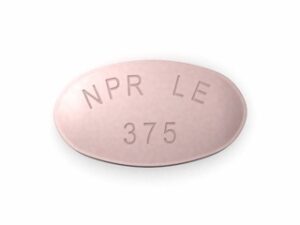
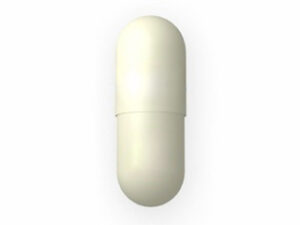

Phenazopyridine (Urinary Pain Relief)
Phenazopyridine is a medicine used to relieve pain, burning, urgency, and discomfort caused by irritation of the urinary tract. It can be helpful while your urinary symptoms are being assessed and while other treatments (if needed) take effect. This page explains how phenazopyridine works, how it is used, and important safety information for customers in the United Kingdom.
Important: Phenazopyridine treats symptoms (urinary tract discomfort). It does not cure the underlying cause of most urinary tract infections (UTIs). If you suspect a UTI, particularly if symptoms are severe or recurring, seek medical advice.
Basic product information
| Topic | Details |
|---|---|
| Common name | Phenazopyridine |
| Type of medicine | Symptomatic urinary analgesic (pain relief for the urinary tract) |
| How it helps | Reduces burning pain and irritation sensations in the urinary tract |
| Typical duration | Short-term use; follow the instructions provided with your product |
| Common side effect | Orange/red urine (expected) |
| Who should be cautious | People with kidney or liver problems, G6PD deficiency, certain medication interactions |
What is phenazopyridine and how does it work?
Mechanism of action
Phenazopyridine works locally on the lining of the urinary tract. It acts as a urinary analgesic, providing relief from burning and pain by exerting a soothing effect on irritated urinary tract tissue. The medicine is designed to target discomfort during urination and the associated urgency/irritation sensations.
Because it focuses on symptom relief, phenazopyridine does not eliminate bacteria, kidney stones, or other causes of urinary symptoms. If your symptoms suggest infection or another underlying problem, you may need additional evaluation and treatment.
When you should get medical advice urgently
- High fever or chills
- Back or side (flank) pain
- Blood in urine that is new or heavy
- Symptoms lasting more than a couple of days or rapidly worsening
- Pregnancy, male urinary symptoms, children, or people with known kidney problems
- Recurrent UTIs or complicated medical history
Pharmacokinetics (how the body handles it)
Understanding pharmacokinetics helps explain why kidney function and dosing duration matter. Phenazopyridine is absorbed to some extent and is metabolised in the body; metabolites and the active effects are related to its processing and excretion.
- Absorption: Phenazopyridine is absorbed after oral dosing.
- Distribution: It provides a local effect in the urinary tract, which is why it can relieve urinary discomfort.
- Metabolism and elimination: The medicine is metabolised and cleared from the body, with elimination influenced by kidney function.
- Orange/red urine: A characteristic effect is urine discoloration, which is not the same as blood. It occurs due to the medicine’s colour and urinary excretion.
Because clearance relies partly on the kidneys, people with reduced kidney function may experience higher drug exposure. This increases the risk of adverse effects, so careful use is essential.
Typical uses (what it’s used for)
Phenazopyridine is used to relieve symptoms of irritation of the urinary tract, such as:
- Burning sensation when passing urine
- Urinary urgency and frequency associated with irritation
- Pain and discomfort in the lower urinary tract
- Temporary symptomatic relief during evaluation or treatment for urinary conditions
It may be used in situations where urinary tract discomfort is expected, but it should be used for a short time and not as a substitute for treating the underlying cause.
Indications in practice
In an online pharmacy setting, phenazopyridine is commonly requested for temporary relief of unpleasant urinary symptoms. Typical indications include:
- Symptomatic relief while awaiting assessment of a suspected UTI
- Relief of burning or irritation from urinary tract inflammation
- Short-term pain control after procedures that irritate the urinary tract (only as advised by the product guidance)
If symptoms include fever, flank pain, or you are generally unwell, it is safer to seek medical advice promptly rather than relying on symptomatic treatment alone.
How to take phenazopyridine (timing and dosing)
Timing
Many patients take phenazopyridine short-term for urinary discomfort and often notice relief within a short period after dosing. Use it according to the instructions on your product packaging or the directions provided by your pharmacist.
Do not exceed the recommended dose, and do not use it for longer than advised. If symptoms persist, reassess the cause and seek professional guidance.
Typical dosing (general guidance)
Dosing can vary by formulation strength. Because product presentations differ, always follow the label for your exact medicine. As a general reference:
- Adults typically take phenazopyridine in divided doses during the day to maintain symptom relief.
- Use is usually limited to a brief course (often just a few days) depending on product instructions.
- Children: dosing and suitability depend on age and formulation; check with a pharmacist.
Missed dose: If you miss a dose, take it when you remember unless it is near the next dose. Do not double up.
Stopping: Stop using phenazopyridine if symptoms resolve or if you are told to stop by a healthcare professional. Seek advice if symptoms worsen or do not improve.
Food interactions: can you take it with meals?
Phenazopyridine can usually be taken with or without food. However, taking it with food may help reduce stomach upset for some people. If you experience nausea or discomfort, consider taking it after meals (unless your product guidance advises otherwise).
Practical advice
- If it upsets your stomach, take it with a light snack or after meals.
- Avoid taking it on an empty stomach if you have a sensitive stomach.
- Stay well hydrated, unless you have been advised to restrict fluids.
Alcohol and medicine interactions
While phenazopyridine does not have a widely recognised “specific” alcohol interaction for everyone, alcohol may worsen dehydration and can aggravate urinary tract irritation in some people.
Recommendations
- Avoid alcohol if your symptoms are active and painful, to reduce potential irritation.
- If you do drink alcohol, do so in moderation and ensure you drink adequate water.
- Do not mix with other medicines that may affect the liver or kidneys unless advised by a professional.
If you are unsure whether your other medicines could interact with phenazopyridine (including those affecting kidney function, liver function, blood cells, or acid-base balance), ask a pharmacist.
Safety profile: who should be careful?
Common side effects
- Orange/red urine (expected and usually harmless)
- Stomach upset, nausea, or mild abdominal discomfort
- Headache or dizziness in some people
Note on urine colour: Discoloured urine can also occur with other conditions. If you see dark red urine that looks like blood or you feel unwell, seek advice. Phenazopyridine may mask the appearance of urine, so monitoring symptoms and seeking guidance when concerned is important.
Serious side effects (seek urgent advice)
- Signs of an allergic reaction (rash, swelling of face/lips, difficulty breathing)
- Severe or persistent nausea/vomiting
- Yellowing of the skin/eyes (jaundice), dark urine not consistent with the expected orange/red discolouration
- Unusual bruising or bleeding, severe weakness, or symptoms of blood problems
- Shortness of breath or marked changes in wellbeing
Risk of serious adverse effects can be higher if the medicine is taken for too long or in people with reduced kidney function.
People who should not use or should get advice first
Check with a pharmacist or healthcare professional if any of the following apply:
- Kidney impairment or reduced kidney function
- Liver disease
- Glucose-6-phosphate dehydrogenase (G6PD) deficiency (risk of blood-related complications)
- History of adverse reactions to similar urinary analgesics
- Taking medicines that may affect kidney/liver function or blood cells
- Pregnancy or breastfeeding (seek advice for suitability and safety)
For children, suitability depends on age and formulation. Always check before use.
Practical use tips
- Hydrate: Drink water regularly to help flush the urinary tract (unless you have been advised to limit fluids).
- Monitor symptoms: Track whether burning/urgency improves after starting phenazopyridine. If symptoms do not improve or you develop fever or back pain, seek medical advice.
- Expect urine discolouration: Tell yourself and any caregiver that urine may turn orange/red. If you have a urine test, inform the clinician/lab that you’re taking phenazopyridine.
- Do not extend the course: Longer use increases risk and is not recommended.
- Don’t “mask” worsening illness: If you feel unwell, do not rely on symptom relief—seek help.
- Hygiene and comfort: Gentle hygiene and wearing breathable clothing can reduce irritation. Consider avoiding harsh soaps and scented products around the genital area.
Alternative options for urinary discomfort
Depending on the cause of urinary symptoms, there are different approaches. Symptom relief may include:
Symptom relief alternatives
- Simple pain relief: Paracetamol or ibuprofen may help with general discomfort (if suitable for you). Follow the product guidance and check for contraindications (e.g., stomach ulcers, kidney disease, or blood-thinning medicines).
- Urinary alkalinisers (in some settings): Some products aim to soothe urinary discomfort. Suitability varies; ask a pharmacist for advice.
- Non-medicinal measures: Warm compresses, rest, and increased fluid intake can offer comfort. Cranberry products may help some people prevent recurrent UTIs, though they are not a quick treatment for acute symptoms.
Why identifying the cause matters
Burning and urgency can occur with UTIs, but also with irritation, dehydration, sexually transmitted infections, kidney stones, or bladder inflammation. If symptoms recur often or you have risk factors, the best option may be targeted treatment rather than repeated symptomatic relief.
UK market and legal/regulatory context
In the United Kingdom, medicine availability and classification are determined by the Medicines and Healthcare products Regulatory Agency (MHRA). How a product is supplied (for example, whether it is available via pharmacies, under specific pharmacist advice, or as a general sale category) depends on the formulation, dose, and safety profile.
Phenazopyridine-containing products may be supplied according to national and local guidance, which can change over time. Our site information helps you understand how to use the product safely and when to seek medical advice.
Always check the packaging and leaflet for the exact strength and directions for your specific product. If you are uncertain about suitability, speak to a pharmacist.
Recent guidance and how recommendations may affect you
UK healthcare recommendations for urinary symptoms commonly emphasise:
- Prompt evaluation when “red flag” symptoms occur (fever, back pain, severe illness)
- Appropriate use of symptomatic relief while the underlying cause is assessed
- Avoiding prolonged use of symptom-masking medicines when symptoms persist
- Considering urine testing and targeted treatment for recurrent or complicated cases
As local guidance evolves, pharmacy staff may ask screening questions to ensure the product is appropriate and that serious causes are not missed. This helps keep treatment safe and effective.
Delivery and availability in the UK
Phenazopyridine products may be available from online pharmacies depending on current stock, supplier listings, and local regulations. Availability can vary by strength and pack size.
What to expect when ordering
- Dispatch times: Orders are typically dispatched within the timeframe shown at checkout.
- Delivery options: The available delivery methods (standard or express) depend on your location.
- Packaging: Medicines are supplied in their original packaging where possible.
- Age and eligibility: Some products require pharmacist checks for suitability in certain groups.
If you have questions about your specific symptoms or medicines, use the pharmacy contact options on the site before placing an order.
FAQ about phenazopyridine
1) Does phenazopyridine treat a urinary tract infection (UTI)?
Phenazopyridine provides symptom relief for urinary tract irritation (burning, discomfort, urgency sensations). It does not treat the underlying cause of most UTIs (for example, bacterial infection). If you suspect a UTI, you may need further assessment and appropriate treatment.
2) Why is my urine orange or red after taking it?
Orange/red urine is a common and expected effect of phenazopyridine. It results from the medicine being excreted into urine. If you are unsure whether it is medication-related or you see symptoms like heavy bleeding, seek advice promptly.
3) How quickly should it start working?
Many people notice symptom relief within a short time after taking phenazopyridine. If there is no improvement or symptoms worsen, stop relying on symptom relief and seek medical/pharmacy advice.
4) Can I drink alcohol while taking phenazopyridine?
It’s generally best to avoid alcohol during active urinary symptoms because alcohol can worsen irritation and dehydration. If you drink, do so in moderation and stay hydrated. If you have liver/kidney issues or take other interacting medicines, ask a pharmacist.
5) Should I take it with food?
Often it can be taken with or without food. If you get nausea or stomach upset, taking it with food may help. Always follow the exact instructions for your product.
6) What happens if I need urine tests while I’m taking it?
Because phenazopyridine changes urine colour, it can affect how urine looks. Inform the clinician/lab that you’re taking phenazopyridine so they interpret any tests appropriately.
7) Who should not use phenazopyridine?
People with kidney impairment, liver problems, or G6PD deficiency should seek advice first. Pregnant or breastfeeding people and children should also get professional advice before use. If you have a history of serious adverse reactions, do not take it without guidance.
8) Can I take it for longer than the recommended course?
Do not extend the course beyond what is advised on your product label. Longer use increases the risk of side effects, particularly if you have reduced kidney function. If symptoms continue, seek advice to address the underlying cause.
9) What should I do if I accidentally take too much?
Seek advice immediately. Contact NHS 111 or your local urgent care service for guidance, or call the Poisons Centre if instructed. Keep the medicine pack available for reference.
10) Are there alternatives if phenazopyridine isn’t suitable for me?
Depending on your situation, alternatives may include general pain relief (such as paracetamol/ibuprofen if suitable), other urinary symptom-relief products, and non-medicinal measures. For persistent or recurrent symptoms, it’s important to identify the cause so the right treatment can be provided.
Summary
Phenazopyridine can offer valuable short-term relief from burning and pain associated with urinary tract irritation. Use it according to the product instructions, expect orange/red urine as a common effect, and seek medical advice if you have fever, back pain, worsening symptoms, or symptoms that don’t improve promptly.
If you’re unsure whether your symptoms are suitable for symptom relief with phenazopyridine, consult a pharmacist or clinician.