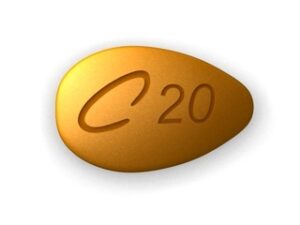



Dutasteride (UK) – Patient-Friendly Guide
Dutasteride is a medicine used to treat conditions related to an enlarged prostate (benign prostatic hyperplasia, BPH) and, in some cases, to reduce the risk of urinary complications from it. It belongs to a group of medicines called 5‑alpha‑reductase inhibitors. This guide explains how dutasteride works, how it’s used, what to expect, and important safety information—written for people in the United Kingdom.
Important: If you have symptoms such as difficulty passing urine, blood in the urine, severe pain, fever, or sudden inability to urinate, seek urgent medical advice.
Basic product information
| Feature | Details |
|---|---|
| Active ingredient | Dutasteride |
| Medicine type | 5‑alpha‑reductase inhibitor (5-ARI) |
| Common formulation | Capsules (strengths may vary by product/brand) |
| How it is taken | Usually once daily by mouth |
| Typical onset of benefit | Improvements may begin after weeks; full effects often take months |
| Key monitoring | Symptoms and prostate-specific antigen (PSA) trends as advised |
Mechanism of action: how dutasteride works
Dutasteride lowers the production of certain hormones called dihydrotestosterone (DHT). DHT is formed in the body when testosterone is converted by an enzyme called 5‑alpha‑reductase. Dutasteride inhibits this enzyme, which helps reduce DHT levels.
Why this matters for the prostate:
- Lower DHT can lead to shrinking of prostate tissue that has enlarged due to hormonal influences.
- Over time, prostate enlargement may ease, which can improve urinary symptoms.
- It can also reduce the likelihood of certain prostate-related complications.
Not a pain-relief or immediate “relief” medicine: Dutasteride works by changing hormone levels, so symptom improvement generally takes longer than medicines that relax muscles in the prostate/bladder.
Pharmacokinetics (how the body handles dutasteride)
Pharmacokinetics describes absorption, distribution, metabolism, and elimination. While individual results vary, the following features are important for understanding dosing and timing:
- Absorption: Dutasteride is absorbed after oral dosing. Food may affect the speed of absorption slightly, but overall exposure generally remains adequate.
- Distribution: It distributes into tissues and remains in the body for a long time.
- Metabolism: Dutasteride is mainly metabolised in the liver by enzyme systems including CYP3A4 (details depend on specific metabolic pathways).
- Half-life: Dutasteride has a long half-life, meaning it stays in the body for an extended period. This contributes to gradual effects and sustained hormone suppression.
- Excretion: Metabolites are eliminated mainly via faeces and urine.
Practical implication: Because it remains active for a long time, missing one dose occasionally is usually less critical than missing multiple doses, but you should still follow your usual schedule.
Typical use in the UK
Dutasteride is primarily used for:
- Benign prostatic hyperplasia (BPH) in men with an enlarged prostate to improve urinary symptoms.
- Reducing the risk of acute urinary retention (sudden inability to urinate) and surgery related to BPH when prescribed for eligible patients.
In some settings, dutasteride may be used with other medicines for BPH as part of a treatment plan (for example, when combined therapy is considered). Always follow the specific plan provided for you.
When to start seeing effects (timing)
Dutasteride is not designed for rapid symptom relief. Typical timing expectations:
- First few weeks: Some people notice no change yet. Hormone suppression begins, but prostate shrinkage takes time.
- 1–3 months: Gradual improvement may start, especially in urinary flow and symptom scores.
- Up to 6 months (and beyond): The full benefit may become clearer over time.
Tip: If your symptoms are severe, worsening, or you cannot urinate, don’t wait for dutasteride to “kick in.” Seek urgent medical advice.
Food interactions
Dutasteride can usually be taken with or without food. Food typically does not prevent the medicine from working effectively.
- If food causes you mild stomach upset, consider taking your dose with a meal.
- Try to take dutasteride at a similar time each day to maintain steady medicine levels.
General advice: Keep to your daily routine. If you take other medicines, you may coordinate your schedules for convenience and to reduce missed doses.
Alcohol interactions
There is no widely used, specific “dangerous interaction” between dutasteride and alcohol in standard references. However:
- Alcohol may worsen urinary symptoms in some people (for example, by increasing bladder irritation or dehydration).
- Heavy alcohol intake can also affect overall health and medication adherence.
Practical approach: If you drink alcohol, do so in moderation and monitor how your urinary symptoms respond. If you feel dizzy or unwell after drinking, discuss this with a healthcare professional.
Medicine interactions (other medicines)
Dutasteride is metabolised in the liver. Certain medicines can change drug metabolism, potentially affecting dutasteride levels.
Potential interaction categories include:
- CYP3A4 inhibitors: Medicines that inhibit liver enzymes involved in dutasteride breakdown may increase dutasteride exposure. Examples can include some antifungals and some antibiotics—interaction details depend on the specific product.
- Other hormonal or prostate medicines: Dutasteride may be used alongside other BPH treatments. Your overall plan should be reviewed to ensure the combination is appropriate.
- Herbal preparations: Some herbal products may affect enzyme systems. Ask a pharmacist before starting new supplements.
What to do:
- Tell your pharmacist or healthcare professional about all medicines you take, including over-the-counter products and supplements.
- If you start or stop another medicine, ask whether your dutasteride plan needs updating.
Safety note: Even when interactions are not well known for a specific product, it’s best to check—especially if you take medicines for infections or fungal conditions, or if you have liver disease.
Indications: who dutasteride is for
In the UK, dutasteride is used for men with benign prostatic hyperplasia where an enlarged prostate is part of the picture. The goal is to improve urinary symptoms and lower the risk of certain complications.
Common eligibility considerations include:
- Presence of bothersome urinary symptoms related to BPH
- Evidence or likelihood of an enlarged prostate
- Long-term management strategy rather than short-term, rapid symptom relief
Not for everyone: Dutasteride is for male patients. It is not suitable for women and is generally not used in children.
Dosing: how much and how often
Typical dosing is based on approved regimens and individual patient factors. Common guidance includes:
- Adults (typical): Usually one capsule once daily.
- Swallowing: Swallow capsules whole with water. Do not open or crush them unless instructed by your pharmacist.
Missed dose:
- If you miss a dose, take it when you remember on the same day.
- If it’s nearly time for the next dose, skip the missed dose and continue your normal schedule.
- Do not take a double dose to make up for a missed one.
How long to use: Because prostate shrinkage is gradual, it’s usually taken over months. Continue treatment for as long as it remains appropriate for you, unless you experience side effects that require review.
Kidney and liver considerations: Many patients with mild to moderate kidney problems can still take dutasteride, but liver impairment may require caution. If you have liver disease, seek personalised advice.
Safety profile and side effects
Like all medicines, dutasteride can cause side effects. Many people tolerate it well, but it’s important to know what may occur.
Common or notable side effects
- Sexual side effects may occur (e.g., reduced libido, erectile dysfunction, or changes in ejaculation volume).
- Breast tenderness or breast enlargement (rare but important).
- Changes in PSA levels—this does not always mean cancer. Your clinician interprets PSA in the context of 5‑alpha‑reductase inhibitor use.
Less common but serious possibilities
- Hypersensitivity reactions (allergic reactions).
- Depression or mood changes have been reported with some hormonal therapies; if you notice significant changes, contact a healthcare professional.
- Breast symptoms that persist (lumps, discharge) should be assessed promptly.
When to get urgent help
Seek immediate medical attention if you develop:
- Signs of a severe allergic reaction (swelling of face/lips, difficulty breathing)
- Severe weakness, fainting, or rapidly worsening symptoms
- Serious chest or breathing symptoms
Important practical use tips
1) Handle capsules safely
If capsules are damaged or opened:
- Women, especially those who are or may become pregnant, and children should avoid contact with leaking contents.
- Because dutasteride can be absorbed through skin, damaged capsules should be handled with care.
- Use protective measures as advised by your pharmacist if accidental contact occurs.
2) Take it at the same time each day
- Setting a daily reminder can improve adherence.
- Choose a time that fits your routine (morning or evening).
3) Expect gradual improvement
- Don’t stop early because symptoms have not improved within the first few weeks.
- Review progress with your clinician after an appropriate period.
4) Keep follow-up appointments
- Symptoms and urinary function should be monitored.
- PSA testing may be part of follow-up; dutasteride changes PSA values, so your clinician should interpret results correctly.
Alternative options for BPH
Dutasteride is one approach. Your clinician may recommend other options depending on your symptoms, prostate size, and overall health.
Common alternatives include
- Alpha‑blockers (help relax prostate and bladder neck muscles). These often provide faster symptom relief but do not shrink the prostate in the same way.
- Other 5‑alpha‑reductase inhibitors (e.g., finasteride) for hormone-related prostate enlargement.
- Combination therapy in selected cases (e.g., an alpha‑blocker plus a 5‑ARI).
- Procedures/surgery for more severe cases or those not improving with medicines.
Which is best? The best choice depends on symptom severity, prostate size, and personal preferences. Discuss options with a healthcare professional, especially if side effects occur.
Market and legal context in the United Kingdom
In the UK, the availability, classification, and dispensing of medicines are regulated. Dutasteride-containing products are supplied according to UK medicines legislation and pharmacy standards. Medicines may be accessed via:
- Community pharmacies or other authorised routes
- Prescriber-led care pathways for conditions where dutasteride is indicated
Guidance and safety checks are important because dutasteride affects hormone levels and interpretation of PSA, and because it can cause sexual side effects and other potential risks. UK healthcare services also emphasise appropriate patient selection and follow-up monitoring.
Recent guidance and clinical considerations (UK context)
Clinical practice in the UK typically reflects international and national urology guidance on BPH management. Key consistent themes include:
- Choosing men with enlarged prostates for 5‑alpha‑reductase inhibitor therapy.
- Setting expectations that benefit is gradual and may take several months.
- Monitoring PSA interpretation while taking 5‑ARIs, with clinician-adjusted interpretation rather than comparing raw PSA values alone.
- Reviewing sexual side effects and mood-related symptoms, and adjusting treatment where needed.
Follow current advice from your clinician or local NHS/urology services if you are starting or changing therapy.
Delivery and availability
Availability can vary by supplier and by capsule strength/brand. When ordering online from an authorised UK pharmacy:
- You may be able to choose delivery options at checkout (e.g., standard or express, depending on service).
- Packaging typically helps protect capsules during transit.
- Some medicines require identity or eligibility checks before dispatch, depending on UK regulations and the pharmacy’s service model.
Storage: Store your medicine according to the label instructions—typically at room temperature, away from excess heat and moisture. Keep out of the sight and reach of children.
Contact support: If you have questions about delivery times or stock, the pharmacy’s customer service team can advise.
FAQ: Frequently asked questions
1) How long does it take for dutasteride to work?
Many people notice gradual improvement after 1–3 months, with fuller benefit often taking 6 months or more. Continue taking it as advised, unless you are told to stop.
2) Should I take dutasteride with food?
Usually you can take it with or without food. If food upsets your stomach, try taking it with a meal. Choose a routine you can stick to.
3) Can I drink alcohol while taking dutasteride?
There is no universally recognised severe interaction with alcohol, but alcohol may worsen urinary symptoms for some people. Moderation is sensible, and avoid binge drinking.
4) Will dutasteride affect PSA blood tests?
Yes. Dutasteride can lower PSA levels. PSA results should be interpreted with the effect of 5‑alpha‑reductase inhibitors in mind, so your clinician should use the correct approach for monitoring.
5) What sexual side effects might happen?
Some men experience reduced libido, erectile dysfunction, or changes in ejaculation. If these occur and bother you, talk to a healthcare professional—options may include continuing, adjusting, or changing treatment.
6) Is dutasteride safe if I have liver problems?
Caution may be needed in liver impairment. Discuss your medical history with a clinician or pharmacist so your suitability can be assessed.
7) What if I miss a dose?
Take it when you remember on the same day. If it’s close to the next dose, skip the missed dose and continue as normal. Don’t double up.
8) Can women or children handle dutasteride capsules?
Women who are pregnant (or may become pregnant) and children should avoid handling broken or leaking capsules. If capsules are intact, risk is much lower, but still follow safe handling instructions.
9) Are there medicines that should not be taken with dutasteride?
Certain medicines that affect liver metabolism may change dutasteride levels. Always provide your full list of medicines and supplements to a pharmacist or clinician before starting or changing treatments.
10) What symptoms mean I should seek urgent help?
Seek urgent medical advice for severe allergic reactions, inability to urinate, fever or severe pain, or symptoms that rapidly worsen.
Summary
Dutasteride is a 5‑alpha‑reductase inhibitor used for men with benign prostatic hyperplasia (BPH), particularly when the prostate is enlarged. By reducing DHT, it can help shrink prostate tissue over time, improving urinary symptoms and lowering the risk of certain complications. Benefits usually build gradually over weeks to months.
To use dutasteride safely and effectively in the UK, take it consistently once daily, expect gradual improvement, follow monitoring advice (including PSA interpretation), and seek prompt medical help if you experience concerning symptoms.