Super Pack (United Kingdom) — Patient-Friendly Guide
Super Pack is a combination medicine product widely used in the UK for the management of certain common conditions, typically involving inflammatory symptoms, pain, and associated discomfort. It is designed for short-term, symptom-focused relief when used as directed.
This page explains how Super Pack works, how to take it, what to expect, and how to use it safely. Because combination products may vary slightly by manufacturer or formulation, always check the specific pack details for the exact ingredients and strengths.
Quick Overview
- Product type: Combination medicine (varies by brand/formulation)
- Common aims: Relief of pain, inflammation, and related symptoms
- How to use: Follow the dose instructions on the label and leaflet
- Typical course: Often short-term
- Key safety points: Not suitable for everyone (e.g., certain stomach, kidney, liver, bleeding, or heart conditions)
Important: This information is for guidance only and does not replace the patient information leaflet (PIL) supplied with your pack.
Basic Product Information
In the UK, “Super Pack” may refer to a multi-ingredient medicine kit. The exact composition can differ between products, so it is essential to confirm:
- Active ingredients (names and strengths)
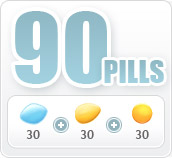
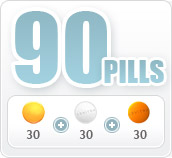
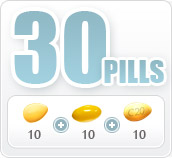
- Dosage form (for example, tablets/capsules; sometimes includes different types within one pack)
- Pack size and intended duration of use
- Age limits and whether it is for adults only
If you cannot see the exact ingredients on your packaging, speak to a pharmacist before using the product.
How Super Pack Works (Mechanism of Action)
The mechanism of action depends on the specific active ingredients contained in your Super Pack. In many combination packs used for symptom relief, one or more ingredients work by:
- Reducing inflammation: Commonly by blocking chemical pathways (for example, prostaglandin formation) that contribute to swelling and irritation.
- Relieving pain: By lowering inflammatory signalling and reducing pain sensitivity.
- Providing complementary effects: Some combinations also include an additional ingredient intended to improve symptom control (for example, targeting pain and discomfort in different ways).
In short: Super Pack is intended to reduce inflammatory processes and ease pain-related symptoms during a short course.
Pharmacokinetics (How the Body Handles It)
“Pharmacokinetics” describes what happens after you take the medicine. While exact values vary by formulation, many symptom-relief medicines show similar patterns:
- Absorption: Active ingredients are absorbed through the gastrointestinal tract after oral dosing.
- Onset of action: Some relief may begin within hours, with peak effects often occurring later depending on the formulation.
- Distribution: Ingredients distribute through body tissues to reach sites of action.
- Metabolism: Many medicines are processed (metabolised) by the liver.
- Excretion: Metabolites and/or active drug are removed primarily via the kidneys and/or bile.
If you have kidney or liver conditions, it can change how your body handles the medicine—this is a key reason to discuss suitability with a pharmacist.
What Super Pack Is Used For (Indications)
Super Pack is typically used for short-term relief of pain and inflammatory symptoms, such as:
- Muscle or joint discomfort related to inflammation
- Back, neck, or strain-type pain
- Pain and swelling associated with mild inflammatory episodes
- General symptomatic relief for conditions where anti-inflammatory and analgesic effects are desired
Use it only for the symptoms it is designed to treat. If your symptoms are severe, persistent, or worsening, get medical advice.
When to Take It (Timing and How Often)
Follow the dosing schedule in the pack and the patient information leaflet. As a general guide:
- Try taking it at consistent times each day if you are using multiple doses.
- Do not exceed the maximum number of doses within 24 hours listed on the label.
- Stop and seek advice if you develop concerning side effects (see “Safety Profile”).
If your pack includes more than one component (for example, different strengths in separate sections), use each item exactly as instructed.
Dosing (Adults and Other Groups)
The correct dose depends on the exact formulation. For UK availability, dosing is usually described clearly on the packaging. Always use the dose prescribed on the label/leaflet for your product.
| Group | Typical dosing approach | Notes |
|---|---|---|
| Adults | Follow the label dose and frequency for the specific strength in your pack. | Use the lowest effective dose for the shortest duration. |
| Elderly (65+) | Often similar dosing to adults, but may require extra caution. | Higher risk of side effects—ask a pharmacist if unsure. |
| Children & adolescents | Only use if the pack states it is suitable. | Many combination pain packs are adult-only. |
| People with kidney/liver impairment | May require different dosing or may be unsuitable. | Seek advice before use. |
| Pregnancy & breastfeeding | Check specific product guidance before use. | Some ingredients may not be recommended—consult a professional. |
Do not combine Super Pack with other medicines that contain the same (or closely related) active ingredients, as this can increase the risk of side effects.
Food Interactions (Can You Take It With Meals?)
Food can affect how medicines are absorbed and how well they are tolerated. For many anti-inflammatory pain medicines:
- Taking with food may reduce stomach upset for some people.
- For faster symptom relief, some medicines may be taken on an empty stomach; however, this can also increase the likelihood of stomach irritation.
A practical approach is:
- If you feel any stomach discomfort, take future doses with meals or milk (if suitable for you).
- If your leaflet recommends taking on an empty stomach, follow that guidance.
Always follow the instructions printed on your pack.
Alcohol Interactions (Is It Safe to Drink?)
It is generally advisable to avoid alcohol while taking medicines in this category, because alcohol can:
- Increase stomach irritation and raise the risk of bleeding or gastritis.
- Increase drowsiness if your product includes ingredients that affect the nervous system (check your leaflet).
- Worsen liver strain if metabolism is required and alcohol is consumed regularly.
If you do drink, consider keeping it to a minimum and seek pharmacist advice—especially if you have a history of stomach ulcers, reflux, or liver problems.
Interactions With Other Medicines
Some medicines can interact with Super Pack ingredients. Common categories to be careful with include:
- Other painkillers (especially those containing similar anti-inflammatory drugs)
- Anticoagulants/antiplatelets (e.g., warfarin, apixaban, rivaroxaban, clopidogrel)
- Other medicines that affect bleeding risk
- Diuretics (“water tablets”) and blood pressure medicines
- Medicines that affect kidney function
- Corticosteroids (increased stomach risk)
- Selective serotonin reuptake inhibitors (SSRIs) (possible increased bleeding risk)
- Lithium and methotrexate (dose/levels may change)
Provide a pharmacist with a full list of medicines and supplements you take, including “over-the-counter” products. This helps avoid accidental duplication.
Safety Profile (Important Risks and Who Should Be Cautious)
Like all medicines, Super Pack can cause side effects. Most are mild, but some can be serious. Your risk depends on: your age, medical history, dose, duration, and other medicines.
Common side effects
- Indigestion or stomach upset
- Nausea
- Mild dizziness or headache (depending on ingredients)
Seek urgent advice if you notice any of the following
- Signs of serious allergy: swelling of face/lips, wheezing, rash with difficulty breathing
- Severe stomach pain, vomiting blood, or passing black/tarry stools
- Unexplained bruising or bleeding
- Chest pain, shortness of breath, weakness on one side of the body (possible cardiovascular concerns)
- Reduced urine output or swelling of legs/feet
- Yellowing of skin/eyes or severe fatigue (possible liver issues)
Who should take extra care (or avoid)
- History of stomach ulcers or gastrointestinal bleeding
- Known sensitivity to any ingredient
- Significant kidney or liver disease
- Heart disease or stroke history (where relevant—discuss with a pharmacist)
- Asthma that worsens with anti-inflammatory pain medicines
- People taking medicines that increase bleeding risk
If you are unsure whether Super Pack is suitable, speak with a pharmacist or healthcare professional.
Practical Use Tips (How to Get the Best and Safest Results)
- Read the label carefully before starting—confirm the dose and frequency.
- Use the lowest effective dose for the shortest time needed.
- Stay hydrated (unless you have been restricted from fluids).
- Take with food if you have a sensitive stomach.
- Avoid “double dosing”: do not take another product with the same active ingredient(s).
- Track your symptoms: if pain/inflammation does not improve after a short course, seek advice.
- Check driving and machinery guidance from the leaflet if your product affects alertness.
Non-medicine measures can also help inflammatory pain: rest the affected area, apply heat or cold where appropriate, and maintain gentle movement if recommended.
Alternative Options (What Else Could Help?)
Alternatives depend on your symptoms and medical history. In the UK, common options include:
- Simple pain relief (e.g., paracetamol-containing products) for mild pain where appropriate.
- Topical treatments (such as anti-inflammatory gels) that may reduce systemic side effects for localized pain.
- Other non-steroidal anti-inflammatory medicines (different strengths/formulations) if compatible with your health.
- Physiotherapy and exercise-based management for ongoing musculoskeletal pain.
- For inflammation-related flare-ups: a clinician-guided plan may be needed if symptoms recur frequently.
If you want, tell us your main symptoms and any relevant conditions, and we can help you understand which product types may be safer alternatives to discuss with a pharmacist.
Market and Legal/Regulatory Context in the UK
In the United Kingdom, medicines are regulated by the Medicines and Healthcare products Regulatory Agency (MHRA), with pricing, classification, and availability overseen through established regulatory frameworks. Patient medicines information is typically provided in the patient information leaflet (PIL) and on the outer packaging.
For online pharmacies, legal requirements include:
- Ensuring products are legally supplied and stored appropriately
- Providing clear information about use, warnings, and contraindications
- Maintaining patient safety checks such as suitability screening where required
- Complying with UK consumer and medicines distance-selling rules
Always check that the website you use is compliant with UK pharmacy regulations and that products include the required information.
Recent Guidance and Safety Messaging (General UK Advice)
UK safety guidance for pain-relief medicines often focuses on:
- Using the lowest effective dose for the shortest possible time
- Avoiding duplication with other products containing the same active ingredients
- Recognising red-flag symptoms such as bleeding, severe stomach pain, or breathing difficulties
- Extra caution in people at higher risk (ulcers, kidney disease, cardiovascular disease, older age)
Guidance may be updated over time. If you have ongoing symptoms or complex health issues, consider checking with a pharmacist for current advice.
Delivery and Availability (United Kingdom)
Super Pack is typically available through licensed online pharmacies in the UK, with home delivery options. Availability can vary depending on:
- Pack size and formulation
- Current stock levels
- Whether specific age or suitability checks are required
When you place your order, delivery time depends on the shipping method shown at checkout. Ensure you provide a delivery address where someone can receive the parcel if a signature is required.
Storage: Store your Super Pack as directed on the label—usually at room temperature, protected from excess heat and moisture, and out of reach of children.
FAQ (Frequently Asked Questions)
1) What is Super Pack used for?
It is generally used for short-term relief of pain and inflammatory symptoms as indicated on the pack. Check your specific product label for the exact indications and intended use.
2) How quickly will it work?
Many people notice symptom improvement within hours. Full benefit may take longer depending on the exact formulation and your individual response. If there is no improvement after a short course, seek advice.
3) Can I take Super Pack with food?
Often yes, and taking with food can reduce stomach upset. However, follow your pack’s instructions, as some products may specify whether food improves tolerability for that ingredient combination.
4) Can I drink alcohol while taking it?
It’s generally best to avoid alcohol during treatment because it can worsen stomach irritation and may increase health risks. If you are unsure, ask a pharmacist.
5) Can I take it with other painkillers?
Avoid doubling up on the same active ingredient(s). Some combinations with other painkillers can increase side effects or bleeding risk. If you’re taking other medicines, check with a pharmacist.
6) Who should not use Super Pack?
People with certain conditions (such as a history of stomach ulcers/bleeding, allergy to ingredients, significant kidney/liver problems, or specific medicine interactions) may need to avoid it or use it only under professional guidance. Check your leaflet or ask a pharmacist.
7) What should I do if I miss a dose?
Take it when you remember unless it is close to your next dose. Do not take a double dose to make up for a missed one. Follow the leaflet guidance for missed doses.
8) How long should I use it?
Use the shortest time needed and do not exceed the maximum duration listed in the pack instructions. If symptoms persist or worsen, seek advice.
9) Are there any driving or operating machinery concerns?
Some people may feel dizziness or altered alertness depending on ingredients. If you feel affected, avoid driving or operating machinery until you feel normal again, and check your leaflet for specific warnings.
10) Where can I find the exact ingredients and dose for my Super Pack?
Look on the outer pack label and inside the included patient information leaflet. If you have trouble identifying the strengths or instructions, ask a pharmacist.
Need More Personalised Advice?
If you have complex medical conditions, take regular medicines, or are unsure whether Super Pack is suitable, consult a pharmacist. They can help you review: your current medicines, allergies, past side effects, and the safest dosing approach for your situation.