
Vitamin C (Ascorbic Acid) – Patient Information
Vitamin C (ascorbic acid) is an essential nutrient that your body needs to maintain normal health. It is found naturally in fruits and vegetables, and many people also choose supplements to help meet daily requirements—particularly during periods when dietary intake may be lower.
This page explains what Vitamin C does in the body, how it works, how the body absorbs and processes it, typical uses and dosing, safety information, and practical tips for getting the most from your supplement. It is written for readers in the United Kingdom.
1) Basic product information
Product type: Dietary supplement (vitamin supplement)
Active ingredient: Ascorbic acid (Vitamin C)
Common forms available: Tablets, capsules, chewable tablets, effervescent tablets, sachets/powders
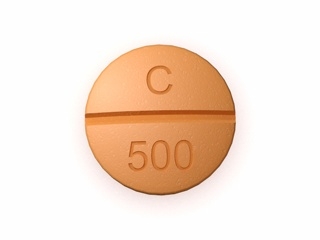
Typical strength (examples): 100 mg, 250 mg, 500 mg, 1000 mg
Who it’s for: Adults and, in some cases, children (depending on product guidance)
2) What Vitamin C is and why it matters
Vitamin C is a water-soluble vitamin. Your body cannot make Vitamin C in sufficient amounts, so you must get it from food and/or supplements. Vitamin C supports a wide range of functions, including the immune system and collagen formation.
In the UK, Vitamin C is available over-the-counter in many preparations. Dietary intake is generally adequate for many people, but supplementation may be helpful for those at risk of low intake or with higher needs.
3) Mechanism of action (how Vitamin C works)
Vitamin C plays several roles in the body:
- Collagen formation: Vitamin C is required for the synthesis of collagen, a structural protein important for skin, blood vessels, gums, bones and connective tissue.
- Antioxidant activity: It helps protect cells from damage caused by “oxidative stress” and supports the body’s natural antioxidant defences.
- Immune support: Vitamin C contributes to the normal function of immune cells and supports protective barriers (such as skin and mucous membranes).
- Iron absorption: Vitamin C can increase the absorption of non-haem iron from plant-based foods (e.g., beans, lentils, spinach). This is especially relevant for vegetarians and vegans.
- Metabolism and tissue repair: It supports normal metabolic processes and helps with tissue maintenance and repair.
4) Pharmacokinetics (absorption, distribution, metabolism, elimination)
Pharmacokinetics describes what the body does with the vitamin—how it absorbs, distributes, and eliminates it.
Absorption
Vitamin C is absorbed from the gastrointestinal tract. Absorption tends to be efficient at lower doses, but it becomes less complete at higher doses.
Distribution
After absorption, Vitamin C spreads into body tissues, including areas with high metabolic demand and where antioxidant protection and collagen formation are important.
Metabolism
Vitamin C is metabolised in the body into inactive compounds.
Elimination
Excess Vitamin C is largely excreted via the kidneys in urine. As a result, blood Vitamin C levels usually do not rise infinitely—once tissues are saturated, additional amounts are more likely to be eliminated.
Practical implication: Taking higher doses does not necessarily mean proportionally higher benefits for everyone. Consistency and adequate dietary intake remain important.
5) Typical use in the UK
People commonly take Vitamin C to support overall health, help maintain normal immune function, and support collagen formation. Many also use it to:
- Help maintain normal dietary Vitamin C levels.
- Support immune system function (as part of a balanced lifestyle).
- Support skin and connective tissue health via collagen.
- Improve iron absorption when iron intake is lower or mainly plant-based.
- Support antioxidant defence, particularly during periods of increased stress, poor intake, or winter months.
6) Indications (what it’s used for)
In the UK, Vitamin C supplements are marketed for general nutrition and for specific authorised health claims on labels (where applicable). Common indications include:
- Collagen formation: Helps support normal function of gums, skin, and blood vessels.
- Immune function: Contributes to the normal function of the immune system.
- Reduction of fatigue: Some formulations may use general vitamin claims depending on the product and regulatory status.
- Iron absorption: Helps increase absorption of non-haem iron from the diet.
- Prevention/correction of deficiency: Vitamin C deficiency is uncommon in the UK but can occur in certain dietary patterns, smoking, or medical circumstances.
If you suspect deficiency (for example, persistent unusual bruising, bleeding gums, or poor wound healing), speak to a healthcare professional for personalised advice.
7) When to take Vitamin C (timing and routine)
Vitamin C can be taken at any time of day. The best timing depends on your routine and the type of product.
General timing
- With or after food: Often easier on the stomach, especially if you’re sensitive.
- If using to improve iron absorption: Take it with a meal containing non-haem iron (e.g., lentils, beans, dark leafy greens) or as directed on the label.
- Splitting doses: If your dose is higher, splitting into two smaller doses may improve comfort for some people.
Effervescent tablets
Effervescent products should be dissolved in water according to the instructions. They may taste strong and can be acidic—consider taking with food if you experience stomach discomfort.
8) Dosing: how much Vitamin C to take
Dosing varies by age, diet, and product strength. Always follow the instructions on your product label.
Typical adult needs (general guidance)
In the UK, reference intakes are used to guide daily amounts. Many adults aim for around 70 mg per day as an intake target, though individual needs may vary.
Common supplement dosing examples
Many over-the-counter products provide doses higher than 70 mg, such as 250 mg or 500 mg. Higher doses may be chosen for short periods or during times when intake may be lower.
| Purpose | Typical supplemental range (adults) | Notes |
|---|---|---|
| General nutritional support | 100–250 mg daily | Suitable for many people with adequate diet and occasional gaps. |
| Higher dietary gap support | 250–500 mg daily | Often used during winter or periods of reduced fruit/veg intake. |
| Iron absorption support with plant-based meals | Vitamin C taken with relevant meals | Timing with meals is more important than total daily dose. |
| Short-term increased need (individualised) | Up to 1000 mg daily may be used by some | Only if suitable; consider tolerance and any health conditions. |
Children
Children’s needs are lower and products may differ. Use a child-appropriate product and follow the label dosing instructions. If you are unsure, ask a pharmacist or healthcare professional.
Maximum intake (important)
Very high intakes of Vitamin C may cause side effects in some people (see “Safety profile”). If you are considering sustained high doses, it’s wise to discuss with a healthcare professional—especially if you have kidney conditions or recurrent kidney stones.
9) Food interactions (including meal-related effects)
Vitamin C is generally well tolerated. Food can affect comfort and absorption, particularly for people with sensitive stomachs.
Helpful with iron-containing meals
- Non-haem iron: Vitamin C can enhance absorption of iron from plant sources.
- Meal planning tip: Take Vitamin C with meals that include lentils, beans, chickpeas, tofu, spinach, or fortified cereals.
Gastrointestinal comfort
If Vitamin C upsets your stomach, taking it with food or choosing a gentler formulation (such as a tablet rather than effervescent) may help.
Certain beverage considerations
- Tea and coffee: They contain compounds that may reduce iron absorption. If you’re using Vitamin C to support iron intake, aim to space Vitamin C from tea/coffee where possible, or take it with meals that don’t rely on tea/coffee timing.
- High-acidity meals: If you have reflux, very acidic foods plus an effervescent supplement may increase discomfort in some people.
10) Alcohol and medicine interactions
Interactions can be complex and depend on the specific medicine, dose, and individual health. Below are practical considerations.
Alcohol and Vitamin C
- No specific direct interaction is typically expected for Vitamin C with occasional alcohol.
- However: Heavy or frequent alcohol intake can negatively affect nutrition and may influence levels of certain vitamins. Maintaining adequate dietary intake and hydration is generally advisable.
- If you experience stomach upset when combining alcohol with supplements, consider taking Vitamin C with food or at a different time.
Medicine interactions
Vitamin C may interact with medicines in a few circumstances, mainly through effects on absorption, urine chemistry, or laboratory measurements.
- Antacids and some stomach medicines: These may influence absorption or tolerance depending on formulation. If you have frequent heartburn and use antacids regularly, choose a product that is easier on the stomach and seek advice if unsure.
- Chemotherapy medicines or certain specialist treatments: Vitamin C can affect oxidative processes and may be relevant for some therapies. If you are undergoing treatment, check with a clinician.
- Warfarin (and other vitamin K antagonists): Some vitamin supplements may affect bleeding risk when taken in high doses for prolonged periods. Speak to a healthcare professional if you take warfarin regularly.
- Iron supplements: Combining Vitamin C with iron is often beneficial for absorption, but it should be planned to avoid excess dosing or gastrointestinal side effects.
- Kidney-related considerations: High doses may increase urinary oxalate in some individuals. People with a history of kidney stones should seek advice before using higher-dose Vitamin C.
Advice: If you take regular medicines, have a long-term condition, or are pregnant/breastfeeding, it’s a good idea to consult a pharmacist before starting high-dose Vitamin C.
11) Safety profile: side effects and who should be cautious
Vitamin C is generally safe for most people when taken at recommended doses. Because it is water-soluble, excess is usually excreted, but side effects can still occur—particularly with higher doses.
Common side effects
- Stomach upset (nausea, cramps)
- Diarrhoea or loose stools
- Heartburn or reflux symptoms (more likely with acidic formulations like effervescent tablets)
- Headache in some people (usually dose-related)
Less common but important
- Kidney stone risk: People with a history of kidney stones may be more cautious with high doses.
- G6PD deficiency: Very high doses may increase risk of haemolysis (red blood cell breakdown) in people with glucose-6-phosphate dehydrogenase (G6PD) deficiency. If you have G6PD deficiency, ask a healthcare professional before using Vitamin C supplements.
When to stop and get advice
Stop taking the supplement and seek medical advice if you develop severe abdominal pain, persistent diarrhoea, signs of an allergic reaction, or symptoms consistent with kidney problems (e.g., severe back/side pain or blood in urine).
12) Practical use tips (to get the most benefit)
- Choose the right form: If you get stomach upset, tablets may be gentler than effervescent products.
- Be consistent: Regular daily intake is usually more useful than occasional high doses.
- Pair with food when needed: Taking with meals can improve tolerance and—when relevant—support iron absorption.
- Check total intake: If you take a multivitamin plus a Vitamin C supplement, add them up to avoid unnecessary high total Vitamin C intake.
- Stay hydrated: Adequate fluid intake supports normal kidney function and comfort.
- Store safely: Keep out of reach of children and follow storage instructions on the label (e.g., away from moisture and heat).
13) Alternative options (if Vitamin C isn’t suitable or you want variety)
If you prefer not to use supplements or need a different approach, options include:
Food-based sources
- Citrus fruits (oranges, mandarins, grapefruit)
- Berries
- Kiwifruit
- Peppers (especially red peppers)
- Broccoli and Brussels sprouts
- Tomatoes
- Potatoes (particularly with skin)
Other supplement forms
- Buffered Vitamin C (e.g., calcium ascorbate): may be gentler for some people.
- Ascorbyl palmitate: different form, often positioned as gentler on the stomach, but may differ in how it’s absorbed and marketed.
- Multivitamin/mineral products that already include Vitamin C.
If you have a specific reason for choosing Vitamin C (e.g., iron absorption, collagen support), ask a pharmacist which form and dose best suit your needs.
14) Market and legal context for Vitamin C in the UK
In the UK, Vitamin C is commonly sold as a food supplement (a supplement containing vitamins and/or minerals). Supplements must comply with relevant UK regulations and labelling requirements, including:
- Correct labelling: ingredient list, quantity per serving, recommended daily intake, and any relevant warnings.
- Health claim rules: only authorised claims should be used where applicable, and wording must comply with regulations.
- Safety and quality: products should meet manufacturing and quality expectations and be suitable for consumer use.
Food supplements in the UK are not the same as medicines and are usually used to support health rather than to treat disease. Always follow label instructions.
15) Recent guidance and public health messaging (UK)
UK public health advice generally encourages:
- A balanced diet with at least five portions of fruit and vegetables daily (or as close as possible).
- Relying on food first for nutrients when possible.
- Using supplements responsibly if diet may be insufficient.
During public health periods such as winter months, messaging often emphasises maintaining overall wellbeing, staying hydrated, and prioritising a varied diet. If you’re considering Vitamin C specifically for immune support, it may be reasonable as part of a healthy routine—but it should not replace vaccinations or proven infection-control measures.
16) Delivery and availability (UK online pharmacy)
Vitamin C (ascorbic acid) supplements are widely available across the UK. When ordering online, availability can depend on stock levels, product form (e.g., tablets versus effervescent), and strength.
- Dispatch: Orders are typically processed shortly after purchase (see the product page for current timings).
- Delivery options: Commonly includes standard and faster delivery (depending on your location and order value).
- Packaging: Supplements are usually shipped in protective packaging to prevent moisture damage.
If you have allergies or dietary preferences (e.g., vegetarian/vegan capsules), check the product ingredients and excipients listed on the item page.
17) FAQ (Frequently asked questions)
How long does it take for Vitamin C to work?
For general nutritional support, benefits are related to your overall Vitamin C intake over time rather than a single immediate effect. If you’re correcting a low intake, levels may improve within days to weeks depending on your baseline status, diet, and dose.
Can I take Vitamin C every day?
Many people take Vitamin C daily at label-recommended doses. If you’re using higher doses, it’s sensible to use them within the context of the product instructions and your overall diet, and to seek advice if you have kidney problems or other medical concerns.
What is the best time to take Vitamin C?
Most people find it convenient to take Vitamin C with or after food. If you’re using it to improve non-haem iron absorption, take it with a meal that contains iron. If it causes stomach discomfort, choose a time with food.
Can Vitamin C help with colds?
Vitamin C supports normal immune function, but it cannot guarantee prevention of colds or cure infections. Some people use Vitamin C during cold seasons as part of a healthy routine. For individual advice, especially if you have frequent infections, speak to a healthcare professional.
Is there a difference between Vitamin C and ascorbic acid?
Ascorbic acid is Vitamin C. When a product lists “ascorbic acid,” it is the active form of Vitamin C used in many supplements.
Will Vitamin C upset my stomach?
It can in some people, especially at higher doses or with acidic formulations like effervescent tablets. Taking it with food, reducing the dose, or switching to a buffered form may improve tolerance.
Can I take Vitamin C with iron?
Yes—Vitamin C can help increase absorption of non-haem iron. If you use both an iron supplement and Vitamin C, follow dosing instructions on each product and consider taking them together with meals for best absorption.
Are there foods I should avoid while taking Vitamin C?
There are no strict food bans for most people. However, tea and coffee can reduce iron absorption, so if you’re using Vitamin C to support iron intake, it may help to plan timing around your meals.
Can I take Vitamin C if I’m pregnant or breastfeeding?
Vitamin C requirements increase in pregnancy and breastfeeding, and many people meet needs via diet and/or supplements. It’s important to use doses consistent with label guidance and discuss higher-dose supplementation with a healthcare professional.
Does Vitamin C affect laboratory tests?
Vitamin C can interfere with some laboratory test results. If you have blood or urine tests coming up, inform the clinician or the testing service about any supplements you take.
What should I do if I miss a dose?
If you forget a dose, take it when you remember unless it’s close to the next dose. Do not take a double dose to make up for the missed one.
Who should not take high-dose Vitamin C without advice?
People with a history of kidney stones, those with kidney disease, individuals with G6PD deficiency, and those taking certain medicines should seek advice before using higher doses for extended periods.
Summary
Vitamin C (ascorbic acid) is an essential water-soluble vitamin that supports collagen formation, antioxidant defence, and normal immune function. It is absorbed from the gut, distributes into tissues, and excess amounts are removed mainly through the kidneys. Most adults can safely take Vitamin C at label-recommended doses, ideally with food for comfort and, where relevant, to support iron absorption. If you have medical conditions, take regular medication, are pregnant or breastfeeding, or plan to use higher doses, consider speaking to a healthcare professional or pharmacist for individual guidance.
Note: This information is intended for general guidance and does not replace advice from a qualified healthcare professional. Always read the product label and follow the recommended daily intake.