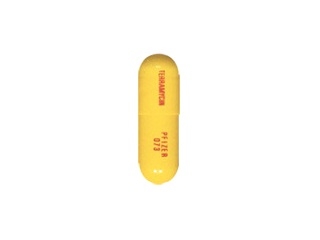


Terramycin (Oxytetracycline) – Patient Guide
Terramycin contains oxytetracycline, an antibiotic from the tetracycline group. It is used to treat certain bacterial infections in people and, in some countries, animals. This page focuses on using oxytetracycline in the UK context as an antibacterial medicine, with practical guidance on how it works, when to take it, food and alcohol considerations, and what to expect.
Important: Always follow the advice of your healthcare professional and the instructions provided with your specific product. Different formulations (for example, tablets, liquids, or topical forms) can have different instructions.
Key Product Information
- Medicine name: Terramycin
- Active ingredient: Oxytetracycline
- Medicine type: Antibiotic (tetracycline)
- How it is used: Typically for bacterial infections where oxytetracycline is appropriate
- Common forms: Varies by market; oral formulations and other presentations may exist
- Availability in the UK: Availability can vary by supplier and product presentation
How Oxytetracycline Works (Mechanism of Action)
Oxytetracycline works by stopping bacteria from making proteins—a critical step for their growth and multiplication. It does this by binding to the 30S ribosomal subunit, which interferes with the bacteria’s ability to read genetic instructions to build proteins.
As a result, oxytetracycline is generally considered bacteriostatic (it inhibits bacterial growth) rather than directly killing bacteria outright. The immune system then helps clear the infection over time.
Pharmacokinetics (What the Body Does to the Medicine)
“Pharmacokinetics” describes how oxytetracycline moves through the body—how it is absorbed, distributed, metabolised, and eliminated. While exact figures can vary by formulation and individual factors, the following points are helpful for understanding treatment.
- Absorption: Oxytetracycline can be reduced by certain foods and minerals (see “Food and interactions” below). Taking it at the right time can improve absorption.
- Distribution: It can distribute into many body tissues and fluids. Tetracyclines can bind to calcium-containing tissues.
- Elimination: Oxytetracycline is mainly cleared by the kidneys (urine). Kidney function may affect how the medicine is handled.
Because absorption is affected by common everyday dietary components, timing and food choices can strongly influence how well the antibiotic works.
Typical Use in the UK
Oxytetracycline is used for susceptible bacterial infections where it is appropriate. The exact suitability of Terramycin depends on:
- The type of infection
- The likely or confirmed bacteria involved
- Local resistance patterns
- Patient factors (age, pregnancy status, kidney function, other medicines)
- Whether an alternative antibiotic might be safer or more effective
If you are considering or have been advised to use Terramycin, it’s important to ensure the infection is likely bacterial and that the organism is susceptible.
Indications (When It May Be Considered)
Oxytetracycline may be considered for certain infections caused by susceptible bacteria. In practice, selection is guided by clinical assessment and sensitivity (culture and susceptibility testing when available).
Typical areas where tetracyclines may be used historically include some infections involving:
- Skin and soft tissues caused by susceptible organisms
- Respiratory tract infections caused by susceptible bacteria (where appropriate)
- Genitourinary infections where tetracyclines are appropriate based on local guidance and organism sensitivity
- Acne/skin conditions in certain cases (depending on formulation and clinical judgment)
- Other susceptible bacterial infections as determined by healthcare professionals
Your prescriber/pharmacist should confirm whether oxytetracycline is the best choice for your particular condition.
Dosing: How Much to Take
Always use the dose and schedule provided with your Terramycin product or your healthcare professional’s instructions. Dose depends on:
- The infection being treated
- Your age and weight
- Kidney function
- The severity of illness
- Whether tablets or another formulation is used
In general, oral tetracycline dosing regimens often require multiple daily doses to maintain effective levels, but exact frequency varies by product and indication. It’s not safe to substitute dosing between different tetracyclines or brands without professional direction.
| Aspect | Typical guidance |
|---|---|
| Dose frequency | Usually split across the day (exact schedule depends on formulation and indication) |
| How to take | With water; stay upright if it helps reduce throat irritation |
| Course length | Complete the full course unless advised otherwise |
| Missed dose | Take when remembered unless close to the next dose; do not double up |
If you’re unsure about your dose, check the product label or speak to a pharmacist.
Timing: When to Take Terramycin
The timing of oxytetracycline can matter because food and minerals can reduce absorption. Many patients are advised to take tetracyclines at a time that avoids dairy and mineral supplements.
Practical timing tips
- Follow the label instructions for “with food” or “on an empty stomach” guidance (this varies by product).
- If the medicine is intended to be taken away from meals, a common approach is: take with a gap of around 2 hours before or after certain meals that contain minerals or dairy.
- Choose a consistent routine to help you remember.
If you experience stomach upset, ask a pharmacist whether taking it with a small amount of food is acceptable for your specific product. Some antibiotics can be tolerated with food, but this may alter absorption.
Food Interactions (Important)
Oxytetracycline can bind to minerals in the gut, which can reduce how much medicine is absorbed. This can make the antibiotic less effective.
Avoid or separate from:
- Dairy products (milk, cheese, yoghurt, calcium-rich foods)
- Calcium supplements
- Iron supplements (including “health” tablets with iron)
- Magnesium-containing supplements (including some antacids)
- Multivitamins that contain minerals
- Products containing zinc and similar minerals
How to separate (general approach)
- Consider spacing tetracycline doses and mineral supplements/antacids by at least 2 hours (sometimes longer may be advised depending on the product and clinical situation).
Tip: If you take antacids or supplements regularly, ask your pharmacist for a personalised schedule that fits your day.
Alcohol and Medicine Interactions
Most importantly, avoid excessive alcohol during antibiotic treatment. Alcohol may worsen dehydration, impair recovery, and can increase the likelihood of side effects such as nausea or stomach irritation.
Oxytetracycline is not usually associated with a specific “dangerous reaction” with alcohol in the way some other medicines can be, but it is still best to keep alcohol intake low—especially if you notice side effects.
Alcohol considerations
- Keep it minimal while you’re unwell and taking the antibiotic.
- If you develop severe diarrhoea, significant abdominal pain, rash, or breathing problems, seek medical help urgently rather than self-treating with alcohol.
Medicine Interactions (Other Medicines to Think About)
Several medicines and supplements can interact with oxytetracycline or change how it works. Below are common categories; your pharmacist can check your specific list.
Common interaction categories
- Mineral-containing medicines/supplements (calcium, iron, magnesium, zinc) – can reduce absorption.
- Antacids containing aluminium/magnesium – may reduce absorption; separate dosing.
- Oral retinoids (vitamin A derivatives) – increase risk of certain side effects such as raised intracranial pressure (discuss with healthcare professionals).
- Some anti-seizure medicines (enzyme inducers) – may reduce tetracycline levels in the body.
- Warfarin or other blood thinners – antibiotics can sometimes affect clotting control; monitor as advised.
- Other antibiotics – combining antibiotics can be appropriate in some situations, but may not be suitable in others.
Always tell your pharmacist about:
- All prescription medicines
- Over-the-counter medicines (including antacids)
- Herbal products and supplements
- Recent vaccinations or infections (if relevant)
Safety Profile: Who Should Be Cautious?
Like all medicines, Terramycin (oxytetracycline) can cause side effects. Most people tolerate antibiotics reasonably well, but it’s important to know what’s normal and what requires urgent attention.
Common side effects
- Stomach upset (nausea, mild diarrhoea, abdominal discomfort)
- Heartburn or irritation of the throat/esophagus (especially if tablets are taken without enough water)
- Headache
- Vaginal itching/discharge or oral thrush (in some people, due to changes in normal flora)
- Skin sensitivity to sunlight (photosensitivity)
Serious side effects – seek urgent help
- Allergic reaction: swelling of face/lips, rash, wheezing, trouble breathing
- Severe or persistent diarrhoea (especially watery or bloody) – could indicate antibiotic-associated colitis
- Severe blistering rash or painful skin reactions
- Signs of liver problems: yellowing of skin/eyes, severe fatigue, dark urine
- Severe headache with visual changes (rare; requires urgent assessment)
Who may need extra caution
- Pregnancy and breastfeeding: tetracyclines can affect developing teeth/bones; use is generally restricted and should be guided by healthcare professionals.
- Children (especially younger ages): tetracyclines may affect teeth development; many tetracyclines have age-related restrictions.
- Kidney impairment: dose and monitoring may be required.
- A history of antibiotic-associated diarrhoea.
Practical Use Tips (How to Get the Best Results)
Take the medicine exactly as directed
- Don’t stop early just because symptoms improve.
- Don’t take extra doses if you miss one—follow label guidance.
Reduce stomach irritation
- Take with a full glass of water.
- Stay upright for a short time after taking (particularly for tablets/capsules).
Protect from sun sensitivity
- Avoid strong sunlight or sunbeds.
- Use suitable clothing and sunscreen if you’ll be outdoors.
Complete the course
Stopping early can increase the risk that bacteria survive and the infection returns. Completing the full course helps reduce relapse and antimicrobial resistance.
What to Expect During Treatment (Timing of Improvement)
Many infections begin to improve within 48–72 hours after starting an effective antibiotic. However, improvement timing varies by infection type and severity.
- If you feel no improvement after a few days, speak to a healthcare professional.
- If symptoms worsen quickly, seek urgent advice.
- If you develop severe diarrhoea, rash, or breathing difficulty, contact medical services promptly.
Alternative Options
Depending on the infection and the bacteria involved, clinicians may consider other antibiotics or non-antibiotic measures. Alternatives can include different antibiotic classes or narrower-spectrum options once susceptibility results are available.
Common alternative antibiotic options (examples)
- Amoxicillin or other penicillins (where appropriate)
- Doxycycline (another tetracycline often used for similar indications)
- Clarithromycin or other macrolides (where appropriate)
- Metronidazole (for certain anaerobic infections, not typically a broad alternative)
- Other agents based on local guidelines, infection site, and sensitivity
The “best alternative” depends on your diagnosis, allergy history, pregnancy/breastfeeding status, local resistance, and which antibiotics your healthcare team considers suitable.
UK Market, Legal and Guidance Context
In the United Kingdom, antibiotic use is supported and regulated through medicines legislation and national antimicrobial stewardship efforts. Antibiotics are used responsibly to reduce resistance and protect effectiveness for future patients.
Guidance in the UK commonly references:
- National antimicrobial stewardship principles
- Local formularies and resistance patterns
- Professional clinical guidelines for specific infections
- Safety monitoring and appropriate prescribing practices
Recent themes in guidance (general)
- Choosing antibiotics that match the likely bacteria and site of infection
- Using the narrowest effective option where possible
- Reassessing treatment if there is no clinical improvement
- Reducing unnecessary antibiotic exposure
Availability of specific brands (including older antibiotics like oxytetracycline) can vary as products and suppliers change. Your pharmacist can help identify the closest equivalent where required.
Delivery and Availability in the UK
Delivery options and availability may vary depending on the online pharmacy, warehouse location, and the specific product presentation. In general, UK online pharmacies aim to provide:
- Secure packaging
- Trackable delivery (where offered)
- Clear dispatch times at checkout
- Customer support for stock updates or delivery queries
If your preferred brand or pack size is out of stock, you may be offered an alternative that contains the same active ingredient (or a suitable equivalent) depending on availability and clinical appropriateness.
FAQ – Terramycin (Oxytetracycline)
1) What is Terramycin used for?
Terramycin is an antibiotic containing oxytetracycline. It is used for certain bacterial infections where the bacteria are susceptible and the medicine is appropriate for the individual.
2) How long does it take to work?
Many people notice improvement within 48–72 hours. If you do not improve or your symptoms worsen, seek medical advice.
3) Can I take Terramycin with food?
Some tetracycline instructions advise taking doses away from meals to improve absorption. However, this depends on the product. Check your specific label instructions. If you experience stomach upset, speak to a pharmacist before changing your routine.
4) Does dairy affect oxytetracycline?
Yes. Milk, yoghurt, and other dairy products contain calcium, which can reduce oxytetracycline absorption. If advised to take the medicine on an empty stomach or between meals, allow sufficient time away from dairy-containing meals.
5) Can I take vitamins or mineral supplements with it?
Mineral supplements such as iron, calcium, magnesium, and zinc can interfere with absorption. Usually you should separate dosing. Ask your pharmacist for a schedule that fits your medicines.
6) Is it safe to drink alcohol while taking Terramycin?
It’s best to keep alcohol intake low. Excess alcohol can worsen side effects and recovery. If you notice increased stomach upset or feel unwell, avoid alcohol and seek advice if symptoms are severe.
7) What should I do if I miss a dose?
Take it as soon as you remember unless it is close to your next dose. Do not double up. Follow the directions on the pack or ask your pharmacist for advice.
8) Are there any warning signs I should watch for?
Seek urgent medical help if you develop signs of an allergy (swelling, rash, breathing difficulty) or severe diarrhoea (especially watery or bloody), or severe skin reactions.
9) Can Terramycin cause sun sensitivity?
Yes. Oxytetracycline can make skin more sensitive to sunlight. Limit sun exposure and use appropriate protection.
10) What if I need an alternative antibiotic?
Alternatives depend on the infection and the likely bacteria. Your healthcare professional may select another antibiotic class or a different tetracycline depending on suitability, allergy history, and local guidance.
11) Is oxytetracycline appropriate for children?
Use in children is restricted in many settings due to the risk of effects on developing teeth and bones. Only use if specifically advised by a clinician and according to the product’s safety guidance.
12) Where can I find my product’s exact instructions?
Check the patient information leaflet supplied with your Terramycin pack and the label directions on your specific product.
Summary
Terramycin (oxytetracycline) is a tetracycline antibiotic used to treat certain bacterial infections. It works by interfering with bacterial protein synthesis. To maximise effectiveness, it’s important to take it at the right time and avoid mineral- and dairy-rich foods/supplements around doses. If you experience concerning side effects—especially severe diarrhoea, allergic reactions, or significant rash—seek prompt medical advice. Always follow the instructions for your specific product and consult a pharmacist or clinician if you have questions about interactions or dosing.