

Imodium (Loperamide) — Patient Information (UK)
Imodium is an antidiarrhoeal medicine used to treat diarrhoea in adults and children (depending on the product strength and age guidance). It works by reducing gut movement, helping to slow bowel activity and reduce the number of bowel motions.
This guide is designed to be clear and practical. It explains what Imodium does, how to use it safely, and when you should seek medical advice. Always follow the instructions on your pack and the advice of a pharmacist or healthcare professional.
Basic product information
- Active ingredient: Loperamide
- Class: Antidiarrhoeal (symptomatic treatment)
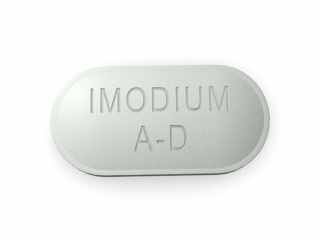
- Typical forms: Capsules and tablets (some packs may include “Imodium Instant” dispersible/lyophilised products—check your specific pack)
- Where it’s used: Short-term relief of acute diarrhoea
- Important note: Imodium is for symptom control. It does not treat the underlying cause (such as infection).
How Imodium works (mechanism of action)
Loperamide acts mainly on opioid receptors in the wall of the bowel (the gut). By binding to these receptors, it:
- Reduces gut motility (slows intestinal movement)
- Increases absorption of water and salts from the intestine
- Helps to thicken stool and reduce urgency
- Decreases the frequency of bowel movements
Because it acts in the gut, it is designed to reduce diarrhoea symptoms without producing strong opioid effects in the brain when used as directed. However, taking more than recommended can be dangerous (see the Safety section).
Pharmacokinetics (what happens in the body)
Pharmacokinetics describes how the body absorbs, distributes, metabolises, and eliminates a medicine. For loperamide:
- Absorption: Absorbed from the gastrointestinal tract, but only a small amount reaches the bloodstream due to extensive first-pass metabolism.
- Metabolism: Mainly processed by the liver through enzymatic pathways.
- Elimination: Excreted primarily via the faeces (very little is found in urine).
- Onset of action: Often begins within hours; many people notice improvement after the first doses.
In general, the goal is short-term symptom control. If diarrhoea persists, you should not simply continue taking Imodium—seek advice.
Typical use in the UK
Imodium is used for acute diarrhoea in adults and children of appropriate age (as stated on the pack), when symptom relief is needed.
It may be used for short-term management of chronic diarrhoea in selected circumstances, but long-term use should be guided by healthcare advice.
When it may be suitable
- Watery stool with frequent bowel motions
- Temporary diarrhoea where dehydration risk is being managed (see practical tips)
- Diarrhoea related to stress or diet, once serious infection is unlikely
When you should not use it
Do not take Imodium if you have diarrhoea with warning signs suggesting invasive or severe disease. Specifically, avoid using antidiarrhoeals if any of the following apply:
- Blood in the stool (bloody diarrhoea)
- High fever (fever with diarrhoea)
- Severe abdominal pain or swelling
- Suspected food poisoning with significant illness
- Diarrhoea after taking antibiotics that may indicate C. difficile
These situations can require treatment of the underlying cause and sometimes urgent medical review.
Timing and how quickly it works
Imodium is typically taken after each loose stool (adult dosing varies by product and pack instructions). Many people experience reduced urgency and fewer bowel motions within a few hours.
- Start: Take the first dose as soon as you have diarrhoea.
- Continue: Use additional doses only according to the pack instructions for each subsequent loose stool.
- Stop: Do not continue beyond the recommended maximum duration. If diarrhoea persists, seek advice.
Hydration remains essential. Even when symptoms improve, continue to drink fluids to replace losses.
Food interactions and what to eat/drink
Loperamide does not have major food-drug interaction risks for most people. You can usually take it with or without food, depending on the product instructions.
Practical dietary guidance during diarrhoea
- Drink fluids regularly (water, clear soups, or oral rehydration solutions)
- Consider oral rehydration salts (ORS) if diarrhoea is frequent or you feel light-headed
- Eat bland foods if you can (e.g., rice, toast, bananas)
- Avoid heavy, greasy, or spicy foods if they worsen symptoms
If you are using ORS, you can continue to use Imodium for symptom relief if appropriate—but do not use it as a substitute for rehydration.
Alcohol and medicine interactions
Alcohol
There is no routine “safe” recommendation to drink alcohol while treating diarrhoea. Alcohol can worsen dehydration and may irritate the gut, so it’s best to avoid alcohol until you’re better.
Medicine interactions
Loperamide can interact with some medicines, particularly those affecting metabolism in the liver or those that influence heart rhythm. Check with a pharmacist if you take any of the following (examples, not exhaustive):
- Medicines that slow gut movement or cause constipation (risk of constipation or blockage)
- Certain antibiotics/antifungals that can raise loperamide levels
- Some antidepressants or other medicines that affect liver enzymes (e.g., CYP pathways)
- Medicines that affect heart rhythm (especially those associated with QT prolongation)
- Opioid medicines or other substances acting on opioid receptors
Importantly, taking more than the recommended dose, or combining with interacting medicines, can increase the risk of serious heart problems. Always follow dosing instructions closely.
Indications (what it’s used for)
In the UK, Imodium is generally indicated for:
- Symptomatic treatment of acute diarrhoea in adults and children as appropriate to the product
- Management of chronic diarrhoea in certain cases, typically under healthcare guidance
It is for relief of symptoms, not a cure. If diarrhoea is caused by infection, the body still needs time to clear it.
Dosing (how to take Imodium safely)
Dosing depends on age, product strength, and the exact formulation. Always follow the instructions on your pack. The sections below provide general guidance.
| Who | Typical dosing approach | Maximum |
|---|---|---|
| Adults | Initial dose followed by doses after each loose stool, according to pack instructions | Do not exceed the daily maximum stated on your pack |
| Children | Dosing depends on age and weight; use only the formulation intended for children and follow pack guidance carefully | Do not exceed age-specific maximums; many packs limit use to older children |
If you are unsure, ask a pharmacist which Imodium product strength is appropriate for your age group. Avoid giving antidiarrhoeal medicines to children if you have doubts about suitability.
How to take
- Take tablets/capsules with water.
- Take the next dose after each episode of loose stool, as directed.
- If symptoms improve, you usually don’t need further doses.
Stop rules (important)
- If diarrhoea does not improve within the recommended time window on the pack, stop and seek advice.
- Stop sooner if you develop severe abdominal pain, bloating, or constipation.
Safety profile (important warnings)
Common side effects
- Constipation
- Stomach cramps or mild abdominal discomfort
- Nausea
- Headache (occasionally)
Serious but rare risks
Serious adverse effects are uncommon when loperamide is used correctly at recommended doses. However, risks rise with misuse (especially high doses), and in people with certain medical conditions or interacting medicines.
- Heart rhythm problems (serious) — high doses can affect cardiac electrical activity.
- Severe constipation and bowel blockage — can occur if the bowel is slowed excessively, particularly in certain infections.
- Central nervous system effects — unlikely at normal doses in most people, but may occur with excessive dosing or sensitivity.
Who should take extra care
- People who have liver impairment (ask a clinician/pharmacist)
- People with inflammatory bowel disease or recent flare-ups (seek advice)
- People taking medicines that can interact (see interaction section)
- Older adults who may be more vulnerable to dehydration
When to seek urgent help
Get urgent medical advice if you have diarrhoea plus any of the following:
- Signs of dehydration (very little urine, dizziness, dry mouth, extreme weakness)
- Blood in the stool or black tarry stools
- Persistent vomiting
- Severe abdominal pain or distension
- High fever
- Diarrhoea lasting longer than expected for the illness
Practical use tips (getting the best and safest results)
- Prioritise hydration: If diarrhoea is ongoing, use oral rehydration solutions (ORS) especially if stools are very frequent.
- Use the minimum effective amount: Take doses only as needed and stop once stools become normal.
- Don’t “cover up” red flags: If there’s fever or blood, avoid antidiarrhoeals and seek advice.
- Wash hands: Diarrhoea can spread. Use soap and water, particularly after using the toilet.
- Store safely: Keep medicines out of reach of children and store according to the pack instructions.
- Keep track: If symptoms are not improving, note the number of bowel motions, fever, and any blood/mucus.
Alternative options
Alternatives depend on the cause of diarrhoea and severity. In many situations, the most important treatment is rehydration.
Rehydration
- Oral rehydration salts (ORS) — helps replace salts and fluids.
- Clear fluids and soups — maintain hydration.
Symptom relief options
- Bulk-forming agents (in some settings) — can help firm stool by increasing bulk (may be more suitable for some chronic cases).
- Probiotics — some strains may help reduce duration of some diarrhoeas; effects vary by cause and strain.
- Antispasmodics (where appropriate) — may help cramping, but they do not reduce stool frequency in the same way.
A pharmacist can help you choose the most appropriate option based on your symptoms, age, and medical history.
UK market and legal context (high-level)
In the United Kingdom, medicines are regulated to ensure safe supply and use. Loperamide-containing products such as Imodium are provided under appropriate classification and packaging requirements. Some forms and pack sizes may be available from pharmacies or retail settings, depending on national rules and product licensing.
Always read the pack instructions and follow the age limits and contraindications. If your symptoms are severe, persistent, or involve warning signs (such as blood or fever), it’s important to seek medical advice rather than relying only on antidiarrhoeal treatment.
Recent guidance and evolving safety messages
In recent years, safety alerts have emphasised that:
- Loperamide should be used only at recommended doses.
- Taking too much loperamide can cause dangerous heart rhythm problems.
- Patients should avoid using antidiarrhoeals in suspected invasive infections (e.g., with fever or blood).
If you’re using other medicines alongside loperamide, or you have existing heart conditions or liver disease, ask a pharmacist for tailored advice.
Delivery and availability in the UK
Imodium (loperamide) is commonly available through UK online pharmacies and selected retail outlets. Availability can vary by:
- The exact formulation (capsules/tablets and “instant” or dispersible variants)
- Pack size and strength
- Seasonal demand (diarrhoea/“gastro” illnesses tend to increase in winter)
Delivery options usually include standard and express methods depending on the provider, and dispatch times may vary. In general, consider choosing a provider that offers:
- Clear product details (strength, formulation, age suitability)
- Transparent delivery estimates at checkout
- Packaging designed to protect medicines during transit
FAQ — Frequently asked questions
1) Can I take Imodium if I have a stomach bug?
If you have diarrhoea with fever or blood/mucus, or if you feel very unwell, it’s safer to avoid antidiarrhoeals and seek advice. If symptoms are mild and there are no warning signs, Imodium may be used short-term to help control diarrhoea while you focus on hydration.
2) How long can I use Imodium?
Use it for the shortest time needed and follow the pack instructions. If diarrhoea does not improve within the recommended timeframe, stop and consult a pharmacist or healthcare professional.
3) What if I’m not passing much urine or feel dizzy?
That can be a sign of dehydration. Prioritise fluids and oral rehydration salts (ORS). Seek medical advice urgently, especially if symptoms are worsening or you cannot keep fluids down.
4) Is it safe for children?
Some loperamide products may be suitable for children only when they meet specific age criteria. Always check the pack instructions carefully. If the child is very young, severely ill, has fever, blood in stool, or appears dehydrated, seek advice promptly rather than self-treating.
5) Can I take Imodium with antibiotics?
It may be possible in some cases, but interactions and the cause of diarrhoea matter. If diarrhoea began after antibiotics, it could be due to C. difficile, which needs specific management. Speak to a pharmacist before taking loperamide.
6) Should I take Imodium if I have diarrhoea after travel?
If you have fever, blood in stools, or severe illness, seek medical advice. For mild travel-related diarrhoea without warning signs, Imodium may provide temporary symptom relief—while ensuring hydration. Persistent symptoms should be assessed.
7) What should I do if I accidentally take too much?
Taking more than the recommended dose increases the risk of serious side effects, particularly heart rhythm problems. If you think you have taken too much, seek urgent advice (e.g., contact NHS services or a pharmacist promptly, and follow local urgent guidance).
8) Does Imodium cause constipation?
Yes, constipation can occur, particularly if diarrhoea is controlled quickly or if doses are continued after stools improve. Stop taking Imodium once diarrhoea settles. If constipation becomes severe or you develop significant abdominal pain, seek advice.
9) Can I drink alcohol while taking Imodium?
It’s generally best to avoid alcohol during diarrhoea because it can worsen dehydration and may aggravate symptoms. Focus on fluids and rehydration.
10) Are there any “natural” alternatives that work?
Rehydration is the main evidence-based approach. Some people use probiotics, and some find bulk-forming agents helpful in certain diarrhoea types, but effectiveness varies. A pharmacist can guide you to the most appropriate option based on your symptoms.
Remember: Imodium (loperamide) helps control diarrhoea symptoms. It is not a substitute for rehydration, and it is not appropriate for all causes of diarrhoea. If you’re concerned or symptoms are severe or lasting longer than expected, seek advice promptly.