
Glucovance (Metformin / Glyburide) – Patient-Friendly Guide (UK)
Glucovance is a diabetes medicine that combines two active ingredients: metformin and glyburide (also known as glibenclamide in some contexts). It is used to help control blood glucose (blood sugar) in adults with type 2 diabetes.
This guide is designed to be clear and patient-friendly, explaining what Glucovance does, how it works, how to take it safely, and what to consider in everyday life in the United Kingdom.
1) Basic product information
Brand name: Glucovance
Active ingredients: Metformin + Glyburide (glibenclamide)
Medicinal purpose: Improves blood glucose control in type 2 diabetes
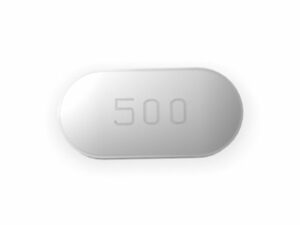
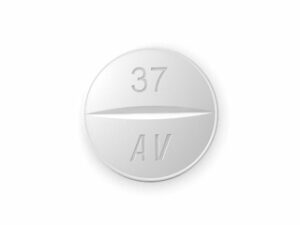
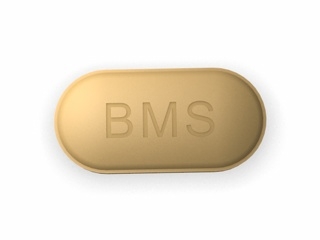
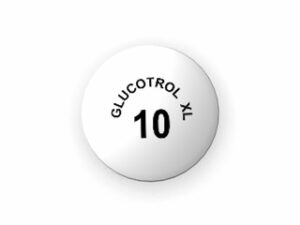
Form: Oral tablets (strength varies by product presentation)
Who it’s for: Adults with type 2 diabetes when combination therapy is appropriate
Important: Always follow the instructions provided with your specific tablet strength and dosing schedule. Different strengths exist, so the number of tablets and the timing may vary.
2) Indications (what Glucovance is used for)
Glucovance is indicated for the treatment of type 2 diabetes mellitus, especially where blood sugar remains above target despite lifestyle changes and/or single-agent treatment.
It is commonly considered when:
- Metformin alone does not provide adequate glucose control, and
- An additional medicine that stimulates insulin release and/or improves glucose handling is needed.
Your clinician will consider factors such as kidney function, prior treatment history, risk of low blood sugar, and your overall health.
3) How Glucovance works (mechanism of action)
Metformin
- Reduces glucose production in the liver (gluconeogenesis).
- Improves insulin sensitivity so your body can use insulin more effectively.
- May reduce intestinal glucose absorption to a degree.
Glyburide (glibenclamide)
- Belongs to the sulfonylurea group.
- Stimulates insulin release from the pancreas by closing potassium channels in beta cells.
- This effect can lower blood sugar, but it also contributes to a risk of hypoglycaemia (low blood sugar).
Combination benefit: Metformin targets insulin resistance and liver glucose output, while glyburide helps increase insulin release. Using them together can improve control compared with either medicine alone for some people.
4) Pharmacokinetics (how the body handles the medicines)
“Pharmacokinetics” refers to absorption, distribution, metabolism, and elimination. The exact values can vary between individuals and by tablet strength, but the principles are outlined below.
Metformin
- Absorption: Absorbed from the gastrointestinal tract; taking with food can help reduce stomach upset.
- Distribution: Reaches tissues where it acts to improve glucose handling.
- Metabolism: Not significantly metabolised in the body.
- Elimination: Primarily excreted via the kidneys. Kidney function is therefore crucial.
Glyburide (glibenclamide)
- Absorption: Generally absorbed after oral dosing; absorption may be affected by food timing.
- Distribution: Binds to plasma proteins and distributes throughout the body.
- Metabolism: Metabolised mainly in the liver.
- Elimination: Excreted through metabolic pathways and bile/urine (varies by metabolite).
Clinical relevance: Because metformin is eliminated by the kidneys, reduced kidney function increases the risk of metformin accumulation. Glyburide also increases hypoglycaemia risk, particularly if meals are missed or doses are not adjusted appropriately.
5) Typical use and treatment goals
Glucovance is used as part of a diabetes management plan that typically includes:
- Healthy eating (carbohydrate awareness and balanced meals)
- Regular physical activity suited to your health
- Blood glucose monitoring when advised
- Routine diabetes check-ups (including HbA1c and kidney function tests)
- Management of cardiovascular risk factors (e.g., blood pressure and cholesterol)
Your clinician will set personal targets for blood glucose and HbA1c. These targets may differ depending on age, other conditions, and risk of hypoglycaemia.
6) When and how to take Glucovance (timing)
General timing guidance
Glucovance is usually taken with meals to reduce the chance of stomach side effects (from metformin) and to lower the risk of hypoglycaemia (from glyburide).
- Take with food—do not take on an empty stomach.
- Follow your dose schedule (once or twice daily depending on your prescription and tablet strength).
- Try to keep consistent meal timing each day.
If you are taking it twice daily, you will typically take one dose with breakfast and the other with dinner. The exact schedule should match your instructions.
If you miss a dose
- Take it as soon as you remember if it’s close to the next meal time.
- If it’s near the time of your next dose, skip the missed dose.
- Do not take a double dose to make up for a missed tablet.
If you miss meals or miss doses, your blood glucose may change—monitor according to your care plan.
7) Food interactions and meal-related considerations
Food does not “react” with Glucovance in the way some foods interact with certain antibiotics, but meal timing matters because glyburide can cause low blood sugar if you eat less than usual.
Most important practical points
- Do not skip meals after taking glyburide-containing tablets.
- Maintain a consistent carbohydrate intake to reduce swings in glucose levels.
- If you are unwell and eating less, you may need advice about dose adjustments.
Gastrointestinal comfort (metformin)
Metformin can cause stomach symptoms such as nausea, diarrhoea, or abdominal discomfort, especially when starting or increasing dose. Taking with meals often improves tolerability.
8) Alcohol interactions
Alcohol can increase the risk of hypoglycaemia and may also increase the risk of lactic acidosis (a rare but serious complication associated with metformin).
Safer use advice
- Limit alcohol and avoid binge drinking.
- Avoid alcohol if you have been eating poorly or are at risk of low blood sugar.
- Seek medical advice if you drink regularly or have liver disease.
If you feel shaky, sweaty, confused, or unwell after drinking while on diabetes medicines, check your blood sugar promptly.
9) Medicine interactions (including common relevant categories)
Interactions can affect blood glucose control or increase the risk of side effects. Not all interactions apply to every person, and your exact risk depends on your other medicines. Always check with a healthcare professional or pharmacist when starting or stopping any medicine.
Examples of medicine classes that may matter
- Other glucose-lowering medicines (insulin, meglitinides, other sulfonylureas): may increase hypoglycaemia risk.
- Some antibiotics (depending on type): may influence blood sugar and/or metformin tolerance.
- Beta-blockers: can mask some warning signs of hypoglycaemia (e.g., fast heartbeat).
- Diuretics (“water tablets”): can affect kidney function and influence metformin safety.
- Glucocorticoids (e.g., prednisolone): can raise blood glucose, sometimes requiring dose adjustments.
- Thyroid hormones: may alter glucose metabolism.
- Medicines affecting liver enzymes: can affect glyburide metabolism.
Contrast dyes for scans (iodinated contrast): Some imaging procedures require consideration of metformin and kidney function. Tell the imaging team and your clinician you take metformin-containing medicine.
10) Dosing information (general principles)
Dosing is individual. The right dose depends on your prior diabetes treatment, kidney function, blood glucose monitoring, and tolerance. Your tablets come in different strengths; ensure you are using the intended formulation.
General approach
- Starting doses are often chosen to reduce side effects and hypoglycaemia risk.
- Dose adjustments are usually guided by blood glucose readings and HbA1c results.
- Kidney function affects metformin eligibility and dosing safety.
Common dosing pattern (example structure)
Many patients take Glucovance once or twice daily with meals. Your clinician will specify the exact schedule and tablet strength.
Do not adjust dose yourself: Changing doses without guidance can increase the risk of low blood sugar or other side effects.
11) Safety profile and side effects
Common side effects
- Stomach-related effects (more often from metformin): nausea, diarrhoea, abdominal discomfort.
- Loss of appetite in some people.
These may be more noticeable when starting or increasing the dose and often improve with time and taking tablets with food.
Low blood sugar (hypoglycaemia)
Because Glucovance includes a sulfonylurea (glyburide), there is a risk of hypoglycaemia, particularly if:
- Meals are skipped or delayed
- Alcohol is taken
- Dose is too high
- There is increased exercise without adjusting intake
- Kidney function is reduced
- Other interacting medicines are used
Recognising hypoglycaemia
- Shaking, sweating, headache
- Feeling hungry, dizzy, anxious, or weak
- Confusion or difficulty concentrating
If you suspect low blood sugar, check your blood glucose if possible. Treat with fast-acting carbohydrate (e.g., glucose tablets or sugary drink), then reassess. Carry fast-acting sugar with you.
Serious risks (rare but important)
- Lactic acidosis (rare): associated with metformin, particularly in people with significant kidney impairment, dehydration, severe infection, or conditions that reduce oxygen delivery to tissues.
- Severe hypoglycaemia: can occur, especially if meals are missed, in older or frailer patients, or with kidney impairment.
Seek urgent medical help if you experience severe symptoms such as fainting, seizures, or inability to eat/drink. Contact emergency services if symptoms are severe or worsening.
12) Practical use tips (making treatment easier and safer)
- Take with meals: this improves tolerability and helps reduce hypoglycaemia risk.
- Use a medication routine: tie your tablets to breakfast and dinner times.
- Keep a record: track blood glucose readings and any symptoms to help with dose adjustments.
- Stay hydrated: dehydration increases the risk of complications, particularly with metformin.
- Be cautious during illness: if you are vomiting, have diarrhoea, or are unable to eat, contact your clinician for advice. Appetite changes can increase risk of low blood sugar and dehydration.
- Know your “hypo plan”: keep glucose tablets or another fast-acting carbohydrate with you.
- Driving and operating machinery: if you are at risk of hypoglycaemia, be extra careful. Check your glucose if you have symptoms before driving.
13) Monitoring and follow-up
Regular monitoring helps reduce risks and improves effectiveness. Typical monitoring may include:
- HbA1c (e.g., every few months depending on your situation)
- Kidney function tests (creatinine/eGFR) because of metformin
- Liver function as appropriate (and for medication safety)
- Blood glucose checks if advised—especially when starting, changing dose, or during illness
14) Alternative treatment options (what else might be used)
Alternative options depend on your HbA1c level, weight considerations, kidney function, risk of hypoglycaemia, and other health factors. Below are common classes that clinicians may consider instead of, or alongside, Glucovance:
Common alternatives
- Metformin alone (if suitable)
- DPP-4 inhibitors (e.g., sitagliptin): generally lower hypoglycaemia risk
- SGLT2 inhibitors (e.g., empagliflozin, dapagliflozin): may offer cardiovascular and kidney benefits for some people
- GLP-1 receptor agonists (injectable for some): often used when weight loss is important
- Insulin (if needed for control or during times of significant hyperglycaemia)
- Other sulfonylureas (if metformin is not enough, though hypoglycaemia risk remains a consideration)
Your clinician can explain which option fits you best. If you are considering switching, do not stop your current medicine without advice.
15) UK market and legal context (overview)
In the United Kingdom, diabetes medicines are governed by UK medicines regulations and must be supplied in line with applicable pharmaceutical law. Availability may vary between product types and supply arrangements. Diabetes care typically follows national guidance and local NHS formularies.
On an online pharmacy website, products are typically made available for appropriate users and supported with patient information. Always check that the product matches your intended strength and formulation.
Quality and safety: Reputable suppliers operate under regulated standards for medicine supply and handling. If you have any concerns about authenticity, packaging, or expiry dates, do not use the product and contact the supplier.
16) Recent guidance and clinical updates (UK-focused summary)
Diabetes management in the UK is influenced by guidance such as:
- NICE (National Institute for Health and Care Excellence) recommendations
- Local NHS prescribing guidance
- Ongoing updates based on safety communications and emerging evidence
In recent years, increased emphasis has been placed on: individualised choice of therapy, considering hypoglycaemia risk, kidney function, cardiovascular/renal outcomes, and patient preferences.
Metformin remains a foundational therapy when appropriate, while many updated pathways increasingly consider agents with benefits beyond glucose lowering for selected patients. However, combination therapies like metformin plus sulfonylurea are still used where they fit a person’s clinical profile.
This section provides a general UK overview. Guidance can change over time; your clinician or pharmacist can share the most relevant, up-to-date advice for your situation.
17) Delivery and availability (UK online pharmacy information)
Availability of Glucovance can depend on supply chains, tablet strength, and manufacturer stock. If a product is temporarily unavailable, websites may offer alternatives or notify customers when restocked.
Delivery considerations
- Dispatch times: may vary by supplier and stock status.
- Cold-chain: most standard oral tablets do not require cold storage, but always check packaging instructions.
- Packaging: medicines should arrive in original packaging with clear expiry information.
If you need the medicine urgently (for example, you are about to run out), contact customer service to ask about current dispatch and delivery timeframes.
18) FAQ – Frequently asked questions
Is Glucovance suitable for everyone with type 2 diabetes?
No. Suitability depends on factors such as kidney function, age, risk of hypoglycaemia, other medical conditions, and what diabetes medicines you’ve used before. Your clinician will assess whether metformin and glyburide are appropriate for you.
How quickly does Glucovance start working?
Blood sugar control can improve within days for some people, while maximum benefit may take longer and is reflected in HbA1c over weeks to months. Your response depends on dose, diet, and how your body responds.
What should I do if I feel symptoms of low blood sugar?
If you suspect hypoglycaemia, check your blood glucose if possible. Take fast-acting carbohydrate immediately (e.g., glucose tablets or a sugary drink), then follow your hypo plan. If symptoms are severe or you cannot treat yourself, seek urgent help.
Can I take Glucovance with meals or do I need to take it before eating?
It’s generally recommended to take Glucovance with meals. Taking it with food helps reduce stomach side effects and helps lower hypoglycaemia risk.
Is it safe to drink alcohol while taking Glucovance?
Alcohol can increase risks such as low blood sugar and lactic acidosis. If you choose to drink, keep it limited and avoid drinking when you have not eaten. Discuss your alcohol intake with a clinician, especially if you drink regularly or have liver or kidney problems.
What kidney function issues should I know about?
Metformin is cleared by the kidneys. If kidney function is reduced, the risk of side effects increases. You may need regular kidney checks and potential dose adjustments or review of therapy.
Can I take Glucovance during an infection or if I’m not eating?
If you’re unwell—particularly with vomiting, diarrhoea, dehydration, or poor intake—your diabetes management may need urgent review. Contact your healthcare professional for advice rather than continuing as usual without guidance.
Are there any alternatives if I cannot tolerate it?
Yes. Some people may prefer metformin alone, or an alternative add-on therapy with a different side-effect profile. Your clinician can suggest options based on your HbA1c target, kidney function, and hypoglycaemia risk.
What should I do if I miss a dose?
Take it with your next meal if that’s appropriate based on your schedule, and do not double up to compensate. If you’re unsure, ask your pharmacist for guidance.
Summary
Glucovance (metformin/glyburide) combines two medicines that help lower blood glucose in type 2 diabetes. Metformin improves insulin sensitivity and reduces liver glucose output, while glyburide increases insulin release. It is usually taken with meals to reduce stomach upset and the risk of hypoglycaemia.
Because risks can increase with missed meals, alcohol, kidney impairment, and certain medicine combinations, it’s important to take Glucovance exactly as advised and to stay alert for symptoms of low blood sugar or other warning signs.
This information is for general education and does not replace advice from healthcare professionals. If you have questions about your specific treatment, speak to your clinician or pharmacist.