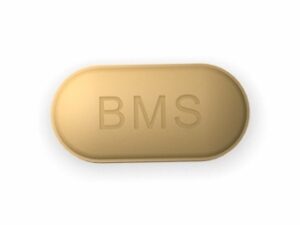
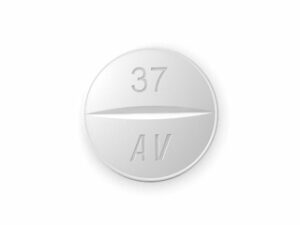

Glucophage (Metformin) — Patient-Friendly Guide (UK)
Glucophage is a well-known medicine containing metformin. It is used to help manage blood sugar levels in adults and children with certain types of diabetes. This guide explains what metformin does, how it works, how to take it safely, and what to consider regarding food, alcohol, and other medicines. It is designed to be easy to read and practical for everyday use in the United Kingdom.
Quick facts
- Active ingredient: Metformin (various strengths depending on product type)
- Common uses: Type 2 diabetes; sometimes used in selected cases of prediabetes or other conditions as advised by a clinician
- How it works: Lowers blood glucose and improves the body’s response to insulin
- Common side effects: Gastrointestinal effects (e.g., nausea, diarrhoea), especially when starting
- Important safety note: Risk of lactic acidosis in certain situations (rare)
Basic product information
| Category | Information |
|---|---|
| Brand name | Glucophage |
| Generic name | Metformin |
| Medicine type | Oral antidiabetic medicine (biguanide) |
| Typical forms | Immediate-release and modified-release versions may exist depending on product |
| Common strengths | Varies by formulation (check your pack) |
| Who it may be used for | Often adults with type 2 diabetes; some formulations may be used for children/adolescents as per clinical guidance |
Availability and exact presentation can differ. If you are unsure whether you have immediate-release or modified-release metformin, check the pack wording and follow the specific instructions supplied with your product.
How metformin works (mechanism of action)
Metformin helps lower blood glucose in several ways. It primarily reduces glucose production by the liver, and it also improves how the body responds to insulin. Unlike medicines that directly stimulate insulin release, metformin generally has a low risk of causing hypoglycaemia (low blood sugar) when used alone.
- Reduces hepatic glucose output: Helps prevent excess sugar release into the bloodstream.
- Improves insulin sensitivity: Helps the body use insulin more effectively.
- May reduce intestinal glucose absorption: Contributes to lowering post-meal blood sugar.
- Potential effects on metabolic pathways: Includes influences on energy-related processes (e.g., AMP-activated protein kinase pathways).
Over time, metformin can support longer-term blood glucose control (for example, lowering HbA1c).
Pharmacokinetics (how the body handles metformin)
Understanding how metformin is absorbed and cleared can help you use it more safely and effectively. The exact behaviour depends on whether you take an immediate-release or modified-release product.
- Absorption: Metformin is absorbed from the gastrointestinal tract after a dose.
- Distribution: It distributes into body tissues; it is not extensively bound to plasma proteins.
- Metabolism: Metformin is not significantly metabolised by the liver.
- Elimination: Primarily cleared by the kidneys via renal excretion.
- Accumulation risk: If kidney function declines, metformin can build up, increasing safety risks.
For this reason, kidney function checks are an important part of safe use. Do not adjust the dose without medical advice.
What Glucophage/metformin is used for (indications)
In the UK, metformin is widely used for:
- Type 2 diabetes mellitus: Especially when lifestyle changes alone are not enough.
- Adjunct therapy: Often used together with other diabetes medicines if needed to reach individual blood sugar targets.
- Selected paediatric use (where appropriate): Some metformin formulations may be used in children/adolescents with type 2 diabetes, depending on age and product characteristics.
Your intended use may depend on your personal medical history. If you are using metformin for reasons other than type 2 diabetes, follow the plan provided by your healthcare team.
Timing and how to take it
General guidance
Metformin is taken by mouth. The aim is to support steady blood glucose control and reduce stomach side effects. Many people find it easier when they start with a low dose and gradually increase.
- Start low, go slow: Your dose may be increased gradually over time.
- Take with food: This can reduce nausea and diarrhoea.
- Follow your specific product instructions: Immediate-release and modified-release formulations differ.
With meals
A common approach is to take metformin with or after meals. If you are on divided doses, spacing them through the day can help. Your pack label and prescribed schedule will provide the most accurate instructions.
If you miss a dose
If you forget a dose, take it when you remember unless it is close to the time of your next dose. In that case, skip the missed dose and continue as normal. Do not double up to make up for a missed dose.
Food interactions
Metformin has food-related guidance primarily for tolerability. Taking it with meals can significantly reduce gastrointestinal side effects.
- Take with or after food: Recommended for many people, particularly during the initial weeks.
- Consistent meal pattern: Keeping a steady meal routine may help reduce dosing-related stomach upset.
- High-carbohydrate meals: These may affect blood glucose; metformin helps but does not remove the need for dietary planning.
There are no common food restrictions like “must avoid certain foods” for most patients, but your diet and diabetes plan still matter.
Alcohol and medicine interactions
Alcohol can increase the risk of lactic acidosis and can worsen metabolic control, especially when taken heavily or on an empty stomach. Metformin and alcohol are not a safe combination in many situations.
Alcohol with metformin
- Avoid binge drinking: This increases lactic acid risk.
- Be cautious if you drink alcohol at all: Discuss with your clinician/pharmacist, especially if you have liver problems or kidney impairment.
- Take care if fasting or skipping meals: Alcohol without food increases risk.
Other medicine interactions (important examples)
Metformin can interact with some medicines. Always check with a pharmacist if you start or stop any medication, including over-the-counter products.
- Medicines affecting kidney function: Dehydrating drugs or those that affect renal blood flow may increase metformin levels.
- Medicines that can increase lactic acidosis risk: Certain drugs or combinations may contribute; your healthcare team will assess your situation.
- Diuretics (e.g., “water tablets”): May affect hydration and kidney function, which matters for metformin safety.
- Contrast media for scans: Some imaging tests use contrast that can affect the kidneys. Guidance often advises checking kidney function and temporarily withholding metformin in specific circumstances.
- Other glucose-lowering medicines: Metformin alone rarely causes hypoglycaemia, but when combined with other therapies, the overall risk depends on the full regimen.
If you are scheduled for an X-ray/scan or start any new treatment, tell the healthcare team you take metformin so they can apply the appropriate guidance.
Dosing (how much to take)
Dose depends on kidney function, blood glucose goals, and tolerability. Only use the dose on your label unless your clinician tells you to change it. The information below is general and may not match your exact plan.
Typical approach
- Starting dose: Often low to reduce stomach side effects.
- Gradual increase: Your dose may be increased every 1–2 weeks (or as advised) depending on tolerance and glucose results.
- Maximum daily dose: Varies by formulation and clinical factors; your clinician will consider your safety and kidney function.
Immediate-release vs modified-release
Different formulations have different dosing schedules and release patterns. Key points:
- Immediate-release metformin: Usually taken in divided doses during the day.
- Modified-release metformin: Often taken once daily with a meal (or twice daily depending on strength and plan).
Do not crush or split modified-release tablets unless specifically allowed for your product. Check the patient information leaflet (PIL) for your exact medicine.
Safety profile and warnings
Common side effects
Many side effects occur early and often improve as your body adjusts, especially when taken with food and after gradual dose increases.
- Gastrointestinal symptoms: Nausea, diarrhoea, stomach discomfort, bloating, reduced appetite
- Metallic taste: Some people report taste changes
If symptoms are severe, persistent, or stop you from eating and drinking, contact your healthcare team.
Serious but rare risks
The most important serious risk is lactic acidosis, which is uncommon but potentially serious. It is more likely when metformin accumulates due to significant kidney impairment, severe illness, dehydration, or other high-risk conditions.
Seek urgent medical help if you have symptoms suggestive of lactic acidosis
- Unexplained muscle aches
- Feeling unusually weak or unwell
- Rapid or deep breathing
- Severe drowsiness
- Abdominal pain, nausea, or vomiting not typical for you
Kidney function and monitoring
Because metformin is cleared by the kidneys, regular checks of kidney function (e.g., estimated glomerular filtration rate, eGFR) may be advised. Your clinician may adjust or stop metformin if kidney function is reduced.
Vitamin B12
Long-term metformin use can lower vitamin B12 levels in some people. Your healthcare team may monitor B12 or advise supplements if you develop symptoms such as:
- Numbness/tingling in hands or feet
- Unusual fatigue
- Problems with balance
When to be extra cautious
- Significant dehydration (e.g., vomiting, diarrhoea, inability to drink)
- Serious infection or severe illness
- Severe liver problems (depending on your clinical assessment)
- Major surgery or procedures requiring changes in medication
Practical use tips (to help you feel better and stay on track)
- Take with meals: Helps reduce nausea and diarrhoea.
- Start when your routine is stable: If possible, begin dose changes when you can monitor how you feel.
- Stay hydrated: Especially if you are unwell.
- Gradual dose increases: If you experience side effects, don’t increase your dose faster than advised.
- Consider modified-release if appropriate: Some people find modified-release metformin easier on the stomach.
- Keep track of blood sugar: Follow your diabetes plan and review results with your clinician.
- Know your “sick day” plan: During vomiting/diarrhoea or when you can’t eat or drink, speak to your healthcare team about whether to pause metformin temporarily.
If you are unsure what to do when you’re unwell, contact your pharmacist or healthcare provider for tailored advice.
Alternative options (if metformin is not suitable)
There are several other diabetes medicines available in the UK. The best choice depends on your blood glucose level, weight considerations, kidney function, heart health, side effects, and personal preferences. Below is a patient-friendly overview of common alternatives.
- Other oral tablets: e.g., sulfonylureas, DPP-4 inhibitors, thiazolidinediones, SGLT2 inhibitors (depending on eligibility)
- Injection therapies (where appropriate): e.g., GLP-1 receptor agonists or insulin
- Lifestyle management: Nutrition, physical activity, and weight management remain core components of diabetes care.
If metformin causes ongoing side effects or is unsafe due to kidney function or other concerns, discuss options with your healthcare team.
Market and legal context in the UK
In the UK, metformin is a widely used treatment for type 2 diabetes. Medicines are regulated by the Medicines and Healthcare products Regulatory Agency (MHRA) and are supplied under the Medicines Act framework. Availability and the way medicines are provided online must follow UK laws and professional pharmacy standards.
On an online pharmacy website, a typical objective is to help you understand product information clearly and support safe ordering and delivery processes. Safety checks may include confirmation of suitability (for example, age and medicine history) and guidance on how to take the medicine correctly.
Recent guidance and ongoing clinical considerations
Diabetes care recommendations in the UK are regularly updated by organisations such as NICE (National Institute for Health and Care Excellence) and professional bodies. In recent years, emphasis has included:
- Individualising treatment goals: Using personalised targets for HbA1c and overall risk reduction.
- Considering kidney and heart risk: Choosing medicines that suit comorbidities (including chronic kidney disease and cardiovascular disease).
- Safer use around procedures: Applying up-to-date recommendations regarding withholding metformin around certain imaging/tests that may affect kidneys.
- Regular monitoring: Kidney function, vitamin B12 when appropriate, and ongoing assessment of side effects.
Guidance can differ based on patient circumstances, so always follow the plan provided for you.
Delivery and availability (UK)
Glucophage (metformin) is commonly stocked due to its widespread use, but exact product availability depends on supplier supply and the specific strength/formulation. Delivery timeframes can vary by location and service level chosen.
- Check stock status: Many online pharmacies show real-time availability.
- Packaging: Medicines are typically delivered in tamper-evident packaging with patient information.
- Keep medicines stored correctly: Store according to pack instructions (commonly at room temperature, protected from moisture and heat).
- Track your order: If provided, use order tracking for delivery updates.
If you require urgent delivery or have concerns about availability, contact the pharmacy’s support team.
Glucophage/Metformin FAQ
1) Is metformin safe to use with other diabetes medicines?
Often, yes. Metformin is commonly used alongside other diabetes therapies. However, the safest combination depends on your overall health, kidney function, and the specific medicines you take. Always confirm with a pharmacist if you are changing your regimen.
2) Will metformin cause low blood sugar?
Metformin by itself rarely causes hypoglycaemia because it does not usually directly increase insulin release. Low blood sugar becomes more likely when metformin is combined with medicines that can cause hypoglycaemia (for example, certain insulin secretagogues).
3) What should I do if I feel nauseous after starting?
Nausea is common early on. Taking metformin with food, staying hydrated, and not increasing the dose faster than advised can help. If symptoms are severe or do not improve, contact your healthcare team for advice.
4) Can I drink alcohol while taking metformin?
It’s generally recommended to be cautious. Heavy drinking or drinking when dehydrated or not eating increases the risk of complications, including lactic acidosis. If you drink alcohol, discuss your situation with a pharmacist or clinician.
5) How long does it take to work?
Some blood glucose improvements can occur relatively quickly, but meaningful HbA1c changes reflect longer-term use over weeks. Your clinician will monitor progress and adjust treatment as needed.
6) Does metformin affect weight?
Metformin is often weight-neutral or may cause modest weight loss for some people. Diet and activity remain key factors for weight and diabetes outcomes.
7) What if I have kidney disease?
Kidney function strongly influences metformin safety. If you have chronic kidney disease or reduced eGFR, your clinician may adjust the dose or choose a different treatment. Regular kidney monitoring is important.
8) What about scans that use contrast?
Some imaging tests using contrast may affect the kidneys. UK guidance often recommends specific precautions, including possible temporary withholding of metformin in selected patients. If you have a scan planned, tell the imaging team and your clinician that you take metformin.
9) Can I stop metformin suddenly?
Do not stop metformin without medical advice. Stopping can worsen blood glucose control. If you experience side effects or have concerns, speak to a pharmacist or clinician to discuss adjustment options.
10) Is there a difference between Glucophage and other metformin products?
The active ingredient is metformin, but the release pattern and dosing schedule can differ between formulations (e.g., immediate-release vs modified-release). Always follow the instructions specific to your product.
Important patient reminders
- Follow your label instructions: Dose and timing vary between individuals and formulations.
- Check kidney function: If your clinician schedules blood tests, attend them.
- Plan for “sick days”: If you are vomiting/diarrhoea, severely unwell, or unable to drink, contact your healthcare team for advice.
- Seek urgent help for severe symptoms: Especially symptoms suggesting lactic acidosis.
This page provides general information and does not replace individual advice from your healthcare team. If you have questions about suitability, side effects, or interactions with your current medicines, contact a pharmacist.