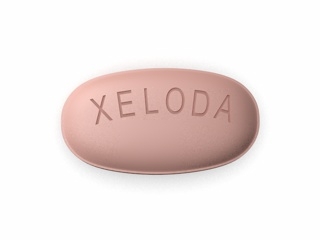
Xeloda (Capecitabine) — Patient Information (UK)
Xeloda is the brand name of capecitabine, an oral anticancer medicine used to treat certain types of cancer. This page is designed to help you understand what Xeloda does, how it works in the body, how it is commonly taken, and what to watch for while using it.
Always follow the dosing schedule given by your healthcare team. Cancer treatment is individual, and doses may be adjusted depending on your blood counts, kidney function, side effects, and the type and stage of cancer.
Basic product information
| Item | Details |
|---|---|
| Brand name | Xeloda |
| Generic name | Capecitabine |
| Medicine type | Cytotoxic (anticancer) medicine, fluoropyrimidine |
| How it’s taken | By mouth (tablets) |
| Common tablet strengths | Typically 150 mg and 500 mg tablets (your pack may vary) |
| Key dosing feature | Taken in cycles, often for 2 weeks followed by 1 week off (varies by indication) |
| How it works | Converted in the body to 5-fluorouracil (5-FU) and interferes with DNA/RNA |
How Xeloda works (mechanism of action)
Capecitabine is designed to act more selectively in cancer tissue. It is a “prodrug” that is converted through several steps into the active anticancer substance 5-fluorouracil (5-FU). This conversion happens partly in tissues and is influenced by enzymes that are more active in some tumour types.
- In cancer cells, capecitabine is converted to 5-FU.
- 5-FU then interferes with DNA synthesis and also affects RNA, which helps stop cancer cells from growing and dividing.
- The overall effect is tumour cell death and reduced tumour growth.
Pharmacokinetics (how the body handles it)
“Pharmacokinetics” describes what happens to the medicine after you swallow it—absorption, conversion to active forms, distribution, breakdown, and elimination.
Absorption
Capecitabine tablets are absorbed from the gut. After absorption, capecitabine is metabolised in the liver and other tissues.
Activation to 5-FU
Capecitabine is converted to 5-FU through enzymatic steps. A key part of the conversion involves the enzymes carboxylesterase and cytidine deaminase, among others. This activation pathway helps target tumour tissue more than non-tumour tissue in many cases.
Elimination
The medicine and its metabolites are eliminated primarily via the kidneys. This is why kidney function matters for dosing and safety.
Why timing and consistent taking matter
Because treatment is given in cycles and the medicine can affect rapidly dividing cells, your schedule is important. Taking tablets consistently and reporting missed doses helps your care team plan safe treatment.
Typical uses in the UK
Xeloda is used for several cancer types. The exact regimen depends on the diagnosis, stage, prior treatments, and whether it is used alone or with other medicines.
Common indications
- Breast cancer (in certain settings, often as adjuvant treatment or for advanced/metastatic disease, depending on clinical factors)
- Colorectal cancer (including metastatic colorectal cancer in some regimens, and certain adjuvant situations)
- Gastro-oesophageal and gastric cancers (including combinations used in specialist care)
Your oncology team will confirm the specific indication and regimen recommended for you. If Xeloda is combined with other therapies, timing and supportive medicines may be adjusted.
Dosing: how Xeloda is usually taken
Dosing is often based on your body surface area (BSA), and treatment schedules vary by cancer type and combination therapy. Many regimens use a pattern such as 14 days on treatment followed by 7 days off (commonly called a 3-week cycle), but other schedules may apply depending on your plan.
General dosing principles
- Your prescribed dose may be different from someone else’s. Do not use someone else’s number of tablets.
- Doses may be adjusted for side effects or kidney function.
- Your healthcare team may request regular blood tests to monitor blood counts.
Example of a common schedule (for illustration)
Many patients receive treatment on a schedule of two weeks of dosing followed by one week without dosing. The exact dose and days off may differ from one regimen to another.
- Typically taken twice daily, approximately 12 hours apart.
- Tablets should be taken on the dosing days only, according to your cycle.
If you miss a dose
Missing doses can affect treatment effectiveness and safety. If you miss a dose, follow the instructions provided by your care team or the medicine pack. In general, many regimens advise not to take a double dose to make up for missed tablets—contact your oncology team for advice.
When to take Xeloda (timing and routine)
A common question is “what time should I take it?” The most important points are: consistency, spacing between doses, and taking with food as advised.
Spacing
- Take doses about 12 hours apart (e.g., morning/evening) unless your team instructs otherwise.
- Keep to the same times each dosing day to maintain a steady pattern.
With or without food?
Xeloda is generally recommended to be taken with food, or within a short time after food, to reduce stomach upset and help consistent absorption.
If your healthcare team or the packaging instructions specify timing details for you, follow those instructions.
Food interactions and dietary considerations
Food can affect how medicines are absorbed. For Xeloda, taking it with food is usually recommended.
What to do
- Take with food as directed by your clinician or packaging guidance.
- Try to keep meals consistent from day to day during treatment.
- If nausea occurs, ask your team about nausea support strategies and whether small, frequent meals help.
Grapefruit and similar products
Many anticancer medicines interact with strong inhibitors or inducers of drug-metabolising enzymes. Grapefruit is a common concern for several medicines, but whether it specifically affects capecitabine for you may depend on your overall regimen. Ask your pharmacist or oncology team before making dietary changes to reduce interaction risk.
Alcohol and medicine interactions
Alcohol can worsen side effects such as fatigue, dehydration, nausea, and effects on the liver. While small amounts may be tolerated in some situations, it is safest to discuss alcohol use with your oncology team.
General safety approach
- Avoid or limit alcohol, especially during cycles when you feel unwell.
- Be cautious about alcohol-containing medicines (for example, some cough syrups or tinctures).
- If you are also taking other medicines (such as for nausea, pain, infections, or blood thinning), request a full interaction check.
Common medicine interaction themes
Interactions can occur through kidney function and through drugs that affect metabolism pathways. Important examples that may require extra attention include:
- Warfarin and other vitamin K antagonists: capecitabine can affect bleeding risk in some patients. Frequent monitoring may be needed.
- Other chemotherapy or radiotherapy: increased side effect risk, including bone marrow suppression.
- Medicines that affect kidney function (e.g., some anti-inflammatories): kidney function is important for elimination of metabolites.
- Phenytoin (for seizures): levels may change with some anticancer regimens.
Always provide your pharmacist with a list of all medicines and supplements you take, including over-the-counter products and herbal remedies, to ensure the safest combination.
Indications (what Xeloda is used to treat)
In the UK, capecitabine is used for specific cancer settings approved by the relevant medicines regulator and used according to clinical guidelines. Below is a patient-friendly summary of typical uses (your exact regimen may be different).
Breast cancer
- Some adjuvant (after surgery) or metastatic breast cancer treatment plans, depending on tumour characteristics and prior therapy
Colorectal cancer
- Metastatic colorectal cancer in certain combinations or as single-agent therapy in specific situations
- Adjuvant colorectal cancer treatment in selected cases
Gastric / gastro-oesophageal cancers
- Some stomach and gastro-oesophageal junction cancer regimens, often within specialist oncology pathways
If you have questions about why Xeloda is recommended for you, ask your oncology team—explaining the “goal” (curative, adjuvant, or palliative) can help you understand the expected benefits and risks.
Safety profile: important side effects to know
Like all anticancer medicines, Xeloda can cause side effects. Many are manageable with early recognition and dose adjustments. Some side effects require urgent medical attention.
Common side effects
- Diarrhoea (sometimes severe; dehydration can follow)
- Nausea and vomiting
- Loss of appetite
- Fatigue and weakness
- Hand-foot syndrome (also called palmar-plantar erythrodysaesthesia): redness, swelling, pain, or blistering on palms and soles
- Stomatitis (mouth sores) or sore mouth
- Abdominal discomfort
- Skin changes
- Low blood counts (can lead to increased infection risk)
Serious side effects (seek urgent advice)
Contact your oncology team promptly or seek urgent medical help if you experience:
- Fever or signs of infection (particularly if you have low white blood cells)
- Severe diarrhoea or diarrhoea that doesn’t improve quickly
- Severe mouth sores preventing eating or drinking
- Severe hand-foot syndrome (painful sores, blistering, inability to perform daily activities)
- Shortness of breath, chest pain, or unusual bleeding/bruising
- Allergic-type reactions (swelling of face/lips, breathing difficulty, rash with swelling)
Risk factors that may increase side effects
- Reduced kidney function
- Older age (some patients may be more sensitive)
- Use with other treatments that affect the bone marrow or gut
- Prior history of severe fluoropyrimidine toxicity
Practical use tips for patients (how to make treatment safer)
Hand-foot syndrome prevention
- Keep hands and feet moisturised using gentle, fragrance-free creams.
- Avoid friction and pressure: choose comfortable shoes and padded insoles where appropriate.
- Avoid hot baths, hot showers, and long exposure to heat on palms/soles.
- Inform your oncology team early at the first signs of redness or tenderness so they can advise dose modification.
Diarrhoea management
- Start oral rehydration if you have looser stools—small sips frequently.
- Ask your team about approved anti-diarrhoea medicines and when to use them.
- Seek medical advice quickly if diarrhoea becomes severe, persistent, or if you cannot keep fluids down.
Oral care for mouth sores
- Use a soft toothbrush and avoid harsh mouthwashes.
- Consider alcohol-free mouthwash if recommended by your team.
- Report sore mouth early—supportive treatment can reduce complications.
Managing nausea and appetite changes
- Take prescribed anti-nausea medicines if you are given them.
- Eat small, bland meals if your appetite is low.
- Contact your team if weight loss or dehydration becomes an issue.
Blood tests and monitoring
Your care team will likely schedule regular tests to monitor blood counts and organ function. Attend appointments and tell them promptly about side effects so they can adjust the plan.
Dose adjustments and treatment interruptions (why they happen)
Capecitabine dosing may be reduced or temporarily stopped if you develop significant side effects or if blood counts are too low. This is a normal part of safe cancer treatment and aims to keep you on track while protecting your body.
- If hand-foot syndrome or diarrhoea is severe, treatment may be paused until recovery.
- If blood counts drop, your oncology team may adjust the next cycle.
- If kidney function is reduced, doses may require adjustment.
Alternative options (discuss with your oncology team)
Treatment alternatives depend heavily on your cancer type, previous treatments, and personal factors. In general, alternatives may include:
- Other oral chemotherapy options (where appropriate)
- Intravenous fluoropyrimidines (such as 5-FU or similar agents)
- Different chemotherapy combinations (for example, regimens tailored to colorectal or breast cancer)
- Targeted therapy or immunotherapy where suitable biomarkers are present
- Radiotherapy or surgery in some settings (depending on intent of treatment)
If you are considering alternatives, ask about the likely benefits, how side effects compare, and what monitoring would be required.
UK market and legal context (what to expect)
In the United Kingdom, medicines such as Xeloda are regulated and supplied through licensed channels. Cancer medicines are generally prescribed and dispensed under NHS and/or private care pathways.
Availability and supply can vary over time due to manufacturing and distribution factors. Your pharmacist can advise on lead times and suitable options if a specific pack strength is temporarily difficult to obtain.
Recent guidance and current practice
Guidance for capecitabine is continually updated based on clinical evidence, safety monitoring, and broader cancer care standards. Common themes in current practice include:
- Early toxicity recognition and prompt supportive care (especially for diarrhoea and hand-foot syndrome)
- Blood test monitoring and dose adjustments to reduce severe complications
- Assessment of kidney function to support safe dosing
- Emphasis on patient education to improve adherence and timely reporting of side effects
For the most up-to-date information, your oncology team may also reference national clinical guidance and specialist protocols.
Delivery and availability (online pharmacy information for UK customers)
If you’re ordering Xeloda via an online pharmacy service, delivery options typically depend on prescription processing, stock availability, and cold-chain or storage requirements (for capecitabine, standard room-temperature storage is usually used).
- Processing time: confirm how long it may take to prepare your order.
- Delivery window: delivery may be scheduled on business days.
- Pack sizes: you may receive the same total dose using different tablet strengths depending on stock.
- Discrepancies: if tablets or strengths do not match your dosing plan, contact the pharmacy before taking them.
Always check the product name, strength, and dosing instructions on the packaging label when the medicine arrives.
Storage and handling
- Store tablets as directed on the pack (commonly at room temperature, away from moisture and direct sunlight).
- Keep out of sight and reach of children.
- Do not use tablets after the expiry date printed on the pack.
- If tablets are spilled, avoid direct handling; follow pharmacy guidance for safe cleaning and disposal.
Cancer medicines can be hazardous if handled incorrectly. If you or a carer handles the tablets frequently, ask your pharmacist about safe handling practices.
FAQ
Is Xeloda taken once or twice a day?
Xeloda is commonly taken twice daily, spaced about 12 hours apart on dosing days. However, your exact schedule depends on your regimen. Always follow your specific plan.
Should I take Xeloda with food?
Xeloda is generally recommended to be taken with food to support consistent absorption and reduce stomach irritation. If your clinician or pack instructions say otherwise for your regimen, follow those directions.
What is hand-foot syndrome, and how can I reduce it?
Hand-foot syndrome is a typical Xeloda side effect affecting palms and soles. You can reduce risk by moisturising regularly, avoiding friction/heat, wearing comfortable shoes, and reporting early symptoms to your oncology team.
What should I do if I get diarrhoea?
Diarrhoea can become serious, particularly if it leads to dehydration. Drink fluids, consider anti-diarrhoea medicines only if advised by your healthcare team, and seek prompt advice if diarrhoea is severe, persistent, or prevents you from drinking.
Can I drink alcohol while on Xeloda?
Alcohol may worsen nausea, fatigue, and dehydration. It’s safest to discuss alcohol use with your oncology team. If you choose to drink, keep it minimal and avoid alcohol-containing products that could interact with your medicines.
Are there interactions with warfarin?
Xeloda may increase bleeding risk when combined with warfarin. If you take warfarin or another blood thinner, you will likely need close monitoring. Speak to your pharmacist or anticoagulation team before starting capecitabine.
Does Xeloda affect fertility?
Many chemotherapy medicines can affect fertility. If you may want children in the future, discuss fertility preservation options before starting treatment. Your oncology team can advise based on your age, cancer type, and treatment plan.
Can I take other medicines or supplements with Xeloda?
Some medicines and supplements can increase side effects or change drug levels. Always provide a complete list to your pharmacist, including over-the-counter medicines and herbal products.
What if I feel too unwell to take a dose?
If you feel unwell, contact your oncology team for advice before continuing. Don’t stop or change dosing without guidance, but urgent symptoms (such as fever, severe diarrhoea, or signs of infection) should be reported immediately.
When should I seek emergency help?
Seek urgent medical attention if you have fever or signs of serious infection, severe diarrhoea or vomiting with dehydration, severe rash or swelling, breathing difficulty, or any symptom your team has told you is urgent.
Important: This information is for general education and does not replace advice from your healthcare professionals. If you have questions about how Xeloda applies to your specific situation, ask your oncology team or pharmacist.