
Hydrea (Hydroxyurea) — Patient Information (UK)
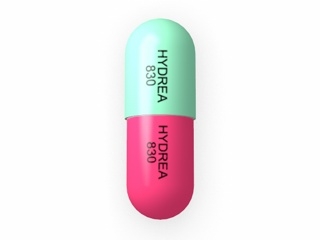
Hydrea contains the active substance hydroxyurea. It is a medicine used to treat certain blood disorders and, in some cases, cancer-related conditions. This guide explains how Hydrea works, how it is used, important safety information, and what to discuss with your healthcare team.
If you have any questions about your condition or dosing, always follow the instructions given to you by your prescriber and the medicines label. This information is designed to help you understand the medicine in everyday terms.
Quick Facts
- Active ingredient: Hydroxyurea
- Medicinal form: Oral medicine (capsules/tablets depending on supply)
- Common uses: Certain myeloproliferative disorders (e.g., essential thrombocythaemia, polycythaemia vera) and some cancer indications
- How it works: Reduces abnormal blood cell production and can affect DNA synthesis
- Key monitoring: Regular blood tests (full blood count), liver/kidney checks, and symptom reviews
- Important risks: Low blood counts, infections, ulcers on skin/mouth, and rare long-term side effects
Basic Product Information
| Category | Details |
|---|---|
| Brand name | Hydrea |
| Generic name | Hydroxyurea |
| Type | Cytotoxic/antimetabolite medicine; also used in blood disorders |
| Route | By mouth |
| Typical monitoring | Full blood count (FBC), kidney and liver function tests; clinical review |
| Advice regarding use | Take consistently as directed; do not change dose without medical advice |
How Hydrea Works (Mechanism of Action)
Hydroxyurea affects the way cells reproduce. It interferes with DNA synthesis by inhibiting key enzymes involved in making DNA building blocks. This slows down the growth of rapidly dividing cells, including abnormal blood-forming cells.
In conditions such as essential thrombocythaemia (ET) or polycythaemia vera (PV), Hydrea can help:
- Lower excess blood cell counts (especially platelets and sometimes red cells)
- Reduce the risk of complications related to high blood counts (such as clotting or bleeding)
- Improve disease control when other treatments are not suitable
Pharmacokinetics (How Your Body Handles the Medicine)
After taking hydroxyurea by mouth, it is absorbed and then distributed throughout the body. The medicine is processed mainly in the body and its effects depend on achieving an appropriate exposure while keeping blood counts within safe limits.
- Absorption: Taken orally; absorption can vary between individuals.
- Distribution: Reaches tissues where blood cells are produced (bone marrow) and other organs.
- Metabolism: The body converts hydroxyurea into metabolites.
- Elimination: Excreted partly through the kidneys. Kidney function may influence how safely it can be used.
Because hydroxyurea can cause bone marrow suppression, dose adjustments are often based on results of regular blood tests rather than simply on how it feels.
Typical Uses and Indications (UK)
Hydrea is used for:
-
Myeloproliferative neoplasms (MPNs) such as:
- Essential thrombocythaemia (ET): typically in patients at higher risk of blood clots or with poor tolerance/response to other treatments
- Polycythaemia vera (PV): especially for patients needing additional control of blood counts
- Certain cancer-related conditions where hydroxyurea is used as part of therapy (specific use depends on the regimen and clinical judgement)
Your healthcare team will decide whether Hydrea is appropriate for you based on diagnosis, risk profile, other treatments tried, and blood test results.
Dosing (What “Typical” Looks Like)
Doses can differ depending on the condition being treated, your blood counts, kidney function, and any combination therapies. Therefore, dosing schedules must be individualized.
In practice, hydroxyurea treatment often follows a pattern of:
- Starting dose chosen by your clinician
- Regular blood tests to measure response and safety
- Dose adjustments to reach an effective level without unacceptable side effects
Always use the schedule on your label. If you miss a dose, do not double up unless your healthcare team instructs you to do so. If you are unsure, contact the dispensing pharmacy or your clinic for advice.
Timing: When to Take Hydrea
- Consistency matters: Try to take Hydrea at the same time(s) each day as directed.
- Daily routine: Many people find it easier to take it with a routine meal or at bedtime—whichever fits your prescribed schedule.
- Blood monitoring schedule: Your dosing may be adjusted following your next blood test result.
Your clinician may advise temporary pauses or dose reductions if blood counts drop or if side effects occur.
Food Interactions and What to Eat
Hydrea is generally taken with or without food, but the most important factor is to take it the way your local instructions recommend.
- Try to maintain a consistent approach: If your prescriber/pharmacist advised taking it with food, continue that habit.
- Gastrointestinal comfort: If you experience nausea or stomach upset, taking it with a light meal may help.
- Hydration: Staying well hydrated may help overall tolerance, especially if your body is undergoing treatment monitoring.
If you follow a special diet, have food allergies, or are receiving nutritional support, discuss this with your healthcare team.
Alcohol and Medicine Interactions
Alcohol
There is no single “safe amount” of alcohol that applies to everyone taking hydroxyurea. Alcohol can affect the liver and may worsen side effects such as tiredness, nausea, or mouth ulcers.
- Best approach: Limit or avoid alcohol during treatment unless your healthcare team says it is acceptable.
- Seek advice: If you drink regularly or have liver-related conditions, ask your clinician for personalised guidance.
Other medicines (important interaction themes)
Hydroxyurea can interact with other medicines that affect blood cell counts, the immune system, or the kidneys. Interactions may also occur through shared metabolic pathways.
- Other cancer medicines or therapies affecting bone marrow: may increase risk of low blood counts.
- Immunosuppressants: may increase infection risk.
- Medicines that also affect kidneys: may change hydroxyurea levels and safety.
- Varicella (chickenpox) or live vaccines: you should discuss vaccination plans with your healthcare team.
Tell your pharmacist about all medicines you take, including over-the-counter products, herbal preparations, and supplements.
Safety Profile: Common, Serious, and When to Get Help
Like all medicines, Hydrea can cause side effects. Some are mild and manageable; others require urgent medical attention. Your prescriber may recommend regular monitoring to reduce risks.
Common side effects
- Lower blood counts (may be detected on blood tests; can lead to fatigue, infections, or bruising)
- Gastrointestinal symptoms: nausea, vomiting, loss of appetite
- Skin changes: rash, dryness, or darkening of skin in some people
- Mouth or tongue sores (ulcers)
- Hair thinning (in some cases)
- Feeling generally unwell or tired
Serious side effects — contact a healthcare professional urgently
- Signs of infection: fever, chills, sore throat, or feeling suddenly unwell
- Severe bruising or bleeding: unusual bleeding from gums/nose, blood in urine or stools
- Severe mouth ulcers that stop you eating or drinking
- Allergic reaction symptoms: swelling of face/lips, severe rash, breathing difficulties
- Breathlessness or chest pain (especially in people with clotting or heart risk)
Long-term and rare risks
Long-term effects can include changes to the skin (for example, ulcers or pigment changes) and, rarely, other serious effects. Your clinician will weigh benefits against risks and use monitoring to help catch problems early.
Practical Use Tips (Patient-Friendly)
1) Attend monitoring appointments
Hydrea is often “titrated” to your response. That means doses may change based on FBC results. Missing blood tests can delay safe adjustments.
2) Reduce infection risk
- Wash hands regularly.
- Avoid close contact with people who have infections if your counts are low.
- Seek medical advice promptly if you develop fever or symptoms of infection.
3) Mouth care
- Use a soft toothbrush and gentle oral care.
- Report mouth ulcers early, as early treatment can help them heal.
- Avoid alcohol-based mouthwashes if they irritate sores.
4) Skin protection
- Use sun protection (SPF, protective clothing) because some treatments can increase skin sensitivity.
- Report any persistent skin ulcers, wounds, or unusual rashes.
5) Handling and storage
- Store in a safe place away from children.
- Follow the packaging instructions for storage conditions.
- If tablets/capsules appear damaged or change in appearance, return them to the pharmacy for advice.
What to Do if You Miss a Dose
If you miss a dose:
- Do not take an extra dose to make up for it unless you are instructed to do so.
- Check your medicines label or the patient information leaflet provided with your supply.
- If you are unsure, contact your pharmacy or clinic for advice.
Because hydroxyurea’s safety is tightly linked to blood counts, it is important to get clear guidance rather than “guessing” at a new schedule.
Alternative Options
Alternatives depend on your diagnosis (for example, essential thrombocythaemia, polycythaemia vera, or a specific cancer regimen) and your personal medical history. Your clinician may consider:
- Other myeloproliferative therapies (examples can include medicines that reduce blood counts or manage clotting risk)
- Low-dose aspirin in appropriate MPN patients (only if recommended for you)
- Phlebotomy (for some polycythaemia vera patients) alongside other treatments
- Interferon-based treatments in selected cases
- Other chemotherapy or targeted agents for certain cancer indications
Discuss options with your healthcare team, especially if you experience difficult side effects, recurrent low blood counts, or poor disease response.
Market and Legal/Regulatory Context in the UK
In the UK, medicines such as hydroxyurea are regulated by the Medicines and Healthcare products Regulatory Agency (MHRA) and must meet required standards for quality, safety, and effectiveness. Availability, prescribing practices, and supply may vary by product presentation and healthcare pathway.
Hydrea is used in UK clinical practice for appropriate indications. Patients are encouraged to follow local guidance from NHS services and to keep appointments for monitoring.
For the most accurate, up-to-date information, your pharmacy can provide the specific patient information leaflet for your product pack.
Recent Guidance (How Advice May Evolve)
Treatment recommendations can evolve as more evidence becomes available and as clinical monitoring approaches are refined. In particular, for hydroxyurea:
- Clinicians may adjust monitoring frequency based on blood count stability.
- Guidance often emphasises preventing infections and promptly reporting fever or bleeding/bruising.
- Recommendations may highlight skin care/sun protection and early management of mouth ulcers.
- Vaccination and infection prevention advice is commonly reviewed to reflect immunosuppression risk.
If you would like, you can ask your clinic or pharmacist whether any updates apply to your specific situation.
Delivery and Availability (UK Online Pharmacy)
Availability of Hydrea may depend on:
- Current stock levels from wholesalers
- Strength and formulation requested (if relevant)
- Local supply timelines and distribution processes
When ordering online, the pharmacy typically confirms:
- Your details and delivery address
- That you receive the correct strength and formulation
- Estimated dispatch and delivery times
Delivery times can vary by location and courier services. Some pharmacies may offer options such as tracked delivery and discreet packaging. If a supply delay occurs, you may be contacted to discuss alternatives within clinical guidance.
FAQ — Frequently Asked Questions
1) What is Hydrea used for?
Hydrea (hydroxyurea) is used for certain myeloproliferative disorders (such as essential thrombocythaemia and polycythaemia vera) and sometimes for cancer-related conditions. Your diagnosis determines the reason you’ve been given it.
2) How quickly does Hydrea work?
Many people begin to see changes in blood counts after starting treatment, but the timeline varies. Dose adjustments are commonly made based on regular blood tests, so effects are monitored closely rather than judged by symptoms alone.
3) Will Hydrea cure my condition?
For MPNs, Hydrea is usually used to control the disease and reduce complications rather than provide an immediate cure. Long-term management plans are individual and may involve other therapies over time.
4) Do I need blood tests while taking Hydrea?
Yes. Regular full blood count testing is important to detect low blood counts early and to guide dose adjustments. Your clinician will tell you how often tests are required.
5) Can I take Hydrea with food?
Hydrea is generally taken with or without food. If you notice nausea or stomach upset, taking it with a meal may help—while keeping your routine consistent. Follow the specific advice provided for your pack.
6) What should I do if I develop fever or feel unwell?
Contact your healthcare team promptly. Fever can be a sign of infection, which may be more serious when blood counts are low. Do not wait for routine appointments if you feel significantly unwell.
7) Can I drink alcohol while taking Hydrea?
It’s safest to limit alcohol or avoid it unless your healthcare team says it is acceptable. Alcohol may increase side effects and can affect liver function.
8) What medicines should I avoid?
Avoid starting new medicines (including over-the-counter products and herbal remedies) without checking first. Particularly important are medicines that can affect blood counts, immunity, or kidneys. Ask your pharmacist to review your medication list for potential interactions.
9) Are there any special precautions if I am planning pregnancy?
Hydroxyurea can be harmful to an unborn baby. If pregnancy is possible, you should discuss contraception and pregnancy planning urgently with your healthcare team. Don’t stop or change your medicine without medical advice, but do seek guidance as soon as possible.
10) What if I want to stop Hydrea?
Do not stop suddenly without discussing it with your clinician. Stopping may cause blood counts to rise or symptoms to return. Your prescriber can advise the safest way to adjust or discontinue treatment.
Important Reminder
Hydrea is a medicine that requires careful monitoring. The benefit comes from correct dosing and regular safety checks. If you experience symptoms such as fever, unusual bruising, bleeding, or severe mouth ulcers, seek medical advice promptly.
For the most complete and accurate information for your specific product, refer to the patient information leaflet included with your Hydrea pack and the advice from your healthcare team.