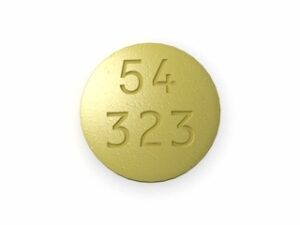
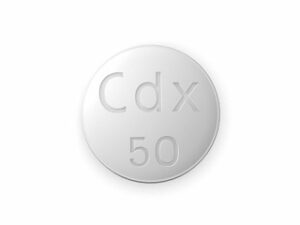
Bicalutamide (Bicalutamide Tablets) — Patient Information (UK)
Bicalutamide is a medicine used in the treatment of certain hormone-dependent conditions, most commonly prostate cancer. It works by blocking the effects of testosterone on prostate cancer cells, helping to slow disease progression and, in some situations, reduce tumour growth.
This page is designed to help you understand how bicalutamide works, how it is typically used, key safety points, and what to expect in everyday use in the United Kingdom.
Quick Facts
- Common brand examples (may vary): Casodex® and others (depending on availability)
- Active ingredient: Bicalutamide
- Medicinal form: Tablets
- Typical strength: Often 50 mg (check your own product label)
- How it works: Androgen receptor blocker (prevents testosterone from stimulating cancer cells)
- Typical use in UK: Prostate cancer treatment strategies
- Take note: Dose and regimen depend on your specific diagnosis and treatment plan
Basic Product Information
| Category | Details |
|---|---|
| Medicine | Bicalutamide |
| Drug class | Androgen receptor inhibitor (anti-androgen) |
| Therapeutic area | Oncology (prostate cancer) |
| How supplied | Tablets in standard pack sizes (availability varies by supplier) |
| Who it’s for | Adults receiving treatment for appropriate indications such as prostate cancer |
| Monitoring | May include blood tests (e.g., liver function) and PSA monitoring depending on your plan |
How Bicalutamide Works (Mechanism of Action)
Prostate cancer growth is often driven by androgens such as testosterone. Even when testosterone levels are reduced, remaining androgens (or androgen-like signals) can still stimulate cancer cells.
Bicalutamide is an androgen receptor blocker. It binds to the androgen receptor in prostate tissue, preventing testosterone from “switching on” genes that promote cancer cell growth.
- Blocks androgen receptor in target tissues
- Reduces cancer cell stimulation by androgens
- Can be used alone or with other treatments, depending on the stage and plan
Pharmacokinetics (Absorption, Distribution, Metabolism, Elimination)
Pharmacokinetics describe what the body does with a medicine—how it is absorbed, processed, and cleared. Understanding these features can help explain typical dosing schedules and why monitoring may be needed.
- Absorption: Bicalutamide is taken by mouth and is absorbed from the gastrointestinal tract.
- Protein binding: It is highly protein-bound in the bloodstream.
- Metabolism: It is primarily metabolised in the liver.
- Active effect duration: The medicine has a long duration of action because of its persistence in the body, which is why it is often taken once daily.
- Elimination: Metabolites are eliminated mainly via urine and faeces.
Important: Because bicalutamide is metabolised in the liver, liver function can be affected in some people, particularly in those with pre-existing liver disease or those taking medicines that influence liver enzymes.
Typical Use in the UK (Indications)
In the United Kingdom, bicalutamide is used as part of treatment strategies for prostate cancer. The exact use depends on cancer stage, risk category, and your overall health.
Common clinical indications include:
- Locally advanced prostate cancer: Often used in combination with other therapies.
- Metastatic prostate cancer: Typically combined with treatments that reduce or block androgen signalling.
- Ongoing androgen deprivation strategies: Depending on the individual regimen.
Your oncology team may select bicalutamide alone or together with other medicines based on your PSA (prostate-specific antigen) trend, imaging results, and overall treatment goals.
When to Take It (Timing and Routine)
Bicalutamide is usually taken once daily. Taking it at the same time each day can help you remember.
- Choose a consistent time: morning or evening—pick what best fits your routine.
- Try to take with water: Swallow the tablet(s) whole with water.
- If you miss a dose:
- Take it when you remember on the same day.
- If it’s nearly time for the next dose, skip the missed dose.
- Do not take a double dose.
If you have any schedule questions (for example, around combined therapies or planned dose changes), check your medication plan.
Can You Take Bicalutamide With Food?
In general, bicalutamide can be taken with or without food. Food usually does not significantly change how bicalutamide is absorbed for most people.
Practical tip: If you experience nausea or stomach discomfort, taking it with a light meal may improve comfort.
Alcohol Interactions and Lifestyle Considerations
Bicalutamide is processed by the liver. Alcohol also affects the liver, so heavy or regular alcohol intake may increase the chance of liver-related side effects.
- Moderation is advised if you drink alcohol.
- Avoid binge drinking, especially if you have known liver issues or abnormal liver test results.
- If you notice symptoms such as unusual fatigue, dark urine, yellowing of the skin/eyes, or upper abdominal pain, seek medical advice promptly.
Always discuss your alcohol habits with your healthcare team, particularly if you take other medicines that affect the liver.
Medicine Interactions (Including Key Examples)
Some medicines can influence the way bicalutamide is metabolised, or can increase the risk of side effects. Tell your clinician or pharmacist about all medicines and supplements you use, including:
- Prescription medicines
- Over-the-counter products (e.g., pain relief, cold remedies)
- Herbal supplements
- Vitamins/minerals
Potential interaction considerations include:
- Medicines affecting liver enzymes: Bicalutamide is metabolised in the liver; drugs that alter liver enzyme activity may change levels.
- Anticoagulants (blood thinners): If you use warfarin or similar medicines, your team may monitor clotting tests more closely, because changes in drug exposure can affect bleeding risk.
- Other hormone therapies: Often used together intentionally, but still requires coordination and monitoring.
- Potential additive effects: For example, combining medicines that can cause dizziness, fatigue, or liver strain may increase these effects.
Always check: Interaction risk depends on your exact regimen. If you are unsure whether something you take interacts with bicalutamide, ask a pharmacist.
Safety Profile (Common and Serious Side Effects)
Like all medicines, bicalutamide can cause side effects. Some are more common than others, and most are manageable. However, some symptoms require urgent medical assessment.
Common Side Effects
- Hot flushes
- Breast tenderness or breast enlargement (sometimes with nipple discomfort)
- Reduced libido
- Erectile dysfunction
- Fatigue
- Rash or dry skin (less commonly)
Less Common but Important Side Effects
- Liver changes (may be mild or detected on blood tests)
- Changes in blood test results (e.g., liver enzymes)
- Shortness of breath or swelling (uncommon—seek advice)
Seek Urgent Medical Help If You Notice:
- Signs of liver problems:
- Yellowing of the skin or eyes (jaundice)
- Dark urine
- Unusual severe fatigue
- Pain in the upper right side of the abdomen
- Severe allergic reaction (rare):
- Swelling of the face/lips, trouble breathing, severe rash
- Significant worsening of symptoms or new concerning symptoms
Practical Use Tips (Getting the Best From Your Treatment)
- Stay consistent: Take it at the same time each day.
- Keep a symptom note: Hot flushes, mood changes, breast tenderness, and fatigue can change over time—track them so you can discuss options.
- Attend monitoring appointments: If liver tests or PSA checks are planned, attending helps your clinical team make timely decisions.
- Manage hot flushes:
- Dress in layers
- Avoid overheating
- Discuss lifestyle changes or medicines if flushes become troublesome
- Breast tenderness: Wearing supportive clothing and discussing pain management with your clinician may help.
- Energy planning: If fatigue occurs, consider pacing activities and gentle exercise where appropriate.
If you feel dizzy or weak, take care when driving or operating machinery until you know how bicalutamide affects you. Many people can continue normal activities, but individual responses vary.
Dosing Information (General Guidance)
Dosing depends on the indication, whether bicalutamide is used alone or as part of combination therapy, and your overall health. The most frequently used adult dosing approach in many regimens is:
- Typical dose: Often 50 mg by mouth once daily (confirm your specific product strength and instructions).
Some treatment strategies may use different dosing schedules or combinations (for example, with other androgen deprivation treatments). Do not change the dose without clinical advice.
Special populations:
- Liver impairment: Extra caution may be needed because bicalutamide is metabolised in the liver. Your clinician may adjust the plan and monitor liver tests.
- Kidney impairment: Dose adjustments may not be necessary in all cases, but your team will consider overall safety.
What to Expect: Timing of Effects and Monitoring
Bicalutamide does not work instantly like an antibiotic. Many benefits are monitored using PSA trends and clinical assessments. Symptom changes (such as hot flushes or sexual side effects) can occur relatively early because hormone receptor blockade takes effect quickly.
- Early weeks: Hormone-related side effects may be noticeable.
- Weeks to months: PSA responses are typically evaluated at planned intervals.
- Longer term: Ongoing imaging and clinical reviews may guide whether therapy continues or is adjusted.
If you experience new symptoms or your health changes significantly, contact your clinical team promptly.
Alternative Options (If Bicalutamide Is Not Suitable)
There are several other treatments used for prostate cancer, depending on stage and patient factors. Alternatives may include:
- Other anti-androgens (e.g., medicines with similar hormone-blocking aims)
- Androgen deprivation therapy (ADT) strategies (medicines or injections that reduce androgen production)
- Combination regimens using multiple hormone-based approaches
- Non-hormonal treatments depending on cancer type and stage (e.g., chemotherapy or radiotherapy) — these are chosen by specialist teams
The best alternative depends on the specific diagnosis and goals of treatment. Your clinician can help weigh benefits and risks.
Market and Legal Context for the UK
In the United Kingdom, medicines are regulated to ensure quality, safety, and effectiveness. Bicalutamide is supplied according to applicable pharmaceutical regulations and national prescribing and dispensing practices.
Guideline context: Prostate cancer care in the UK is typically guided by specialist oncology pathways, including recommendations on hormone therapy use, monitoring, and management of side effects.
For the most accurate, up-to-date information relevant to your condition, your healthcare team can also reference current NHS and specialist oncology guidance.
Recent Guidance and Monitoring Themes (What Clinicians Commonly Emphasise)
Across recent years, UK practice has increasingly focused on:
- Individualised treatment selection based on cancer stage and patient characteristics
- Clear monitoring schedules (e.g., PSA response and clinical review)
- Side effect management (hot flushes, sexual function changes, fatigue)
- Liver safety awareness given the potential for liver enzyme changes
- Medication review to minimise interactions and duplicate therapies
While individual plans vary, these themes often guide how bicalutamide and related hormone therapies are used within the NHS and private care settings.
Delivery, Availability, and Ordering (UK)
Availability of bicalutamide tablets can vary by supplier and pack size. When ordering through an online pharmacy, you may receive updates about:
- Stock status (in-stock items or estimated restock times)
- Dispatch time (same day/next day where available)
- Delivery options (standard or tracked delivery, depending on service)
- Cold-chain: typically not required for tablets
Important: Always store bicalutamide according to the instructions on the packaging, and keep it out of the reach of children.
If you want to know current delivery windows or whether a specific pack size is available, check the product listing for the latest information.
Safety: Storage, Missed Doses, and Disposal
Storage
- Store at appropriate room temperature as described on the pack.
- Keep tablets in the original container to protect them from moisture.
- Keep away from heat and direct sunlight.
Missed Dose
- Take it when you remember on the same day.
- If it’s near the next scheduled dose, skip the missed dose.
- Do not take two doses at once.
Disposal
Do not flush tablets down the toilet or pour them into drains. Use local pharmacy take-back options where available, or follow the disposal guidance on your pack.
FAQ
1) What is bicalutamide used for?
Bicalutamide is used to treat prostate cancer by blocking androgen effects on prostate cancer cells. It may be used alone or as part of combination therapy depending on the stage and your treatment plan.
2) How long does bicalutamide take to work?
Hormone-related effects may be noticed within the first weeks. PSA and clinical responses are usually assessed over weeks to months at scheduled follow-ups.
3) Can I take bicalutamide with food?
Yes. It can generally be taken with or without food. If it upsets your stomach, taking it with a meal may help.
4) What side effects are most common?
Common side effects include hot flushes, breast tenderness or enlargement, fatigue, and changes in sexual function.
5) Does bicalutamide affect the liver?
It can. Liver enzyme changes have been reported, so monitoring may be recommended. Seek medical advice urgently if you develop symptoms suggestive of liver problems (e.g., jaundice or dark urine).
6) Can I drink alcohol while taking bicalutamide?
If you drink, aim for moderation. Because both alcohol and bicalutamide can affect the liver, heavy or frequent drinking may increase risk. Ask your clinician or pharmacist if you have concerns.
7) Are there any interactions with other medicines?
Yes. Interaction risk varies depending on your other treatments. Tell your pharmacist about all medicines and supplements, especially blood thinners (e.g., warfarin) and medicines that affect liver enzymes.
8) What if I miss a dose?
Take it when you remember if it’s on the same day. If it’s close to the next dose, skip the missed dose. Do not take a double dose.
9) Can bicalutamide be stopped if I feel unwell?
Do not stop suddenly without medical advice. If side effects are troubling, contact your healthcare team so they can help manage symptoms or review the overall plan.
10) What are the tablet storage instructions?
Store in line with the pack instructions, typically at room temperature, in the original container, and keep out of reach of children.
Summary
Bicalutamide is an anti-androgen used in the treatment of prostate cancer. By blocking the androgen receptor, it reduces stimulation of prostate cancer cells. It is often taken once daily and can be taken with or without food. While side effects are common—especially hot flushes and sexual function changes—many can be managed with support and monitoring. Because bicalutamide is metabolised by the liver, attention to liver safety and medicine interactions is important.
If you have questions about your specific regimen, side effects, or interactions, your pharmacist or clinical team can provide personalised guidance.