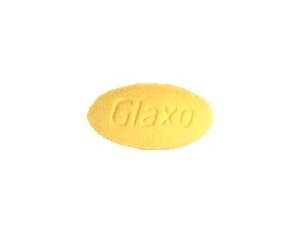


Chlorambucil (UK) – Patient Guide
Chlorambucil is a chemotherapy medicine used for certain blood cancers and related disorders. This guide explains what it is, how it works, how it is taken, key safety information, and practical tips. It is written for patients and carers in the United Kingdom and aims to be clear and easy to understand.
| Topic | Quick summary |
|---|---|
| Medicine name | Chlorambucil |
| Type | Chemotherapy (alkylating agent) |
| Common form | Tablets |
| Typical purpose | Used for selected lymphoid cancers and disorders |
| Main risks | Low blood counts, infection risk, nausea, hair thinning, fertility effects |
| Monitoring | Regular blood tests (full blood count), kidney/liver checks may be needed |
Basic product information
Chlorambucil is an alkylating chemotherapy agent. It interferes with the growth of cancer cells, mainly by damaging their DNA. It has been used for many years in oncology.
In the UK, chlorambucil is generally supplied as tablets. Availability may vary by manufacturer and supply chain, so your pharmacy team can confirm what is currently in stock.
What you may notice
- Chlorambucil works by preventing cancer cells from dividing.
- Some side effects may appear gradually, because the medicine affects rapidly dividing cells (including those in the bone marrow).
- Your clinical team will usually schedule blood tests to check your response and safety.
How chlorambucil works (mechanism of action)
Chlorambucil belongs to the group of medicines called alkylating agents. It contains a chemical group that can attach (alkylate) to DNA. This leads to DNA damage and disrupts DNA replication.
Cancer cells—especially those in certain blood cancers—may be particularly sensitive to this type of DNA damage, which can lead to cell death or slowed growth.
Pharmacokinetics: how your body handles chlorambucil
“Pharmacokinetics” describes what happens to the medicine in the body, including absorption, distribution, metabolism, and excretion. The key points below are important for understanding how it behaves.
- Absorption: After oral dosing, chlorambucil is absorbed from the digestive tract.
- Activation: Chlorambucil is converted in the body to active metabolites that help drive its effect.
- Protein binding: Like many chemotherapy agents, it is substantially bound in the bloodstream, which can influence distribution.
- Metabolism: It is metabolised mainly by the liver.
- Elimination: Active metabolites and breakdown products are removed primarily through the kidneys and other routes.
Because the medicine can affect bone marrow function and blood counts, clinical monitoring (blood tests) is essential and may continue for some time after dose changes.
Typical use in the UK (indications)
Chlorambucil is used in selected patients with certain haematological (blood) malignancies, where the clinical team judges it to be appropriate.
The most common conditions for which it has been used include:
- Chronic lymphocytic leukaemia (CLL)
- Some lymphomas (for example, indolent or slowly progressive forms in appropriate cases)
- Other lymphoid disorders where an alkylating approach is considered suitable
Treatment plans differ depending on the exact diagnosis, stage, prior therapy, overall health, and blood-count status. Your clinician may recommend chlorambucil alone or as part of a broader treatment plan.
Timing and how chlorambucil is taken
Chlorambucil is taken by mouth, usually on a schedule determined by your oncology or haematology team. Different regimens exist, including continuous low-dose schedules and intermittent courses.
General timing principles
- Consistency matters: Try to take your tablets at the same time(s) each day.
- Follow the course schedule carefully: The “days on” and “break days” are part of the design of treatment.
- Missed dose: If you miss a tablet, contact your healthcare team or pharmacist for advice.
- Do not double up: Doubling can increase risk of side effects, particularly low blood counts.
Practical example: Some regimens are taken daily for a short number of days then paused, while others involve a longer cycle. Your prescription label and treatment plan will specify your exact schedule.
Dosing (what to know)
Dosing is individual. It depends on factors such as diagnosis, blood counts, liver and kidney function, age, and whether other therapies are being used.
- Blood-count–guided adjustments: If blood counts fall too low, dosing may be delayed or reduced.
- Body weight/age: Many chemotherapy regimens incorporate patient-specific adjustments.
- Combination therapy: If used with other treatments, doses may be modified to reduce overlapping toxicity.
If you have concerns about your dose schedule or blood test results, your oncology team or pharmacist can help interpret what changes mean.
Food interactions and dietary advice
Chlorambucil tablets can generally be taken with or without food. However, your healthcare team may advise a particular approach to help reduce nausea or stomach upset.
Food-related practical tips
- Take with water: Use a full glass of water to help swallow tablets easily.
- If nausea occurs: Eating a light meal before or after may help, unless you have been given different instructions.
- Avoid new supplements without checking: Some herbal products can affect liver enzymes or interact with medicines.
If you develop vomiting, trouble eating, or weight loss, inform your clinical team— nutrition support can help maintain strength during treatment.
Alcohol and medicine interactions
Alcohol can increase the risk of side effects, particularly if chlorambucil is affecting your liver or you are prone to nausea, fatigue, or infections. In the UK, many clinicians advise limiting alcohol during chemotherapy.
General guidance
- Best approach: Avoid or keep alcohol to a minimum while on treatment.
- Watch for liver strain: If you have liver impairment, additional caution is needed.
- Interactions with other medicines: Alcohol may worsen drowsiness with some anti-nausea or pain medicines.
Tell your pharmacist about your current alcohol intake and all medicines (including over-the-counter products). This helps identify potential interaction risks.
Safety profile: key risks and warning signs
Chlorambucil can be effective, but it requires careful monitoring due to its effects on rapidly dividing cells, especially in the bone marrow. The most important safety concerns are:
1) Low blood counts (myelosuppression)
- Neutropenia: fewer white blood cells, increasing infection risk
- Anaemia: reduced red blood cells, causing tiredness and breathlessness
- Thrombocytopenia: fewer platelets, increasing bruising and bleeding risk
Your clinical team will arrange regular full blood counts. It’s common for counts to drop after a course begins, and recovery may take time.
2) Infection risk
Because white blood cells can fall, infections may become more serious. Seek medical advice urgently if you develop:
- Fever (temperature as advised by your team)
- Chills or shaking
- Sore throat, mouth ulcers, or persistent cough
- Burning when urinating or flank/back pain
- Unusual shortness of breath
3) Nausea, vomiting and appetite changes
- Some people experience nausea or stomach upset.
- Anti-sickness medicines may be offered depending on your regimen and symptoms.
4) Hair thinning
Hair thinning can occur. It is often gradual and may be reversible after treatment ends, although individual outcomes vary.
5) Fertility and pregnancy risks
- Chlorambucil can affect fertility.
- It may harm an unborn baby, so pregnancy must be avoided during treatment.
- Contraception advice should be discussed with your clinician.
6) Secondary malignancies (longer-term risk)
As with many chemotherapy agents, there is a small potential risk of secondary cancers years later. This is one reason why treatment decisions weigh benefits against risks for each patient.
Practical use tips (helpful day-to-day advice)
Handling precautions
- Keep tablets in the blister/pack: Only remove tablets when you are ready to take your dose.
- Do not crush or break: Follow your pharmacy instructions; crushing may increase exposure.
- Use gloves if instructed: If accidental contact occurs or your healthcare team advises protective measures, follow their guidance.
If you have carers assisting with doses, ask your pharmacy team for safe handling instructions.
Monitoring and keeping appointments
- Attend blood tests: These check your white cells, red cells, and platelets.
- Record symptoms: Note fever, infections, bruising, unusual bleeding, or severe fatigue.
- Medication list: Keep an up-to-date list of all medicines and supplements.
Infection prevention habits
- Wash hands frequently.
- Avoid close contact with people who have contagious infections (such as flu or COVID-19) when possible.
- Seek early advice for symptoms rather than waiting.
Managing common side effects
- Fatigue: Prioritise rest and gentle activity as advised by your clinical team.
- Dry mouth/sore mouth: Ask about mouthwash options and oral hygiene practices.
- Constipation or diarrhoea: Report changes early; hydration matters.
Alternative options (discuss with your clinician)
Treatment depends on diagnosis, stage, and previous therapies. Alternatives may include:
- Other chemotherapy agents (different mechanisms and side effect profiles)
- Targeted therapies (for example, agents aimed at specific cancer cell pathways)
- Immunotherapy (stimulating or targeting the immune system)
- Watchful waiting in selected early, slow-growing conditions where appropriate
- Combination regimens tailored to patient fitness and disease characteristics
Your haematology/oncology team will consider alternatives based on the latest evidence and your personal treatment goals.
Market and legal context in the United Kingdom
In the UK, chlorambucil is regulated as a chemotherapy medicine and is supplied under NHS and private healthcare frameworks depending on your situation. Supply and availability can change due to manufacturing schedules, stock levels, and prescribing practices.
- Classification: Chemotherapy agents are subject to strict handling and dispensing standards.
- Safety controls: Pharmacies follow established protocols for high-risk medicines.
- Monitoring requirements: Use typically includes routine blood tests and clinical follow-up.
For the most current UK availability, your pharmacy can confirm whether chlorambucil is in stock and, if not, whether alternative strengths or suppliers are expected.
Recent guidance and clinical practice (what to expect)
Oncology treatment evolves. Recent clinical practice trends in haematology may include:
- More personalised treatment selection based on disease biology and patient fitness.
- Greater use of newer targeted therapies in some situations (depending on diagnosis and individual factors).
- Emphasis on safety monitoring, especially full blood count checks and infection prevention.
Even when newer options exist, chlorambucil may still be chosen in particular clinical circumstances. Your specialist team can explain why it is suitable for you or your relative.
Delivery and availability (online pharmacy)
Availability of chemotherapy medicines can vary. When ordering online in the UK, your pharmacy will typically:
- Confirm stock status and expected dispatch time.
- Ensure medicines are packaged safely for transport.
- Provide delivery updates and support if there are delays.
Plan ahead: Chemotherapy schedules rely on timely supply. If you are due to start a course soon, place orders early and keep a small buffer of time for dispatch and delivery.
If your first-choice product is temporarily unavailable, your pharmacy may contact you about alternatives (e.g., different brand or strength), but any change must be aligned with your clinical plan.
Safety: when to seek urgent help
Contact urgent medical services or seek immediate advice if you experience any of the following:
- Fever or suspected serious infection
- Severe shortness of breath or chest pain
- Uncontrolled bleeding or significant bruising
- Severe allergic reaction (e.g., swelling of face/lips, difficulty breathing, widespread rash)
- Persistent vomiting or inability to keep fluids down
When in doubt, err on the side of contacting your healthcare provider promptly—early treatment can be important when blood counts are low.
FAQ
1) What is chlorambucil used for?
Chlorambucil is used for certain blood cancers and related lymphoid disorders, such as chronic lymphocytic leukaemia (CLL), where it is considered appropriate by specialists based on your specific situation.
2) How does chlorambucil work?
It is an alkylating chemotherapy agent that damages cancer cells’ DNA, interfering with cell division and slowing tumour growth.
3) Do I need blood tests during treatment?
Yes. Chlorambucil can reduce blood counts. Regular full blood counts are essential to monitor white cells, red cells, and platelets and to decide whether doses should be delayed or adjusted.
4) Can I take chlorambucil with food?
In general, it can be taken with or without food. However, if you experience nausea, taking it after food or as advised by your healthcare team may help.
5) What should I do if I miss a dose?
Contact your healthcare team or pharmacist for advice. Do not take extra tablets unless specifically instructed, because higher doses can increase the risk of side effects, particularly infection from low white blood cells.
6) Can I drink alcohol while taking chlorambucil?
It is usually advised to avoid or limit alcohol during chemotherapy, as it can worsen side effects and may add stress to the liver. Ask your clinician for personalised guidance, especially if you have liver problems or take other medicines.
7) What are the most common side effects?
Common side effects can include low blood counts (leading to higher infection risk), nausea, fatigue, hair thinning, and appetite changes. Your exact risks depend on your dose and schedule and other treatments.
8) How will I know if I’m developing an infection?
Watch for fever, chills, sore throat, cough, burning when urinating, or any new or worsening symptoms. If you feel unwell or develop fever, contact medical services promptly.
9) Is chlorambucil safe during pregnancy or breastfeeding?
Chlorambucil can harm an unborn baby and may affect fertility, so pregnancy should be avoided during treatment. Breastfeeding advice should be discussed with your clinician due to potential risks.
10) Are there alternatives if chlorambucil isn’t suitable?
Yes. Alternatives may include other chemotherapy medicines, targeted therapies, immunotherapy, or supportive/watchful-waiting approaches in selected cases. Suitability depends on the specific diagnosis and your overall health.
Important note
This information is intended to help you understand chlorambucil and what to expect. It does not replace advice from healthcare professionals. If you have questions about your specific treatment schedule, blood test results, or side effects, speak to your haematology/oncology team or pharmacist.