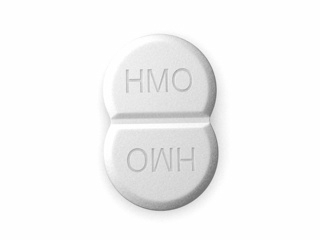


Tritace (Ramipril) — Patient-friendly Medicines Information (UK)
Tritace is a brand of ramipril, a medicine from the ACE-inhibitor (angiotensin-converting enzyme inhibitor) group. It is used to treat and help prevent complications of certain heart and blood-vessel conditions, including high blood pressure, heart failure, and the risk of cardiovascular events in people at higher risk.
This guide explains how Tritace works, how to take it safely, what to expect, and key interactions and precautions. If anything in this page worries you, speak to a healthcare professional.
Basic product information
| Feature | Details |
|---|---|
| Medicinal ingredient | Ramipril (ACE inhibitor) |
| Brand name | Tritace |
| Common strengths (examples) | Available as tablets in different strengths (varies by market/manufacturer) |
| How it works | Helps relax blood vessels and reduces strain on the heart by blocking the ACE pathway |
| Typical form | Oral tablets |
Note: Strengths and pack formats may vary. Always check the package label for the exact strength you have.
How Tritace works (mechanism of action)
Ramipril is an ACE inhibitor. ACE (angiotensin-converting enzyme) is part of the body’s system for controlling blood vessel tone and fluid balance. When ACE is inhibited:
- Blood vessels relax, which can lower blood pressure.
- Angiotensin II production falls, reducing constriction of blood vessels.
- Hormonal effects that retain salt and water reduce, supporting a healthier fluid balance.
- In conditions such as heart failure, it can reduce the workload of the heart and improve outcomes over time.
Over the long term, ACE inhibition helps reduce cardiovascular risk by improving vascular function and decreasing stress on the heart.
Pharmacokinetics (how the body handles ramipril)
Understanding pharmacokinetics can help explain timing and why follow-up monitoring matters. Key points include:
- Absorption: Ramipril is absorbed after oral dosing. It is converted in the body to its active metabolite (ramiprilat), which has most of the ACE-inhibiting activity.
- Distribution: The active form distributes into body tissues where it exerts its effects on the ACE pathway.
- Metabolism & activation: Ramipril is processed by the body to form ramiprilat.
- Elimination: The active forms are cleared mainly via the kidneys, so kidney function can affect exposure.
- Monitoring: Because kidney function and electrolyte balance can change, blood tests are often required, especially during initiation and dose increases.
People with reduced kidney function or certain comorbidities may need closer monitoring and dose adjustments.
Typical uses (indications)
Tritace is used for several common cardiovascular indications, depending on individual circumstances. Indications may include:
- High blood pressure (hypertension) — to lower blood pressure and reduce the risk of cardiovascular events.
- Heart failure — particularly when the heart is weak and not pumping as effectively as it should.
- After certain cardiovascular events (for example, following myocardial infarction or in patients at high cardiovascular risk) — to help reduce the risk of further events.
- Diabetic kidney disease / protein in the urine — in appropriate patients, to protect kidney function and lower risk.
- High-risk cardiovascular patients — to lower the overall risk of events such as stroke, heart attack, or cardiovascular death.
Not everyone is suitable. Your healthcare professional will consider your medical history, blood pressure, kidney function, potassium levels, and other medicines.
Dosing: what “typical” can look like in practice
Dosing for Tritace is individual. Age, kidney function, blood pressure, and treatment goals all influence the starting dose and how it is increased. The general approach for ACE inhibitors often involves:
- Start low to reduce the chance of side effects such as dizziness or low blood pressure.
- Increase gradually based on blood pressure response and blood test results.
- Monitor kidney function and potassium, especially after starting or changing dose.
For some patients, tablets may be taken once daily. In other situations, directions may differ. Always follow the dosing instructions on your medicine label.
Timing: when to take Tritace
Many people take ramipril once each day. The timing can be chosen to suit you:
- Consistency matters: try to take it at about the same time each day.
- If dizziness occurs: some people find taking it at bedtime helpful, but confirm with a healthcare professional.
- If dose changes: expect monitoring soon after initiation or increases.
If you miss a dose, do not take a double dose to “catch up.” Follow the advice given by your pharmacist or the medicine leaflet.
Food interactions and dietary considerations
Tritace can generally be taken with or without food. However, individual tolerance may vary. If you notice stomach discomfort, taking it with food may help.
Practical dietary notes:
- Salt intake: reducing excess dietary salt may help blood pressure control (unless you are already on a salt-restricted plan advised by a clinician).
- Potassium-rich supplements: avoid potassium supplements unless prescribed, since ACE inhibitors can raise potassium levels.
- “Salt substitutes”: many contain potassium. These can be risky with ACE inhibitors—check labels or ask your pharmacist.
Alcohol and medicine interactions
Alcohol may increase the risk of low blood pressure and lightheadedness, especially after the first dose or after a dose increase. It may also worsen dehydration, which can strain the kidneys.
General safety advice
- Be cautious: if you drink alcohol, start with small amounts and see how you feel.
- Avoid binge drinking: this increases dizziness and dehydration risk.
- Check other medicines: alcohol can interact with other drugs that lower blood pressure or affect kidney function.
Other key medicine interactions
Tritace can interact with several medicine groups. The most important include:
- Potassium supplements and potassium-containing salt substitutes — may increase potassium too much.
- Diuretics (“water tablets”), especially potassium-sparing types (e.g., spironolactone, eplerenone) — can increase potassium and affect kidney function.
- NSAIDs (anti-inflammatory painkillers such as ibuprofen, naproxen, diclofenac) — may reduce the blood-pressure-lowering effect and increase kidney strain in some people, especially during dehydration.
- Other blood pressure medicines (including ARBs, aliskiren in certain contexts) — may further lower blood pressure; sometimes used together but requires careful supervision.
- Lithium — can have increased lithium levels, requiring close monitoring.
- Immunosuppressants or medications affecting blood counts — can alter blood cell levels; monitoring may be needed.
- Medicines for diabetes (insulin, sulfonylureas) — ACE inhibitors may enhance the blood glucose-lowering effect; watch for hypoglycaemia symptoms.
This is not an exhaustive list. Always tell your healthcare professional and pharmacist about all medicines and supplements you take, including over-the-counter products.
Safety profile: who should take special care?
Like all medicines, Tritace can cause side effects. Many people tolerate ramipril well, but it is important to know what to watch for.
Common or expected effects
- Dizziness (particularly when starting or after dose increases)
- Low blood pressure symptoms such as lightheadedness
- Dry cough (a known ACE-inhibitor effect)
- Headache or general tiredness
- Digestive upset in some people
Serious side effects: seek urgent medical help
Contact urgent care or emergency services immediately if you experience signs of severe allergic reaction.
- Angioedema: swelling of the face, lips, tongue, or throat; difficulty breathing or swallowing
- Severe dehydration or sudden kidney problems: very reduced urine output, severe weakness, confusion
- Signs of high potassium (may include muscle weakness, irregular heartbeat, or palpitations), especially if you feel unwell
- Fainting or severe dizziness that does not improve
Special caution groups
- People with kidney disease — may need lower doses and closer monitoring.
- People with low blood pressure or dehydration (e.g., vomiting/diarrhoea) — increased risk of dizziness and kidney stress.
- People with certain heart valve conditions or heart rhythm problems — may require careful assessment.
- Older adults — can be more sensitive to blood pressure changes and kidney effects.
- People with a history of ACE-inhibitor angioedema — generally should not take ACE inhibitors.
Practical use tips (getting the best and safest experience)
- Expect monitoring: blood tests (commonly kidney function and potassium) may be done before and after starting or increasing dose.
- Check blood pressure: if advised, monitor at home and keep a simple log (date, time, readings).
- Stay hydrated: drink fluids sensibly, especially during hot weather or if you’re unwell with diarrhoea/vomiting.
- Be careful with “cold and flu” products: some contain medicines that can raise blood pressure or interact with kidney function.
- Don’t stop abruptly without advice: stopping ACE inhibitors suddenly can worsen cardiovascular risk in some patients.
- Manage the dry cough: the cough may be persistent but varies between individuals. Seek advice if it becomes troublesome.
- Know when to hold and contact a clinician: if you become severely dehydrated or very unwell, seek medical advice promptly. (Your clinician may give “sick day” guidance for ACE inhibitors.)
Alternative options to consider
If Tritace is not suitable due to side effects, interactions, or individual treatment goals, healthcare professionals may consider other options. Depending on the indication, alternatives can include:
Within the same therapeutic area
- ARBs (angiotensin receptor blockers) (e.g., losartan, valsartan, candesartan) — often used when ACE inhibitors cause troublesome cough.
- Other antihypertensive medicines — such as calcium channel blockers (e.g., amlodipine) or thiazide-like diuretics (e.g., indapamide), depending on your profile.
For heart failure or risk reduction
- In heart failure, clinicians may also use additional treatments (depending on type and severity), such as beta-blockers and other medicines that improve outcomes.
Choice of alternative depends on your diagnosis, kidney function, potassium levels, blood pressure readings, and other medicines. Always discuss options with a healthcare professional.
Market and legal context in the United Kingdom
In the UK, ramipril products like Tritace are widely prescribed and are regulated medicines. They are supplied in accordance with UK medicines laws and pharmacy requirements.
Important: medicines must be obtained through legitimate channels. An online pharmacy should be able to provide clear product information, safety guidance, and fulfilment consistent with UK regulations.
Recent guidance (general themes)
UK clinical guidance for ACE inhibitors commonly emphasises:
- Careful selection of patients and appropriate dosing.
- Monitoring kidney function and potassium, particularly during initiation and dose changes.
- Risk awareness for ACE inhibitor-associated angioedema and cough.
- Appropriate “sick day” management for medicines that can affect kidney function when dehydrated (advice may vary by clinician).
- Individualised treatment targets for blood pressure and cardiovascular risk reduction.
Your healthcare professional can align your care with the latest UK clinical standards for your specific condition.
Delivery and availability (UK)
Tritace (ramipril) is generally available in the UK through pharmacies and licensed online suppliers. Availability and delivery times can vary depending on stock levels and the strength/pack size you order.
What to expect from an online pharmacy:
- Order processing: confirmation of your item and strength.
- Packaging: medicines are typically dispatched in protective packaging.
- Delivery times: usually within standard courier timeframes (exact times vary by supplier and service).
- Cold-chain: Tritace tablets do not normally require refrigeration.
If you need this medicine urgently, contact the online pharmacy’s customer service to confirm dispatch and delivery options.
FAQ: Tritace (Ramipril) questions people ask
1) How soon does Tritace start working?
Many people notice blood pressure lowering within hours of a dose, but longer-term effects on cardiovascular risk and heart failure outcomes develop over weeks to months. Dose changes typically require monitoring to ensure you are tolerating treatment well.
2) Will Tritace cause a cough?
A dry, persistent cough can occur with ACE inhibitors. Not everyone experiences it. If the cough becomes troublesome, speak to your pharmacist or clinician—sometimes the medication is adjusted or switched.
3) Can I take Tritace with other blood pressure medicines?
Often yes, but it depends on what you are taking and your overall health. Combining medicines can improve control but may also increase the risk of low blood pressure, kidney changes, or electrolyte imbalance. Your clinician will guide safe combinations.
4) What blood tests are usually needed?
Clinicians often monitor kidney function (e.g., creatinine/eGFR) and potassium levels. These checks help ensure the medicine is tolerated safely, particularly after starting or increasing dose.
5) Is it safe to take ibuprofen or other anti-inflammatory painkillers?
Caution is advised. NSAIDs (like ibuprofen) can affect kidney function and may reduce the effect of ACE inhibitors. If you need pain relief often, ask a pharmacist for guidance on the safest option for you.
6) Can I drink alcohol while taking Tritace?
Small amounts may be tolerated by some people, but alcohol can increase dizziness and low blood pressure risk. Avoid excessive drinking and consider how you feel, especially after starting or changing dose.
7) What should I do if I miss a dose?
Take it when you remember unless it’s close to the next dose. Do not double up. Check the patient leaflet or ask a pharmacist for specific advice.
8) Are there signs I should stop and get help?
Seek urgent help for symptoms of severe allergic reaction (such as swelling of face/lips/tongue, trouble breathing or swallowing). Contact a healthcare professional promptly for severe dizziness, fainting, very reduced urine output, or palpitations/weakness.
9) Who should not take ACE inhibitors like Tritace?
People with a history of ACE-inhibitor angioedema or certain rare conditions may not be suitable. Your clinician will assess suitability. Tell them about past reactions and your full medical history.
10) Are there any “sick day” precautions?
During illnesses that cause dehydration (e.g., vomiting/diarrhoea, high fever with poor fluid intake), ACE inhibitors may need special consideration. Ask your healthcare professional for personal guidance—often referred to as “sick day rules.”
Important safety reminder
This information is a general patient guide and cannot replace personalised medical advice. If you have questions about whether Tritace is suitable for you, how to take it, or how it fits with your current health conditions and medicines, speak to a qualified healthcare professional.