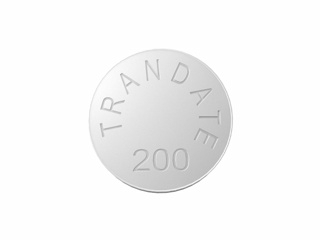
Trandate (Labetalol) – Patient-Friendly Guide (UK)
Trandate is a brand of the medicine labetalol, used to treat certain types of high blood pressure and related cardiovascular conditions. This page explains how it works, how it’s usually taken, common safety points, and what to expect in everyday use. It is written for people in the United Kingdom.
Note: Medicines can affect people differently. Always follow the instructions given by your healthcare professional and the information on your medicine label. If you have questions about your personal situation, ask a clinician or pharmacist.
Quick product information
| Item | Information |
|---|---|
| Brand name | Trandate |
| Active ingredient | Labetalol |
| Medicine type | Beta (β) and alpha (α) adrenergic blocker |
| Common forms | Tablets (strengths vary by product/availability) |
| Uses | High blood pressure; sometimes used in specific scenarios such as hypertensive emergencies or in pregnancy under specialist care |
| Where it’s used | UK (licensed medicine) |
How Trandate works (mechanism of action)
Labetalol belongs to a group of medicines called alpha and beta blockers. It lowers blood pressure by acting on two key systems in the body:
- Beta-blocking effect (β-blockade): Labetalol slows the heart rate and reduces the force of contraction, which can reduce how much blood the heart pumps.
- Alpha-blocking effect (α-blockade): It relaxes blood vessels by blocking certain signals that tighten the vessel walls.
Result: With less vessel tightening and less workload on the heart, blood pressure tends to fall.
Pharmacokinetics (how the body handles labetalol)
Pharmacokinetics describes how the body absorbs, distributes, metabolises, and eliminates a medicine.
- Absorption: Labetalol is absorbed after oral dosing, though the degree and speed can vary between individuals.
- Distribution: It is distributed through the bloodstream to tissues where it exerts its effects.
- Metabolism: Labetalol is metabolised in the liver.
- Elimination: The medicine and its metabolites are cleared from the body (primarily via metabolism and excretion pathways).
- Half-life: The duration of effect varies by dose and individual factors; dosing schedules are designed to maintain adequate blood pressure control.
Practical implication: Because the liver plays a role in metabolism, people with liver disease may need closer monitoring and dose adjustments.
Typical use and indications
Labetalol is used for the management of high blood pressure (hypertension). It may also be chosen for specific cardiovascular situations depending on the clinical context.
Common indications
- Hypertension: including cases where a combined alpha/beta blocker is preferred.
- Hypertensive emergencies/urgent situations: In some settings, specialists may use labetalol because it can lower blood pressure effectively.
- Pregnancy-related hypertension: Labetalol is commonly used under specialist care for hypertension in pregnancy and pre-eclampsia. This decision must be made by clinicians due to individual risks and monitoring needs.
- Other cardiovascular indications: Depending on local guidance and patient factors, labetalol may be considered for certain heart- and blood-vessel–related conditions.
Important: Your treatment plan depends on your medical history, blood pressure readings, heart rate, and other medicines you take.
When to take Trandate (timing & dose routine)
Trandate dosing schedules vary depending on the prescribed regimen and formulation. Many people are advised to take labetalol two or more times daily, aiming for consistent blood pressure control.
General timing tips
- Take it at the same times each day to help keep blood pressure steady.
- Try not to miss doses. If you forget a dose, take it when you remember unless it is close to the next scheduled dose (follow your local instructions; your pharmacist can advise).
- Do not double up to make up for a missed dose unless instructed.
- Check your blood pressure if you’ve been advised to monitor at home. Report persistent unusually low readings or symptoms.
Blood pressure changes: Some people notice effects within hours, but full stability may take days as your dosing settles and your body adapts.
Food interactions & diet considerations
For most beta-blockers, food may have some influence on absorption or stomach comfort, but labetalol tablets are generally considered suitable to take with or without food.
Common food-related guidance
- Consistency helps: If you find food reduces stomach upset, take it with meals each day.
- Avoid sudden dietary changes that alter caffeine intake or overall stimulant use, as this can affect blood pressure and heart rate.
- Grapefruit and related products: Some medicines interact with grapefruit. Labetalol has fewer well-known grapefruit interactions than certain other drug groups, but it’s still wise to check with your pharmacist if you use grapefruit regularly.
If you have specific concerns (for example, you’re managing diabetes, kidney disease, or heart failure), ask a pharmacist about dietary considerations alongside labetalol.
Alcohol interactions
Alcohol can affect blood pressure and can sometimes increase dizziness or light-headedness, especially when starting blood pressure medicines or adjusting the dose.
- Avoid or limit alcohol until you know how labetalol affects you.
- Be cautious driving or operating machinery if you feel drowsy, dizzy, or unusually tired.
- If you have liver disease or are taking multiple medications affecting the nervous system, discuss alcohol use with a healthcare professional.
Seek urgent advice if you experience fainting, severe dizziness, or symptoms of very low blood pressure after alcohol.
Medicine interactions (important safety information)
Several medicines can interact with labetalol. Interactions don’t always mean “do not use”, but they may require dose adjustment or extra monitoring.
Medicines that can interact
- Other blood pressure medicines: Combining can enhance blood pressure lowering and may increase risk of dizziness or low blood pressure.
- Other heart rate–slowing medicines: Certain antiarrhythmics or medicines that also slow the heart can increase the chance of a slower heart rate (bradycardia).
- Medicines for asthma or chronic lung disease: Some inhalers (and certain tablets) may be affected. If you use inhaled bronchodilators, your pharmacist can advise on monitoring and what to do if symptoms worsen.
- Diabetes medicines: Beta-blockers can sometimes mask symptoms of low blood sugar (such as tremor or palpitations). This is particularly relevant for people using insulin or sulfonylureas.
- Non-steroidal anti-inflammatory drugs (NSAIDs): Frequent NSAID use can sometimes reduce the blood pressure–lowering effect of antihypertensives in some individuals.
- Antidepressants and antipsychotics: Some may affect blood pressure or heart rhythm; the combination can matter depending on your specific drug.
- Medicines affecting liver metabolism: Because labetalol is metabolised in the liver, certain drugs that strongly affect liver enzymes could alter labetalol levels.
- Clonidine (if used): Stopping clonidine abruptly can raise blood pressure; how it is stopped alongside other medicines should be managed carefully by clinicians.
Always tell your pharmacist about all medicines you take, including over-the-counter products, herbal supplements, and inhalers.
Dosing: what to expect
Dosing is individual. Factors include your blood pressure, heart rate, age, kidney and liver function, and whether you have other conditions (such as heart problems or asthma).
Typical dosing principles
- Start low, then adjust: Clinicians often begin with a dose that reduces side effects, then increase if needed.
- Split dosing may be used: Many people take labetalol tablets more than once per day for smoother effect.
- Monitor pulse and symptoms: Low heart rate or dizziness may mean your dose needs adjusting.
Do not change your dose or stop labetalol suddenly without medical advice. Abrupt stopping of beta-blockers can lead to rebound symptoms in some people.
Safety profile: side effects and when to get help
Like all medicines, Trandate (labetalol) can cause side effects. Many are mild and improve as your body adjusts. However, some symptoms require urgent attention.
Common side effects
- Dizziness or light-headedness (especially when standing up)
- Tiredness or reduced energy
- Headache
- Nausea or stomach discomfort
- Slow heart rate (bradycardia) in some people
- Cold hands and feet
Less common but important reactions
- Wheezing or worsening breathing problems (more relevant if you have asthma or certain lung conditions)
- Fainting or severe weakness (possible very low blood pressure)
- Unusual bruising or signs of blood problems (rare)
- Changes in liver function (rare; more likely if there is existing liver vulnerability)
Get urgent medical help if you have
- Severe dizziness, fainting, or signs of collapse
- Chest pain, severe shortness of breath, or symptoms of an allergic reaction (swollen face/lips, rash, difficulty breathing)
- Very slow pulse with feeling unwell
Practical use tips (getting the best results)
- Measure blood pressure if advised. Sit quietly for 5 minutes, then take readings according to guidance (for example, morning and evening).
- Track symptoms such as dizziness, fatigue, or palpitations. This helps your clinician decide whether adjustments are needed.
- Stand up slowly from sitting or lying down, especially at the start of treatment or after a dose change.
- Stay hydrated unless you’ve been told to restrict fluids.
- Keep a consistent routine for taking tablets, including times and food habits.
- Don’t stop suddenly. If you feel unwell, contact a clinician/pharmacist before stopping.
Driving, work, and daily activities
Labetalol can cause dizziness or tiredness in some people, particularly when starting or increasing the dose. If you feel unsteady, avoid driving and operating machinery until you know how you respond.
Alternative options (other treatments for high blood pressure)
There are multiple medication options for high blood pressure. Alternatives depend on your health history and the severity/type of hypertension.
Common classes used in the UK
- ACE inhibitors (e.g., enalapril, lisinopril/other equivalent agents)
- Angiotensin-II receptor blockers (ARBs) (e.g., losartan, candesartan)
- Calcium-channel blockers (e.g., amlodipine)
- Thiazide/thiazide-like diuretics (e.g., indapamide, bendroflumethiazide where appropriate)
- Other beta-blockers (choice depends on the clinical scenario)
Why alternatives vary: Some people need extra monitoring for kidney function, electrolytes, or heart rhythm. Your clinician selects the option that best matches your condition and side effect profile.
UK market and legal context (what this means for patients)
Trandate (labetalol) is a recognised medicine in the United Kingdom and is supplied through licensed channels. Availability can vary by strength and product type.
Regulated supply: In the UK, medicines are distributed under strict quality and safety regulations. Online pharmacies typically provide products through compliant supply chains and should clearly display packaging details, strength, and manufacturer information.
Quality and authenticity: Use reputable sellers. Check that the product you receive is in the correct packaging and includes the expected details (brand, strength, batch/expiry where relevant).
Recent guidance (context for hypertension care in the UK)
Clinical practice in the UK is guided by national recommendations and updates from professional bodies and organisations. Recent years have continued to emphasise:
- Confirming diagnoses with accurate blood pressure measurement and appropriate monitoring (including home readings in many cases).
- Using evidence-based first-line options for most people, while allowing flexibility for individual circumstances and comorbidities.
- Regular review of treatment effectiveness and side effects, including monitoring of relevant blood tests where appropriate (for example kidney function and electrolytes for certain drug classes).
- Cardiovascular risk reduction beyond blood pressure lowering, including lifestyle measures and management of cholesterol and diabetes when relevant.
While labetalol is a widely used and trusted medicine, the specific choice of antihypertensive depends on the overall clinical picture. Your clinician will align your plan with current UK practice.
Delivery and availability (UK)
Online pharmacies in the UK typically offer home delivery. Availability of Trandate may vary depending on stock levels, strength, and manufacturing supply. Delivery times depend on:
- Local dispatch schedules
- Warehouse stock availability
- Courier service and delivery area
When ordering, check the product details carefully, including the strength and the formulation (e.g., tablets). If a particular strength is temporarily unavailable, your pharmacist may suggest an equivalent option if appropriate.
Storage: Store tablets as directed on the packaging, typically at room temperature and away from moisture and direct sunlight. Keep medicines out of sight and reach of children.
FAQ about Trandate (Labetalol)
1) What is Trandate used for?
Trandate (labetalol) is used to treat high blood pressure (hypertension). It may also be used in specific urgent or specialist situations depending on your circumstances.
2) How quickly will it work?
Many people start to see blood pressure improvements within hours of taking a dose, but achieving stable long-term control usually takes days and depends on your dosing schedule and individual response.
3) Should I take it with food?
It’s often possible to take labetalol tablets with or without food. If you experience stomach discomfort, taking it with meals may help. Try to be consistent day to day.
4) Can I drink alcohol while taking Trandate?
Alcohol can lower blood pressure further and may increase dizziness or light-headedness. Limit alcohol and avoid it if you notice you feel unwell. Ask a pharmacist for personalised advice, especially if you have liver problems or take other medicines.
5) What should I do if I miss a dose?
If you miss a dose, take it when you remember unless it’s almost time for your next dose. Do not take a double dose. If you’re unsure, contact your pharmacist.
6) Can labetalol affect my heart rate?
Yes. Because it blocks beta receptors, labetalol can slow the heart rate. Monitoring of pulse and symptoms is important, particularly during dose changes.
7) Is it safe for people with asthma?
Care is needed. Beta-blockers can potentially worsen breathing in some people. If you have asthma or chronic lung disease, discuss with a healthcare professional and ensure your inhaler plan is clear.
8) Does labetalol interact with diabetes medicines?
It can. Beta-blockers may mask some warning symptoms of low blood sugar. People using insulin or sulfonylureas should monitor blood glucose closely and seek personalised guidance.
9) What side effects are most common?
Common side effects include dizziness, tiredness, headache, and stomach discomfort. If you develop severe dizziness, fainting, breathing difficulties, or symptoms of an allergic reaction, get urgent help.
10) Are there alternatives if Trandate isn’t suitable?
Yes. Many other medicines are used to treat hypertension, such as ACE inhibitors, ARBs, calcium-channel blockers, and diuretics. Your clinician can advise the best alternative based on your health profile.
Further support: If you have questions about how to take Trandate, possible interactions with your other medicines, or whether it’s suitable for your condition, speak to a pharmacist. They can help you understand your regimen and improve safety in daily use.