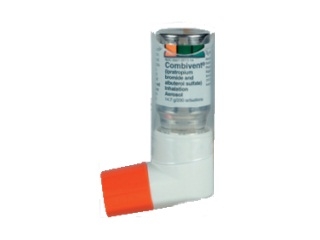
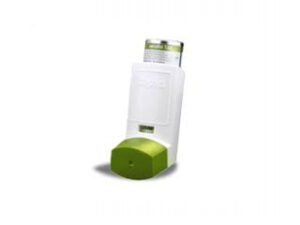
Combivent (Levosalbutamol / Ipratropium bromide) – Patient Guide (UK)
Combivent is a combination inhaler medicine used to help relieve breathing difficulties in people with certain long-term lung conditions, and in some cases during acute flare-ups. It contains two medicines: levosalbutamol (a bronchodilator that helps open the airways) and ipratropium bromide (an antimuscarinic that also helps widen the airways). Together, they can improve airflow and ease symptoms such as wheeze, tightness in the chest and shortness of breath.
This guide is designed to be patient-friendly and informational. It explains how Combivent works, when it’s used, how to take it, important safety points, and common questions. Always follow the instructions given by your healthcare professional and the patient information leaflet supplied with your medicine.
1. Basic product information
| Category | Details |
|---|---|
| Medicine | Combivent |
| Active ingredients | Levosalbutamol / Ipratropium bromide |
| Medicinal form | Inhaler (commonly delivered via a pressurised metered-dose inhaler in the UK) |
| Typical use | Relief of breathing symptoms by opening airways (bronchodilator effect) |
| Common conditions | COPD; may be used in selected cases for airflow obstruction |
Note: The exact strength, inhaler type and number of doses per device can vary by product presentation. Check your specific pack for the exact details.
2. What Combivent is used for
Combivent is used to help manage airway narrowing (bronchoconstriction). It is particularly used in people with chronic obstructive pulmonary disease (COPD) to improve symptoms such as breathlessness and wheezing.
Indications (UK context)
- COPD with symptoms that require bronchodilation and when a combination of medicines may be helpful.
- Acute symptom flare-ups may sometimes be supported using short-acting bronchodilators as part of an overall treatment plan.
Not usually a “rescue for sudden attacks” in the way some short-acting inhalers are. Combivent may be used to relieve symptoms, but your clinician may prefer a specific reliever inhaler based on your diagnosis, current symptoms and your existing inhaler regimen.
3. How it works (mechanism of action)
Combivent combines two bronchodilators with complementary actions:
-
Levosalbutamol (a short-acting beta2-agonist, SABA):
- Stimulates beta2 receptors in the smooth muscle of the airways.
- This relaxes the bronchial muscles, leading to airway widening and reduced wheeze.
- It can also help reduce breathlessness by improving airflow.
-
Ipratropium bromide (an antimuscarinic/anticholinergic):
- Blocks muscarinic receptors in the airways.
- Reduces bronchial muscle tightening driven by the cholinergic pathway.
- Helps maintain bronchodilation, often with a slightly different timing compared with beta2-agonists.
Why the combination is useful: Using both agents can provide a broader bronchodilator effect than either alone, helping many people achieve better symptom control.
4. Pharmacokinetics (how the body handles it)
Pharmacokinetics (PK) describes absorption, distribution, metabolism and elimination. Inhaled medicines mainly act locally in the lungs, with only limited systemic exposure compared with tablets or injections. However, some absorption occurs.
Typical features for inhaled combinations
- Absorption: Most of the medicine’s effect is local in the airways after inhalation. A portion may be swallowed and absorbed via the gastrointestinal tract.
- Distribution: Small amounts reach the bloodstream, affecting the rest of the body. Systemic exposure is generally lower than with oral medicines.
- Metabolism:
- Levosalbutamol is metabolised (including by hepatic pathways) after absorption.
- Ipratropium bromide is metabolised with limited systemic involvement.
- Elimination: Metabolites and any absorbed drug are mainly cleared by renal excretion (kidneys), with some clearance through other routes.
Practical takeaway: Because most action is local, inhaler technique and correct use strongly influence effectiveness. If you experience side effects, they may reflect systemic absorption (which can be increased by poor inhaler technique or swallowing medication).
5. Timing and how quickly Combivent may work
Most people notice improvement in symptoms within minutes due to the quick onset of bronchodilation from the beta2-agonist and antimuscarinic effects.
What to expect
- Onset: Often within minutes after inhalation.
- Peak relief: Typically occurs within the first hour (varies by person and technique).
- Duration: Symptom relief can last for several hours; the exact length depends on the individual and their underlying condition.
Tip: If you do not get the expected relief, check your inhaler technique and timing. Inadequate delivery to the lungs is a common cause of “medicine not working”.
6. Dosing (general UK guidance)
Dosing can vary depending on the reason Combivent is being used, your symptoms, and your overall COPD treatment plan. The best dosing is the one stated on your pack or prescribed by your healthcare professional.
Typical use (general information)
- Adults commonly use Combivent as a short- to medium-acting bronchodilator, with doses separated through the day.
- Children: use in paediatric patients is usually limited and depends on clinical judgement and availability of an appropriate regimen.
- Older adults can usually use it, but may be more sensitive to tremor, palpitations and dry mouth.
Important: Always use exactly the number of inhalations and frequency directed for you. Do not increase frequency beyond the agreed plan without medical advice.
7. Indications and when it may be chosen over other inhalers
Combivent may be considered when symptoms persist despite standard bronchodilation or when a clinician wants to combine:
- a beta2-agonist for rapid bronchodilation, and
- an antimuscarinic for additional airway relaxation and reduced airway muscle tone.
In COPD care, treatment typically follows national and specialist guidance, often starting with inhaled bronchodilators and then progressing based on symptom burden and exacerbations.
8. Practical use tips (to get the most from your inhaler)
Inhaler technique makes a major difference. Incorrect technique can reduce how much medicine reaches your lungs.
Before you start
- If you are unsure about your technique, ask your nurse, pharmacist or GP practice to observe you.
- Check your inhaler name, dose count and expiry date.
- Store it as directed on the pack (typically at room temperature, away from heat/flames).
Step-by-step technique (general guidance)
- Shake the inhaler if your device instructions require it.
- Breathe out fully away from the mouthpiece.
- Seal your lips around the mouthpiece.
- Start to breathe in slowly.
- Press once to release the dose while you continue slow inhalation.
- Keep breathing in for a few seconds to fill the lungs.
- Hold your breath for about 5–10 seconds if you are able.
- Breathe out slowly.
- If a second puff is needed, wait the specified time (often about 30–60 seconds) and repeat.
Consider a spacer: Some inhaler types can benefit from a spacer device to improve delivery and reduce throat deposition. Whether a spacer is recommended for your specific Combivent inhaler should be confirmed in your product instructions or with a pharmacist.
After inhalation
- If you develop mouth or throat irritation, rinse your mouth and spit out (particularly after other inhalers such as steroid inhalers; for Combivent it may also help with comfort).
- Check whether your symptoms improve; if not, review technique.
9. Food interactions
Food interactions are generally not a major concern with inhaled Combivent because absorption is mainly through the lungs and the dose is local. However, swallowing a portion of the medicine is possible.
- There is no well-known direct interaction between Combivent and specific foods.
- Taking your inhaler at a steady time routine (e.g., morning and evening) can support adherence.
If your stomach is sensitive, avoid taking doses immediately before lying down to reduce reflux-related throat irritation, but this is a comfort measure rather than a proven interaction.
10. Alcohol and medicine interactions
Alcohol
Moderate alcohol intake is not known to have a direct interaction with Combivent. However, alcohol can worsen breathing in some people and may increase dizziness or fatigue, which can make COPD symptoms feel worse.
- If you choose to drink alcohol, do so in moderation and monitor breathlessness.
- Avoid alcohol if it triggers coughing, wheeze, or sleep-related worsening of symptoms.
Medicine interactions
Interactions depend on your other medicines. Inform your healthcare professional about all medicines you use, including over-the-counter products and herbal remedies.
Common interaction themes
- Other beta-agonists (e.g., salbutamol/terbutaline):
- Using multiple bronchodilator beta-agonists may increase the risk of side effects such as tremor or palpitations.
- Antimuscarinics (some medicines for bladder symptoms, COPD or allergy-related anticholinergics):
- Combination may add to dry mouth or urinary side effects.
- Beta-blockers (certain blood pressure/heart medicines, such as propranolol or non-selective beta-blockers):
- May reduce the effect of beta2-agonists. Selective beta-blockers are sometimes used under supervision, but this must be individualised.
- Diuretics (“water tablets”) and steroids:
- In some cases they can contribute to low potassium levels. Beta-agonists may also shift potassium. This is most relevant with high doses or certain combinations.
- MAO inhibitors or tricyclic antidepressants:
- May enhance cardiovascular effects of sympathomimetic medicines in theory; inform your clinician.
Practical advice: If you’re starting or stopping any medication, double-check whether it could affect breathing medicines. Your pharmacist can help quickly.
11. Safety profile and side effects
Most people tolerate Combivent well, but like all medicines it can cause side effects. Many are mild and improve with continued correct use.
Common side effects
- Dry mouth (from ipratropium)
- Tremor or shakiness (from levosalbutamol)
- Headache
- Throat irritation or cough after inhalation
- Palpitations or feeling of a fast heartbeat
Less common but important effects
- Raised heart rate (tachycardia)
- Muscle cramps or weakness (occasionally, related to potassium changes in susceptible people)
- Increased breathing difficulty or paradoxical bronchospasm (rare; needs prompt assessment)
Rare, urgent warnings
- Allergic reactions (e.g., swelling of face/lips, rash, wheezing)
- Chest pain, severe palpitations, fainting
- Eye symptoms if mist contacts the eyes: severe eye pain, blurred vision, halos around lights (seek urgent medical advice). This can occur with inhaled antimuscarinics due to ocular exposure.
Seek urgent help if you have severe breathlessness, blue lips or confusion, or if your symptoms rapidly worsen and do not respond to your usual rescue plan.
12. Safety in special situations
Pregnancy and breastfeeding
If you are pregnant, planning pregnancy or breastfeeding, discuss treatment with your healthcare professional. In many cases inhaled bronchodilators are used when benefits outweigh risks, but individual assessment is important.
Heart conditions and rhythm problems
Because levosalbutamol can stimulate beta receptors, people with heart rhythm issues or significant cardiovascular disease should use Combivent with caution and appropriate monitoring.
Diabetes
Beta-agonists can sometimes affect blood sugar. If you have diabetes, monitor more closely when starting or changing doses.
Glaucoma and urinary retention
Ipratropium can potentially worsen narrow-angle glaucoma or contribute to urinary retention in susceptible individuals. Tell your clinician if you have these conditions.
13. Practical “what to do if…” guidance
If you miss a dose
- Take it when you remember if it is close to your next planned dose.
- Do not take extra doses to make up for a missed one.
- If unsure, ask your pharmacist.
If your symptoms are not improving
- First, check inhaler technique and whether the inhaler is functioning correctly.
- Review your overall COPD action plan if you have one.
- If breathlessness is worsening or you’re using the inhaler more than instructed, seek medical advice promptly.
If you accidentally get spray in your eyes
- Rinse eyes with cool water immediately.
- Seek urgent advice if you experience pain, blurred vision or halos around lights.
14. Alternative options (UK)
Depending on your diagnosis, symptom pattern and exacerbation history, clinicians may choose other inhaled bronchodilators. Options can include:
- Short-acting bronchodilators:
- Beta2-agonist relievers (e.g., salbutamol/“albuterol”).
- Antimuscarinic relievers (e.g., ipratropium alone).
- Long-acting bronchodilators for maintenance in COPD:
- Long-acting beta2-agonists (LABAs).
- Long-acting muscarinic antagonists (LAMAs).
- Dual therapy combinations (LABA/LAMA).
- Inhaled corticosteroids where indicated (often in combination for people with frequent exacerbations or specific features).
Your clinician will tailor treatment based on your symptoms, lung function, exacerbation risk, and inhaler technique. Don’t switch medicines without advice.
15. UK market, legal and guidance context
In the United Kingdom, COPD management commonly follows evidence-based guidance and clinical pathways. Treatment often starts with bronchodilator therapy and is adjusted based on symptoms (breathlessness, exercise tolerance) and exacerbation frequency.
Current themes in COPD care (UK)
- Optimising inhaler technique is emphasised in clinical practice.
- Individualised bronchodilation is recommended, typically moving from single to dual long-acting therapy for ongoing symptoms.
- Exacerbation prevention strategies may include vaccines, smoking cessation, pulmonary rehabilitation and appropriate inhaler regimens.
Guidance is regularly updated by UK respiratory bodies and primary care resources. Your pharmacist or GP can help ensure your treatment aligns with the latest recommendations.
Regulatory note: Combivent is an established medicine in the UK inhaler market. Availability can vary by manufacturer and supply chain factors. Your pharmacy can confirm the current status of your specific pack/strength.
16. Delivery, availability and ordering (online pharmacy)
Availability may vary based on stock levels and supply schedules. Online pharmacies in the UK typically offer home delivery where clinically appropriate and legally permitted.
What to expect when ordering
- Stock status: If your preferred pack is temporarily unavailable, alternatives or equivalent presentations may be offered if appropriate and approved for your treatment.
- Delivery times: Delivery can vary by postcode and courier service; check the estimated delivery window at checkout.
- Packaging: Medicines are supplied in original packaging with the leaflet included.
- Storage on arrival: Store as directed on the pack until you use it.
If you need help choosing the correct strength or inhaler device type, contact customer support or speak to your pharmacist.
17. Recent guidance and monitoring (what matters to patients)
In recent years, UK COPD management has increasingly focused on:
- Regular review of symptoms and inhaler use (at routine follow-ups and when symptoms change).
- Checking inhaler technique and adherence to ensure medicines work effectively.
- Stepwise escalation for persistent breathlessness and exacerbation risk using long-acting therapies where indicated.
- Managing side effects early (e.g., tremor or palpitations) and adjusting the plan if needed.
Monitoring tips: Keep track of how often you use your inhalers, whether you can perform normal activities, and any triggers that lead to flare-ups. If you notice a pattern, share it with your healthcare professional.
18. FAQ – Common questions about Combivent (UK)
1) Is Combivent the same as a “reliever” inhaler?
Combivent can relieve symptoms by opening airways, but whether it’s considered your primary reliever depends on your diagnosis and the inhaler plan you’ve been given. Many people also have a separate fast-acting reliever inhaler. Follow your personal plan.
2) How many puffs should I take?
Your exact dose and frequency should match the instructions supplied with your medicine or your clinician’s plan. If you’re unsure, check your pack and ask your pharmacist for clarification.
3) What if Combivent doesn’t work for me?
Common reasons include incorrect inhaler technique, an empty or faulty device, or symptoms needing reassessment. Re-check technique and timing, and contact your healthcare professional if you’re not getting relief or symptoms worsen.
4) Can I use Combivent with my other inhalers?
Often it can be used alongside other COPD medicines. However, different inhalers may contain overlapping medicines or affect heart rhythm, potassium levels or anticholinergic effects. Ask your pharmacist to review your inhaler schedule.
5) Are there foods I must avoid?
There are no major food restrictions typically associated with Combivent. Food interactions are generally not a significant issue for inhaled bronchodilators.
6) Can I drink alcohol?
Moderate alcohol is not known to directly interact with Combivent. However, alcohol may worsen breathing or sleep quality for some people. Monitor how you feel and drink responsibly.
7) What side effects should I watch for?
Common side effects include dry mouth, tremor and palpitations. Seek urgent help for signs of severe allergy, chest pain, severe palpitations or eye pain/blurred vision.
8) Can it affect my eyes?
While rare, ipratropium mist can reach the eyes. If you get spray in your eyes, rinse immediately and seek urgent advice if you develop severe pain, blurred vision or halos around lights.
9) Will I need to use Combivent every day?
Use depends on your COPD management plan. Some people use it regularly for symptom control; others use it for symptom relief as directed. Follow your clinician’s plan for ongoing care.
10) What should I do if my breathing suddenly gets worse?
If your breathlessness is severe, rapidly worsening, or not improving with your prescribed inhalers, seek urgent medical advice. Have your COPD action plan available if you’ve been given one.
19. Summary
Combivent (levosalbutamol / ipratropium bromide) is an inhaled combination bronchodilator medicine used to ease symptoms of COPD by relaxing airway muscles and improving airflow. It works locally in the lungs, often providing symptom relief within minutes. Correct inhaler technique is crucial for effectiveness, and side effects such as dry mouth and tremor can occur—usually mild, but urgent advice is needed for severe reactions, chest pain, or eye symptoms.
If you’d like, tell me your exact Combivent inhaler type (and strength if shown on the pack) and your current inhaler schedule, and I can help you understand a sensible routine for spacing doses—always within the limits of the instructions on your medicine and your healthcare plan.