
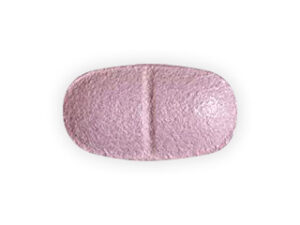

Feldene (Piroxicam) – Pain Relief for Inflammation
Feldene contains piroxicam, a medicine from the non-steroidal anti-inflammatory drug (NSAID) group. It is used to help relieve pain, swelling, and stiffness caused by a number of inflammatory conditions.
This guide is designed to be patient-friendly and UK-focused. It explains what Feldene is for, how it works, how it’s taken, and important safety considerations—especially around stomach, heart, blood pressure, and interactions with other medicines.
Quick Product Information
| Feature | Details |
|---|---|
| Medicine name | Feldene |
| Active ingredient | Piroxicam |
| Medicine type | NSAID (non-steroidal anti-inflammatory drug) |
| Common form | Tablets (strengths may vary by product presentation) |
| How it helps | Reduces inflammation and pain; helps stiffness in certain joint conditions |
| How long it takes to work | Some relief may be felt within hours; best effects often develop over days to weeks |
| Key safety themes | Stomach irritation/ulcers, bleeding risk, kidney effects, fluid retention, and heart/blood pressure risk |
How Feldene Works (Mechanism of Action)
Piroxicam works by blocking enzymes called cyclo-oxygenases (COX-1 and COX-2). These enzymes help make prostaglandins, substances involved in inflammation, pain signalling, and fever.
By reducing prostaglandins, Feldene can:
- Reduce inflammation in joints and soft tissues
- Ease pain associated with inflammation
- Lower stiffness, especially in chronic conditions
- Reduce swelling in some inflammatory flare-ups
Like other NSAIDs, piroxicam also affects prostaglandins that protect the stomach lining and support kidney blood flow. This is why careful safety monitoring is important.
Pharmacokinetics: How Your Body Handles Piroxicam
Understanding how piroxicam behaves in the body can help with proper timing and awareness of side effects.
Absorption
Piroxicam is absorbed after oral dosing. Food may not completely stop absorption, but it can affect the speed at which the medicine reaches peak levels.
Distribution
Piroxicam is highly protein-bound, meaning it attaches to blood proteins and circulates in the bloodstream accordingly.
Metabolism and Elimination
Piroxicam is metabolised by the liver and eliminated mainly through the kidneys (with some loss through other routes). It has a long half-life, which contributes to its sustained effect.
Because it stays in the body for a long time, missing a dose or changing dose schedules can have a longer “tail” than medicines with shorter action.
Typical Uses of Feldene in the UK
Feldene is used to treat symptoms caused by inflammatory conditions, particularly those affecting the joints and musculoskeletal system. Common indications may include:
- Rheumatoid arthritis (to help control pain, swelling, and stiffness)
- Osteoarthritis (symptomatic relief of joint pain and inflammation)
- Ankylosing spondylitis (pain and stiffness in the spine and large joints)
- Other painful inflammatory disorders where an NSAID is appropriate
Suitability depends on your medical history, current medicines, and risk factors (such as previous ulcers or heart/kidney disease).
Dosing: How Feldene is Commonly Taken
Dosing can vary between individuals and depends on the specific condition, response, and tolerability. For safety, always follow your healthcare professional’s instructions and the medicine label.
General guidance (do not exceed recommended maximums)
- NSAIDs are most effective when used at the lowest effective dose for the shortest possible duration.
- In many cases, piroxicam is taken as a once-daily dose because of its longer action.
- Some people may need dose adjustments if they are older or have kidney, liver, or stomach concerns.
When to take your dose
Piroxicam can be taken once daily. Choose a time that helps you remember it (for example, with a meal).
If you have been advised to take it at a specific time (for example, in relation to other medications), follow that schedule.
Timing and “When Will It Help?”
Many people notice some improvement within the first day or two, but full effect—particularly for chronic inflammatory diseases—may take longer.
- First relief: may begin within hours after taking the dose
- More consistent effect: often develops over days
- Condition control: may take several weeks depending on the diagnosis
If pain flares occur, it’s important not to “stack” NSAIDs or take extra doses without advice. Speak with a clinician if symptoms are not controlled or if side effects occur.
Food and Feldene: Interactions with Meals
Taking Feldene with food may help reduce stomach irritation for some people.
- With food: may be gentler on the stomach and can reduce nausea or indigestion.
- Without food: may increase the chance of stomach upset for some individuals.
If you experience heartburn, indigestion, or stomach pain after taking Feldene, consider taking it with a meal (unless your clinician advised otherwise) and discuss further options.
Alcohol and Medicine Interactions
Alcohol can increase the risk of stomach irritation and gastrointestinal bleeding when combined with NSAIDs. It may also worsen side effects such as dizziness and can affect how your body tolerates the medicine.
Practical advice:
- If you drink alcohol, keep it moderate and consider avoiding it around dosing, especially during the early days.
- Avoid heavy or frequent drinking while taking an NSAID.
- Seek urgent help if you notice signs of bleeding (see the “Safety profile” section).
Medicine Interactions: What to Watch For
Feldene (piroxicam) can interact with other medicines, sometimes increasing the risk of serious side effects. Always keep an up-to-date list of medicines and ask a healthcare professional or pharmacist to review it.
Common interaction categories
-
Other NSAIDs (including ibuprofen, naproxen, diclofenac, aspirin for pain):
Avoid combining unless specifically advised, as it can increase bleeding and ulcer risk. -
Blood thinners (such as warfarin) and antiplatelets (such as clopidogrel):
Higher risk of bleeding. -
Antihypertensives and medicines that affect the kidneys:
NSAIDs can reduce the effect of some blood pressure medicines and may stress kidney function, especially in vulnerable patients. -
Diuretics (water tablets):
Combined with NSAIDs, can raise the risk of kidney problems and affect fluid balance. -
Corticosteroids (such as prednisolone):
Increases gastrointestinal side effects. -
Selective serotonin reuptake inhibitors (SSRIs) (such as sertraline, fluoxetine) and other antidepressants that affect bleeding risk:
May increase risk of bleeding. -
Lithium and methotrexate (in certain regimens):
NSAIDs can raise levels and toxicity risk—monitoring is important. -
Digoxin:
May increase digoxin levels in some cases.
Over-the-counter considerations
Be careful with “pain relief combinations.” Many cold and flu remedies contain painkillers or anti-inflammatory ingredients. Check labels to avoid duplicate NSAIDs.
Safety Profile: Key Risks and When to Stop and Seek Help
Like all NSAIDs, Feldene can cause side effects. Some risks are more serious and require prompt action.
Common side effects
- Indigestion, heartburn, nausea
- Stomach pain or discomfort
- Headache or dizziness
- Fluid retention (swelling of ankles/feet in some people)
Serious warning signs – seek urgent medical attention
Stop taking Feldene and seek urgent medical advice if you experience:
- Signs of gastrointestinal bleeding (black/tarry stools, vomiting blood or material that looks like coffee grounds)
- Severe stomach pain or symptoms suggesting an ulcer
- Allergic reactions (swelling of face/lips, wheezing, severe rash)
- Chest pain, shortness of breath, weakness on one side (possible serious cardiovascular event)
- Sudden reduction in urine output or swelling with feeling unwell (possible kidney problems)
- Unexplained bruising or prolonged bleeding
- Yellowing of skin/eyes (possible liver issues)
Who needs extra caution?
Risk may be higher if you:
- Are older or have a history of stomach ulcers or gastrointestinal bleeding
- Have heart disease, a history of stroke, or high cardiovascular risk
- Have kidney disease or are prone to dehydration
- Have asthma that worsens with NSAIDs
- Take medicines that increase bleeding risk (blood thinners, corticosteroids, SSRIs)
Balancing benefits and risks
If you need long-term NSAID therapy, clinicians often consider the lowest effective dose and may recommend protective approaches for the stomach depending on your risk profile.
Practical Tips for Safe Use
- Use the lowest effective dose and don’t increase it without advice.
- Don’t take two NSAIDs together (for example, avoid combining Feldene with ibuprofen or diclofenac).
- Take with food if you get indigestion.
- Stay hydrated, especially if you’re unwell or have reduced fluid intake.
- Monitor blood pressure if you have hypertension—NSAIDs can affect fluid balance.
- Watch for early side effects (heartburn, stomach discomfort, unusual bruising). Stop and seek advice if symptoms are worrying.
- If you’re using Feldene long-term, discuss periodic reviews with a clinician, especially if you have kidney, stomach, or cardiovascular risk factors.
Alternative Options (Discuss with a Pharmacist or Clinician)
Depending on your condition and risk factors, alternatives may include other pain relief strategies:
Alternative medicines
- Other NSAIDs (different active ingredients) – but still carry NSAID class risks.
- Topical NSAIDs (for some local joint pain) – lower systemic exposure for certain conditions.
- Paracetamol – may help pain, though it doesn’t reduce inflammation like NSAIDs.
- Prescription options for specific inflammatory diseases (depending on diagnosis), which may include disease-modifying treatments and other specialist therapies.
Non-medicine approaches
- Exercise/physiotherapy and strengthening plans
- Heat/cold therapy for flare-ups
- Weight management (for osteoarthritis)
- Physician-guided lifestyle modifications and ergonomic changes
The best alternative depends on whether you mainly need relief from pain, stiffness, inflammation, or flare-up control.
UK Market and Legal Context (Overview)
In the UK, medicines containing NSAIDs like piroxicam are regulated under the Medicines Regulations and the supply arrangements used by UK pharmacies. Availability and wording on packaging can differ by manufacturer and presentation.
For online pharmacy supply, reputable suppliers follow UK rules on medicines handling, pharmacy professional oversight where required, and safe information-gathering to ensure the medicine is appropriate for the person ordering.
Because NSAIDs carry important risks, UK pharmacies often take account of:
- Age and past medical history (especially stomach ulcer/bleeding, kidney disease, heart disease)
- Current medicines and interaction risks
- Pregnancy status or plans to conceive (NSAIDs may be inappropriate in later pregnancy)
- Symptoms and indication
Recent Guidance and Safety Updates (General UK Context)
UK medicines and professional guidance commonly emphasise:
- NSAIDs should be used at the lowest effective dose for the shortest duration.
- Patients should be informed about gastrointestinal risk and cardiovascular risk.
- Careful review is needed in people with prior ulcers/bleeding, kidney risk, or heart disease.
- People should avoid taking multiple NSAIDs at the same time.
If you have specific questions about your personal risk or whether Feldene is appropriate for you now, consult a qualified healthcare professional.
Delivery, Availability, and What to Expect When Ordering Online (UK)
Availability of Feldene can vary by brand stock levels and presentation size. When ordering from a UK online pharmacy, you can generally expect:
- Transparent delivery estimates shown at checkout
- Packaging designed to protect tablets during transit
- Customer support if stock is delayed or if additional checks are required
Delivery times may depend on your location within the UK and courier schedules. If you need the medicine urgently, check the latest delivery options displayed during checkout.
Always store Feldene according to the instructions on the packaging and keep it out of reach of children.
FAQ About Feldene (Piroxicam)
1) What is Feldene used for?
Feldene (piroxicam) is an NSAID used to relieve pain and inflammation in conditions such as rheumatoid arthritis, osteoarthritis, and ankylosing spondylitis (depending on the approved indications for the product and individual suitability).
2) How quickly does it work?
Some pain relief may be noticed within hours. For many inflammatory joint conditions, the best improvement may take days to weeks.
3) Should I take Feldene with food?
Often it’s taken with food or after a meal to reduce the chance of stomach upset. If you experience indigestion, taking it with food can help.
4) Can I take ibuprofen or aspirin with Feldene?
Avoid taking another NSAID (including ibuprofen or diclofenac) at the same time unless you’ve been advised to do so. Aspirin for pain is also an NSAID-related combination that may increase bleeding and ulcer risk.
5) Can I drink alcohol while using Feldene?
It’s best to limit alcohol. Alcohol combined with NSAIDs can increase the risk of stomach irritation and bleeding.
6) What should I do if I miss a dose?
If you miss a dose, take it when you remember unless it’s close to your next dose. Do not take a double dose. If you’re unsure, ask a pharmacist for advice based on your schedule.
7) What are the most important side effects to watch for?
Seek urgent help for signs of bleeding (black/tarry stools, blood in vomit), severe stomach pain, allergic reactions (swelling/wheezing), chest pain, or signs of kidney problems (reduced urine output).
8) Who should not use piroxicam or should be extra cautious?
People with a history of NSAID-related stomach ulcers/bleeding, significant kidney problems, certain cardiovascular risk profiles, or NSAID-triggered asthma may need extra caution. Always check your personal risk with a healthcare professional.
9) Is Feldene suitable in pregnancy?
NSAIDs may be inappropriate in pregnancy, particularly later in pregnancy. If you are pregnant, trying to conceive, or breastfeeding, speak to a healthcare professional for advice.
10) What non-medicine options can help alongside Feldene?
For joint conditions, physiotherapy, strengthening exercises, weight management (if relevant), heat/cold therapy, and pacing activities can help reduce pain and stiffness and may reduce the need for higher medicine doses.
Important Note
This page provides general information about Feldene (piroxicam) and does not replace individual medical advice. If symptoms worsen, if you develop concerning side effects, or if you’re unsure whether Feldene is suitable with your current medicines, contact a pharmacist or healthcare professional promptly.