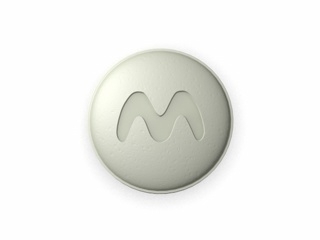
Mobic (Meloxicam) — Patient Information (UK)
Mobic contains meloxicam, a type of medicine known as a non-steroidal anti-inflammatory drug (NSAID). It is used to reduce pain, swelling and inflammation associated with certain long-term conditions, and sometimes short-term flare-ups.
This page explains how Mobic works, how it is used, important safety information, and answers frequently asked questions. Always follow the instructions given by your healthcare professional and read the patient information leaflet that comes with your medicine.
Basic product information
- Active ingredient: Meloxicam
- Medicine type: NSAID (anti-inflammatory pain relief)
- Common strength examples (varies by product): 7.5 mg and 15 mg tablets (ask your pharmacy for available strengths)
- How it works: Reduces inflammation and pain by affecting prostaglandins
- Typical route: Oral (tablets)
- Country context: Medicines are regulated in the UK by the MHRA, with guidance from bodies such as NICE and the BNF (British National Formulary)
What is meloxicam and how does Mobic work?
Mobic (meloxicam) belongs to the NSAID family. NSAIDs work by reducing the production of prostaglandins, naturally occurring chemicals in the body that contribute to pain, fever, and inflammation.
Meloxicam has preferential inhibition of COX-2 (cyclooxygenase-2) to a degree, helping to lower inflammatory prostaglandins while having comparatively less effect on COX-1. However, it is still an NSAID and can cause known NSAID side effects, particularly in people at higher risk.
Mechanism of action in simple terms
- Less prostaglandin production at sites of inflammation
- Reduced swelling and stiffness
- Reduced pain sensitivity
- Improved mobility in conditions like osteoarthritis and rheumatoid arthritis
Pharmacokinetics (how the body handles meloxicam)
Pharmacokinetics describes absorption, distribution, metabolism, and elimination. Understanding these helps explain timing and interactions.
- Absorption: Meloxicam is absorbed after oral use. Food generally does not substantially reduce overall absorption.
- Onset: Some pain relief may be noticed within hours, though full benefit can take several days.
- Peak levels (Tmax): Peak blood levels typically occur within a few to several hours after a dose (exact timing may vary by individual).
- Protein binding: It binds strongly to plasma proteins.
- Metabolism: Mainly processed by the liver into inactive metabolites.
- Elimination: Excreted largely as metabolites via urine and faeces.
- Half-life: The duration of action supports once-daily dosing for many people (depending on dose and regimen).
If you have liver or kidney problems, your healthcare professional may choose a different approach or closer monitoring, as NSAIDs can affect kidney function.
Typical use in the UK
Mobic is commonly used for inflammatory and painful conditions such as:
- Osteoarthritis (wear-and-tear arthritis), including pain and stiffness in affected joints
- Rheumatoid arthritis (inflammatory autoimmune arthritis)
- Ankylosing spondylitis (inflammation of the spine and large joints)
In practice, the goal is usually to control symptoms at the lowest effective dose for the shortest possible time. This is consistent with UK prescribing principles for NSAIDs due to potential risks.
How long can it be used?
Duration depends on the condition (long-term vs flare-up), your risk factors, and how you respond. Many people with arthritis may need ongoing treatment, while others use NSAIDs for intermittent periods.
When to take Mobic (timing and routine)
Mobic is typically taken , but your exact schedule may differ depending on your tablet strength and your healthcare plan. Try to take it at the same time each day to keep symptoms more consistent.
Practical timing tips
- Choose a time you can stick to: morning or evening is often fine.
- Take with food if it upsets your stomach: this may improve tolerance.
- Do not double up: if you miss a dose, follow the advice in your leaflet (generally do not take two doses close together).
- Monitor response: if pain relief is inadequate after several days, speak to a pharmacist or clinician—don’t increase dose without advice.
If your medicine has been prescribed as once daily, try not to take additional NSAIDs alongside it unless specifically advised.
Food interactions and taking with meals
Food can help reduce stomach discomfort. While meloxicam can be taken with or without food for many people, taking it is often recommended if you have a sensitive stomach.
What to consider
- Take with meals if you get indigestion or stomach pain.
- Avoid taking on an empty stomach if you have a history of gastric irritation.
- Maintain hydration—particularly if you are older or at risk of dehydration.
Alcohol and medicine interactions
Alcohol can increase the risk of stomach irritation and gastrointestinal bleeding when used with NSAIDs. Therefore, it’s advisable to limit alcohol while taking Mobic.
Alcohol safety (general guidance)
- Avoid heavy drinking.
- Use caution if you regularly drink more than the recommended limits.
- If you notice black, tarry stools, vomiting blood, or severe stomach pain, seek urgent medical help.
Always consider alcohol as part of your overall risk profile, especially if you also take medicines that affect blood clotting.
Medicine interactions to know about
NSAIDs can interact with other medicines by increasing bleeding risk, affecting kidney function, or altering drug levels. Inform your pharmacist or clinician about all medicines and supplements you use.
Common interaction categories
| Medicine / group | Why it matters | What to do |
|---|---|---|
| Other NSAIDs (e.g., ibuprofen, naproxen, aspirin for pain) | Increases risk of stomach ulcers/bleeding and kidney effects | Avoid unless specifically advised |
| Blood thinners (e.g., warfarin), antiplatelets (e.g., clopidogrel) | Higher risk of bleeding | Extra caution; may require monitoring |
| SSRIs/SNRIs for depression or anxiety (e.g., sertraline, citalopram, venlafaxine) | May increase bleeding risk when combined with NSAIDs | Discuss with your clinician if you have risk factors |
| Diuretics (e.g., furosemide), ACE inhibitors and ARBs (e.g., enalapril, lisinopril, losartan) | NSAIDs can reduce kidney protection; combined use may affect kidney function | Hydration and monitoring may be needed |
| Electrolyte/potassium-related medicines (e.g., potassium supplements) | Can affect potassium balance, especially if kidney function changes | Seek advice if you have kidney disease |
| Lithium | NSAIDs can increase lithium levels and toxicity risk | Monitoring may be required |
| Methotrexate | NSAIDs can increase methotrexate levels | Clinician guidance is essential |
| Other liver-metabolised medicines | May influence metabolism pathways | Check with a pharmacist if you have complex medication lists |
This is not a complete list. Your pharmacist can provide tailored interaction advice based on your medicines.
Indications (what Mobic is used for)
In the UK, meloxicam is used for conditions involving inflammation and pain such as:
- Osteoarthritis: relief of symptoms (pain and functional limitation)
- Rheumatoid arthritis: reduction of pain and inflammation; can help improve function
- Ankylosing spondylitis: symptom relief and improved mobility
Your healthcare professional will select whether Mobic is appropriate based on your diagnosis, overall health, and risk factors (such as previous stomach ulcers, kidney disease, or cardiovascular risk).
Dosing (how much and how often)
Dosing varies depending on the condition, severity of symptoms, and individual risk. Always use the dose stated on your packaging and in your medicine leaflet.
General dosing approach (UK practice)
- Lowest effective dose is usually preferred.
- Short-term use is preferred when possible.
- Once daily dosing is common for tablet formulations.
If you are unsure what dose you should take, check your label or ask your pharmacist. Do not take additional NSAIDs (including ibuprofen or naproxen) to “boost” effect.
Missed dose
If you miss a dose, take it when you remember unless it is close to the time for the next dose. In that case, skip the missed dose and continue as usual. Do not take double doses.
Safety profile and important warnings
Like all NSAIDs, Mobic can cause side effects. Most people tolerate it, but some effects can be serious. It’s important to understand both common and urgent symptoms.
Common side effects
- Indigestion, heartburn, stomach discomfort
- Nausea
- Mild dizziness
- Headache
- Fluid retention (swelling around ankles) in some people
Serious side effects — seek urgent help
Contact urgent medical services or seek emergency care if you experience:
- Signs of gastrointestinal bleeding: black, tarry stools; vomiting blood; severe or persistent stomach pain
- Breathing difficulties, facial/lip swelling, or widespread rash (possible allergy)
- Chest pain, sudden breathlessness, one-sided weakness, or slurred speech (possible cardiovascular event)
- Reduced urine output, swelling, or severe fatigue (possible kidney problems)
- Yellowing of skin/eyes (jaundice) or severe upper abdominal pain (possible liver issues)
Who should be extra cautious?
You should speak to a clinician or pharmacist before using Mobic if you:
- Have a history of stomach ulcers or gastrointestinal bleeding
- Have kidney disease or are at risk of dehydration
- Have heart disease or significant cardiovascular risk factors
- Have asthma that worsens with painkillers (NSAID-sensitive asthma)
- Are pregnant (especially later pregnancy) or planning pregnancy
- Are taking medicines that increase bleeding risk (e.g., anticoagulants)
Kidney and stomach risk — why it matters
NSAIDs can reduce protective prostaglandins in the kidneys and stomach lining. This may contribute to kidney function changes and gastrointestinal injury, especially with higher doses, longer use, older age, or additional risk factors.
Practical use tips (getting the best results safely)
- Use symptom tracking: note pain levels, stiffness, and mobility so you can judge whether Mobic is helping.
- Consider non-medicine approaches: gentle exercise, physiotherapy, weight management, and heat/cold can complement pain control.
- Take with food if needed: especially if you have a history of indigestion.
- Check your medicine list: avoid combining with other NSAIDs.
- Do not “stack” painkillers without guidance: combining multiple products can increase risk.
- Watch for red flags: stomach bleeding symptoms, allergic reactions, or reduced urine output should be taken seriously.
- Keep hydration up: particularly during hot weather or if you’re unwell with vomiting/diarrhoea.
If you have ongoing symptoms, speak to your pharmacist or clinician about the safest long-term plan.
Alternative options (if Mobic isn’t suitable)
Depending on your condition, health background, and risk factors, alternatives may include:
Other medicines
- Other NSAIDs (may be appropriate in some cases, but still carry similar class risks)
- Paracetamol may help mild pain, though it does not treat inflammation the same way as NSAIDs
- Topical NSAIDs (e.g., gels) can be useful for some joint pains with potentially lower systemic exposure
Non-medicine options
- Physiotherapy and targeted strengthening
- Exercise and mobility programmes
- Heat/cold therapy (varies by preference and condition)
- Weight management for osteoarthritis
- Assistive devices (e.g., braces, canes) when appropriate
For rheumatoid arthritis and ankylosing spondylitis, disease-specific treatments may be needed and should be discussed with a specialist.
UK market and legal context (what to expect)
In the UK, medicines containing meloxicam are authorised and regulated through the medicines licensing framework overseen by the MHRA. Prescribing and supply are governed by UK medicine regulations and professional standards.
Many people can access certain pain relief medicines through community pharmacies, but availability and supply arrangements vary. Your pharmacy will guide you on what is suitable and safe based on your history and the medicine’s status.
Recent guidance (UK overview)
UK clinical guidance generally emphasises:
- Using NSAIDs at the lowest effective dose
- Checking gastrointestinal and cardiovascular risk before and during NSAID therapy
- Avoiding combining NSAIDs
- Reviewing ongoing need rather than continuing automatically
- Considering stomach protection for people at higher gastrointestinal risk (this depends on individual factors and clinician judgement)
For arthritis care, UK recommendations often integrate medicine with lifestyle and supportive treatments to achieve long-term function and symptom control.
Delivery and availability (UK online pharmacy)
Online pharmacies in the UK may offer delivery of medicines to UK addresses depending on eligibility and medicine type. Availability can vary by strength, formulation, and stock levels.
What to check before ordering
- Strength and pack size: choose the correct option listed on the product page.
- Delivery area: confirm your postcode is supported.
- Prescription/pack requirements: follow the steps shown at checkout for any required information.
- Use-by date and storage: ensure you store tablets according to the leaflet and packaging instructions.
If you’re unsure which strength is right for you, a pharmacist can help you confirm the option you’re considering.
How to store Mobic
- Store in the original packaging to protect from light and moisture.
- Keep out of the sight and reach of children.
- Store at the temperature recommended on the pack (typically “room temperature” unless stated otherwise).
- Do not use after the expiry date shown on the carton and blister.
FAQ
1) What is Mobic used for?
Mobic (meloxicam) is used to relieve pain and inflammation in conditions such as osteoarthritis, rheumatoid arthritis, and ankylosing spondylitis.
2) How quickly does Mobic work?
Some symptom relief may occur within hours. For many people, noticeable improvement builds over a few days. If you don’t feel any benefit after a reasonable trial, speak to your pharmacist or healthcare professional rather than increasing the dose on your own.
3) Can I take Mobic with food?
Yes. Taking with food may reduce stomach upset. Many people find it easier on the stomach when taken with meals.
4) Can I drink alcohol while taking Mobic?
It’s best to limit alcohol. Alcohol can increase the risk of stomach irritation and bleeding when combined with NSAIDs.
5) Is it safe to take Mobic with other painkillers?
Avoid combining with other NSAIDs (like ibuprofen or naproxen) unless a clinician specifically advises it. You may be able to use paracetamol for pain relief, but it’s still important to check your total medication plan with a pharmacist.
6) Who should not take meloxicam?
People with certain risks may need to avoid NSAIDs or use them only under careful medical supervision (for example, a history of NSAID-related allergic reactions, serious stomach ulcer/bleeding history, or significant kidney disease). If you are unsure, ask a pharmacist before using Mobic.
7) What side effects are most common?
Common effects include indigestion/heartburn, nausea, and sometimes headache or dizziness. Stop and seek urgent help if you notice signs of serious bleeding, allergy, or severe kidney/cardiovascular symptoms.
8) What should I do if I miss a dose?
Take it when you remember unless it’s close to your next dose. Do not take two doses together. Follow the missed-dose guidance in your leaflet for your specific product.
9) Can Mobic affect my kidneys or stomach?
Yes. NSAIDs can affect kidney function and may cause stomach irritation, ulcers, or bleeding, particularly at higher doses, longer durations, older age, or in people with existing risk factors. Report warning signs promptly.
10) Does Mobic interact with other medicines?
It can. Tell your pharmacist about all medicines and supplements you take, especially blood thinners, corticosteroids, SSRIs/SNRIs, diuretics, ACE inhibitors/ARBs, lithium, and methotrexate. Interaction advice can help reduce risk.
11) Can I use Mobic during pregnancy?
NSAIDs are generally not recommended in later pregnancy and should be discussed with a clinician earlier in pregnancy. If you might be pregnant, seek advice before using Mobic.
12) When should I seek urgent medical attention?
Seek urgent medical help for symptoms such as black/tarry stools, vomiting blood, severe stomach pain, sudden shortness of breath, chest pain, facial swelling or breathing difficulty, or marked changes in urine output.
Summary
Mobic (meloxicam) is an NSAID used for inflammatory joint conditions including osteoarthritis, rheumatoid arthritis, and ankylosing spondylitis. It works by reducing prostaglandin-related inflammation and pain. While many people find it helpful, it can carry risks—especially for the stomach, kidneys, and cardiovascular system. Use the lowest effective dose, avoid combining with other NSAIDs, take with food if needed, and watch for urgent warning signs.