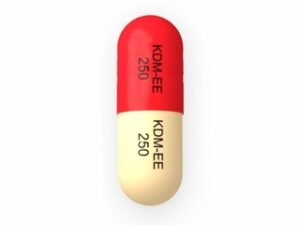
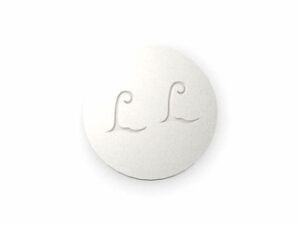
Minocin® (minocycline hydrochloride) – Patient Guide
Minocin is a brand of minocycline hydrochloride, an antibiotic belonging to the tetracycline group. It is used to treat a range of bacterial infections and, in some conditions, other inflammation-related problems where appropriate. This guide explains how Minocin works, how it is usually taken, common interactions, safety information, and practical tips to help you use it correctly.
Please note: individual dosing can vary depending on the infection being treated, age, kidney/liver function, and other medicines you may be taking. Always follow the instructions provided with your medicine.
Basic product information
| Item | Details |
|---|---|
| Generic name | Minocycline hydrochloride |
| Brand name | Minocin® |
| Drug class | Tetracycline antibiotic |
| Formulations | Commonly supplied as capsules/tablets depending on product availability |
| Typical route | Oral |
| How it’s used | Treatment of susceptible bacterial infections (and certain approved indications) |
How Minocin works (mechanism of action)
Minocycline is a tetracycline antibiotic that works by interfering with how bacteria make proteins. It binds to the bacterial ribosome, blocking the process that adds amino acids to growing protein chains. This stops bacterial growth and helps the immune system clear the infection.
The key point for patients: taking Minocin at the correct times and completing the course as instructed helps reduce the chance of treatment failure and antibiotic resistance.
Pharmacokinetics (how the body handles Minocin)
Absorption: Minocycline is absorbed from the gastrointestinal tract. Absorption can be reduced by certain foods and supplements that bind tetracyclines.
Distribution: After absorption, minocycline distributes into many tissues and body fluids, which contributes to its usefulness against susceptible organisms in different sites.
Metabolism and elimination: Minocycline is metabolised to some extent and is cleared from the body via multiple pathways, including the liver and kidneys. Your clinician may adjust choice of antibiotic based on liver/kidney status and the specific infection.
Time to effect: Some people may notice improvement within a couple of days, but this does not mean the infection is fully cleared. Finishing the planned course is important.
What Minocin is used for (typical use and indications)
Minocin is used for infections caused by bacteria that are susceptible to minocycline. It may be selected when a tetracycline antibiotic is appropriate due to the likely bacteria and the infection site.
In the UK, use depends on local clinical guidance and the licensed indication(s) for the specific product. Common infection categories where tetracyclines (including minocycline) may be considered include:
- Acne vulgaris (where appropriate and per clinician assessment)
- Respiratory infections caused by susceptible organisms
- Skin and soft tissue infections caused by susceptible organisms
- Some sexually transmitted or related infections where minocycline is considered appropriate based on susceptibility and guidance
- Other susceptible bacterial infections as determined by healthcare professionals
If you are taking Minocin for acne or another non-infection condition, the aim may be reducing inflammation and bacteria associated with acne rather than treating a widespread infection. Your clinician will provide a tailored plan.
How to take Minocin (timing and dosing principles)
Always take Minocin exactly as advised on your medicine instructions. Dose schedules can differ by indication and the severity of the condition.
Typical dosing schedule (general information)
In many adult regimens, minocycline is taken one or more times daily. Some courses may begin with a higher starting dose, then continue at a lower maintenance dose. Your clinician will specify your schedule.
Important: do not change your dose or stop early without medical advice.
When to take it
- Try to take it at consistent times each day.
- If your schedule is once daily, take it at the same time daily.
- If your schedule is more frequent, space doses evenly to maintain steadier levels.
How to take it
- Swallow tablets/capsules with a full glass of water.
- Remain upright for at least 30 minutes after taking (helps reduce the chance of irritation/esophageal discomfort).
- If you miss a dose, take it when you remember unless it is near the time for the next dose. Do not take a double dose.
Food interactions and what to avoid
Many tetracyclines are less well absorbed when taken with certain minerals. Minocycline can be affected by food and supplements that bind to the medication.
Foods and drinks that can interfere
- Dairy products (milk, yoghurt, cheese) and calcium-rich foods may reduce absorption for some tetracyclines.
- Mineral supplements containing calcium, magnesium, aluminium, or iron can bind minocycline.
- Antacids and some products for indigestion that contain aluminium or magnesium can reduce absorption.
Practical guidance
- Consider taking Minocin with water, and separating from dairy/antacids by a few hours if you notice gastrointestinal upset or reduced effect.
- Check with a pharmacist if you use regular supplements (for example, iron or calcium), so timing can be planned safely.
Alcohol interactions
Minocycline may cause side effects such as dizziness, headache, or stomach upset in some people. Alcohol can worsen these effects for some individuals.
There is no single rule that applies to everyone, but as a safety measure:
- It is generally advisable to avoid heavy alcohol intake while taking Minocin.
- If you choose to drink, keep to small amounts and monitor how you feel.
- Stop alcohol and seek urgent advice if you experience severe dizziness, fainting, vomiting that will not stop, or signs of an allergic reaction.
Other medicine interactions
Minocycline can interact with certain medicines, mainly by affecting absorption, metabolism, or side-effect risk. Always tell your pharmacist or clinician about all medicines you take, including herbal remedies and over-the-counter products.
Medicines/supplements that may reduce absorption
- Iron supplements (including ferrous salts)
- Calcium and magnesium supplements
- Antacids containing aluminium or magnesium
- Multivitamins with minerals
- Some products containing zinc
Separation may help, but the exact timing should be confirmed with your pharmacist—especially if you take these medicines at fixed times.
Medicines that may increase side-effect risk
- Isotretinoin (for acne): combining may increase risk of severe headaches or raised pressure symptoms in some cases.
- Warfarin (anticoagulant): antibiotic use can alter clotting control in some people—monitoring may be needed.
- Retinoids or other acne medicines: discuss combined plans with your clinician.
- Other antibiotics or medicines affecting the gut microbiome: interaction depends on the exact regimen.
Hormonal contraception
Most antibiotics do not reliably reduce the effectiveness of hormonal contraception. However, if you experience vomiting or severe diarrhoea, contraception may be less reliable. If this happens, consider additional protection (for example, condoms) and seek advice from a pharmacist.
Safety profile and side effects
Like all medicines, Minocin can cause side effects. Many people experience mild, temporary effects, but some effects require urgent medical attention.
Common side effects
- Nausea, stomach upset
- Diarrhoea (usually mild)
- Headache
- Dizziness or light-headedness
- Skin sensitivity to sunlight (photosensitivity)
- Vaginal yeast infection in some people after antibiotics
Skin and sun sensitivity
Minocycline can make your skin more sensitive to sunlight. Use sun protection:
- Wear protective clothing
- Use a broad-spectrum sunscreen
- Avoid prolonged direct sun or tanning beds
Less common but serious side effects (seek urgent advice)
- Severe or persistent diarrhoea, especially watery or bloody stools (could indicate a serious bowel condition).
- Allergic reaction: swelling of face/lips, rash with breathing difficulty, wheezing.
- Severe dizziness, fainting, confusion, or new neurologic symptoms.
- Signs of liver problems: yellowing of the skin/eyes, dark urine, severe fatigue, persistent upper abdominal pain.
- Skin reactions such as widespread rash, blistering, or peeling.
- Unusual bruising or bleeding (seek medical advice promptly).
If you have any symptoms that concern you, contact a healthcare professional urgently. In an emergency, call local emergency services.
Who should use extra caution
- Liver disease or significant liver impairment
- Kidney impairment (dose choice may be adjusted by clinicians)
- History of severe drug allergies
- Conditions causing sensitivity to sunlight
- Concurrent medicines that interact with tetracyclines
Practical tips for using Minocin
- Finish the course unless you are told to stop. Stopping early can allow infection to return.
- Stay hydrated and take with a full glass of water.
- Manage sun exposure to reduce rash or burning.
- Watch your stomach: take note of severe diarrhoea or persistent vomiting.
- Keep a list of your medicines (including supplements) and share it with your pharmacist to check interactions.
- If taking for acne, improvement often takes time—use as directed and attend follow-ups if required.
Alternative options
Alternatives depend heavily on the condition being treated, the likely bacteria, and your medical history and previous antibiotic use. If Minocin is not suitable, clinicians may consider other options such as:
- Other tetracyclines (e.g., doxycycline) for acne or susceptible infections
- Macrolide antibiotics in selected cases
- Penicillins or cephalosporins depending on susceptibility
- Topical treatments for acne (for mild cases or alongside antibiotics)
Your clinician/pharmacist can advise which alternative is most appropriate if Minocin is unsuitable due to allergy, interactions, side effects, or resistance patterns.
UK market and legal context (high-level)
In the United Kingdom, antibiotics are regulated medicines and are supplied in line with UK medicines legislation and prescribing/dispensing regulations. Many antibiotic products are available to patients only through appropriate clinical assessment and supply channels.
Online pharmacy services in the UK must operate within relevant regulatory requirements, including checks for suitability, safety screening, and lawful supply. Where a medicine requires clinical assessment, appropriate processes are used to ensure safe use and correct selection of therapy.
Recent guidance and antimicrobial stewardship (what matters for patients)
In the UK, antimicrobial stewardship aims to use antibiotics only when needed, choose the most appropriate option, and avoid unnecessary prescribing. This helps protect both individual patients (reducing side effects and complications) and the wider community (reducing antibiotic resistance).
If you’ve been advised to take Minocin, the guidance generally supports:
- Taking it for the correct duration as directed
- Not using leftover antibiotics or sharing antibiotics
- Reporting side effects promptly
- Seeking reassessment if symptoms worsen or do not improve as expected
Delivery, availability, and what to expect
Minocin availability can vary by formulation and strength due to supply logistics and pharmacy stock. When ordering from an online pharmacy, you can expect:
- Secure packaging to protect the medicine during transit
- Clear delivery estimates shown at checkout where available
- Product information included with your dispensed supply
- Customer support if you have questions about how to take your medicine or check interactions
If you need urgent treatment, check delivery timing with the pharmacy before ordering. If your symptoms are severe (for example, high fever with worsening pain or breathing difficulties), seek urgent medical care rather than waiting for delivery.
FAQ about Minocin
1) How long does it take for Minocin to work?
Many people start to feel improvement within a few days, depending on the condition. However, infections and acne take time to resolve fully. Continue taking Minocin for the full duration advised.
2) Can I take Minocin with food?
Minocycline can usually be taken with or without food, but food can affect absorption for some people—especially if your meal includes dairy or minerals. If you feel your medicine isn’t settling well, taking it with a light meal may help; ask your pharmacist for the best approach for your schedule and other medicines.
3) Do I need to avoid sunlight while taking Minocin?
Yes, Minocin can make your skin more sensitive to sunlight. Use sun protection (SPF, clothing) and avoid tanning beds.
4) What if I miss a dose?
Take it as soon as you remember unless it is close to your next dose. Do not take two doses at once. If you’re unsure, contact a pharmacist for advice.
5) Can I drink alcohol while on Minocin?
Moderate alcohol may not be strictly prohibited for everyone, but it can worsen side effects like stomach upset or dizziness. Avoid heavy drinking and stop if you feel unwell. Seek advice if you develop severe symptoms.
6) Will Minocin interact with vitamins or supplements?
Mineral supplements containing iron, calcium, magnesium, zinc, or antacids can bind tetracyclines and reduce absorption. Separate doses where appropriate and discuss timing with a pharmacist, especially if you take supplements daily.
7) Are there long-term risks with Minocin?
Some side effects are more likely with longer use, and individual risk varies. If you are using Minocin for a longer course (for example, acne), attend reviews as recommended and report new symptoms promptly.
8) What symptoms mean I should stop and get urgent help?
Seek urgent advice if you develop signs of allergy (swelling, breathing trouble), severe rash/blistering, severe or bloody diarrhoea, symptoms of liver problems (yellow skin/eyes), or severe dizziness/confusion.
9) What are the common “do’s and don’ts”?
- Do: take with a full glass of water; remain upright after swallowing; use sun protection; complete the planned course.
- Don’t: take it with mineral supplements/antacids at the same time; share antibiotics; stop early without advice.
10) What should I do if my infection doesn’t improve?
If symptoms do not improve within the expected timeframe, or if they worsen, contact a healthcare professional. This may indicate resistance, incorrect diagnosis, or complications requiring different treatment.
Summary
Minocin (minocycline hydrochloride) is a tetracycline antibiotic used for certain bacterial infections and, in some situations, acne and other conditions where it is appropriate. It works by blocking bacterial protein production. Absorption can be affected by minerals and certain foods, and sun sensitivity is a common concern. If you follow the timing instructions, avoid known interaction triggers, and seek help promptly for serious side effects, you can use Minocin more safely and effectively.