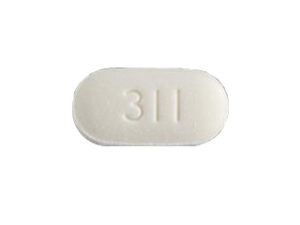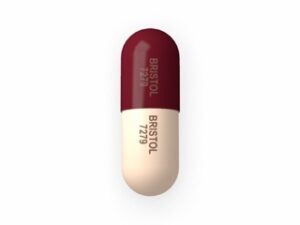
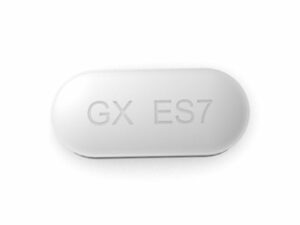
Vibramycin (Doxycycline) – Patient-Friendly Information (United Kingdom)
Vibramycin is a brand name of doxycycline, an antibiotic from the tetracycline group. It is commonly used to treat a range of bacterial infections and, in some situations, specific skin conditions. This guide explains how Vibramycin works, what it’s used for, how to take it, and important safety information.
Note: Medicines may differ by product strength and formulation. Always check the pack for the exact strength, and follow the directions given with your supply.
At a Glance
- Active ingredient: Doxycycline
- Medicine type: Antibiotic (tetracycline)
- Common reasons for use: Certain bacterial infections; some skin conditions (e.g., acne where appropriate)
- How it’s taken: Usually by mouth (tablets/capsules or dispersible forms depending on product)
- Typical schedule: Often once or twice daily depending on the indication
- Key safety points: Sun sensitivity, interactions with minerals, and care in pregnancy/young children
Basic Product Information
| Feature | Details |
|---|---|
| Brand name | Vibramycin |
| Generic name | Doxycycline |
| Drug class | Tetracycline antibiotic |
| Route | Oral (tablets/capsules; some products may be dispersible) |
| Strengths | Commonly 50 mg, 100 mg (varies by product) |
| Availability | Widely available in the UK through pharmacies (formulation/stock may vary) |
How Vibramycin Works (Mechanism of Action)
Doxycycline works by interfering with how bacteria build essential proteins. It binds to the bacterial ribosome and helps stop protein synthesis, which inhibits bacterial growth and can kill susceptible bacteria. In clinical terms, doxycycline is described as bacteriostatic for many organisms (it mainly stops growth), though effects can be bactericidal at appropriate concentrations and with susceptible bacteria.
Why it’s important to take it correctly
Antibiotics work best when blood levels stay within the effective range for the planned duration. Missing doses or stopping early can allow surviving bacteria to regrow and contribute to resistance.
Pharmacokinetics (How the Body Handles Doxycycline)
Understanding how doxycycline behaves in the body can help you time doses and avoid interactions. Below is a patient-friendly overview of key pharmacokinetic points.
- Absorption: Doxycycline is absorbed after oral administration. Absorption can be reduced by certain minerals.
- Food effects: Taking doxycycline with food may reduce stomach upset for many people, but it may not be ideal with very heavy meals in some cases. (See the “Food interactions” section below.)
- Distribution: It distributes into many tissues, which is one reason it can be useful for various infection sites.
- Metabolism: Doxycycline is metabolised to some extent, though a portion is eliminated unchanged.
- Elimination: It is cleared via both liver and kidneys. This can be relevant if you have kidney or liver problems.
- Half-life: Doxycycline has a relatively long half-life, supporting once- or twice-daily dosing schedules depending on the condition.
Typical Uses in the UK
Vibramycin (doxycycline) is used to treat a range of bacterial infections and may be chosen where the likely bacteria are susceptible and doxycycline is appropriate.
Common indications may include:
- Some respiratory tract infections caused by susceptible bacteria
- Skin infections in selected cases
- Acne (in certain scenarios and under guidance, especially where bacterial contribution is considered)
- Sexually transmitted infections caused by susceptible organisms, where doxycycline is an option (depending on local guidance and the specific infection)
- Some tick-borne infections where doxycycline is recommended by clinical guidance
- Other infections where doxycycline is an appropriate choice based on local microbial resistance patterns
The exact suitability depends on the specific diagnosis, local antimicrobial advice, and your medical history. Always use doxycycline as directed for your situation.
When to Take Vibramycin (Timing & Missed Doses)
Timing helps maintain consistent antibiotic levels in your body. Doxycycline regimens differ by indication, so the directions on your pack or accompanying information are important.
Typical timing tips
- If once daily: take it at about the same time each day.
- If twice daily: space doses evenly (for example, morning and evening).
- Stay upright: take with a full glass of water and remain upright for at least 30 minutes to reduce the risk of irritation/esophageal discomfort.
- Complete the course: even if you feel better, finish the planned duration unless advised otherwise.
What if you miss a dose?
- If you remember soon, take it when you can.
- If it’s close to the next dose, skip the missed dose and resume your schedule.
- Do not take a double dose to make up for a missed one.
Food Interactions
Doxycycline absorption can be affected by certain substances in the stomach and gut. You can often take it with food if it upsets your stomach, but be mindful of mineral interactions.
Food and drink considerations
- Milk and dairy: may reduce absorption in some people due to calcium content. If you’re prone to stomach upset, taking with a meal may help, but avoid taking it together with a large dairy drink (e.g., a full glass of milk).
- High-calcium foods: large servings right with your tablet may reduce effectiveness for some individuals.
- Iron, zinc, magnesium: can significantly reduce absorption—see the “Medicine interactions” section.
- Take with water: a full glass of water is usually recommended.
Practical approach
If doxycycline upsets your stomach, try taking it with a light meal. Keep mineral supplements or antacids separated from your doxycycline dose by several hours (see below).
Alcohol and Medicine Interactions
Most people can drink alcohol while taking doxycycline, but it’s best to avoid heavy or frequent drinking during treatment. Alcohol may increase stomach irritation and can affect your ability to maintain good hydration.
Alcohol
- Moderation: occasional small amounts are usually tolerated by many people.
- Avoid binge drinking: higher alcohol intake can increase risk of nausea, reflux, and dehydration.
- Seek advice: if you have liver disease, a history of alcohol misuse, or you feel unwell, discuss with a healthcare professional.
Common medicine interactions
Some medicines and supplements can interfere with doxycycline absorption or increase side effects. Inform your pharmacist/clinician about all medicines you take, including over-the-counter products.
- Antacids containing aluminium/magnesium and sucralfate: can reduce absorption. Separate doses by several hours where possible.
- Iron, zinc, calcium, magnesium supplements: reduce doxycycline absorption—avoid taking them close together.
- Isotretinoin (for acne): combining can increase the risk of certain rare side effects related to pressure in the skull. Avoid uncoordinated use.
- Warfarin and other anticoagulants: antibiotics can affect clotting control in some people; monitoring may be needed.
- Oral contraceptives (combined pills): while doxycycline is not the classic inducer of contraceptive failure, gastrointestinal upset (vomiting/diarrhoea) can reduce effectiveness. If you have significant stomach disturbance, follow contraceptive advice (e.g., barrier methods for a period).
- Phenobarbital, phenytoin, carbamazepine (enzyme inducers): may reduce doxycycline levels.
- Retinoids and other medicines affecting skin pressure: discuss if relevant.
Dosing Guidance (General Information)
Doxycycline doses can vary by indication, severity, and local protocols. The following information is provided as general guidance to help you understand typical regimens. Always follow your specific pack directions.
Typical adult dosing patterns
- Many infections: often around 100 mg once or twice daily depending on the condition and clinical judgement.
- Some courses may start with a higher dose, then continue at a maintenance dose.
- Course length: varies widely—some conditions require short courses, others longer durations.
Children and special groups
Doxycycline use in children depends on age, weight, and the clinical situation. Your supply information will state the appropriate use for your group. In general, tetracyclines are treated with extra caution in younger children.
How to take the tablets/capsules
- Swallow whole with a full glass of water (unless your product directions state otherwise).
- Stay upright for at least 30 minutes after taking it.
- Do not crush unless your specific formulation is designed for it.
Safety Profile & Side Effects
Like all medicines, Vibramycin (doxycycline) can cause side effects. Many are mild and manageable, but some require urgent medical attention.
Common side effects
- Nausea or indigestion
- Stomach upset
- Diarrhoea
- Headache
- Skin rash (can occur)
- Vaginal yeast symptoms (in some people)
Important and potentially serious side effects
- Severe allergic reaction (anaphylaxis): swelling of face/lips, difficulty breathing, severe rash. Get urgent help.
- Severe skin reactions: blistering rash, peeling skin, mouth ulcers, fever, or widespread rash. Seek urgent medical attention.
- Persistent or severe diarrhoea: especially if watery or bloody; this may indicate inflammation of the bowel. Contact a healthcare professional promptly.
- Sun sensitivity (photosensitivity): rash or burning with sunlight; protect skin (see below).
- Difficulty swallowing or chest pain: can indicate irritation of the oesophagus—stop and seek advice if this happens.
- Symptoms of raised pressure in the skull: severe or persistent headache, visual changes, or vomiting. Seek urgent medical advice, particularly if symptoms are new or worsening.
- Yellowing of skin/eyes or dark urine (rare): possible liver effects—seek medical advice.
Sun protection (photosensitivity)
Doxycycline can make your skin more sensitive to sunlight and UV light. To reduce risk:
- Avoid strong sun and tanning beds.
- Use a broad-spectrum sunscreen (SPF 30+), wear protective clothing, and consider a hat.
- If you develop a rash after sun exposure, stop sun exposure and contact a healthcare professional.
Practical Use Tips for Safer, More Comfortable Treatment
- Hydration: drink water regularly, particularly if you’re experiencing nausea.
- Oral comfort: take with water and stay upright to minimise oesophageal irritation.
- Medication spacing: keep mineral supplements (iron, zinc, magnesium, calcium) separate from doxycycline.
- Track your course: set reminders to complete all doses as directed.
- Watch for allergy: if you’ve previously reacted to tetracyclines, do not ignore symptoms.
- Consider probiotics only if suitable: some people use them during antibiotic courses; ask a pharmacist if you have immune issues or severe GI symptoms.
Handling Missed Doses and Course Completion
If your course is interrupted or you consistently miss doses, the infection may return or fail to clear. If you’re struggling with side effects that make it hard to continue, contact a pharmacist or clinician promptly.
Alternative Options
Alternative treatments depend on the infection type, severity, and local antimicrobial resistance. Common alternatives to doxycycline may include other antibiotics or, for certain skin conditions, other therapies.
Examples of alternatives that may be considered (varies by condition):
- Other tetracyclines (in selected cases)
- Macrolides (e.g., for some respiratory infections depending on susceptibility)
- Penicillins or cephalosporins (when appropriate)
- For acne: topical treatments (e.g., benzoyl peroxide) or other oral options depending on severity
Your pharmacist can help explain why doxycycline may have been selected and what to discuss if it’s not suitable for you.
United Kingdom Context: Availability, Guidance, and Legal/Market Considerations
In the UK, antibiotic use is supported by antimicrobial stewardship principles to reduce resistance. Guidance and recommendations can vary by indication and local commissioning/infectious disease advice.
- Antibiotic stewardship: NHS and professional guidance encourage using antibiotics only when needed and selecting appropriate agents based on likely pathogens.
- Local resistance patterns: choice of antibiotic may depend on regional susceptibility data.
- Safety monitoring: patients are advised to report adverse effects and seek help for severe reactions.
- Quality and supply: medicines should be obtained through legitimate channels to ensure correct sourcing and packaging.
“Recent guidance” note (high-level)
Over recent years, UK antimicrobial guidance has consistently emphasised: appropriate indications, correct duration, and avoiding unnecessary antibiotic use. For conditions where doxycycline has a specific role (e.g., certain infections), local clinical pathways may update dosing or duration based on new evidence. For the latest, consult your healthcare professional or trusted NHS resources.
Delivery and Availability (Online Pharmacy Information)
Vibramycin (doxycycline) availability may vary by strength and formulation. Delivery times depend on stock, couriers, and your location within the UK.
What to expect
- Packaging: medicines are typically supplied in original packaging with patient information included.
- Tracking: some deliveries include tracking updates.
- Cold chain: doxycycline tablets/capsules generally do not require refrigeration (unless your specific product instructions state otherwise).
- Storage: keep in a cool, dry place away from children; follow the pack’s storage instructions.
Who Should Take Extra Care?
Some circumstances require extra caution or advice before using doxycycline. If any apply to you, speak to a healthcare professional or pharmacist.
- Pregnancy or breastfeeding: doxycycline is generally avoided unless specifically advised, due to potential effects on developing teeth/bone.
- Children: tetracyclines are treated with caution in young children; suitability depends on age and condition.
- Liver problems: may require dose adjustments or close monitoring.
- Kidney problems: doxycycline is partly cleared via kidneys but is often still used with care; advice may be needed.
- History of severe allergies to tetracyclines: do not use without appropriate medical advice.
- Rashes with prior tetracyclines: report immediately if symptoms recur.
- Oesophageal disease: individuals prone to reflux or swallowing difficulties should take extra care with upright posture and water volume.
Frequently Asked Questions (FAQ)
1) How long does Vibramycin (doxycycline) take to work?
Many people begin to feel improvement within 24–72 hours, depending on the infection. However, infections may take longer to fully resolve, and completing the full course is important even if symptoms improve early.
2) Can I take Vibramycin with food?
Often yes. Taking doxycycline with a meal may reduce stomach upset. For best absorption, avoid taking it at the same time as large amounts of dairy or mineral supplements. If your pack states otherwise, follow the product instructions.
3) Should I avoid milk?
Small amounts of dairy with meals may be tolerated, but avoid taking doxycycline together with a full glass of milk or a very calcium-rich drink. If you notice reduced tolerance or reduced effectiveness, separate doxycycline from dairy and discuss with a pharmacist.
4) What should I avoid while taking doxycycline?
- Strong sunlight—use sunscreen and protective clothing.
- Antacids and supplements containing aluminium/magnesium and minerals like iron, zinc, calcium and magnesium close to your dose.
- Uncoordinated use with other medicines that may interact (e.g., anticoagulants or certain acne medicines).
- Do not ignore severe rash, breathing problems, or persistent severe diarrhoea.
5) Can I drink alcohol?
Moderate alcohol is usually tolerated, but avoid heavy drinking during treatment. Alcohol may worsen nausea or reflux and can affect adherence. If you have liver disease or feel unwell, seek advice.
6) Is Vibramycin suitable for everyone?
No. It may not be suitable for everyone, especially during pregnancy and for young children, or for people with certain allergies or medical conditions. If you’re unsure, ask a pharmacist for guidance based on your health profile.
7) What if I get diarrhoea while on doxycycline?
Mild stomach upset can happen. However, contact a healthcare professional promptly if diarrhoea is severe, persistent, watery, or contains blood, or if you feel feverish or very unwell.
8) Can Vibramycin cause skin sensitivity to sunlight?
Yes. Doxycycline may make your skin more sensitive to UV light, increasing the risk of sunburn or rash. Use sun protection measures during treatment and shortly after finishing, especially if your course is longer.
9) Can I use it for acne?
Doxycycline may be used for acne in some cases, particularly when a bacterial/inflammatory component is considered. Treatment plans often include additional measures such as topical therapies and duration limits. Discuss suitability and expectations with a healthcare professional.
10) What should I do if I experience a serious side effect?
Stop taking the medicine and seek urgent medical attention if you have symptoms of severe allergy (e.g., swelling or breathing difficulty), severe rash/blistering, severe persistent diarrhoea, or signs of serious illness such as severe headache with visual changes.
Summary
Vibramycin (doxycycline) is a tetracycline antibiotic used for certain bacterial infections and, in selected circumstances, specific skin conditions. It works by stopping bacteria from making proteins, helping your body clear infection. For best results and safety, take it at the right times, use a full glass of water, remain upright after swallowing, protect your skin from sunlight, and avoid interactions with minerals and certain medicines.
If you have any questions about taking Vibramycin safely—especially if you have other medical conditions or take other medicines— speak to a pharmacist for advice.