
Endep (Amitriptyline) — Patient Information (UK)
Endep is a medicine containing amitriptyline, a well-established medicine in the class of tricyclic antidepressants (TCAs). In the UK, Endep is used for conditions beyond depression, including chronic pain and certain sleep-related difficulties, depending on your individual treatment plan.
This guide is designed to be patient-friendly and easy to read. It explains how Endep works, how it is typically taken, what to watch for, and where to get further help.
Key product details
| Feature | What to know |
|---|---|
| Active ingredient | Amitriptyline |
| Medicinal class | Tricyclic antidepressant (TCA) |
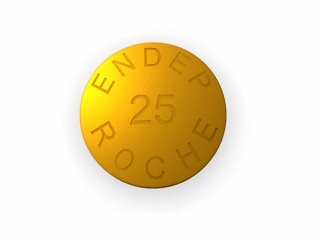
| Common forms | Tablets (strengths vary by product) |
| Typical dosing approach | Often started low and increased gradually to reduce side effects |
| Common timing | Often taken in the evening or at bedtime |
| Medicinal uses | Depression and certain long-term pain conditions; may help with sleep in some patients |
How Endep works (mechanism of action)
Amitriptyline affects chemical messengers in the brain and nervous system, particularly serotonin and noradrenaline. It also has effects on other receptors, including those involved in pain signalling and sleep regulation.
In simple terms, Endep may:
- Improve mood by increasing the availability of serotonin and noradrenaline in brain pathways.
- Reduce chronic pain by influencing how pain signals are processed in the nervous system.
- Help sleep in some people, partly due to its sedating (sleep-promoting) effects.
Because Endep has multiple actions, it may help some conditions even when the dose is too low to treat depression fully—particularly in chronic pain syndromes.
Pharmacokinetics (how the body handles Endep)
Understanding how your body absorbs and processes amitriptyline can help explain dosing and side effects.
- Absorption: Amitriptyline is absorbed after taking a tablet. Food may slightly affect how quickly it is absorbed, but overall absorption is generally not dramatically changed.
- Distribution: It spreads into body tissues and can cross into the brain.
- Metabolism: The liver metabolises amitriptyline (primarily via CYP enzymes). A major metabolite is nortriptyline, which can also contribute to effects.
- Elimination: The drug and its metabolites are mainly removed through the kidneys.
- Half-life (general idea): Amitriptyline and its metabolite can last in the body for a prolonged period, which is one reason clinicians often use once-daily dosing (often evening).
Practical implication: Changes in dose can take time to show full benefit, and side effects may also evolve over several days to weeks.
Typical uses in the UK
Endep is used for a range of conditions. Your healthcare professional will choose an approach based on your symptoms, medical history, and other medications.
Common indications (examples)
- Depression (especially when a TCA is appropriate).
- Neuropathic pain, such as nerve pain conditions where chronic symptoms persist.
- Chronic pain syndromes in selected patients, including pain with a long-lasting or nerve-related component.
- Sleep difficulties may improve as a secondary benefit in some people, particularly if the medicine is taken in the evening.
Not everyone is suitable for Endep. Your clinician will weigh potential benefits against risks, especially if you have heart rhythm issues, other significant medical conditions, or take medicines that interact.
When to take Endep and how to time doses
Timing is important with amitriptyline because it can cause sleepiness and impaired concentration.
- Often taken in the evening or at bedtime to reduce daytime drowsiness.
- Follow your prescriber’s schedule closely (including any gradual dose increases).
- Consistency helps: try to take it around the same time each day.
Missed dose: If you miss a dose, take it when you remember unless it is close to your next dose. Do not take double doses to make up for a missed tablet. If you’re unsure, speak to your pharmacist.
Food interactions: can you take Endep with meals?
Endep can generally be taken with or without food. However, some patients find that taking it after a light meal reduces nausea.
- With food: may improve stomach comfort for some people.
- Without food: may still be fine, but if you experience nausea or indigestion, food may help.
Grapefruit: While no single food is universally banned, it is best to discuss dietary supplements or foods known to affect liver enzymes with your pharmacist.
Alcohol and medicine interactions
Alcohol
Do not drink alcohol or keep alcohol to an absolute minimum while taking Endep. Alcohol can increase:
- Drowsiness
- Impaired coordination
- Risk of accidents
- Depression of breathing in vulnerable individuals
If you have questions about what “safe” means for you personally, speak to your pharmacist or GP.
Other medicines (important interactions)
Amitriptyline can interact with other medicines that affect serotonin levels, drug metabolism, sedation, or heart rhythm.
Particular caution is needed with:
- Other antidepressants (especially SSRIs, SNRIs, MAO inhibitors, and certain other TCAs).
- Medicines that raise serotonin (risk of serotonin syndrome).
- Strong sedatives (e.g., benzodiazepines, opioid pain medicines, some antihistamines), which can increase drowsiness and falls.
- Medicines that affect heart rhythm or prolong the QT interval.
- Medicines that affect liver enzymes (can raise amitriptyline levels—sometimes causing more side effects).
Always tell your doctor and pharmacist about:
- All prescribed medicines
- Medicines bought over-the-counter
- Herbal products (such as St John’s wort)
- Any recreational substances
If you start or stop another medicine, ask whether Endep dosing or monitoring needs to change.
Dose guidance (what is typical?)
Dosing with Endep is highly individual. It generally follows a “start low and go slow” approach to reduce side effects. Your clinician will choose a dose based on the condition being treated, your age, other medical problems, and how you respond.
General principles
- Start low: particularly in older adults or if you are sensitive to side effects.
- Gradual titration: dose may be increased over days to weeks.
- Evening dosing is common: to manage drowsiness.
- Long-term therapy: benefits may require several weeks; stopping suddenly may lead to withdrawal symptoms or symptom return.
How long until it works?
Response time can vary by condition:
- Depression: antidepressant benefits often take several weeks.
- Chronic pain: some people notice changes within 1–2 weeks, while others may take longer.
- Sleep: sedation may be noticeable early, but sleep quality changes can evolve over time.
If you feel worse, extremely drowsy, or have concerning symptoms, seek advice promptly.
Safety profile: common and serious side effects
Like all medicines, Endep can cause side effects. Many are dose-related and may lessen as your body adjusts. However, some effects require urgent attention.
Common side effects
- Drowsiness or tiredness
- Dizziness, especially when standing up quickly
- Dry mouth
- Constipation
- Nausea
- Blurred vision
- Increased appetite or weight gain in some people
- Headache
- Sweating
- Tremor in some individuals
Less common but important risks
- Heart rhythm problems: Amitriptyline can affect electrical activity in the heart in some people. Caution is needed in those with existing heart disease or risk factors.
- Falls: due to sedation or low blood pressure, particularly in older adults.
- Urinary retention (trouble passing urine), especially in people with prostate enlargement.
- Confusion or agitation (more likely at higher doses or in older adults).
Seek urgent medical help if you have
Call emergency services or go to the nearest emergency department if you experience signs of a serious reaction, such as:
- Severe allergic reaction (swelling of face/lips, difficulty breathing)
- Fainting, severe dizziness, or chest pain
- Fast, irregular heartbeat or palpitations with feeling unwell
- Severe drowsiness, confusion, or breathing difficulties
- Uncontrolled muscle stiffness, high fever, or signs of serotonin syndrome (e.g., agitation, sweating, tremor, diarrhoea)
- Thoughts of self-harm or feeling at immediate risk
Practical use tips for everyday life
These suggestions can help you use Endep safely and comfortably.
- Be cautious with driving and machinery: until you know how Endep affects you.
- Rise slowly: reduce dizziness by standing up gradually.
- Manage dry mouth: sip water, use sugar-free sweets, or consider alcohol-free mouth moisturisers.
- Prevent constipation: drink enough fluids, eat fibre, and ask your pharmacist about suitable options if needed.
- Sleep routine: take it at the time you were advised, keep a consistent bedtime, and avoid alcohol.
- Use a medication organiser: to keep daily dosing consistent.
- Don’t stop suddenly: abrupt stopping may worsen symptoms or cause withdrawal-like effects. Your clinician can guide a taper plan if stopping becomes necessary.
Stopping or changing treatment
If you need to stop Endep, you should do so with guidance. Many people require gradual dose reductions to avoid:
- Return of the original condition symptoms
- Withdrawal symptoms such as nausea, headache, or sleep disturbance
- Emotional changes, irritability, or “flu-like” feelings
If you’re considering stopping because of side effects, seek advice rather than stopping on your own.
Alternative options (depending on the condition)
Endep is not the only option. Alternatives depend on what you are treating—depression, nerve pain, or other long-term conditions.
For depression
- SSRIs (e.g., sertraline, citalopram)
- SNRIs (e.g., venlafaxine, duloxetine)
- Other antidepressants depending on suitability
For chronic nerve-related pain
- Duloxetine or other pain-focused antidepressants
- Gabapentin / pregabalin (for certain neuropathic pain conditions)
- Non-medicine approaches such as physiotherapy, psychological therapies, and structured pain management plans
Your clinician can recommend the most appropriate option by balancing effectiveness, side effects, and your medical history.
UK market and legal context (overview)
In the United Kingdom, medicines such as Endep are regulated under UK medicines legislation and are supplied under the direction of qualified healthcare professionals. Availability and prescribing rules depend on the indication, the dose, and patient factors. Pharmacies in the UK follow legal requirements for safe dispensing and patient counselling.
Important: Medicines should be used exactly as advised by a healthcare professional. Do not share your medicine with others.
Recent guidance (general themes)
UK clinical practice commonly emphasises:
- Patient safety through careful selection, especially in older adults and those with cardiovascular risk.
- Start low, go slow to minimise side effects.
- Monitoring where needed (for example, if there are risk factors for heart rhythm problems).
- Safer use in combination by checking drug–drug interactions.
Because guidance can evolve, it’s always best to confirm details with your GP, consultant, or pharmacist—particularly when starting Endep or changing doses.
Delivery and availability (UK online pharmacy overview)
Availability can vary by strength and pack size. When you order online, most UK pharmacy services provide:
- Secure packaging to protect tablets during transit
- Tracked delivery (where offered)
- Clear labelling and patient information
Delivery times depend on local stock and courier schedules. If a product is temporarily out of stock, the pharmacy may contact you with options such as alternative strengths (where appropriate) or an estimated restock date.
Always check: the pack label to confirm the strength and dosing instructions before use.
FAQ — Frequently asked questions
1) Is Endep used only for depression?
No. While Endep is a tricyclic antidepressant, it may also be used for certain chronic pain conditions where it can help reduce long-term nerve-related pain. Your clinician will determine the best reason for your specific treatment.
2) Why do people often take it in the evening?
Amitriptyline can cause drowsiness. Taking it in the evening or at bedtime can reduce daytime sleepiness and help you settle at night.
3) When will I feel better?
It varies. Depression symptoms often improve over several weeks. For chronic pain, some improvement may occur within 1–2 weeks, but full benefit can take longer.
4) Can I take Endep with food?
Yes, it can generally be taken with or without food. If you get nausea, taking it after a meal may help.
5) Can I drink alcohol while taking Endep?
It is strongly recommended to avoid alcohol or keep it to an absolute minimum. Alcohol can worsen drowsiness and increase safety risks.
6) What if I’m also taking other medicines?
Tell your pharmacist about all medicines you use, including over-the-counter products and herbal remedies. Some combinations can be unsafe due to sedation, serotonin effects, liver metabolism, or heart rhythm risk.
7) Can I stop Endep suddenly?
Stopping suddenly is usually not advised. You may need to reduce gradually under clinical guidance to avoid withdrawal symptoms and symptom return.
8) What should I do if I miss a dose?
Take it when you remember unless it is almost time for your next dose. Do not double up. If you are unsure, contact your pharmacist for advice.
9) Who should be extra careful with Endep?
Extra caution may be needed in older adults, people with heart rhythm problems or significant cardiovascular risk, those with glaucoma, urinary retention/prostate issues, and anyone taking medicines that interact with amitriptyline. Your pharmacist can help review suitability and risk.
10) Are there driving or work safety issues?
Yes, drowsiness and dizziness can occur, especially at the start or after dose changes. Avoid driving or risky activities until you know how Endep affects you.
Where to get help
If you have concerns about side effects, interactions, or how long it is taking to work, speak to a pharmacist or GP. If you experience severe or worrying symptoms, seek urgent medical attention.
Remember: this page provides general information. Your individual treatment plan may differ based on your condition and health profile.