
Rebetol (Ribavirin) — Patient Information (UK)
Rebetol is a brand of ribavirin, an antiviral medicine used in the treatment of certain chronic viral infections, most commonly in combination with other directly acting or interferon-based therapies depending on the condition and regimen. This page explains how Rebetol works, how it is used, key safety information, and practical guidance for day-to-day use in the United Kingdom.
Please read this information carefully. It does not replace advice from a healthcare professional, but it aims to help you understand the medicine, especially around timing, interactions, and safety.
Basic product information
- Medicinal name: Ribavirin
- Brand: Rebetol
- Medicine type: Antiviral (nucleoside analogue)
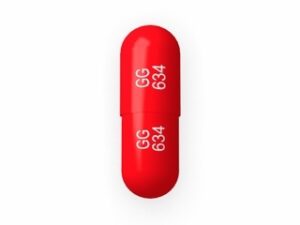
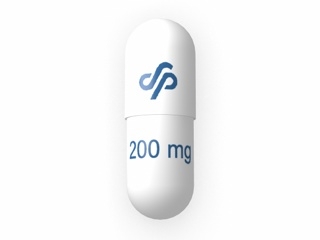
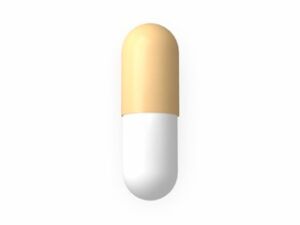
- Common strengths (brand-dependent): Typically available as oral capsules or tablets in different strengths (availability may vary)
- Route: Oral
- Use in UK: Used as part of specific treatment regimens for certain viral infections (notably hepatitis C), under specialist care and according to current national guidance
How Rebetol works (mechanism of action)
Ribavirin is a nucleoside analogue that interferes with viral replication. Although the precise mechanism can vary by virus, ribavirin is thought to act through multiple pathways, including:
- Inhibiting viral RNA/DNA synthesis by interfering with nucleotide metabolism
- Altering viral replication fidelity (making viral replication less efficient or producing non-viable viral particles)
- Immunomodulatory effects that may enhance antiviral activity
Ribavirin is often used in combination with other medicines because combination therapy can improve overall viral response and reduce the likelihood of resistance compared with ribavirin alone.
Pharmacokinetics (how the body handles ribavirin)
Understanding pharmacokinetics can help you understand why timing matters and why certain precautions (especially reproductive precautions) are necessary.
| Topic | Typical information for ribavirin |
|---|---|
| Absorption | Ribavirin is absorbed after oral administration; food may improve absorption for some formulations/regimens. |
| Distribution | It distributes widely into tissues and can accumulate inside cells. |
| Metabolism | Primarily metabolised through phosphorylation and other pathways; it is not extensively metabolised by typical liver enzyme systems. |
| Elimination | Excreted mainly through the kidneys. Reduced kidney function can increase exposure. |
| Half-life | Ribavirin has a long terminal half-life because it persists in tissues. This contributes to the need for extended precautions after stopping treatment. |
If you have kidney impairment, your exposure may increase. Dose adjustments are often needed, and blood tests are essential during therapy.
What Rebetol is used for (indications)
In the United Kingdom, ribavirin is used as part of specific antiviral regimens, most notably for:
- Chronic hepatitis C (HCV) — in combination regimens (depending on genotype, previous treatment, and the overall treatment plan). Current practice often relies on highly effective direct-acting antivirals (DAAs); ribavirin may be used in certain combinations or scenarios where required by the regimen.
Your specialist will determine whether ribavirin is appropriate based on your viral type, previous treatment history, liver status, and the specific regimen chosen.
How Rebetol is typically taken (timing and routine)
Always follow the dosing instructions you receive for your specific regimen. General principles include:
- Take it regularly: The effectiveness depends on consistent dosing.
- Split doses (if prescribed): Many regimens use morning and evening dosing to improve tolerability and maintain steadier levels.
- Try to take it at the same times daily.
- Take with food if advised for your formulation/regimen, as food may improve absorption and reduce stomach discomfort.
- Do not stop early without medical advice, even if you feel better.
If you miss a dose, the best action depends on how close the next dose is. In general:
- If you remember soon after the missed dose, take it as instructed by your healthcare team or the medicine leaflet.
- If it is close to the next dose, skip the missed dose and resume your usual schedule.
- Do not double the dose unless you have been told to do so.
Food interactions (what to know)
Food can influence how much ribavirin your body absorbs. For many patients, taking ribavirin with food can help reduce absorption variability and stomach upset.
- Take with meals/snacks as directed (especially if your leaflet or clinician recommends it).
- Avoid sudden large diet changes while on therapy, particularly if you are advised to take with specific meal patterns.
- Report severe stomach symptoms (persistent vomiting/diarrhoea) because they may affect absorption.
Always check the specific formulation guidance in your medicine pack leaflet and follow regimen-specific instructions provided by your healthcare team.
Alcohol and medicine interactions
Alcohol
Alcohol can worsen liver disease and may reduce treatment benefit in hepatitis C. For patients receiving antiviral therapy for HCV, it is generally recommended to:
- Avoid alcohol or keep it to an absolute minimum.
- Discuss your alcohol intake with your clinician, particularly if you have liver scarring (cirrhosis) or other complications.
Interactions with other medicines
Ribavirin interacts with some medicines. Some interactions are important because they can increase side effects (such as anaemia) or alter antiviral effectiveness.
- Antacids containing magnesium or aluminium: may affect absorption—ask your pharmacist for specific guidance.
- Azathioprine: can increase the risk of blood-related toxicity when used together (this is a major consideration).
- Interferon or other antivirals: combination regimens are designed to work together, but they can also increase the overall risk of side effects, so monitoring is essential.
- Nucleoside/nucleotide analogues used for other viral infections (e.g., HIV therapy): may have interaction potential; review all medicines carefully.
- Immunosuppressants: liver and blood safety considerations apply depending on your underlying conditions.
Because interaction potential depends on your full medication list (including over-the-counter products and herbal remedies), you should:
- Provide a complete list of medicines to your pharmacist/clinician.
- Ask before starting new supplements or non-prescription medicines.
- Be especially cautious with medicines that can affect the liver or blood counts.
Dosing: typical approach and key considerations
Dosing depends on the specific regimen, the indication, your body weight (where applicable), kidney function, and other factors. In practice, clinicians may calculate a daily ribavirin dose based on weight and then prescribe the corresponding capsule/tablet strength.
Important: Always use the exact dosing schedule from your treatment plan. Do not adjust your dose unless directed by a healthcare professional.
General factors that may affect dose
- Kidney function: Reduced kidney function can increase ribavirin exposure; dose may be reduced and close monitoring is required.
- Baseline blood counts: Low haemoglobin or pre-existing blood disorders require careful monitoring.
- Concomitant therapy: The combination used may influence how side effects are managed.
- Body weight: Some regimens use weight-based dosing.
Monitoring blood tests during treatment
Ribavirin commonly causes anaemia. As a result, monitoring typically includes:
- Full blood count (FBC) (haemoglobin and other cell lines)
- Renal function (creatinine/eGFR)
- Liver function tests (depending on your condition and regimen)
- Assessment of symptoms and overall tolerability
Your clinician may adjust dose or temporarily interrupt treatment if blood counts drop or if adverse effects occur.
Safety profile: common and serious side effects
Like all medicines, Rebetol can cause side effects. Many are manageable with monitoring and supportive care, but some require urgent medical attention.
Common side effects
- Anaemia (low red blood cells) — may cause fatigue, weakness, breathlessness, or palpitations
- Headache
- Insomnia or sleep disturbance
- Nausea or stomach discomfort
- Rash or itching
- Dry mouth or changes in taste
- Hair loss (more likely in combination regimens)
Less common but important side effects
- Eye problems (report visual changes promptly)
- Worsening depression or mood changes (especially when combined with other treatments)
- Shortness of breath or chest discomfort (seek advice urgently)
- Electrolyte changes in some patients depending on overall health
Serious risks requiring urgent advice
- Severe anaemia: marked fatigue, dizziness, fainting, or significant shortness of breath
- Allergic reaction: swelling of the face/lips, difficulty breathing, hives
- Severe infection symptoms: high fever, persistent sore throat, or unusual bruising/bleeding
- Severe rash or blistering skin/eyes/mouth
Seek urgent medical care or emergency assistance if you experience symptoms consistent with serious adverse effects.
Reproductive and pregnancy safety (critical information)
Ribavirin can cause serious birth defects and may harm an unborn baby. It is therefore essential to follow strict precautions:
- Do not use during pregnancy.
- Use effective contraception during treatment.
- Both male and female patients taking ribavirin must use contraception to avoid pregnancy.
- Extended precautions after stopping are commonly required because ribavirin can remain in the body for a long time. The exact duration depends on guidance for your regimen and is specified in official materials—follow the dates provided to you.
If pregnancy is possible at any time, contact your healthcare team immediately for urgent advice.
Practical use tips to improve tolerability
- Plan your schedule: Choose times that match your daily routine to reduce missed doses.
- Take with food if advised: It may help with absorption and stomach comfort.
- Hydrate: Drink water regularly unless your clinician has advised fluid restriction.
- Manage fatigue: Prioritise rest and consider pacing activities; report severe fatigue or breathlessness.
- Track symptoms: Keep notes of side effects (e.g., headaches, dizziness, mood changes) to discuss at appointments.
- Attend blood tests: Monitoring helps catch anaemia and other changes early.
- Report mood changes promptly: Depression, anxiety, or irritability should be raised early so support can be provided.
- Avoid alcohol: Especially important if treating hepatitis C.
Alternative options for hepatitis C treatment in the UK
In the UK, many patients with chronic hepatitis C are treated with direct-acting antivirals (DAAs) which are often more effective, shorter, and better tolerated than older regimens that included ribavirin. The best choice depends on genotype, liver status, previous treatment history, and drug suitability.
Possible alternatives your specialist may consider (depending on your situation) include DAAs such as combinations containing agents from:
- NS5A inhibitors
- NS5B polymerase inhibitors
- NS3/4A protease inhibitors
Some regimens may still include ribavirin for selected patients where clinically required. If you are considering alternatives, discuss:
- Whether ribavirin is necessary for your specific treatment plan
- Expected duration of therapy
- Side effect profile and monitoring requirements
- Drug–drug interactions with your current medicines
Market and legal context in the UK
Medicines in the UK are regulated and must meet legal standards for safety, quality, and efficacy. Availability, indications, and recommended regimens are aligned with the evolving evidence base and clinical guidelines.
For hepatitis C care, national recommendations are influenced by guidance from bodies such as:
- UKHSA (public health guidance)
- NICE (technology appraisals where applicable)
- Specialist hepatology and infectious disease services (local protocols and clinical practice)
Because treatment pathways change as new medicines and evidence emerge, it’s important to rely on up-to-date advice from clinical teams. Your online pharmacy may also provide current product availability and pack details based on what is supplied by manufacturers and wholesalers.
Recent guidance (general overview)
In recent years, UK practice has largely shifted toward ribavirin-sparing DAA regimens due to improved cure rates and tolerability. However, ribavirin may still be used in selected circumstances depending on regimen selection, prior treatment, and clinical factors (as determined by specialist care).
Delivery and availability (UK online pharmacy)
Stock levels can vary by supplier and by strength/formulation. When you place an order, we aim to dispatch promptly in line with UK delivery standards.
- Availability: Depends on manufacturing supply and regional distribution.
- Packaging: Medicines are supplied in sealed manufacturer packaging with patient information.
- Delivery times: Vary by location; an estimated delivery window is typically shown at checkout.
- Cold chain: Ribavirin generally does not require refrigeration, but always follow the storage guidance on your pack.
If an item is temporarily unavailable, you may be offered alternatives within the same therapeutic category as allowed by the product supply chain and pharmacy policies, or you may be contacted with options.
Safety checklist before starting (helpful for patients)
Consider reviewing the following with your pharmacist or clinician:
- Kidney function: Are you aware of your latest kidney test results?
- Haemoglobin history: Have you previously had anaemia or low blood counts?
- Other medicines: Include prescription, over-the-counter, and herbal products.
- Pregnancy potential: Confirm contraception plans and pregnancy avoidance timing.
- Mental health history: Let your clinician know if you have depression or anxiety.
- Alcohol use: Discuss safe plans during treatment.
FAQ — Rebetol (ribavirin)
1) What is Rebetol used for?
Rebetol (ribavirin) is used as part of antiviral treatment regimens for certain viral infections, most notably chronic hepatitis C in combination plans depending on the regimen and patient factors.
2) How long does it take to start working?
Many viral regimens begin to reduce viral levels early, but the exact timeline depends on the overall combination therapy. Your specialist will monitor response using blood tests at set intervals.
3) Should I take Rebetol with food?
In many cases, taking ribavirin with food can improve absorption and reduce stomach upset. Follow the specific instructions for your formulation and regimen.
4) What happens if I miss a dose?
Do not double your dose. Follow the missed-dose instructions from your medicine pack leaflet or guidance from your clinician/pharmacist, especially if you are close to your next scheduled dose.
5) Why do I need frequent blood tests?
Ribavirin can lower haemoglobin and affect other blood counts. Regular monitoring helps identify anaemia or other changes early so the treatment plan can be adjusted if needed.
6) Can I drink alcohol while taking Rebetol?
Alcohol can worsen liver disease and may reduce treatment benefit. It is generally advised to avoid alcohol during hepatitis C therapy. Ask your clinician for advice tailored to your liver status and overall health.
7) Is Rebetol safe during pregnancy?
No. Ribavirin can cause serious harm to an unborn baby. Pregnancy must be avoided during treatment, and contraception is required for both male and female patients. Follow the extended stop-date guidance provided with your regimen.
8) Can Rebetol affect mood or mental health?
It may, particularly when used in combination regimens. If you notice depression, anxiety, irritability, or unusual mood changes, contact your healthcare team promptly.
9) What are the signs of severe anaemia?
Seek urgent advice if you experience marked tiredness, dizziness, fainting, chest pain, significant breathlessness, or palpitations, especially if these are worsening.
10) Are there alternatives to ribavirin?
Yes. Many patients with hepatitis C can be treated with ribavirin-sparing direct-acting antiviral combinations depending on their viral type and clinical situation. Your specialist will advise the most suitable option.
Summary
Rebetol (ribavirin) is an oral antiviral medicine used in specific combination regimens, most commonly for certain patients with chronic hepatitis C in the UK. It works by disrupting viral replication processes and requires careful monitoring due to the risk of anaemia and other side effects. Special attention is needed for reproductive safety and for drug–drug interactions. Always take it exactly as directed, follow advice about food and alcohol, and keep scheduled blood tests to support safe treatment.