Aldara (Imiquimod) Cream – Patient Information (UK)
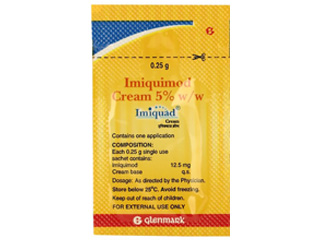
Aldara contains imiquimod, a medicine used to treat certain skin conditions caused by infection or abnormal cell growth. It works by helping your immune system respond to the affected area. This guide is designed to be patient-friendly and practical, with information commonly needed when using Aldara in the United Kingdom.
Always follow the instructions given by your healthcare professional or the leaflet provided with your medicine. If you are unsure about anything, speak to a clinician or pharmacist.
1) Basic product information
| Item | Details |
|---|---|
| Medicine | Aldara (imiquimod) |
| Form | Cream |
| Strength (commonly available) | 5% imiquimod cream |
| How it is supplied | Single-use sachets (dose varies by sachet pack design) |
| Where it is used | Selected skin sites depending on the condition being treated (commonly external genital skin and other specified areas) |
| Typical course style | Regular application schedule for a set number of weeks, depending on the diagnosis |
2) What Aldara is used for (typical use)
Aldara is used for conditions where the immune system can play an important role in controlling abnormal cells or certain viral infections. Common indications include:
- External genital warts (treatment of visible condylomata acuminata).
- Actinic keratosis (also called solar keratosis), where early abnormal skin cell changes have been caused by long-term sun exposure.
- Superficial basal cell carcinoma in selected circumstances, under specialist guidance.
Your prescribed regimen and treatment site should match your diagnosis and the area being treated. Aldara is not intended for internal use (for example, inside the vagina/urethra) unless specifically directed by a clinician.
3) Mechanism of action (how it works)
Imiquimod is an immune-response modifier. After applying the cream to the skin, it stimulates local immune signalling pathways. The key steps involve:
- Activation of innate immune responses in the skin.
- Induction of cytokines (including interferon-related signals) that help control abnormal cells and infection.
- Supporting an immune attack against affected tissue in the treatment area.
In many patients, the treated area may become red, swollen, itchy, or crusted during therapy. This reaction can be part of the medicine’s effect and should be discussed if severe.
4) Pharmacokinetics (absorption and body handling)
Imiquimod is applied to the skin. When used as directed, only small amounts are generally absorbed into the bloodstream. Key points include:
- Limited systemic absorption is typical with correct topical use.
- Metabolism occurs largely after absorption (when it occurs), with elimination through normal body pathways.
- Because absorption is usually low, systemic side effects are less common than local skin reactions.
Absorption may increase if you apply too much, cover large areas, apply more frequently than advised, or if the skin barrier is disrupted (e.g., extensive inflammation). Always apply only the amount and frequency recommended for your condition.
5) Indications and treatment timing
Aldara is used on a schedule depending on the condition. Treatment length is not “one size fits all.” Common schedules (which your clinician may adjust) include:
- External genital warts: usually applied several times per week for a set course, often up to a maximum number of weeks.
- Actinic keratosis: commonly applied several times weekly for a number of weeks.
- Superficial basal cell carcinoma: typically applied several times weekly with a planned treatment duration, depending on the specialist plan.
Typical timing for each application: many regimens are designed for use in the evening (often before bed). This allows the cream to remain on the skin for a period, and then be washed off.
Example of a common application routine (general guidance)
- Apply a thin layer of cream to clean, dry skin at the affected area.
- Use the medicine at the recommended frequency (for example, on certain evenings each week).
- Leave it on for the recommended duration (commonly around 6–10 hours depending on the regimen).
- Wash off the cream with mild soap and water after the required time.
Follow your specific plan carefully. If your schedule differs from the general examples above, prioritise the regimen provided for you.
6) Dosing and how to apply Aldara correctly
Dosing is based on the condition, treatment area size, and the frequency of application. Your pharmacist or clinician may guide you on how much cream to use (often described as the content of a sachet for a specific area).
How much to use (practical approach)
- Use only the amount your treatment plan specifies.
- Apply a thin layer over the affected area.
- Do not increase the dose or frequency to “speed things up” unless advised.
Step-by-step practical use tips
- Wash your hands before applying.
- Clean the affected area gently, then dry completely.
- Open a single-use sachet and apply a thin layer to the required skin area.
- Avoid eyes, lips, inside the nostrils, inside the mouth, and open wounds unless your clinician has specifically advised otherwise.
- Wash your hands after application (unless your hands are included in the treated area, which is usually not recommended).
- Leave the cream on for the recommended duration, then wash off with mild soap and water.
- Allow time for the skin to heal; reactions are common and can evolve over the course of treatment.
Missed dose
If you forget an application, apply it as soon as you remember on that evening if it is still within your regimen window. If you are unsure, skip the missed dose and continue with your normal schedule. Do not apply extra cream to compensate unless instructed.
7) Food interactions
Aldara is a topical medicine. It is not taken as tablets or capsules, so food interactions are not expected. Your use should focus on skin application instructions rather than diet.
If your treatment causes local irritation, some people find that using gentle, fragrance-free soap and moisturising around (but not on) the treated area can help comfort.
8) Alcohol and medicine interactions
Alcohol
There is no known direct alcohol interaction with imiquimod cream when used as directed. However, alcohol may worsen dehydration or impair sleep in some people, and discomfort from skin reactions could feel worse.
Other medicines (interactions)
Because systemic absorption is usually low, significant drug–drug interactions are less likely. Still, consider the following:
- Other topical treatments: avoid applying other creams, ointments, or antiseptics on the same area at the same time unless your clinician advises it. Combining products may increase irritation.
- Immunomodulating medicines: discuss with your healthcare professional if you take medicines that affect the immune system.
- Antiviral/skin therapies: if you are receiving other skin treatments, it may affect timing and healing.
Tell your pharmacist about all medicines you use (including over-the-counter products, herbal remedies, and regular emollients).
9) Safety profile and side effects
Most side effects with Aldara are local skin reactions. The intensity varies between individuals. Some redness and irritation are common during treatment; however, severe reactions may require assessment.
Common side effects
- Redness (erythema)
- Swelling or tenderness
- Itching
- Burning/stinging
- Flaking, scaling, or crusting
- Ulceration or erosions in the treated area (especially if irritation is strong)
- Changes in skin colour (temporary in many cases)
Less common but important side effects
- Severe local inflammation or blistering
- General symptoms such as flu-like feelings (rare with topical use, but can occur)
- Allergic reactions (seek advice urgently if you develop rash beyond the treated area, widespread swelling, or breathing difficulties)
When to seek medical advice urgently
- The treated area becomes severely painful, rapidly worsening, or you develop signs of infection (increasing heat, pus, fever).
- You experience breathing problems, facial swelling, or widespread hives.
- You develop significant ulceration or bleeding that concerns you.
Who should take extra care
- People with a history of significant skin sensitivity or eczema in the treatment area.
- Individuals who are immunocompromised (discuss risk/benefit with a clinician).
- Anyone planning to treat large body areas or under occlusive (covered) conditions—this may increase absorption and irritation.
10) Practical comfort measures and use tips
Because Aldara can cause local irritation, comfort strategies can make treatment easier. Use them sensibly and avoid interfering with the medicine’s effect.
- Wear breathable clothing over treated areas to reduce friction.
- Use gentle, fragrance-free cleansers when washing off the cream.
- If you need moisturisation, apply emollients at a different time from Aldara and only if your clinician/pharmacist agrees.
- Avoid scratching the area; it increases irritation and can raise infection risk.
- Keep the cream away from eyes and mucous membranes.
Sexual activity and genital warts (important)
If you are using Aldara for genital warts, local irritation may affect comfort during sex. There may be additional considerations regarding barrier protection and transmission risk. Discuss specific guidance with your clinician or pharmacist—especially regarding condom use and timing relative to application and washing off.
11) Alcohol and other lifestyle considerations
While alcohol does not have a known direct interaction, consider practical comfort:
- Alcohol can worsen dehydration; stay well hydrated, particularly if you experience flu-like symptoms.
- Sleep disruption from itching or burning can be harder to manage if alcohol affects sleep quality.
- If you are also using other medicines (e.g., pain relief), check their individual instructions and safety.
12) Alternative options
Treatment choices depend on the diagnosis, size and location of lesions, your medical history, and how you tolerate side effects. Alternatives may include:
For external genital warts
- Cryotherapy (freezing)
- Podophyllotoxin topical therapy (where appropriate)
- Surgical removal or cautery in selected cases
- Other provider-applied treatments depending on local protocols
For actinic keratosis
- Cryotherapy
- Photodynamic therapy (PDT)
- Other topical treatments used in dermatology pathways
- Field-directed approaches may be considered for widespread sun damage
For superficial basal cell carcinoma
- Surgery (commonly excision)
- Radiotherapy in selected cases
- Other topical therapies used for superficial lesions
Your clinician can recommend the most suitable option for your situation. If you find Aldara’s local reactions difficult to tolerate, ask about dose schedule adjustments or alternative treatments.
13) UK market and legal context (overview)
In the United Kingdom, Aldara is regulated by the relevant UK medicines framework and is made available to patients through established pharmacy supply channels. Availability and packaging may differ depending on the manufacturer and supply arrangements.
For online pharmacy services, products are typically supplied in line with UK medicines law and distribution requirements. Always ensure you are buying from a reputable provider that can supply genuine medicines and appropriate product information.
14) Recent guidance (what to expect in UK practice)
Clinical approaches for conditions treated with imiquimod are regularly reviewed by dermatology and sexual health professionals. Guidance in the UK may include:
- Patient-centred counselling about expected local reactions, adherence, and when to seek help.
- Confirmation of diagnosis (particularly for skin cancer–related conditions) before starting topical immune therapy.
- Follow-up plans to assess response and to consider alternative treatment if there is inadequate improvement.
- Safety considerations for sensitive skin sites and immunocompromised patients.
If your symptoms don’t improve as expected, or if a lesion appears to worsen, follow up promptly with a clinician. Persistent or changing skin lesions should not be ignored.
15) Delivery and availability in the UK
Online pharmacy delivery options typically include standard and express post, depending on the provider and your location in the UK. Product availability can vary, so lead times may differ from day to day.
- Order confirmation: after your order is placed, you should receive a confirmation message and delivery estimate.
- Packaging: medicines are usually supplied in sealed cartons or equivalent protective packaging.
- Storage: store according to the leaflet instructions (commonly at controlled room temperature and away from direct heat).
If you need it urgently or you have a treatment schedule to follow, check estimated delivery times before placing the order.
16) Frequently Asked Questions (FAQ)
How long does Aldara take to work?
Response varies by condition and individual factors. Local skin reactions often appear within the first days to week. Improvement and clearance (for warts or keratoses) usually become clearer over the full treatment course and sometimes after completion. Your clinician may schedule follow-up to confirm outcome.
Is Aldara safe to use on sensitive skin?
Aldara can cause irritation, especially on delicate areas. Safety depends on the treatment site, your skin’s sensitivity, and how carefully you follow the regimen. If you have eczema or significant sensitivity, discuss this with a clinician before starting.
What should I do if my skin reaction is severe?
Mild to moderate redness and irritation can be expected. If you have severe pain, rapidly spreading inflammation, or signs of infection, contact a healthcare professional promptly. Do not ignore worsening symptoms.
Can I apply moisturiser?
Sometimes gentle moisturisers can help comfort, but applying other products at the wrong time may increase irritation or interfere with the cream. Ask a pharmacist about what is safe for your specific schedule. If advised, use moisturisers at a different time and avoid rubbing the treated area aggressively.
Should I cover the treated area after applying Aldara?
Generally, avoid occlusive covering unless your clinician has specifically instructed it. Covering can increase absorption and irritation. Stick to the advice provided with your regimen.
Does Aldara affect condoms or sexual health?
For genital wart treatment, local irritation and condom comfort can be issues. Barrier use may still be recommended, but the exact advice can depend on the condition, products used, and the location treated. If you have questions, speak to your clinician or pharmacist for tailored guidance.
Can I use Aldara during pregnancy or breastfeeding?
Pregnancy and breastfeeding require individual risk assessment. Discuss your situation with a healthcare professional before using Aldara. If you become pregnant while using it, seek advice promptly.
What if the lesion is not improving?
Not all lesions respond the first time. If there is no improvement, worsening, or persistent change after completing the planned course, follow up with a clinician. They may confirm the diagnosis, assess response, and recommend an alternative plan if needed.
Can I drink alcohol while using Aldara?
There is no known direct alcohol interaction with imiquimod cream when used correctly. However, alcohol may affect comfort if you experience itching or flu-like feelings. Keep hydrated and follow your overall medication and lifestyle guidance.
Does Aldara interact with other medicines?
Significant interactions are less likely due to low systemic absorption. Still, tell your pharmacist about all medicines and topical products you use, especially if they affect the immune system or are applied to the same area.
How should I dispose of used sachets?
Use each sachet only once. Dispose of used sachets according to local waste disposal guidance. Keep medicines out of reach of children and pets.
Can I stop early if the skin looks better?
It is usually best to complete the full course as planned. Stopping early may lead to incomplete treatment. If you want to stop due to side effects or concerns, speak to your clinician or pharmacist for advice.
Summary: Aldara (imiquimod) is a topical immune-response modifier used for several skin conditions, including external genital warts, actinic keratosis, and superficial basal cell carcinoma in selected cases. It works by stimulating local immune activity. Most side effects are local skin reactions, which often occur during treatment. If you experience severe reactions, infection signs, or allergic symptoms, seek prompt medical advice.
For the most accurate dosing schedule and safety advice, always follow the instructions provided with your medicine for your specific condition.