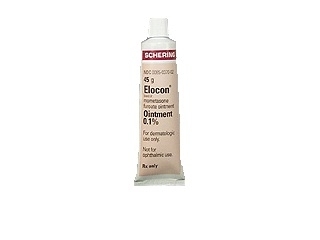
Elocon Cream/Ointment (Mometasone) — Patient Guide (UK)
Elocon contains mometasone, a corticosteroid medicine used to treat inflammation and itching in certain skin conditions. This guide explains how Elocon works, how to use it safely, what to expect, and key precautions. It is written for people in the United Kingdom and includes general information that applies to most situations.
Basic product information
| Feature | Details |
|---|---|
| Active ingredient | Mometasone (a corticosteroid) |
| Common forms | Cream and ointment (strength commonly 0.1%) |
| How it’s used | Apply to the affected skin surface |
| Typical frequency | Once daily in many conditions (follow your label/clinician advice) |
| What it treats | Inflammation, redness, itching from steroid-responsive dermatoses |
Important: Elocon is intended for skin use only. It should not be used in the eyes, on the inside of the mouth, or in the genital area unless specifically advised. Avoid using on broken skin unless instructed.
How Elocon works (mechanism of action)
Mometasone is a topical corticosteroid. Corticosteroids reduce inflammation by:
- Reducing immune activity in the skin, which decreases inflammatory signals.
- Decreasing swelling and redness associated with flare-ups.
- Relieving itching and discomfort.
- Slowing down inflammatory changes in the epidermis and dermis.
In many people, symptoms such as itching and redness start improving within the first few days, although complete clearance may take longer.
Pharmacokinetics: how the body handles it
Because Elocon is applied to the skin, only a small amount is usually absorbed into the bloodstream. Absorption depends on several factors:
- Skin condition: inflamed or broken skin may absorb more.
- Application site: thinner skin areas may allow more absorption.
- Dose and duration: larger amounts and longer treatment increase absorption.
- Occlusion: covering the area with tight dressings or bandages can increase absorption significantly.
In general, absorbed mometasone is metabolised and cleared from the body through normal pathways. Systemic steroid effects are unlikely when used correctly for short courses on limited areas, but the risk increases with prolonged use, high amounts, occlusive dressings, or use in children.
Typical uses and indications
Elocon is used for skin problems where a corticosteroid is appropriate. Common indications include:
- Atopic dermatitis (eczema) — to reduce redness, inflammation and itching.
- Other inflammatory skin conditions that respond to topical steroids, as advised by a healthcare professional.
- Dermatoses with itching and inflammation where mometasone is considered suitable.
Not for: Some skin conditions should not be treated with steroid creams alone, especially if infection is present. If the area is weeping, crusted, rapidly worsening, very painful, or you suspect a fungal or bacterial infection, seek advice before using Elocon.
When to use (timing) and how to apply
In many cases, Elocon is used once daily. The exact regimen depends on the condition, age of the person using it, skin area, and severity. Always follow the instructions provided with the product or given by a clinician.
Practical timing tips
- Apply at a time you can manage consistently (e.g., evening), unless advised otherwise.
- Apply to clean, dry skin.
- Use daily until improvement is seen, then the dose frequency may be reduced according to advice.
- Try to use the smallest amount that controls symptoms.
How to apply (step-by-step)
- Wash your hands before and after applying.
- Apply a thin layer to the affected area.
- Rub in gently until the cream/ointment disappears.
- Wash hands again after treatment (unless treating the hands).
- Do not apply to large body areas unless specifically instructed.
Where to be cautious: The face, eyelids, groin, armpits and other fold areas can absorb more steroid. Use in these areas only if advised and usually for short periods.
Food interactions
Because Elocon is applied to the skin, it has minimal likelihood of direct interactions with food. In most cases, you can eat normally while using Elocon.
However: general health matters—if you have a condition that affects your immune system or you develop symptoms of infection, contact a clinician promptly. Also, keep overall eczema care consistent (regular moisturisers, gentle skin care) to reduce flare-ups and minimise the need for steroid use.
Alcohol and medicine interactions
Alcohol: There are no common direct interactions between topical mometasone and alcohol. Still, heavy alcohol intake can worsen overall health and may indirectly affect skin conditions. If you notice flare-ups after drinking, consider discussing triggers with a healthcare professional.
Other medicines: Topical mometasone is unlikely to interact with oral medicines because systemic absorption is usually low. That said, tell a healthcare professional if you use other steroid-containing products (including inhalers, tablets, or nasal sprays) because combined steroid exposure may increase side effects.
- Other topical products: Avoid using multiple steroid creams at the same time on the same area unless advised.
- Infection treatments: If an infection is suspected, the approach may change (for example, an antifungal may be needed).
- Immunosuppressants: If you take systemic immunosuppressive medicines, use topical steroids cautiously and seek personalised guidance.
Dosing: what is typical?
Dosing depends on the skin condition and the area being treated. For many steroid-responsive inflammatory skin conditions, a common approach is:
- Adults and older children: usually apply a thin film once daily to affected areas.
- Duration: use for the shortest time that controls symptoms.
- Review: if there is no improvement within a few days, or if symptoms worsen, seek medical advice.
Maximum practical approach: Avoid treating very large areas or using more than advised. If you’re applying to extensive skin, on children, or for longer than recommended, you should seek professional guidance to reduce risk of steroid side effects.
Using the “fingertip unit” (FTU) — helpful rule of thumb
Many clinicians use the fingertip unit method to estimate amounts:
- One fingertip unit (FTU) is the amount of cream squeezed from a standard tube to the tip of an adult finger.
- It generally covers an area roughly equivalent to two adult hand-sized palm areas.
This method helps avoid over-application. Your leaflet or clinician may provide different guidance—follow that first.
Safety profile: common side effects and when to stop
Like all corticosteroids, Elocon can cause side effects, especially with prolonged use, high potency, large areas, occlusion, or in children. Most people experience mild effects or none when used appropriately.
Common or local side effects
- Skin burning or irritation at the application site
- Dryness or mild stinging
- Itching that may temporarily occur
Less common but important risks (especially with longer or heavy use)
- Skin thinning (atrophy)
- Stretch marks (striae)
- Visible blood vessels near the surface (telangiectasia)
- Perioral dermatitis or worsening of facial acne
- Rebound flare when stopping suddenly after long use
- Suppression of the body’s stress hormones (rare with correct use, but risk increases with extensive use, occlusion, and longer duration)
- Changes in skin colour (hypopigmentation or hyperpigmentation)
Stop and seek urgent advice if
- You develop signs of infection (worsening redness, pain, pus, rapidly spreading rash, fever).
- The rash becomes severely painful or you suspect a serious skin reaction.
- You notice eye involvement (redness around the eyes, eye pain or vision changes).
Practical use tips to get the best results
- Use moisturiser alongside eczema care: moisturisers help maintain the skin barrier and can reduce flare frequency.
- Apply correct amount: a thin layer is usually enough; overuse increases side effects.
- Avoid occlusion unless advised: do not cover with tight bandages or dressings.
- Don’t use on broken skin unless told to.
- Be careful on folds and face areas: steroid potency and absorption can be higher there.
- Gradual step-down: if you’ve used it for a while, stopping abruptly may lead to rebound. Discuss a step-down plan with a clinician or pharmacist.
- Wash hands after use: prevents accidental contact with eyes or other body parts.
Alternatives to Elocon (options in the UK)
Depending on the condition, severity, body site, and previous treatments, healthcare professionals may suggest alternatives. These may include:
- Other topical corticosteroids of different strengths (e.g., mild hydrocortisone preparations for less severe or more sensitive areas).
- Non-steroid anti-inflammatory creams such as topical calcineurin inhibitors (used for certain eczema cases, particularly sensitive areas).
- Emollients/moisturisers as ongoing maintenance therapy (crucial in eczema care).
- Specialist therapies for severe eczema or frequent flares (e.g., phototherapy or systemic treatments under specialist care).
If your symptoms are not improving, your pharmacist or clinician can help review whether Elocon is the right choice, the correct strength, or whether a different diagnosis may be involved (for example, fungal infection, contact dermatitis, or bacterial infection).
Market and legal context in the United Kingdom
In the UK, topical corticosteroids are widely available and are regulated medicines. Access and supply can vary depending on strength, formulation, and local pharmacy policies. Pharmacies typically provide guidance on appropriate use and suitability, particularly for:
- Children and application over larger areas
- Long-term use or repeated courses
- Use on face/eyelids or genitals
- Potential infection or diagnostic uncertainty
Products like Elocon are sold through licensed supply chains in the UK. Always use medicines only from reputable sources and keep packaging and patient information for future reference.
Recent guidance and updated practice (general)
UK dermatology practice and general prescribing principles consistently emphasise:
- Appropriate strength: use the lowest effective potency to control symptoms.
- Short courses: aim for the shortest duration needed.
- Barrier care: regular emollients and skin care to prevent flares.
- Review if not improving: ongoing or worsening symptoms should prompt re-assessment of diagnosis and treatment plan.
- Careful use in children: dosing and duration should be conservative, with pharmacist/clinician advice.
Guidance can vary depending on the individual and the condition. If you’re unsure, ask a pharmacist for advice on application amounts and a plan for stepping down.
Delivery and availability (UK online pharmacy)
Elocon is commonly available from pharmacies and may be offered online subject to supply arrangements. Delivery times vary by provider and postcode, but many UK online pharmacies offer:
- Standard delivery with tracked service
- Express options in some areas
- Careful packaging to protect the product
Availability can depend on formulation (cream vs ointment) and stock levels. If your preferred pack is temporarily unavailable, you may be offered a comparable option (for example, an equivalent strength formulation) after checking suitability with pharmacy guidance.
Frequently asked questions (FAQ)
1) How quickly will Elocon work?
Many people notice reduced redness and itching within a few days. If there is no improvement within about 7 days (or it’s getting worse), contact a healthcare professional for review.
2) Can I use Elocon on my face?
Elocon is sometimes used on facial inflammatory conditions, but the face is sensitive and absorption can be higher. Use only if advised and for the shortest time possible.
3) Is it safe to use on children?
Topical steroids require careful dosing in children. Use on children should be guided by a clinician or pharmacist, with attention to the correct amount and duration.
4) Can I use moisturiser at the same time?
Yes. In most eczema routines, moisturiser is used regularly. You can apply moisturiser on non-inflamed areas, and apply Elocon to affected patches as instructed. If you’re using both, many people apply the steroid first and moisturise after it has absorbed, or use moisturiser at other times of day—follow your personalised plan.
5) Should I stop once symptoms improve?
Often, steroid creams are used until the skin settles, then treatment is reduced or stopped. Stopping suddenly after long courses may cause rebound. If you’ve used Elocon for more than a short period, ask for a step-down plan.
6) What if the rash looks infected?
If the area is oozing, weeping, crusted, painful, rapidly spreading, or accompanied by fever, stop and seek advice. Steroids can sometimes worsen undetected infections.
7) Can I cover the area after applying?
Avoid occlusive dressing or tight covering unless a healthcare professional has specifically advised it. Occlusion can increase absorption and side effects.
8) Will Elocon stain clothes or bedding?
It can sometimes leave residue, especially with ointment formulations. Allow it to absorb before getting dressed, and consider covering bedding when treating areas likely to rub.
9) Are there any food or alcohol restrictions?
There are typically no specific food interactions. Alcohol does not usually interact directly with topical mometasone, but maintaining overall health and avoiding triggers is helpful for skin control.
10) What are the signs of overuse?
Signs may include increasing skin thinning, stretch marks, persistent redness, or worsening of the condition after stopping. If you suspect overuse, speak to a pharmacist or clinician promptly.
Key takeaways
- Elocon (mometasone) is a topical corticosteroid used to treat inflammation and itching in steroid-responsive skin conditions.
- Use a thin layer, usually once daily, for the shortest time needed.
- Avoid occlusion and be especially careful on face and sensitive skin areas.
- Seek advice if symptoms worsen, infection is suspected, or there’s no improvement within about a week.
- Support treatment with regular moisturisers and gentle skin care to reduce flare-ups.
Always read the patient information leaflet supplied with your specific pack for detailed instructions, warnings, and advice tailored to the product and concentration you receive.