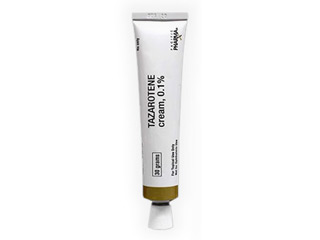
Tazorac (Tazarotene) – Patient-Friendly Guide (UK)
Tazorac is a brand of tazarotene, a topical retinoid used to treat certain skin conditions such as acne and psoriasis. This guide explains how it works, how to use it safely and effectively, key interactions (including with food, alcohol and other medicines), what to expect, and practical tips to improve comfort and results. It is written for people in the United Kingdom.
| Topic | Summary |
|---|---|
| Active ingredient | Tazarotene |
| Medicine type | Topical retinoid (applied to the skin) |
| Typical uses | Acne (and related conditions) and plaque psoriasis (strength and indication depend on product/pack) |
| Common time to apply | Usually once daily, often in the evening |
| How it may feel | Dryness, mild burning, peeling or redness can occur, especially at the start |
| Time to see benefit | Some improvement may occur after a few weeks; maximal results often take several weeks to months |
Basic product information
Tazorac contains tazarotene. It is applied directly to affected skin. Available strengths and formulations may vary (for example, cream or gel, and different strengths depending on the condition and local product range). Your exact product details (strength, application instructions, and approved uses) should match what appears on the pack or what your clinician/pharmacist advises.
Important: Tazarotene is a medicine that can irritate skin. It is usually started gradually and paired with moisturising routines to improve tolerance.
How Tazorac works (mechanism of action)
Tazarotene belongs to the group of medicines called retinoids. Retinoids influence cell growth and skin turnover.
- For acne: It helps normalise skin cell shedding, reduces plugging of pores, and may reduce inflammation.
- For plaque psoriasis: It helps slow the rapid skin cell turnover and can reduce scaling and thickness of plaques.
By changing how the skin cells behave, Tazorac gradually improves the appearance and symptoms of the targeted condition. Early irritation does not always mean it is not working—often it reflects the medicine’s effect on skin turnover.
Pharmacokinetics (what happens in the body)
When applied to the skin, tazarotene is absorbed to a limited extent. Most of the medicine works locally in the skin where it is applied.
- Absorption: Generally low after topical use.
- Metabolism: Once absorbed, tazarotene is metabolised in the body into active and inactive metabolites.
- Excretion: Metabolites are eliminated mainly via the kidneys and/or liver pathways.
Because systemic absorption is limited, many people experience local skin effects rather than widespread whole-body side effects. However, you should still follow instructions carefully—especially because irritation can increase absorption.
Typical uses in the UK
In the UK, tazarotene products are used for approved dermatological conditions. The exact indication and strength depend on the formulation and local product availability.
- Plaque psoriasis: Used to improve plaque thickness, scaling and redness in suitable areas.
- Acne: Used to treat acne in certain categories and severities depending on the regimen.
Not for: Tazorac is not intended for use on eczema-like rashes not specified for retinoid therapy, and it should not be used on infected or open wounds unless advised by a clinician.
Timing and how to apply
When to apply
Many people apply tazarotene once daily, often in the evening. Night-time use is commonly recommended because retinoids can be more irritating to skin already exposed to sunlight. Always follow your specific pack instructions or advice from your healthcare professional.
Step-by-step practical routine
- 1) Cleanse: Wash the area with a gentle cleanser and pat dry. Avoid scrubbing.
- 2) Let skin dry fully: Apply only to completely dry skin to reduce stinging.
- 3) Use a pea-sized amount (or as advised): Apply a thin layer—more is not better and can increase irritation.
- 4) Cover only affected areas: Try not to spread onto healthy surrounding skin.
- 5) Wash hands after applying: This helps prevent accidental contact with eyes, lips or sensitive areas.
What to do if irritation occurs
- Consider applying every other night at first (build up gradually).
- Use a bland moisturiser before or after (your clinician/pharmacist can suggest a suitable approach).
- Avoid applying immediately after hot showers or to skin that feels “raw”.
Food interactions
There are generally no direct food interactions expected with topical tazarotene because the medicine is applied to the skin and systemic absorption is limited.
However, overall skin comfort can be influenced indirectly (for example, hydration and general nutrition). If you notice flare-ups after a certain diet pattern, keep a note of triggers and discuss them with a healthcare professional.
Alcohol and medicine interactions
Alcohol
Topical tazarotene does not usually have a direct interaction with alcohol. That said:
- Skin sensitivity: Alcohol may worsen dehydration or dryness for some people, potentially making irritation feel worse.
- Barrier and irritation: Avoid using harsh skincare routines on the same areas after drinking if your skin tends to react.
Other medicine interactions (important)
Because tazarotene affects skin cell turnover and can cause irritation, the main interaction issue is skin irritation and increased sensitivity rather than classic “drug chemistry” interactions.
- Other retinoids or vitamin A products: Avoid combining with other topical retinoids or high-dose vitamin A unless your clinician advises it.
- Strong exfoliants: Be cautious with scrubs, peels, and products containing strong acids.
- Other irritating topicals: Avoid or limit products like strong benzoyl peroxide, salicylic acid (depending on formulation), or alcohol-based toners unless directed. Some combinations are used in acne regimens, but they should be introduced carefully.
- Photosensitisers: Tazarotene can increase skin sensitivity; limit extra sun exposure and avoid stacking multiple photosensitising products without guidance.
If you are using other prescription or over-the-counter skin treatments, tell your pharmacist before starting (especially if you use multiple acne or psoriasis products).
Indications (what it is used to treat)
Tazorac is used for dermatological conditions where a topical retinoid is beneficial. Indications can vary by product strength and country licensing. In the UK, tazarotene is commonly associated with:
- Plaque psoriasis (adult use and/or specific eligible groups depending on product guidance)
- Acne (including inflammatory and non-inflammatory acne depending on regimen)
Use only for the condition that matches your treatment plan. If your symptoms are new, worsening rapidly, or painful, seek medical advice.
Dosing and how much to use
Dose depends on the condition, the product strength, and your skin tolerance. Common dosing principles for tazarotene include:
- Frequency: Usually once daily.
- Amount: Apply a thin layer to affected areas; more can increase irritation without improving results.
- Start slowly: Many people begin with a reduced frequency (e.g., every other night) for the first 1–2 weeks if they are sensitive.
- Duration: Use consistently for as long as recommended to achieve and maintain improvement.
Do not increase the dose to speed up results. If you miss a dose, apply when you remember only if it is close to the next scheduled time; otherwise skip and continue your normal routine.
What to expect: typical timeline of effects
Results vary, but a typical pattern is:
- First 1–2 weeks: You may notice dryness, redness, mild burning, or peeling—especially around the areas you apply it.
- Weeks 3–6: Some improvement may be visible, especially for acne or psoriasis scale and thickness.
- After 8–12 weeks: More significant improvement may occur if you tolerate it and apply consistently.
If you experience severe irritation, blistering, or worsening symptoms, stop and seek advice from a pharmacist or clinician.
Safety profile and precautions
Common side effects
Local skin reactions are the most common. These may include:
- Dryness and tightness
- Redness
- Peeling or flaking
- Stinging or burning sensation
- Itching
These effects often improve with moisturisers and by gradually increasing frequency.
Serious or urgent warning signs
Get medical advice promptly if you develop:
- Severe burning, swelling or blistering
- Open sores or worsening inflammation
- Signs of infection (increasing pain, pus, spreading redness, fever)
- Eye or eyelid irritation after accidental contact
Who should be extra careful
- Pregnancy and breastfeeding: Tazarotene is generally considered higher risk during pregnancy due to retinoid class concerns. Discuss options with your clinician before use if you could become pregnant, are pregnant, or are breastfeeding.
- Sun sensitivity: Use sun protection and avoid sunbeds.
- Very sensitive skin or eczema: Retinoids may flare irritation. Your clinician may recommend an adjusted routine.
Avoid contact with
- Eyes, eyelids, lips and corners of the nose
- Open wounds, cuts or broken skin
- Areas of active irritation from other products
If contact occurs, rinse thoroughly with water and seek medical advice if irritation persists.
Practical use tips (to improve comfort and results)
- Use moisturiser strategically: A gentle moisturiser can reduce peeling and improve tolerance. Some people benefit from applying moisturiser first, then tazarotene, or moisturising after application.
- Apply to fully dry skin: Stinging is often worse when the skin is damp.
- Thin layer only: One “dab” may be enough for a small area; using too much increases irritation.
- Introduce gradually: Start with fewer applications per week, then increase as tolerated.
- Sun protection: Wear SPF and protective clothing; avoid sun exposure on treated areas.
- Be careful with concurrent actives: If you also use acne treatments (such as benzoyl peroxide) or exfoliants, introduce one change at a time to identify what irritates.
- Shaving and waxing: Avoid applying right after hair removal and consider a rest period until skin calms.
- Watch for a “flare”: Some acne treatments can initially make symptoms look worse. This can happen, but severe worsening should be evaluated.
Alternative options (if tazarotene isn’t suitable)
Depending on your condition (acne or psoriasis) and your skin type, your pharmacist or clinician may suggest alternatives. Examples can include:
For acne
- Topical retinoids (different molecules, sometimes with different irritation profiles)
- Benzoyl peroxide
- Salicylic acid
- Topical antibiotics in selected cases (short-term and guided by local recommendations)
For plaque psoriasis
- Topical corticosteroids
- Vitamin D analogues
- Coal tar preparations (where available and appropriate)
- Phototherapy or systemic treatments for more extensive disease
Your best option depends on severity, area affected (face vs body), prior treatments, and how sensitive your skin is.
Market and legal context in the United Kingdom
In the UK, the availability of medicines and the route by which patients access them are governed by UK regulations, including medicine classification and pharmacy supply rules. Online pharmacies typically comply with applicable legislation and professional standards for medicines supply, including identity and eligibility checks and secure fulfilment of orders.
Product availability, strengths, and formulations can vary due to changes in licensing, manufacturing, or supply. Always check the exact product details shown in your order confirmation and the package label.
Recent guidance (UK-focused)
Guidance for topical acne and psoriasis care often emphasises:
- Individualised regimens based on severity and tolerance
- Gradual introduction of irritant treatments to reduce dermatitis
- Skin barrier support with moisturisers and gentle cleansing
- Sun protection for retinoids and other photosensitive treatments
For people with psoriasis or acne, clinicians may also advise stepping strategies (start simpler, increase intensity if needed) and avoiding unnecessary combination therapy that increases irritation without benefit.
Delivery and availability (online pharmacy in the UK)
When purchasing online in the UK, availability depends on stock levels and the specific formulation/strength you select. Delivery timelines and shipping options vary by supplier and postcode, but commonly include:
- Standard delivery: Often within several working days
- Express delivery: Where available
- Tracking: Some orders include tracking information
To reduce delays, ensure your address and contact details are correct. Store the medicine as directed on the pack (typically at room temperature away from heat and sunlight, and out of reach of children).
How to store Tazorac
- Keep the tube/jar tightly closed.
- Store according to the pack instructions.
- Keep away from direct sunlight and heat sources.
- Do not use after the expiry date shown on the packaging.
FAQ
1) How long does it take for Tazorac to work?
Some people notice improvement in 3–6 weeks, while others may need 8–12 weeks or more for best results. Your skin may look worse initially if irritation occurs or if acne is “reactivating.” If symptoms become severe, seek advice.
2) Can I use Tazorac on my whole face?
It depends on your condition and where your lesions are. Many people apply to affected areas only and use a thin layer. If your clinician has recommended full-face treatment, follow that plan. Avoid the corners of the nose, lips and eyes.
3) Is it okay to use moisturiser with Tazorac?
Yes—moisturising is often helpful. Use a gentle moisturiser and consider spacing it from application if your skin stings. If you are using other acne/psoriasis topicals, ask a pharmacist for a compatible routine.
4) Can I shave or use hair removal while using Tazorac?
It’s best to avoid shaving or waxing immediately before or after applying tazarotene. Shaving can worsen irritation. Let skin calm first, then resume carefully.
5) What should I do if I accidentally get it in my eye?
Rinse the eye thoroughly with water immediately. If you have persistent pain, redness, or blurred vision, seek medical help promptly.
6) Can I use other acne treatments at the same time?
Some combinations are used in practice, but others can increase irritation. If you use benzoyl peroxide, salicylic acid, or other retinoids, introduce changes gradually and consult a pharmacist for a plan that protects your skin barrier.
7) Does alcohol react with Tazorac?
There is usually no direct interaction, but alcohol may contribute to dryness or sensitivity for some people. If you notice increased irritation after drinking, focus on moisturising and sun protection.
8) Can I use Tazorac if I have sensitive skin?
Many people use it successfully with a gradual start and moisturiser support, but it can be irritating. If you have a history of eczema or very reactive skin, you may need an adjusted routine—discuss options with a pharmacist or clinician.
9) Is Tazorac safe in pregnancy?
Tazarotene (a retinoid) is generally considered higher risk in pregnancy due to retinoid class concerns. Discuss your individual situation with a healthcare professional before use.
10) What if my skin gets very red or blistered?
Stop using the product and seek medical advice urgently if you develop severe irritation, blistering, swelling, or signs of infection.
Summary
Tazorac (tazarotene) is a topical retinoid used for conditions such as acne and plaque psoriasis. It helps improve symptoms by influencing skin cell behaviour and reducing abnormal turnover. The most common issue is skin irritation, especially early on, but this can often be managed with a thin layer, gradual introduction, gentle cleansing, moisturisers, and strict sun protection.
If you’re unsure about the best way to combine Tazorac with other skincare products, or you experience significant irritation or worsening symptoms, speak to a pharmacist or clinician for personalised guidance.